
REVIEW · CORNWALL, DEVON & THE SOUTHWEST COAST
Padstow: Guided RIB Sealife Safari
Wildlife hits fast, right off Padstow. This RIB sealife safari runs from the Camel Estuary into the Atlantic, with guided searching for seals, dolphins, porpoises, whales, and seabirds along the North Cornish coast. You also get brief photo and wildlife slow-down moments when the crew finds the action.
I love the practical side: the waterproof gear and life jackets make the whole experience feel doable, even when the water turns splashy. I also like that the guide connects what you see to real local places like Port Isaac and Trevose Head, so you leave with more than just a few blurry pictures.
The main drawback to plan around is the open-top RIB ride. It is fast and bouncy, and choppy conditions are common enough that you should think hard if you get seasick or hate feeling tossed around.
In This Review
- Quick hits you will care about
- Why this 2-hour RIB safari can be good value for $60
- The ride from Padstow into the Atlantic: fast, bouncy, and photo-worthy
- How the crew searches: wildlife spotting that stays respectful
- What you might see: seals, dolphins, porpoises, whales, and seabirds
- Seals
- Dolphins and porpoises
- Whales and other marine life
- Seabirds
- April to July extras: nesting cliffs and the puffin season chance
- Port Isaac and Trevose Head: the onshore flavor you get from the water
- What to pack so the trip feels fun instead of miserable
- Who should book, and who should skip it
- Booking mindset: wildlife is wild, but your odds are helped by how you prepare
- Should you book the Padstow guided RIB sealife safari?
Quick hits you will care about
- Open-top RIB speed with wildlife slow-downs, so it is adrenaline with purpose, not just a thrill ride
- Small group size (max 12), which helps you actually hear the guide and see what the skipper is spotting
- Wildlife is never guaranteed, but the crew actively looks in the best areas and adjusts with conditions
- Seabird spotting is a big part of the trip, including gannets, shearwaters, fulmars, shags, and cormorants
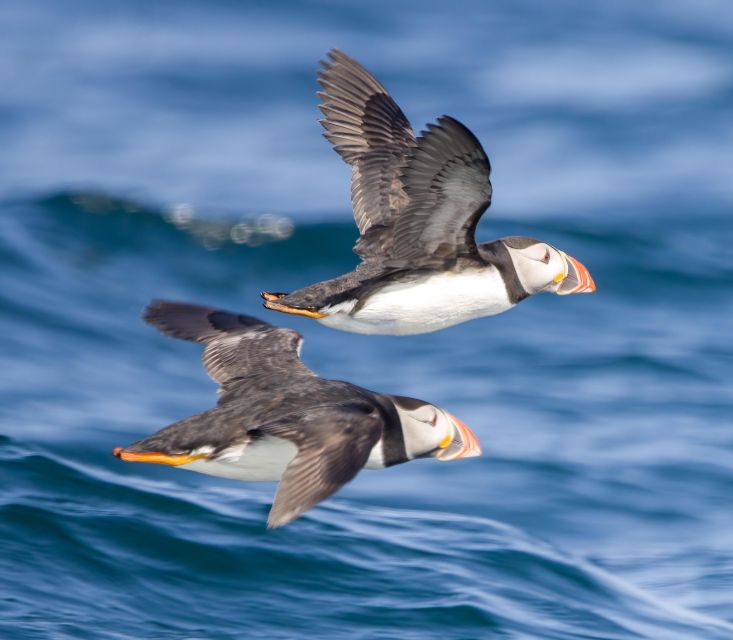
- April to July can add puffin season bonuses, with a chance at Puffin Island and nesting cliff activity
Down the southwest coast, other days
- Cornwall: Guided Seal Safari by Boat
★ 4.7 · 63 reviews
Why this 2-hour RIB safari can be good value for $60
Two hours sounds short until you picture what the crew is doing. You cover about 25 miles of coastline, moving out from Padstow and then slowing down in places where marine life is most likely to show up. For many people, the value is not just the animals. It is the fact that you get to search efficiently across real North Cornwall water in a boat built for speed.
At $60 per person, you are also paying for more than transportation. You get a guide, safety briefing, and the actual kit most people would otherwise have to buy. Waterproof jackets and trousers are included to borrow, plus life jackets. That is a big deal in southwest England, where the weather can go from fine to cold-salty fast.
There is also the human factor. The tour is limited to 12 people, so the guide can keep track of your questions and help you look in the right direction when wildlife appears. If you hate crowded, noisy tours, this setup is a plus.
The ride from Padstow into the Atlantic: fast, bouncy, and photo-worthy
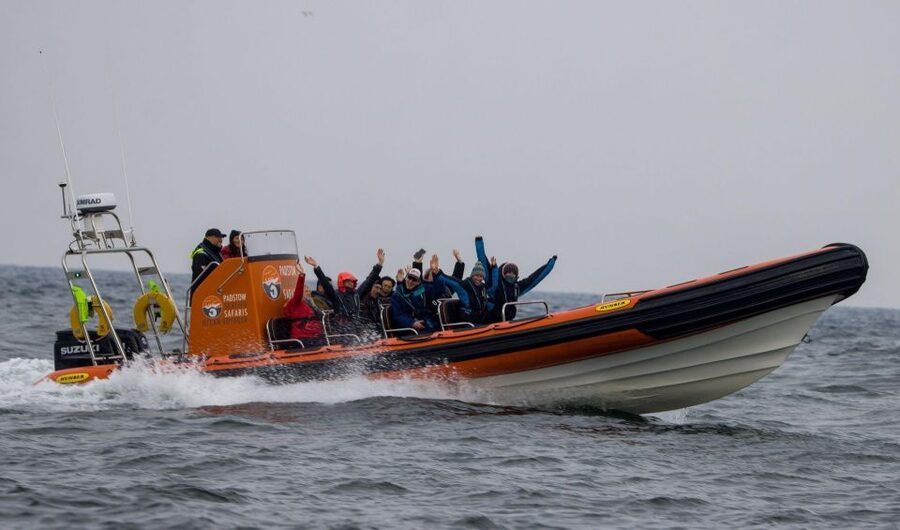
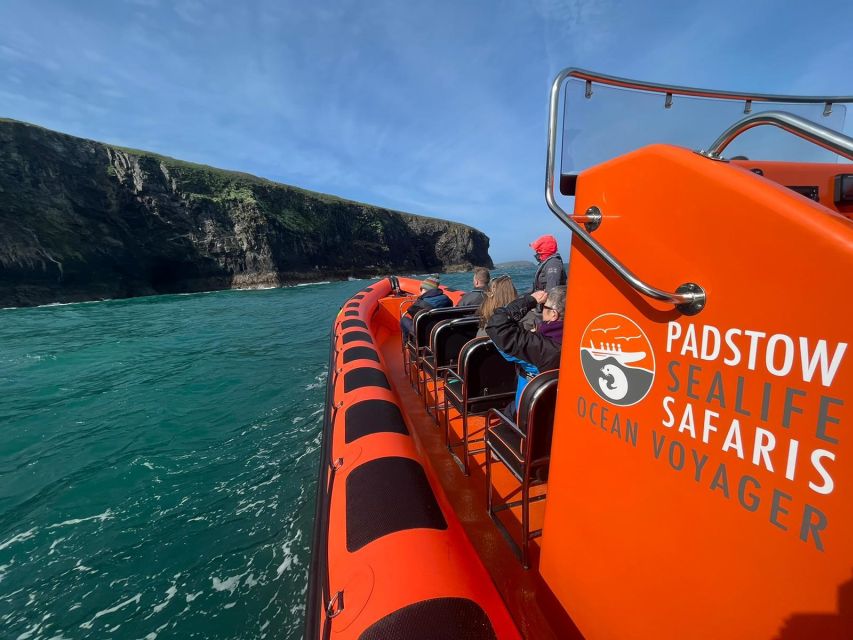
You meet at the Padstow Sealife Safaris office in Padstow. From there, the experience starts with a safety briefing, then you step onto an open-top RIB for the run out. Expect the boat to feel lively right away. Several people note that it is like a water roller coaster, especially across choppier stretches where waves slap rocks and throw spray.
This part matters because it changes how you experience the wildlife. In a slow boat, you can drift and wait. On a RIB, the crew is actively positioning you and adjusting speed based on sightings and sea conditions. That keeps the trip energetic, but it also means you should dress like you expect to get wet.
If you are the type who loves a bit of adrenaline, you will probably feel great once you get your rhythm. If you are prone to motion sickness, take the warning seriously. The activity is not suitable for people who get seasick, people with recent surgeries, and people over 80, among other groups listed by the operator.
How the crew searches: wildlife spotting that stays respectful
This is not a zoo trip. The best mindset is simple: you are going out to share the water with wildlife, not control it. The guide and skipper are watching for signs, then slowing down in designated regions where marine mammals and seabirds tend to appear.
You might spot seals at the surface, dolphins swimming alongside the boat, porpoises surfacing briefly, and sometimes larger whales depending on the day and conditions. Even sunfish have been mentioned as possible sightings. The key is that the crew keeps moving until they find the most promising areas, then they manage the tempo so you have a real chance to see what they have found.
You will also get seabird action. The trip is set up to help you watch for gannets, shearwaters, fulmars, oystercatchers, shags, cormorants, and more. In practice, that means you learn to scan. The moment a bird starts feeding or hovering, the guide helps you connect it to what might be happening under the surface.
Guides like Harriet, Kelsey, Jenny, Anne, Hope, and Emma are repeatedly associated with the same style of leading: clear explanations, quick answers, and good humor. Skippers such as Mark are often mentioned for balancing excitement and safety. That matters because a boat ride can feel chaotic if the captain cannot read conditions. Here, the whole trip depends on that judgment.
What you might see: seals, dolphins, porpoises, whales, and seabirds
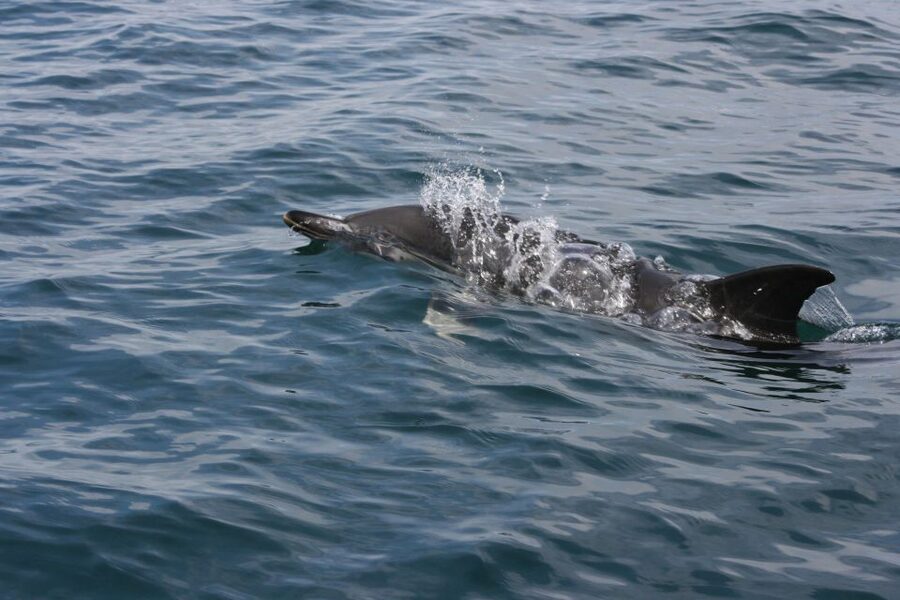
Let’s talk realism first. Wildlife spotting is never a guarantee. Some trips come back with a “best day” story, with dolphins close to the RIB for long stretches, plus multiple seals and feeding seabirds. Other days can be calmer for mammals, with more seabirds and maybe only a single seal sighting.
Even so, you can still have a great trip because the coast itself is doing something constantly. Seabirds reveal where food is moving. Dolphins can arrive like a surprise bonus once you are positioned correctly. The guide helps you interpret those moments instead of treating them like random good luck.
Seals
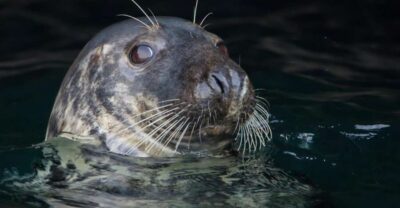
Seals can show up resting near rocks or popping up briefly. If you are hoping for a long, steady viewing window, it may not always happen, but you are out in prime water for sightings when conditions line up.
Dolphins and porpoises
Dolphins are often the headline. People describe pods that stay near the boat and offer multiple passes for photos. Porpoises may be more fleeting, so the biggest tip is to keep your eyes trained when the guide says to look.
Whales and other marine life
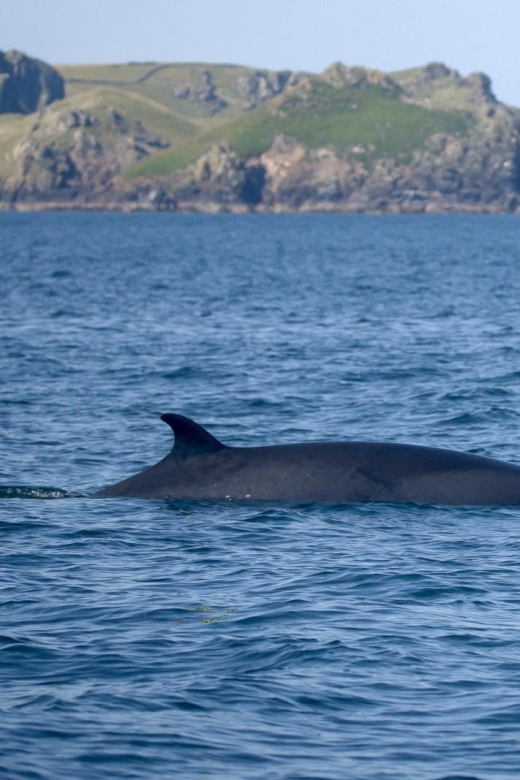
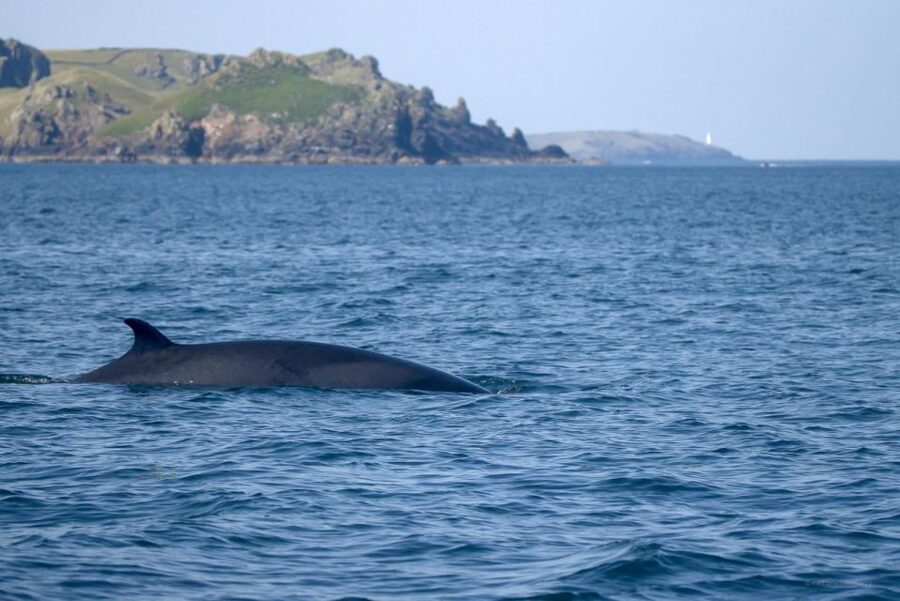
Whales are described as possible, and some departures have included bigger surprises such as a minke whale. Sunfish are also listed as a possible sighting. If you do see something larger, the crew will typically slow down so you can actually take it in.
Seabirds
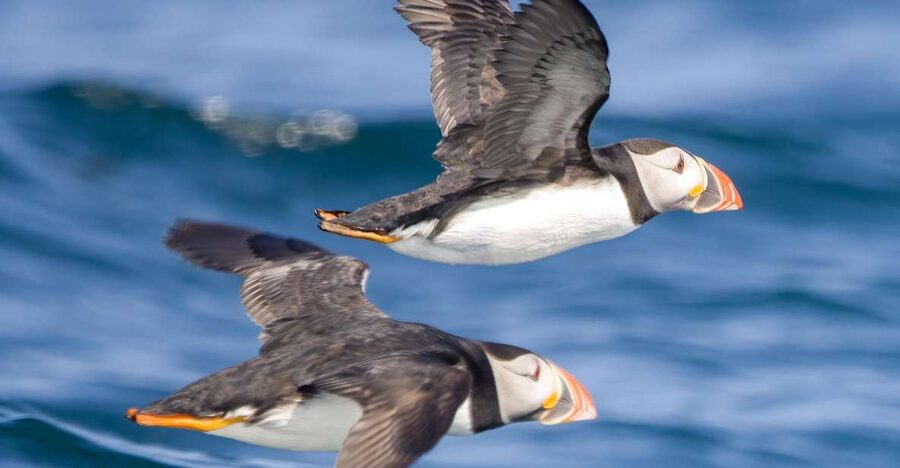
The seabird menu is one of the most consistent parts of the trip. Gannets feeding up close can be mesmerizing, and shags and cormorants often look like they are constantly working the water. If you bring binoculars, you will get more out of this section, especially when birds are out at a distance.
April to July extras: nesting cliffs and the puffin season chance
If you go between April and July, you gain an added layer of coastal wildlife. The cliffs can be teeming with nesting guillemots and razorbills. That gives you more to watch even when mammals are shy that day.
There is also Puffin Island, described as one of the last places puffins can be found nesting in Cornwall. During the season, the crew may head for this area with the hope of spotting puffins. You should still treat it as a chance, not a promise. Weather and sea conditions can shift where you go.
This is why timing matters for value. If you are planning a Cornish trip and you care about wildlife, going in the months where birds are nesting can make the entire experience feel fuller, even on a day with fewer dolphins.
Port Isaac and Trevose Head: the onshore flavor you get from the water
Depending on weather and sea conditions, you may visit Port Isaac or Trevose Head during the trip. Port Isaac is tied to Doc Martin, and being offshore gives you a different angle on the place than you get from walking the village streets. Even if you are not a superfan, the visual contrast between the harbor and the rugged coast is worth the stop.
Trevose Head adds another style of viewpoint, with a unique look at the Padstow Lifeboat Station in the area. This is one of those moments where you feel the region’s relationship with the sea. It is not just wildlife viewing, it is also seeing how local life fits the coast.
If you only get a quick photo break at one of these points, do not stress. The boat time still gives you the main experience, which is the moving search for marine life.
What to pack so the trip feels fun instead of miserable
You will get wet. Even with waterproof clothing, expect spray and occasional wave hits when the boat cuts across conditions. So pack like you want to stay warm, not like you are dressing for a dry day by the pier.
Here is what you should bring, based on the operator guidance:
- Sunglasses and sun hat (yes, even in cloudy Cornwall)
- Camera, plus a plan for keeping it protected
- Sunscreen
- Jacket and weather-appropriate outdoor clothing
- Waterproof shoes and outdoor layers you can move in
- Binoculars if you want to pick out seabird details
Also, do not ignore the “ride” part of this ride. It is fast, it bounces, and it can mean stomach churn for people who are sensitive. If you are on the fence, choose your comfort level over bravery.
One small comfort hack: if you borrow the waterproof trousers, wear them. Many people note that the kit makes a big difference, especially when the sea is choppy and spray finds gaps.
Who should book, and who should skip it
This safari is a good fit if you:
- Love wildlife and want a chance at multiple species in a short time
- Enjoy speed and wave action, and do not mind getting splashed
- Like guided learning, from what birds are doing to why the skipper slows down
- Want a small-group experience instead of a big, noisy boat
It is not a good fit if you:
- Get motion sickness easily, or you are prone to seasickness
- Have mobility challenges that make bouncy boat boarding difficult
- Are pregnant
- Have back problems or recent surgeries
- Are very elderly, since people over 80 are listed as not suitable
For families, the vibe can work well because guides often keep it engaging, and there is plenty to look at. Still, the trip is not built for everyone. Children under 2 are not suitable, and younger kids may find the RIB’s speed and spray challenging.
Booking mindset: wildlife is wild, but your odds are helped by how you prepare
The operator will do their best to find as much wildlife as possible, but nature sets the rules. Your job is to show up ready.
Bring binoculars. Dress for warmth and wet. Listen closely during safety briefings. If you have clear expectations, you will enjoy it more. Think, “We are going out to search,” not, “We are guaranteed dolphins.”
When the sightings do land, it can feel like a true privilege. People describe dolphins passing very close to the boat, seals relaxing, and seabirds feeding at eye level. On the same day, you might hear plenty of facts, get a few photo stops, and end the trip with an overstuffed memory card and salt on your jacket sleeves.
Should you book the Padstow guided RIB sealife safari?
Book it if you want a high-energy wildlife outing from Padstow that actually uses the sea you are visiting. The included waterproof gear, the small group size, and the guided spotting approach make it more than a casual boat trip. If you go in April to July, you also get that extra cliff and puffin season angle.
Skip it if you are easily seasick or you hate rough-water movement. This is an open-top RIB, and choppy conditions are common. Also, go in with the right expectations. Wildlife is not guaranteed, but the crew is set up to keep searching and help you see what is there when it appears.
Cornwall and Devon by the Sea
- Cornwall: Guided Seal Safari by Boat★ 4.7 · 63 reviews
Fresh off the Padstow review pile
Cornwall, Devon & the Southwest Coast, compared.
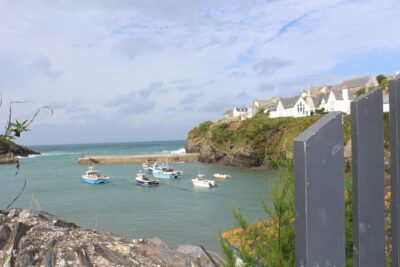 ★ 4.5Doc Martin Tour in Port Isaac, CornwallFrom $22840 reviews
 ★ 4.4Cornwall: Eden Project Entry TicketFrom $51495 reviews
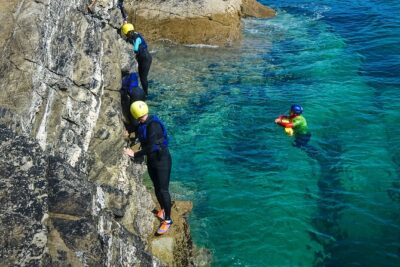 ★ 5.0Coasteering Experience in NewquayFrom $76465 reviews
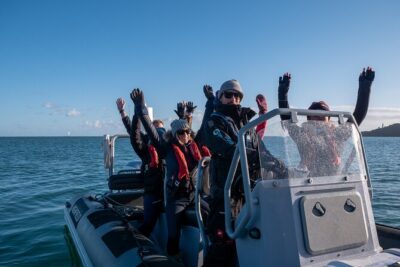 ★ 5.0Torquay Coastal RIB SeafariFrom $51410 reviews
 ★ 4.7Bodmin: Bodmin Jail Entry Ticket & Dark WalkFrom $29346 reviews
 ★ 5.05-Day Devon and Cornwall Small-Group Tour from LondonFrom $1,347296 reviews
 ★ 5.0Falmouth Uncovered Walking Tour (Award Winning)From $22267 reviews
 ★ 5.0Half-Day Coasteering in Newquay CornwallFrom $76239 reviews
Also filed under