
REVIEW · LONDON NEIGHBOURHOODS & STREET ART
The Original London Street Art Tour (French)
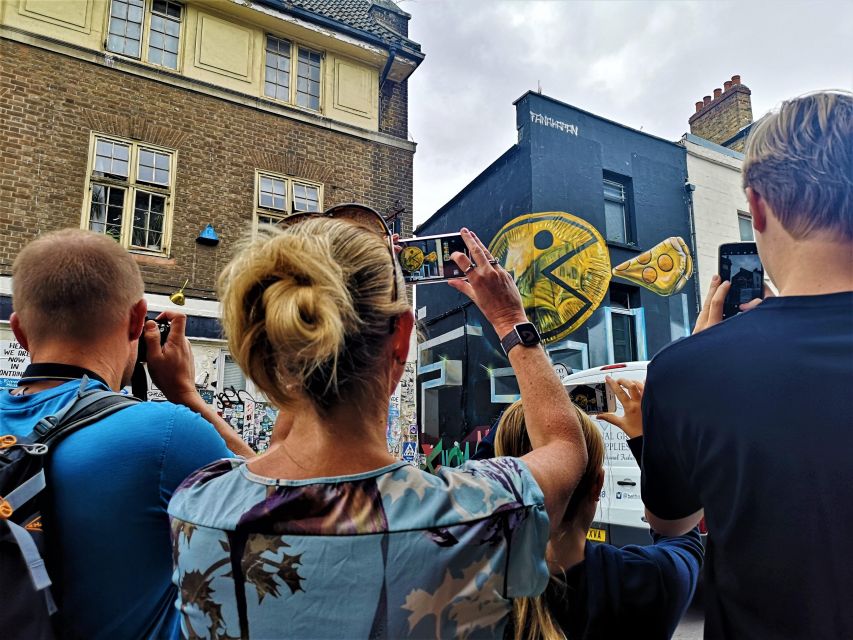
Street art changes faster than you think. This East London walk through Spitalfields, Brick Lane, and Shoreditch turns walls into a map of who made them and why. You are not just looking, you are learning the logic behind street art and the story inside graffiti culture.
I love the focus on what is on the ground, not just what ends up on Instagram: tags, murals, and styles you can actually track street by street. I also love that the guide connects what you see with the people and techniques behind it, including names like ROA and Invader.
One consideration: in about 1.5 hours, you cover a lot of distance. If you want to stop and study one wall for a long time, you may wish you had more hours.
In This Review
- Key highlights to plan for
- Why a guided street-art walk beats self-guided wandering
- Where you start: Old Spitalfields Market and the white goat statue
- Spitalfields to Brick Lane to Shoreditch: how the route works
- The 40+ artists you’ll track down, including Banksy and ROA
- Learning the language of tags and graffiti techniques
- Famous names vs what you actually see on the street
- Price and value: what $26 buys in 1.5 hours
- French guide experience: clarity, humor, and staying on track
- Accessibility and walking reality
- Who should book this tour, and who might want a different pace
- Should you book The Original London Street Art Tour (French)?
- FAQ
- What language is the tour?
- How long is the tour?
- Where do I meet the guide?
- Which areas of East London does the tour cover?
- How many street artists will we see?
- Which famous street artists are mentioned?
- Is the tour wheelchair accessible?
- Is there free cancellation?
- Is there a pay-later option?
Key highlights to plan for
- Meet by Old Spitalfields Market, at the statue with the white goat on top.
- More than 40 artists along the route, with recognizable names in the mix.
- Shoreditch and Brick Lane in one focused walk, starting from Spitalfields.
- French live guide with clear explanations and group-friendly pacing.
- Street art changes often, so the exact mix of works can shift and the tour can feel fresh.
More streets worth an afternoon
- Soho Music & Historic Pubs Tour
★ 5.0 · 1,993 reviews - London Bridge & Borough Market Food Tour with 7 Authentic Dishes
★ 5.0 · 1,972 reviews - London: Street Art and Graffiti Guided Walking Tour
★ 4.9 · 1,354 reviews
Why a guided street-art walk beats self-guided wandering
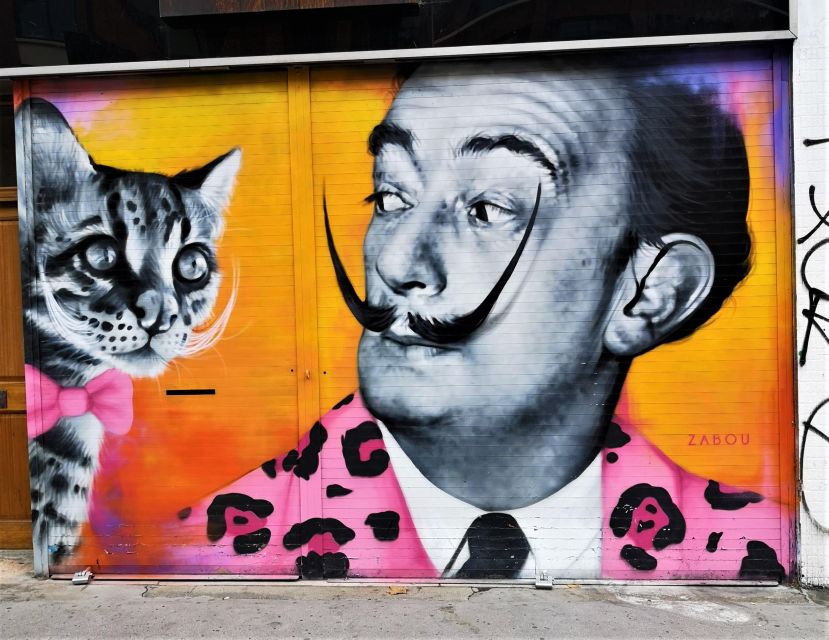
East London street art can feel like visual noise at first. A good guide turns that noise into patterns. You start noticing tags as signatures, stencils as quick messages, and big murals as public statements. You also learn that the “street” part matters as much as the art itself, because these works live in real neighborhoods with real constraints and history.
This tour is built for discovery. Instead of sending you to a list of famous murals, it points you toward the culture that produces them. The goal is simple: you leave with a working sense of how the scene thinks and how different artists leave their marks.
I also like the practical pace. You walk, you observe, and you get context without feeling like you’re stuck in a lecture hall. You will still be able to look up and enjoy the streets around you, including the Shoreditch and Brick Lane energy that makes this area famous.
Where you start: Old Spitalfields Market and the white goat statue
You meet near Old Spitalfields Market, at the statue with the white goat on top. That meeting point is handy because it is central to the East End streets you will cover next. It also gives you a clean starting line so you are not spending your first ten minutes trying to locate the group.
When you arrive, I recommend giving yourself an extra buffer. London crowds can move differently than you expect, especially around market areas. Once you find your guide and group, you are ready to go immediately, which helps in a tour that is only about 1.5 hours.
What to wear is also worth thinking about. You are walking through streets where you will want to look closely at walls, doors, and alley corners. Comfortable shoes matter more than anything fancy. And if you care about photos, bring your camera ready, because some pieces are better shot from a slight angle, not straight on.
Spitalfields to Brick Lane to Shoreditch: how the route works
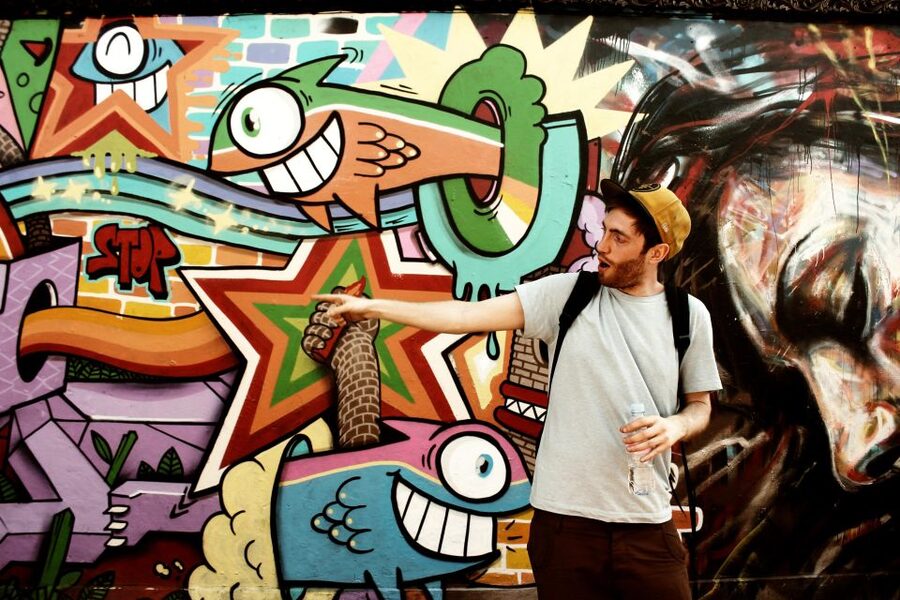
The walk moves through one of London’s most well-known street-art zones, starting in Spitalfields and heading toward Brick Lane and then into Shoreditch. You are not just passing landmarks. You are moving through streets covered with street art and tags, so each segment feels like a mini “reveal.”
The tour is designed so you learn as you go:
- You begin with the East End context, so you know what you are looking at.
- You then walk through clusters where multiple artists’ work shows up close together.
- You finish in Shoreditch, where the street scene tends to be a little louder and more layered.
The biggest “how it feels” point is the rhythm. You get guidance, you scan the wall, you learn what matters, then you walk on. It keeps your attention from drifting, and it helps you see connections between styles instead of treating each piece as a one-off.
Since street art shifts over time, you may not see the exact same things on every date. That is not a failure of the tour. It is part of the reality. The guide’s job is to help you recognize the bigger picture even when the details change.





The 40+ artists you’ll track down, including Banksy and ROA
One of the strongest selling points here is the artist lineup. You are set up to see street art and tags by more than 40 acclaimed street artists. That does two useful things for you: it prevents the tour from feeling like a single mural tour, and it gives you variety in style and approach.
The names mentioned for the experience include:
- Banksy
- ROA
- Invader
- Shepherd Fairy
- Eine
You may also run into works by artists such as Stik, Borondo, and Cranio, depending on what is currently on the walls. Even if you only recognize one or two names, the guide helps you move beyond celebrity labels into understanding style and intent.
Here’s the practical value of seeing this many artists in one route. Street art scenes can feel like they all look the same when you first arrive. A guided walk helps you separate:
- stencil-based work versus large-scale character pieces
- animal and figure motifs versus typographic tags
- quick statements versus longer “world-building” murals
By the end, you are usually better at answering your own questions while walking around London: who made this, what style does it fit, and what message might it carry.
Learning the language of tags and graffiti techniques
The best part of a street-art tour is not the art on the wall. It is the interpretation. This guide approach is clearly geared toward helping first-timers understand the scene without making it feel overly academic.
Guides on this tour are praised for explaining details with passion and a bit of humor. In French, the energy matters too, because it keeps the explanations easy to follow while you are also looking at walls. You get background on the East End streets as you walk, plus insight into the culture of graffiti and how artists work.
A specific theme that comes up in the tour experience is technique. You are not only told what style something is, you are also taught how that style relates to materials and methods used by street artists. That matters because street art is not museum art. It is made under constraints, often quickly, often outside normal gallery systems.
In at least one group experience, the guide included enough neighborhood context and technique talk that newcomers felt comfortable, and kids also enjoyed it. That suggests the tour balances art talk with real explanations that do not require prior expertise.
If you are someone who likes to “read” places, this is a strong fit. You will start noticing repetition, symbolism, and signature elements instead of just admiring the surface.
Famous names vs what you actually see on the street
Knowing Banksy and friends is fun, but the street part is what makes this tour click. Famous names can help you locate your interest, then the guide shifts the focus to what is around them right now.
Street art changes. That is not a theoretical note, it is your daily reality in London. You might see newer pieces, older ones that have faded slightly, or work that has been layered over. The tour is designed to evolve as the walls evolve.
For your planning, the takeaway is simple: don’t chase a single “must-see” piece like you are buying a timed-entry ticket. Instead, come ready to learn how to recognize styles and understand artist intent in the moment.
If you are a serious collector of photos, you will still have plenty to shoot. Just aim for documentation of style and placement, not only a checklist. Some of the most interesting work can be tucked where you would never look without a guide directing your attention.
Price and value: what $26 buys in 1.5 hours
At about $26 per person, this is a solid value for London. The price is buying a guide who can interpret what you are seeing, plus the convenience of a structured route through the key East End areas. Without that guidance, you would still find street art on your own, but you would lose the “why” behind the pieces.
The tour also packs enough variety to make the time feel productive. In roughly 1.5 hours, you are guided past dozens of works and multiple artists, from tags to larger murals. That density is what you want when you have limited time in the city.
For a budget-minded traveler, the real value is context per minute. You are not paying for transportation, you are paying for reading skills and street-level awareness. If you already love street art, it is a fast way to learn names and techniques without turning it into a full-day project.
And if you are on a flexible schedule, it is helpful that the experience is offered with options like free cancellation up to 24 hours in advance and reserve-and-pay-later style booking. That makes it easier to fit into a London itinerary that can change with weather and museum lines.
French guide experience: clarity, humor, and staying on track
This tour runs with a live guide in French, so your experience will feel natural if French is your comfort zone. The guide-led format also helps you follow along while walking, which is exactly when reading signs on your phone can slow you down.
From the guide feedback, what stands out is how smoothly they explain details. People highlight that the guide’s explanations are clear and often delivered with passion and humor. That combination is important. Street art can be serious, but the street scene is not stiff, and the best guides match that mood.
Another practical plus is group adjustment. One group note suggests the guide adapted to the group, which matters for mixed ages or mixed levels of interest. If some people are there for the art names and others are there for technique, a good guide can handle both without letting the group go off rhythm.
If you do not speak French well, you might still enjoy the visuals. But the full value here depends on understanding the guide’s explanation in real time. In other words, the “secret ingredient” is language fit.
Accessibility and walking reality
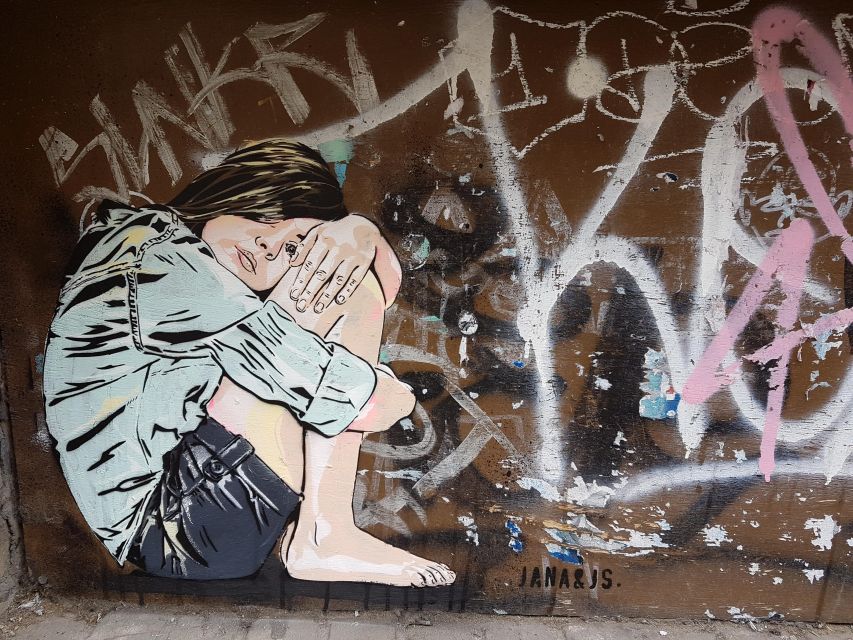
The tour is listed as wheelchair accessible, which is great to know. That said, it is still a walking experience, and city streets can be uneven, crowded, and full of curb cuts and tight turns. If you use a wheelchair, it is worth verifying the exact route practicality when you book, so you can plan for what London streets throw at you.
For everyone else, remember the format: it is a guided stroll through streets covered in street art and tags. You do not need hiking gear, but you do need to be comfortable standing still briefly and looking closely at walls and alley entrances.
Bring a small water bottle if you run warm. London can surprise you, even in cooler months. And if rain starts, street art often still shows through, but you will want to pay attention to footing and keep your camera protected.
Who should book this tour, and who might want a different pace
This is a smart choice if:
- You are visiting London for the first time and want an easy, guided way into East End culture.
- You like street art and want to learn what different styles mean.
- You have limited time and want to cover Spitalfields, Brick Lane, and Shoreditch without mapping everything yourself.
- You speak French or want the added immersion of a French-language guide.
It might be less ideal if:
- You want a long, slow walk where you can spend a lot of time on one single work.
- You prefer self-guided museum-style interpretation with long pauses and deep reading stops.
- You are not comfortable with French spoken commentary and would find it hard to follow in real time.
But if you’re happy with a structured, energetic walk that teaches you how to see, this works well.
Should you book The Original London Street Art Tour (French)?
Yes, if your goal is understanding, not just spotting. The tour’s core strength is the mix: a short time window, a dense route, and a guide who connects art names and techniques to the streets around them. With more than 40 artists mentioned, plus a lineup that includes major figures like Banksy, ROA, Invader, Shepherd Fairy, and Eine, you get variety without having to plan a scavenger hunt.
Book it when you can stay flexible enough to enjoy whatever is currently on the walls. Street art is alive, and this experience is built around that reality.
If you want, tell me your travel dates and whether you speak French well. I can suggest how to place this tour in your day, plus a short list of nearby areas to enjoy after you finish.
FAQ
What language is the tour?
The tour is offered with a live guide in French.
How long is the tour?
The duration is listed as 1.5 hours.
Where do I meet the guide?
Meet near Old Spitalfields Market at the statue with the white goat on top.
Which areas of East London does the tour cover?
You walk through East London with stops around Spitalfields, Brick Lane, and Shoreditch.
How many street artists will we see?
The experience highlights street art and tags by more than 40 acclaimed street artists.
Which famous street artists are mentioned?
The tour mentions Banksy, ROA, Invader, Shepherd Fairy, and Eine, plus other artists such as Stik, Borondo, and Cranio.
Is the tour wheelchair accessible?
Yes, it is listed as wheelchair accessible.
Is there free cancellation?
Yes, you can cancel up to 24 hours in advance for a full refund.
Is there a pay-later option?
Yes, there is a reserve now and pay later option, where you can book and pay nothing today.
Neighbourhood Walks and Street Art
- Soho Music & Historic Pubs Tour★ 5.0 · 1,993 reviews
- London Bridge & Borough Market Food Tour with 7 Authentic Dishes★ 5.0 · 1,972 reviews
- London: Street Art and Graffiti Guided Walking Tour★ 4.9 · 1,354 reviews
- London Bike Tour: Landmarks, Secret Gems, Pub Stop & Street Art★ 5.0 · 943 reviews
Fresh off the London review pile




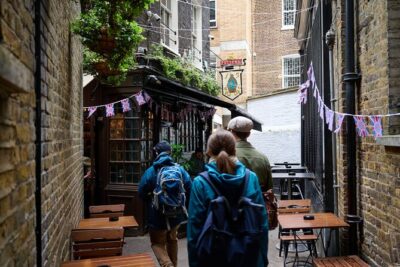
London Neighbourhoods & Street Art, compared.
 ★ 5.0Soho Music & Historic Pubs TourFrom $441,993 reviews
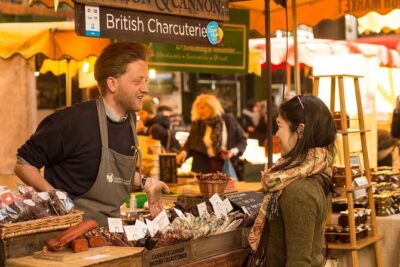 ★ 5.0London Bridge & Borough Market Food Tour with 7 Authentic DishesFrom $1131,972 reviews
 ★ 4.9London: Street Art and Graffiti Guided Walking TourFrom $331,354 reviews
 ★ 5.0London Bike Tour: Landmarks, Secret Gems, Pub Stop & Street ArtFrom $104943 reviews
 ★ 4.5London: Canal Boat Ride on Camden LockFrom $26877 reviews
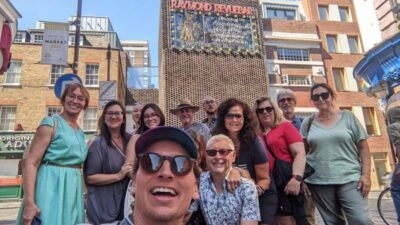 ★ 4.9London: Soho Music and Historic Pubs Walking TourFrom $39836 reviews
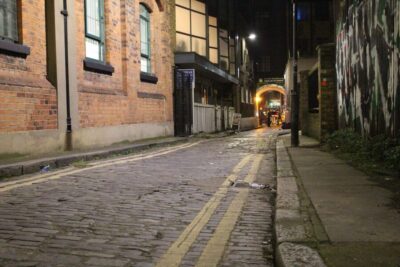 ★ 4.5Jack The Ripper Tour in London’s East EndFrom $22718 reviews
 ★ 5.0Glasgow Street Art Daily Walking Tour: 2pmFrom $19648 reviews
Also filed under