REVIEW · UNITED KINGDOM
A Story of Discovery, Education and Remembrance
A 31-meter spire holds a hard story. The International Bomber Command Centre in Lincoln pairs interactive galleries with a tall metal memorial you can see across the city. This visit deals with WWII and loss, so expect an emotional theme, not a quick photo stop.
One of my favorite things here is how it connects the facts to people: you can follow the Orchestra of Voices exhibits and use the Losses Database to find names tied to Bomber Command.
In This Review
- Key things to know before you go
- Entering the International Bomber Command Centre, where remembrance leads
- The 31.09m metal war memorial, and why the views matter
- Names, the Losses Database, and what it means to search
- Inside the Orchestra of Voices galleries, multiple sides of WWII
- Free guided tours of memorial and gardens, and how to pace yourself
- Hub Café break, so you do not rush the serious parts
- Price and value: why $15.94 feels fair for what you get
- Who this experience suits best, and who should plan differently
- Should you book the International Bomber Command Centre?
- FAQ
- How long should I plan for?
- What is included with the ticket?
- Where do I redeem my ticket, and when is it open?
- Is parking included in the price?
- Is the experience available in English?
- Can I cancel for a full refund if my plans change?
Key things to know before you go

- 31.09m UK metal war memorial with views over the City of Lincoln
- Almost 58,000 names recorded, with support through the Losses Database
- Three interactive exhibition galleries, framed through perspectives from all sides
- Two planted peace gardens plus free guided tours of memorial and grounds
- Hub Café serving locally sourced food and drink on site
Still comparing? These Nottingham tours came out well in our reviews too.
- A Story of Discovery, Education and Remembrance
★ 5.0 · 347 reviews - Nottingham Walking Tour with a Local Guide
★ 4.9 · 69 reviews
Entering the International Bomber Command Centre, where remembrance leads
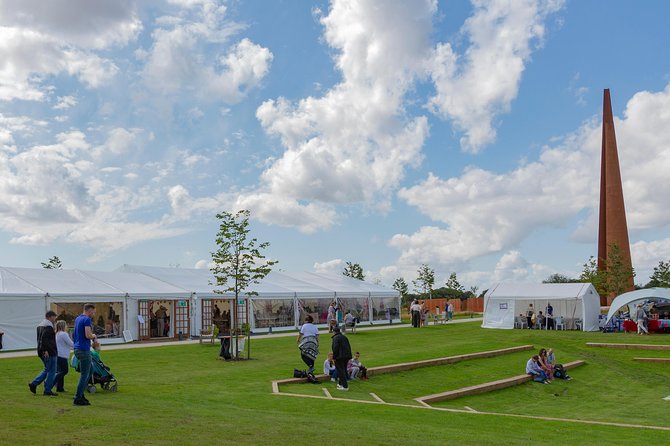
The first thing you notice is how intentionally the centre moves you from structure to story. There is a clear sense of purpose here, from the metal memorial you can spot from far away to the quiet gardens meant for slowing down after hard material.
The centre is designed for a half-day outing. Expect around 2 to 5 hours, which is a useful range if you want time for exhibits, the memorial walk, and a breather in the gardens. The experience is offered in English, so you can settle in without worrying about translation.
If you’re visiting with kids, this place can work well. The galleries are built to keep attention, and the site has a family-friendly rhythm: see the big memorial, step into the galleries, then cool off with the gardens and a meal.
The 31.09m metal war memorial, and why the views matter
The outdoor star is the UK’s tallest metal war memorial, rising to 31.09m. Even if you already know the basics of WWII air war, the scale shifts the experience. It is imposing in a visual way, but it also acts like a marker for orientation, helping you understand where you are in the story.
The memorial also gives you practical value for photos. From the higher vantage points, you get views over the City of Lincoln, so you can pair your remembrance photos with the landscape of the city below. It’s one of those moments where the camera feels appropriate, because you’re not just shooting a monument, you’re capturing the place it belongs to.
One more reason this stop hits: the memorial includes names of people who died while serving in Bomber Command. That detail is not buried. You see it, you can read it, and it makes the loss feel specific rather than abstract.
Names, the Losses Database, and what it means to search
A standout feature is the focus on individuals. The centre includes names of almost 58,000 people who lost their lives serving Bomber Command during WWII. That number can feel overwhelming at first. What helps is that you are not left with a wall of text. You have the Losses Database to support deeper look-ups.
If you are doing family research, I’d treat this as the main event. Bring whatever you have: a name spelling, even if it’s uncertain. When you find a relative’s name, the visit shifts from education to personal remembrance. That is exactly the kind of payoff people talk about, because it turns a historical subject into something you can hold.
Also, give yourself time. Searching, reading, and absorbing can take longer than you expect, especially if you are balancing emotion with curiosity. This is a place where slowing down is not wasted time.
Inside the Orchestra of Voices galleries, multiple sides of WWII
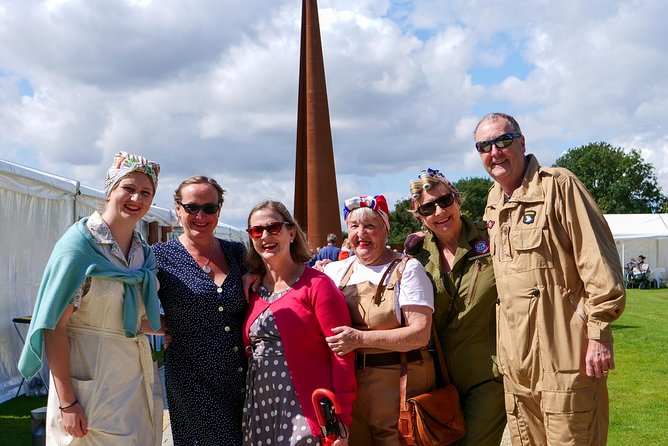
Once you step indoors, the centre becomes about interpretation and perspective. The exhibitions use three interactive and immersive-style galleries that aim to tell the Bomber Command story through the eyes of those there, including perspectives from all sides of the conflict. That is a big deal, because this subject is contentious and complicated.
What makes the galleries especially useful is the variety in how information is presented. You get more than panels and dates. The centre uses interaction to help you connect causes, decisions, and consequences. The result is that the story becomes easier to follow without turning it into something simplistic.
If you want a practical way to do it, I suggest you start with the bigger storyline and only then move into names and specific experiences. That order helps you avoid getting stuck too early in details you are not yet equipped to place. Then, once the context clicks, the personal stories land harder.
A bonus for many visitors is that the centre doesn’t treat learning like a classroom chore. The exhibits are built to keep adults and families engaged, which is why it works even when you have mixed ages in your group.
Free guided tours of memorial and gardens, and how to pace yourself

One of the best value add-ons here is the presence of free guided tours of the memorial and gardens. The centre provides experienced guides, and the benefit of going with them is simple: they help you read what you’re looking at. A monument can be powerful on its own, but the guide experience gives you context, so you spend less time guessing and more time understanding.
Pacing matters. I like to do the outdoor memorial first, then move into the galleries for the background, then return outside for the gardens. That rhythm helps you carry the emotional weight in layers, instead of dumping it all at once.
The gardens themselves add an important counterbalance. You get a chance to step away from the information and sit with the idea of peace. The site has two planted peace gardens, and they can feel especially calming after time indoors.
The guided walk through the grounds is also where you can slow down and take photos without feeling rushed. If you only do the memorial and skip the gardens, you miss a key part of the centre’s design, which is the shift from information to reflection.
Hub Café break, so you do not rush the serious parts
You’ll likely want a pause at some point, and the centre makes that easy with the Hub Café on site. It offers locally sourced food and drink, which is a nice touch in a place like this, because it keeps the visit feeling grounded.
I treat the café as a timing tool. If you arrive in the middle of the day, you can use lunch or a snack as a natural reset before you continue through any last galleries or gardens. If you arrive earlier, a coffee break can help you keep your energy up while you take in names and stories that can hit emotionally.
If you’re visiting with kids, this is the moment when the day can feel more normal again. Not because the subject is light, but because you’re taking care of basic needs so you can stay present.
Price and value: why $15.94 feels fair for what you get
The ticket price is $15.94 per person, and it comes with the admission element. For most people, the best value part is not just entry to the building. It’s that the visit includes the interactive exhibitions, access to the memorial with its scale and names, and the free guided tours of memorial and gardens.
There’s also the practical value of time. With 2 to 5 hours available, you can choose your intensity level. You can do a shorter route that still includes the memorial and gardens, or take longer to focus on the exhibitions and name searching.
One more small indicator of value: the centre is commonly booked about 8 days in advance. That doesn’t mean you must plan months ahead, but it does suggest it’s popular enough that choosing your time ahead of arrival is smart, especially if you have a tight day schedule.
And since parking fees are not included, budget a little extra if you’re driving. If you’re using public transportation, that part is easier, because the site is near public transport.
Who this experience suits best, and who should plan differently

This is a strong fit if you:
- care about WWII history and want it explained with real context
- are interested in remembrance that includes names and individual loss
- want a visit that includes both education and quiet reflection
- are visiting with kids who can handle structured, hands-on learning
It may feel like the wrong choice if you want purely casual entertainment. The subject is inherently heavy. Even with the gardens and café, the centre is built around WWII Bomber Command and the consequences of that era.
If your group includes different comfort levels, you can still manage the day. Consider splitting attention: one person focuses on the names and Losses Database while others spend a bit more time with the memorial and gardens. The centre layout makes it easy to keep moving without losing the thread.
Should you book the International Bomber Command Centre?
If you have any interest in WWII history, remembrance, or family research, I think you should book. The ticket price is modest for a site that combines a major memorial, interactive galleries, name-level commemoration, and free guided tours.
My advice is simple:
- Plan for 2 to 5 hours, not 60 minutes.
- If you have a family name to search, give that part the most time.
- Bring your pace, because the gardens are there for a reason, and you’ll feel it after you read the names.
FAQ
How long should I plan for?
Most visits take about 2 to 5 hours.
What is included with the ticket?
The admission ticket includes access to the centre and the free tours of the memorial and gardens. All fees and taxes are included in the price.
Where do I redeem my ticket, and when is it open?
You redeem at the International Bomber Command Centre, Canwick Ave, Lincoln LN4 2HQ, UK. It is open Tuesday to Sunday, 9:30 AM to 4:00 PM.
Is parking included in the price?
No. Parking fees are not included.
Is the experience available in English?
Yes. The tour is offered in English.
Can I cancel for a full refund if my plans change?
Yes, you can cancel up to 24 hours in advance for a full refund. If you cancel less than 24 hours before the start time, the amount paid is not refunded.