
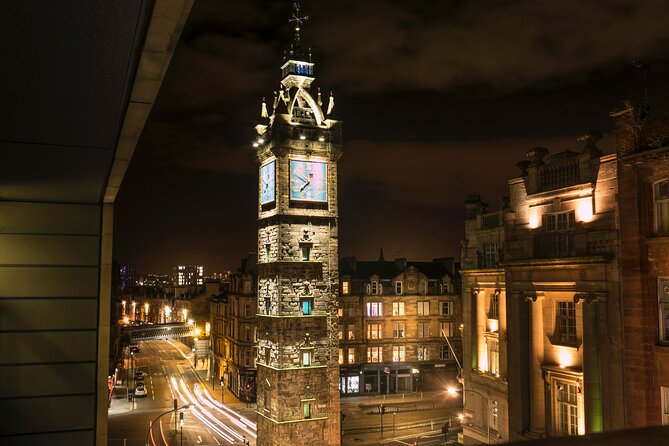
REVIEW · GLASGOW TOURS
Glasgow Private Walking Tour with a Local
A great walk can fix your Glasgow in one go. I like the private, tailored route that saves you planning time, and I like how the guide adapts to your interests instead of forcing a script. The one real watch-out is that the quality of the experience can swing depending on the guide’s comfort with your chosen topic, especially if you want deep industrial history.
This is a good fit if you want to see the city up close on foot and get practical, local-style context along the way. You’ll start at the equestrian statue of the Duke of Wellington in Royal Exchange Square, then the walk moves through neighborhoods and viewpoints your guide thinks will match your day. One more consideration: expect real walking time, and in wet weather you’ll want shoes that grip.
In This Review
- Key points before you go
- A Glasgow private walking tour that actually saves you time
- The start at Royal Exchange Square and how the walk really feels
- How to get the route you want, without extra legwork
- Royal Exchange Square, the Duke of Wellington, and finding Glasgow’s rhythm
- St Mungo Cathedral and the Necropolis viewpoint walk
- Murals, Merchant City streets, and local life on display
- West End and university corridors: Kelvingrove, Botanic Gardens, and more
- Lunch like a local: where Waxy O’Connors can fit
- What you’ll learn, and what to ask for if you want deep history
- Price and value: $57.80 for a private day on foot
- Common pitfalls on a walk-only private tour (and how to dodge them)
- Should you book a Glasgow Private Walking Tour with a Local host?
- FAQ
- How long is the Glasgow Private Walking Tour with a Local?
- What is included, and what should I budget for separately?
- If we want to visit a paid attraction, who pays the entrance?
- Where do we meet, and can the tour end in a different place?
- Is this tour private, and can children join?
- What is the cancellation cutoff for a full refund?
Key points before you go

- A private walk with a local host means your pace and priorities are the main event.
- Custom route in 2 to 6 hours works well for both quick visits and slower, longer days.
- No research needed your guide plans the route so you can just show up and go.
- City highlights plus lesser-known streets is the goal, not a bus-stop checklist.
- Entrance fees are on you if you want paid attractions, and you also pay the guide’s entrance cost.
- Expect walking in all weather comfortable shoes are not optional.
More of Glasgow and what leaves from it
- From Glasgow: Oban, Glencoe, Highland Lochs & Castles Tour
★ 4.9 · 2,123 reviews - City Sightseeing Glasgow Hop-On Hop-Off Bus Tour
★ 4.5 · 1,873 reviews - From Glasgow: Glenfinnan, Fort William, and Glencoe Day Trip
★ 4.7 · 1,753 reviews
A Glasgow private walking tour that actually saves you time
Glasgow can feel like a city you need to decode. A private walking tour is one of the simplest ways to get your bearings fast, because someone local is guiding the turns for you. You get both structure and flexibility, and you can shift focus mid-walk if your interests change.
The best part is the personalization. You tell your guide what you care about, your guide builds the day around that, and you’re not stuck marching through scenes you don’t care about. Another big win is the practical angle. Instead of only dates and names, you’ll usually get how the neighborhoods work today, what’s worth a closer look, and how locals think about their city.
The only drawback to keep in mind is that this kind of tour depends heavily on the individual guide. A few guests loved the depth of stories, while others felt the guide did not deliver the specific history they expected. If your priorities are very specific, you should say so clearly in advance.
The start at Royal Exchange Square and how the walk really feels

Most tours begin at the equestrian statue of the Duke of Wellington in Glasgow, at Royal Exchange Square (G1 3AG). From there, your route usually unfolds as a mix of central landmarks and nearby districts, then possibly a hop toward other parts of town depending on your time and interests.
Tours can run from about 2 hours to about 6 hours, so the feel ranges from a focused highlight loop to a long, steady stroll. One guest reported walking close to 10 miles during a day with Kasia, which gives you a reality check: if you choose the longer option, you should be ready for a serious day on foot.
Because there’s no transport included, it’s a true walking experience. You’ll want comfortable shoes, and you’ll want them to handle Glasgow weather. The tour runs in all weather conditions, so dress for rain, wind, and that damp chill that can turn a nice day into an uncomfortable one fast.
How to get the route you want, without extra legwork
You’re not just buying a tour title. You’re setting up a day with a local host who plans the route around you. To get the best outcome, send your guide your priorities before the walk. That includes what you like to see (architecture, street art, cathedrals, university areas, viewpoints), what you want to avoid, and any limits on walking time.
Also, if you want a specific type of history, ask for it directly. The tour format is described as a general overview with a local’s practical perspective, not a promise of detailed, textbook historical facts. Some guides still share lots of context, but if you need industrial history or very deep Scottish political history, say what you want so your guide can prepare.
If your plan includes a paid attraction, know the cost structure up front. You’ll cover the entrance for yourself, and you’ll also cover the Lokafyer’s entrance cost. That means you should plan your day with enough budget for any ticketed stops.



Royal Exchange Square, the Duke of Wellington, and finding Glasgow’s rhythm
Even if you only catch a few minutes at the start, the Duke of Wellington statue area is a smart place to begin. It anchors you in the city center, and it helps your guide orient the day: where you’re heading next, how the neighborhoods connect, and what to look for as you move.
From there, your guide typically threads the walk through meaningful public spaces and streets that show Glasgow’s blend of old structure and modern life. If your guide is the more story-driven type, this is where you’ll start hearing local character and small-town-style reactions to big-city changes. If your guide leans more practical, you’ll still get quick context that helps you understand what you’re seeing.
This part of the tour is also where you learn your walking rhythm. You’ll notice how the guide times pauses for photos, how often you’ll duck into viewpoints, and whether the day stays relaxed or moves at a brisk pace.
St Mungo Cathedral and the Necropolis viewpoint walk
One of the most commonly mentioned highlights is the St Mungo Cathedral area, with many tours combining it with a cemetery stop and the climb up toward the Necropolis. This is a strong choice if you want Glasgow to feel dramatic and layered, because the cathedral setting gives you scale, and the Necropolis viewpoint area tends to offer those city-over-glass-and-stone photo moments.
What makes this stop work well on a walking tour is how it changes your perspective. You start with the landmark itself, then you move into the surrounding landscape and you get a sense of how Glaswegians built memory into the city. If the weather is decent, this is where your guide’s route planning really pays off, because you’re likely spending time where the views justify the walk.
The main practical consideration is timing. Cathedrals and nearby spaces can have schedules or restrictions. One guest ended up dealing with a venue that was booked, which is a reminder to ask your guide whether you should aim for viewing from outside versus planning on entry. You can reduce frustration by sharing your must-do list early and being flexible if a paid stop can’t work.
Murals, Merchant City streets, and local life on display
Glasgow’s street art scene often shows up naturally in these walks, especially around the Merchant City area. Murals can turn a normal street into a conversation starter, and your guide can point out what the artwork is reacting to, who it honors, and how it fits into the neighborhood’s mood.
This is also where local storytelling tends to matter. Guides who are comfortable chatting can make the walk feel like you’re hearing how Glasgow works day to day, not just how it used to work. You might hear personal background that connects to the places on the route. One guest praised a guide named Anna for her visible pride in the city and her passion for how the streets feel, not just what they are called.
The potential drawback here is that mural and neighborhood commentary can vary by guide. If your priority is heavy historical detail, you might want to nudge the conversation toward timelines and causes. If your priority is local color and practical impressions, this stop often delivers exactly what you want.
West End and university corridors: Kelvingrove, Botanic Gardens, and more
If you choose a longer day or ask for it, many routes branch toward the West End side of Glasgow. That’s where you can get a change of pace from the city center: more open sightlines, more campus energy, and a different architectural mix.
Common stops linked to this stretch include the Kelvingrove area, the University of Glasgow, and the Botanic Gardens. These are good choices if you like seeing Glasgow’s variety in one day, because you go from grand civic buildings to institutional spaces and then into green relief.
There’s also a realistic walking lesson here. More stops mean more distance, and one guest noted a very long mileage day. If you want these areas but you do not want a marathon, you can shorten the route and keep your focus. Ask for a trimmed itinerary that still includes the most important viewpoints, and skip anything that feels like a “maybe.”
Lunch like a local: where Waxy O’Connors can fit
Food is not included, but a good guide can make lunch easier. One guest specifically mentioned a lunch stop at Waxy O’Connors, and that’s a useful example of the kind of place your guide might steer you toward once you’ve walked long enough to earn a sit-down.
What I like about having the guide handle lunch suggestions is that it reduces decision fatigue. You’re not hunting for a place while tired and wet. Your guide can also steer you toward spots that fit the neighborhood you’re already in, which cuts down on extra walking.
Just be clear with your guide: if you have dietary limits or you want pub atmosphere versus something quieter, say it early. That way lunch becomes part of the plan, not an afterthought.
What you’ll learn, and what to ask for if you want deep history
Here’s the honest part. The tour is framed as a local perspective plus a general overview, not a promise of detailed historical lectures. That said, the guides you might meet include people who are great at connecting stories to the places you see.
One guest had a guide named Tobias who shared a mix of history plus notes about recent changes and current events. Another guest loved Anna’s Glasgow passion, but noted it was more of a stroll with stories than a facts-heavy lecture. In short, expect “street-level understanding” first, and “history depth” second.
If you’re booking specifically for Scottish history and industrial Glasgow, you should bring that goal to the message you send. Ask directly what kinds of topics the guide will cover, and whether they can speak to industrial development, feudal Scotland, or the city’s political shifts. That way, you reduce the chance of a mismatch.
Also consider language and accent comfort. A couple of guests mentioned communication being harder when the guide had a different accent, and one guest felt the guide lacked Scottish history depth. You can’t control accent, but you can reduce frustration by stating your expectations clearly and being ready to adjust if the conversation slows.
Price and value: $57.80 for a private day on foot
At $57.80 per person, this isn’t a bargain lunch special. It’s priced like a private experience with a local guide planning your route and walking with you for your selected time window.
The value comes from four places. First, it’s private. You’re not waiting for a group to regroup. Second, the itinerary is customized around your preferences, which saves you time doing your own research and map work. Third, you’re paying for guidance through neighborhoods, not just a route on a phone. Fourth, there’s flexibility in duration, so you can pick a half-day if you’re short on time.
The costs that can change the total are entrances and optional stops. If you include paid attractions, you pay the entrance for yourself and also the Lokafyer’s entrance cost. Food is also on you, since it’s not part of the package. So the real comparison is between this and what you would otherwise pay for transport, museum tickets, and your own time planning.
One extra note: the tour offers group discounts. If you’re traveling with friends or family, splitting the cost can make the price feel much more reasonable, because you’re still getting a personalized private walk.
Common pitfalls on a walk-only private tour (and how to dodge them)
Rain plus lots of walking can be miserable, even when the sights are great. Dress for weather and bring layers. If you’re prone to blisters, use protective socks and consider a small blister kit. This tour runs in all weather, so your comfort matters.
Next pitfall: entry expectations. Some places might be booked or require tickets. If entry is important, tell your guide you want to enter rather than view from outside, and ask what the realistic options are during your time window. That avoids the disappointment of arriving hopeful and finding the door shut.
Communication mismatch is another risk. A private tour should feel like a conversation, but accent differences can slow discussion, especially if you’re hoping for detailed explanations. If you want dense facts, say so up front. If you want stories and local impressions, say that too.
Finally, think about guide reliability on a personal schedule. One guest reported a guide emergency and a no-show, with a refund outcome later. That’s not something you can fully control, but you can reduce stress by confirming your start details clearly and having a backup plan for what you’ll do if your guide is delayed.
Should you book a Glasgow Private Walking Tour with a Local host?
Book it if you want a practical, on-foot introduction to Glasgow with flexibility. This works especially well when you have limited time, you want to cover multiple areas in one day, and you want your guide to shape the route to you. It’s also a strong choice if you like walking through neighborhoods and learning what locals notice, such as street life, viewpoint spots, and how the city feels.
Skip or adjust your expectations if you’re hunting for a very specific, deep-history lecture with heavy industrial or feudal details. You can still ask for those topics, but treat this as a local perspective tour first, then a story layer second.
If you do book, make it easy for your guide to succeed. Send clear preferences before the walk, confirm which kind of stops matter most (cathedral and viewpoint, murals and Merchant City, campus and gardens), and be realistic about paid attractions and walking distance.
FAQ
How long is the Glasgow Private Walking Tour with a Local?
The tour can run for about 2 to 6 hours, depending on your chosen duration and interests.
What is included, and what should I budget for separately?
Included is a private walking tour with a Lokafyer (local host), and the itinerary is customized to your interests. Not included are personal expenses, tips and gratuities, optional activity costs, food and drinks, local transportation, and entrance fees for paid attractions.
If we want to visit a paid attraction, who pays the entrance?
If you want to include a paid attraction, you will need to cover the entrance cost for yourself and also the Lokafyer’s entrance cost.
Where do we meet, and can the tour end in a different place?
You start at the equestrian statue of the Duke of Wellington, Royal Exchange Square, Glasgow G1 3AG. The end point is Glasgow, and flexible tours may end at a different location in the city unless you request otherwise.
Is this tour private, and can children join?
Yes, this is a private tour, so only your group participates. Children below 3 years old are free of charge, and children must be accompanied by an adult.
What is the cancellation cutoff for a full refund?
You can cancel up to 24 hours in advance of the experience start time for a full refund. If you cancel less than 24 hours before, the amount paid will not be refunded.
Glasgow and Points West
- From Glasgow: Oban, Glencoe, Highland Lochs & Castles Tour★ 4.9 · 2,123 reviews
- City Sightseeing Glasgow Hop-On Hop-Off Bus Tour★ 4.5 · 1,873 reviews
- From Glasgow: Glenfinnan, Fort William, and Glencoe Day Trip★ 4.7 · 1,753 reviews
- From Glasgow: Loch Ness, Glencoe and the Highlands Tour★ 4.6 · 1,746 reviews
Fresh off the Glasgow review pile


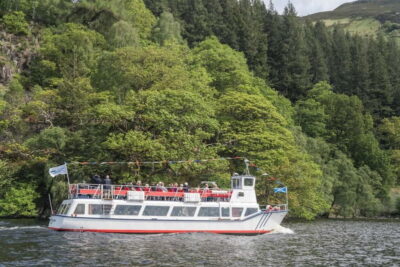
Glasgow Tours, compared.
 ★ 4.9From Glasgow: Oban, Glencoe, Highland Lochs & Castles TourFrom $392,123 reviews
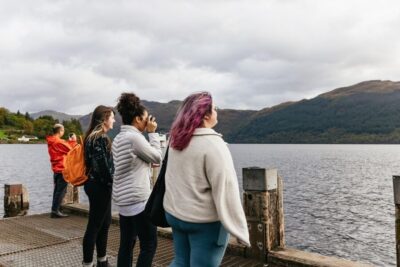
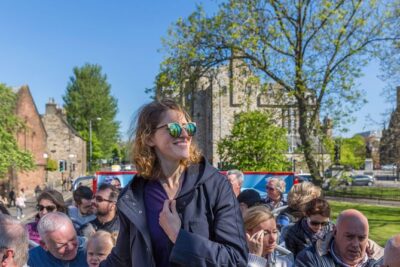 ★ 4.5City Sightseeing Glasgow Hop-On Hop-Off Bus TourFrom $271,873 reviews
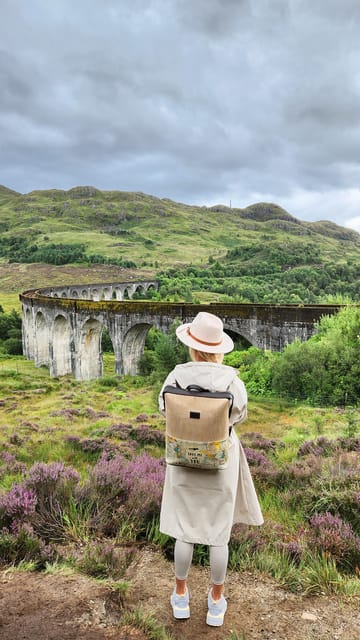 ★ 4.7From Glasgow: Glenfinnan, Fort William, and Glencoe Day TripFrom $911,753 reviews
 ★ 4.6From Glasgow: Loch Ness, Glencoe and the Highlands TourFrom $651,746 reviews
 ★ 4.8Glasgow: Loch Ness, Glencoe and Highlands Tour with CruiseFrom $651,742 reviews
 ★ 5.0Oban, Glencoe, Highlands Lochs & Castles Small Group Day Tour from GlasgowFrom $501,432 reviews
 ★ 4.7From Glasgow: Loch Lomond, Trossachs & Stirling Castle TourFrom $711,397 reviews
 ★ 5.0Glasgow City Centre Walking Tour with Local GuideFrom $161,326 reviews
Also filed under