
REVIEW · LIVERPOOL & THE MERSEY WATERFRONT
Liverpool: Haunted History Guided City Tour
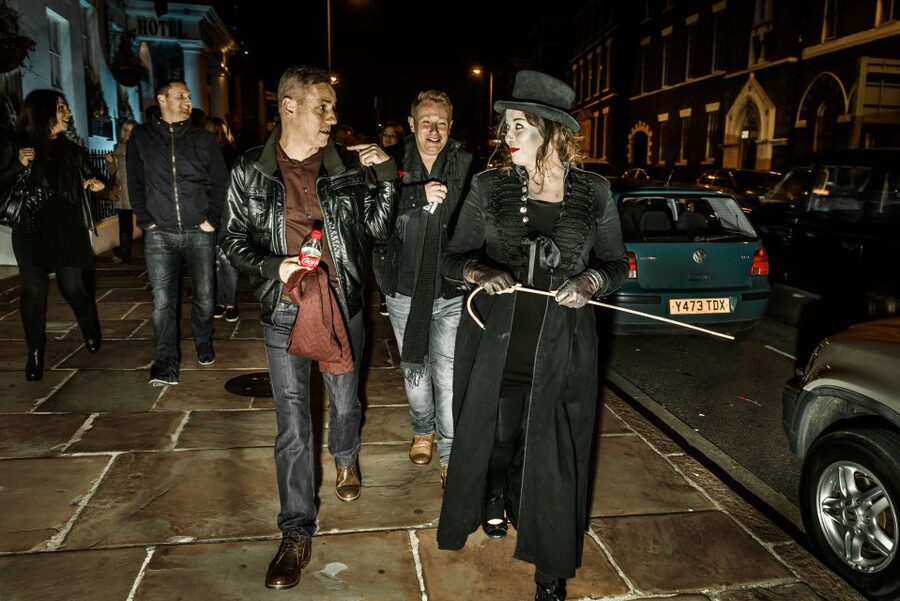
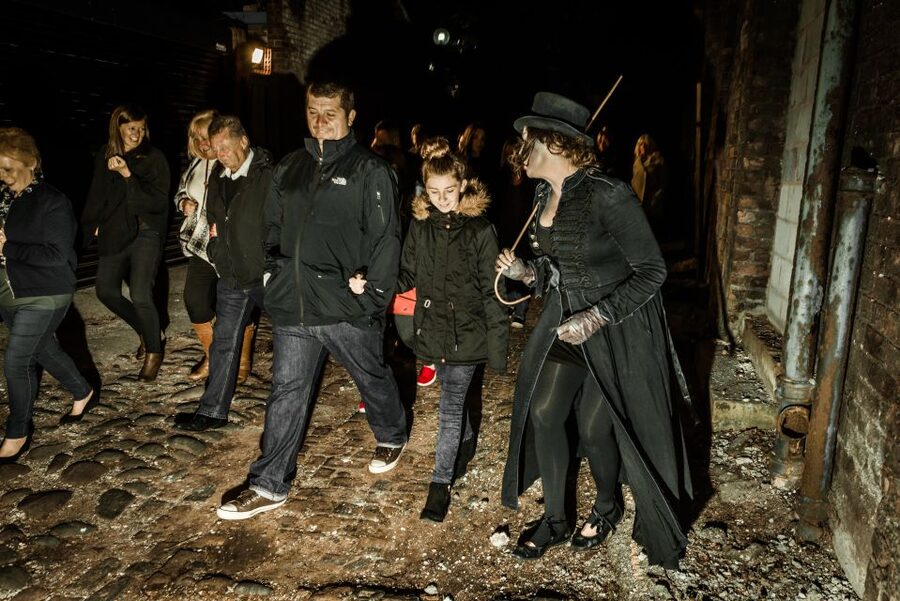
Hope Street gets a scary, funny makeover. This Haunted History tour turns Liverpool’s streets into a live walking performance, with actors in character and real local landmarks stitched into one story. I love the two-cathedral route plus the way the guides build atmosphere without dragging.
My favorite part is the mix of laughs and genuinely dark details, including ghost stories tied to the city. Guides like Chilla Black and Meryl Creep help keep the pace light, even when the rain makes the pavement slick. One drawback to plan for: the tour is not suitable for wheelchair users and it involves steady walking on streets and paths.
In This Review
- Why This Haunted History Walk Feels Like Theater, Not a Lecture
- Key Highlights That Make This Tour Worth Your Evening
- Starting at the Philharmonic: Where the Story Begins
- Liverpool Metropolitan Cathedral: The First Cathedral Stop and the Gothic Mood
- Wellington Rooms: A Stop That Keeps the Underbelly Theme Moving
- Rodney Street Conservation Area: Where the City Looks Historic, Even When You’re Moving
- Everyman Theatre Area and Hope Street: The Haunted Street Walk
- Liverpool Cathedral: Big Architecture, Bigger Final Stories
- St James Memorial Cemetery and the 58,000 Souls Ending
- Price and Value: What $26 Gets You for 90 Minutes
- What to Bring, What to Skip, and How to Dress for the Walk
- Who This Haunted Tour Is Best For
- Should You Book This Liverpool Haunted History Tour?
- FAQ
- Where do I meet the guide?
- How long is the tour?
- What’s included in the experience?
- What should I bring and wear?
- Is it suitable for wheelchair users?
- Are pets allowed?
Why This Haunted History Walk Feels Like Theater, Not a Lecture
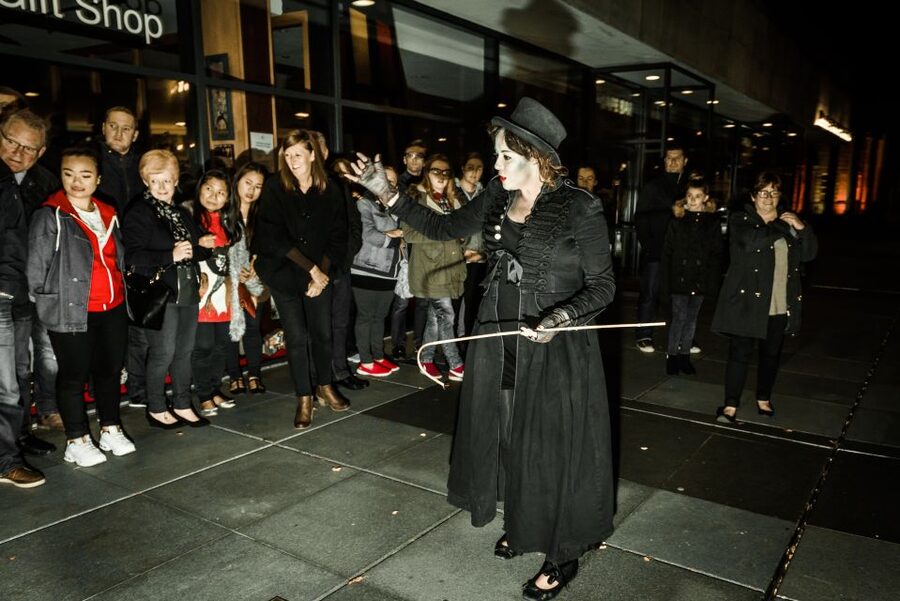
Liverpool has plenty of history tours. This one works because it acts like a show, not a slideshow. You start on Hope Street outside the famous Philharmonic area and you’re guided through a chain of places that people in Liverpool still talk about with a mix of pride, fear, and humor.
The format is simple: you walk, you stop, you listen, and the story keeps moving. The guides stay in performance mode for much of the evening, which is why it feels so different from most city walks. Even when the weather turns, the energy tends to hold.
Value also plays a role. At about $26 for 1.5 hours, you’re paying for guided storytelling plus theatrical elements. Included items like coffins and personalized headstones add to the show feel without making it complicated.
More of Liverpool, docks included
- Liverpool: Liverpool Football Club Museum and Stadium Tour
★ 4.8 · 10,764 reviews - Liverpool: “Blue Route” – City & Beatles Tour
★ 5.0 · 8,562 reviews - Liverpool: City & Beatles Tour with Live Guide & Live Music
★ 4.8 · 5,249 reviews
Key Highlights That Make This Tour Worth Your Evening
- Two awe-inspiring cathedrals in one compact walk, not a long hop-across-town plan
- Hope Street at night, walking the area tied to Liverpool’s most haunted reputation in the Northwest
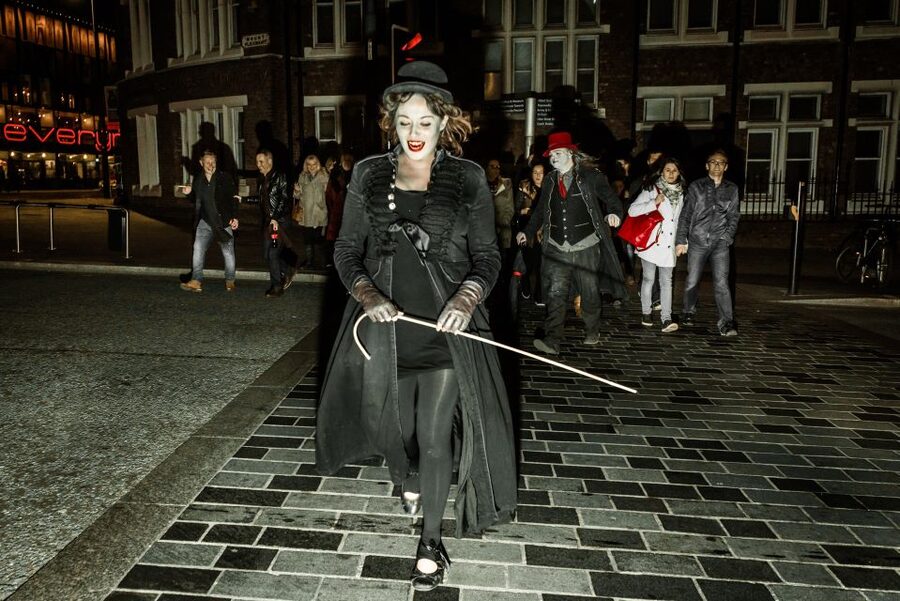
- Live performances by your guides who stay in character and pull the group along
- Landmark stops like the Everyman Theatre area and the Rodney Street Conservation Area
- A cemetery finish where stories culminate at St James Memorial Cemetery, tied to 58,000 souls
Starting at the Philharmonic: Where the Story Begins
You meet outside the Philharmonic Pub on Hope Street. That matters because the tour starts in the neighborhood atmosphere right away, before you even hit the first major stop. If you like tours that get you oriented quickly, this one does. It also means you’re not starting across the city and trying to guess where to walk next.
This is also where the tone sets itself. The guides build a creepy-funny rhythm early, and they tend to keep checking that everyone in your group can hear. If you’re traveling solo, this start location helps because the group gathers naturally in a lively area instead of a quiet street corner.
Practical tip: wear comfortable shoes. The tour is short, but it is still a walking route through real city streets, and you’ll feel it if your footwear isn’t up to the job.
Liverpool Metropolitan Cathedral: The First Cathedral Stop and the Gothic Mood
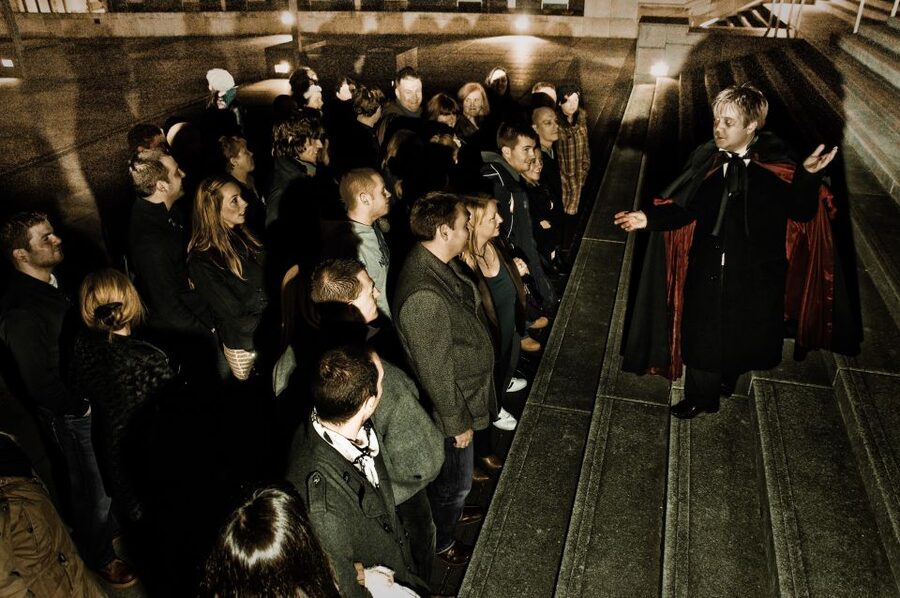
The first cathedral stop is Liverpool Metropolitan Cathedral. This is one of the big visual anchors of the evening because it shifts you from regular street life into a setting that naturally supports darker storytelling. Even if you’re not into architecture tours, cathedrals change how sound travels and how people stand, which helps the guides keep the scene alive.
Expect a pause where the narration links the physical space to the stories being told. The guides use the cathedral setting to build credibility and mood, so the walking doesn’t feel random. You’re not just passing buildings, you’re learning why the city’s places are remembered.
Possible consideration: if you’re hoping for a long sit-down performance, this stop is still part of a walking tour. You get time to absorb the setting, but you’re moving on fairly soon.
More after-dark walks with a body count



Wellington Rooms: A Stop That Keeps the Underbelly Theme Moving
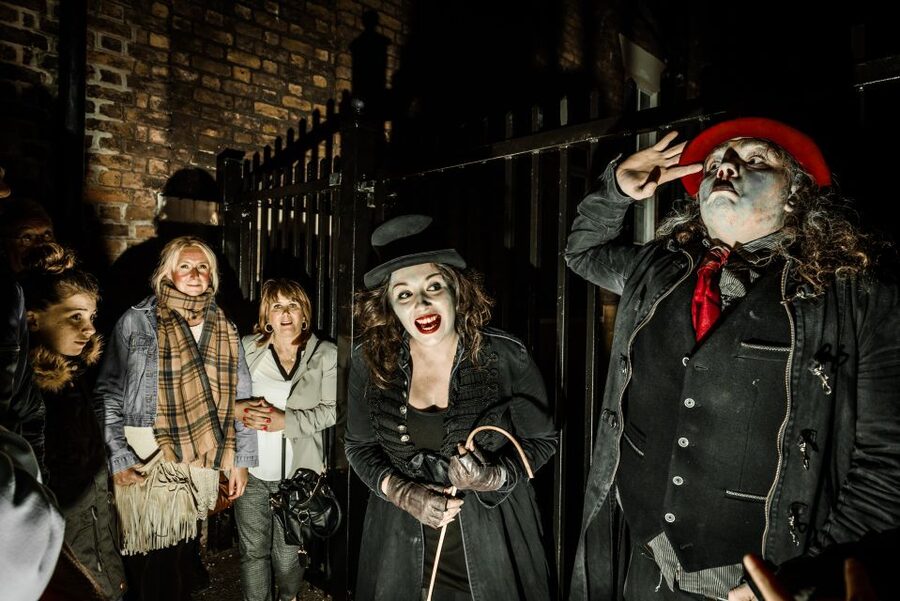
Next you walk to the Wellington Rooms. This is another moment where the tour leans into the idea that Liverpool’s past is layered, not neat. The guides use stops like this to connect themes across different corners of the city, so the story threads stay coherent.
Even without a museum feel, the pause helps you look at the building like it’s part of the plot. If you enjoy urban storytelling, these in-between stops are often what make the tour feel “alive,” since you’re not only seeing the headline sites.
Keep an eye on the pace. People who rush through tours sometimes miss these smaller pauses. Take a few seconds to look around and you’ll get more out of it.
Rodney Street Conservation Area: Where the City Looks Historic, Even When You’re Moving
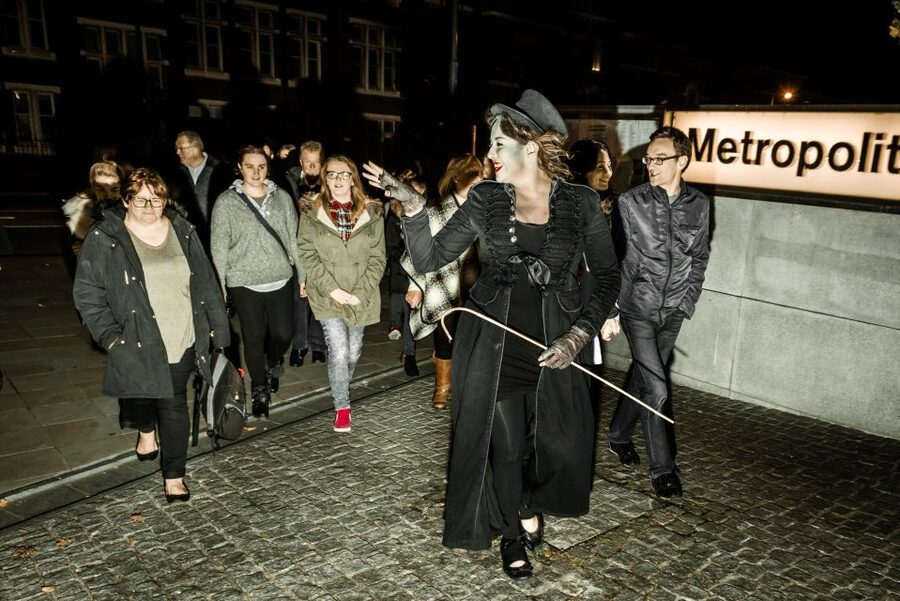
Then you move into the Rodney Street area, specifically the Conservation Area. This is a strong match for the tour’s style because conservation streets tend to keep old building forms visible, and that helps the story land.
This is also a stretch where you’re likely to hear about well-known locals and other strange chapters of the city’s past. The guides share connections like the building where John Lennon lived for three years, plus a story tied to Hitler’s brother hiding to avoid conscription. Those aren’t random trivia facts. They’re used as stepping-stones to show how Liverpool’s history connects to people and events that would feel out of place if you only knew the city as modern pop culture.
What I like about stops like Rodney Street: they give you visual variety. You get cathedral scale, then you get street texture, then you’re back on Hope Street again.
Everyman Theatre Area and Hope Street: The Haunted Street Walk
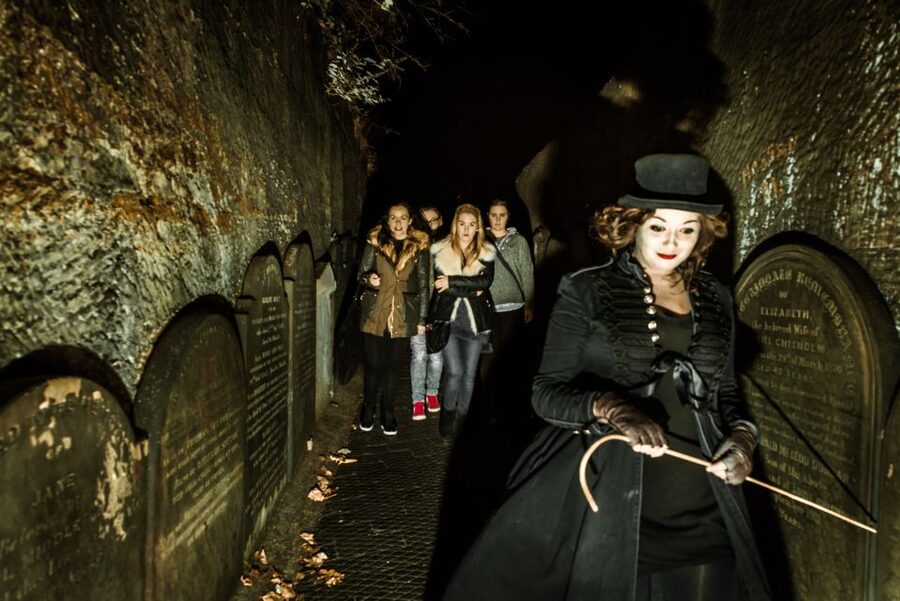
As you continue, the tour passes the Everyman Theatre and then heads down Hope Street. Hope Street is the backbone of the entire experience, which is why this part of the walk feels like the tour is working at full volume.
Expect a “dark side of the city” mood that fits the reputation of this street. You’re hearing the guide’s stories in a place that already feels story-ready, and the route makes it easy to picture older Liverpool life. This is also where the guides tend to build the most dramatic turns, including the city’s most famous ghost story as you get closer to the final cemetery area.
If you’re traveling with friends, this is often the stretch where people laugh, then get quiet for a moment when the story pivots. That push-pull between comedy and creep is one of the reasons the tour scores so high with lots of different ages and group types.
Liverpool Cathedral: Big Architecture, Bigger Final Stories
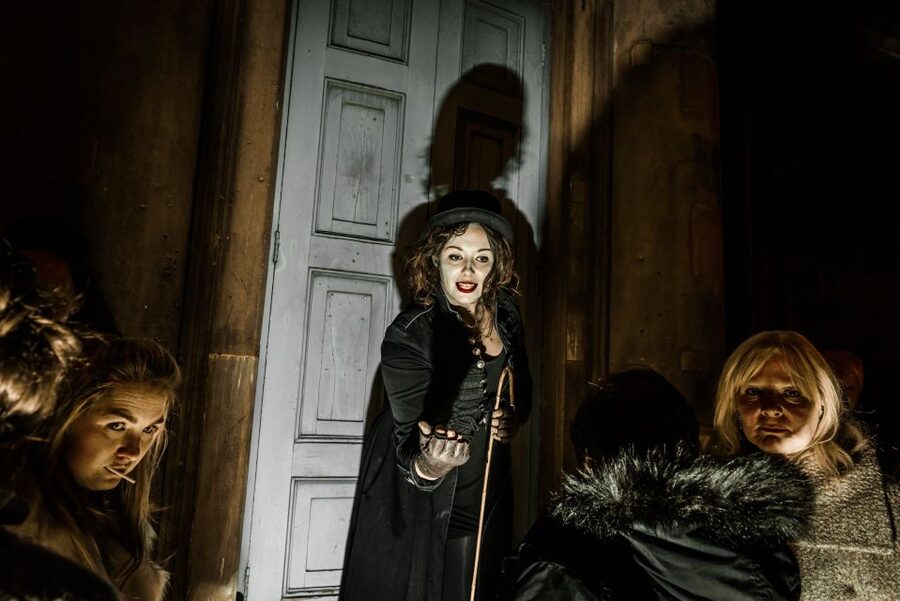
After Hope Street, you reach Liverpool Cathedral. This stop feels like the “climax building,” even though the tour stays only 1.5 hours total. The cathedral’s size and presence help the guides land the final scenes without rushing.
This is also where the narration shifts toward plague-era themes. You can expect stories tied to the black plague, which adds a historical weight to the evening that goes beyond ghostly drama. The point is not to turn this into a textbook. It’s to help you understand why people fear what they fear and why certain stories survive in a city’s memory.
Practical consideration: if you dislike crowds or tight spaces, keep your group position in mind. The route is short, but cathedrals draw foot traffic even during quieter hours.
St James Memorial Cemetery and the 58,000 Souls Ending
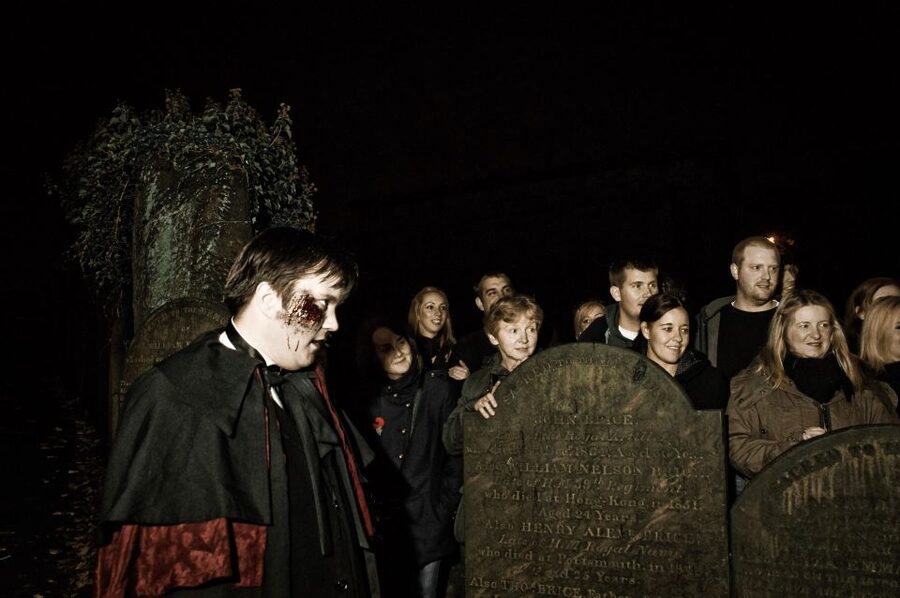
The walk culminates near St James Memorial Cemetery. The tour framing here is striking: you end in the area tied to 58,000 souls buried there. That cemetery finish is the part that makes the evening feel more meaningful than just spooky entertainment.
Expect a gothic Anglican cathedral cemetery setting that supports the climax of the tour story. The guides share what’s happening in the final phase like you’re walking toward a payoff, and the ghost story lands here with its strongest atmosphere.
This is also where the included theatrical elements can make the ending feel extra staged. Coffins and personalized headstones are part of what you’re paying for, and you’ll feel the effect most as you get to the cemetery moment.
If you’re someone who likes your hauntings rooted in real places, this ending delivers. It turns an urban walk into something closer to a night out with a theme and a place-based finale.
Price and Value: What $26 Gets You for 90 Minutes
At around $26 per person for a 1.5-hour tour, the value depends on what you want from your evening. If you want a basic facts-and-photos city walk, it might feel too theatrical for your taste. If you want a short night activity that blends humor, acting, and city landmarks, this is priced like a bargain.
What makes it good value is the combination:
- Two major cathedral stops plus key street areas
- Live guiding in English
- Theatrical inclusions like coffins and personalized headstones
- A route that stays concentrated on foot
You also avoid extra planning. You’re not juggling multiple tickets or figuring out how to connect sites across town. The walk stitches it together for you, which is part of why the time feels used well.
What to Bring, What to Skip, and How to Dress for the Walk
This tour is simple to prepare for, but you should take weather and comfort seriously. Bring comfortable shoes and dress for the conditions you’ll face on Hope Street and around the cathedrals.
The tour also has clear rules:
- Not allowed: high-heeled shoes, pets (assistance dogs allowed), alcohol and drugs
- Expect a walking format, so pack accordingly
If you’re sensitive to cold or wet weather, consider layers. The guided show is short, but you’ll be outside moving between stops.
Who This Haunted Tour Is Best For
This is a strong fit for:
- People who like street-level storytelling and acting
- Visitors who want to see Liverpool in an evening without planning multiple stops
- Anyone who likes spooky tales that are more fun than terrifying
It also tends to work well for families, including kids around school age, because the tone is theatrical and social. Even when the stories get dark, the guides use humor and crowd interaction to keep the experience upbeat.
Who should reconsider:
- Anyone who needs wheelchair accessibility, since the tour is listed as not suitable for wheelchair users
- People who want pure history only, with no performance elements
Should You Book This Liverpool Haunted History Tour?
I think it’s worth booking if you want a short, entertaining way to experience Liverpool after dark with real landmarks and a clear story arc. The price makes it easy to justify for a single night activity, and the two-cathedral route plus the cemetery ending gives you variety in just 90 minutes.
Book it if you enjoy guides who actually perform and keep the group moving, and if you’re happy to trade museum calm for a lively walking show. I’d skip it if you want a quiet, strictly factual tour with minimal theatrics, or if walking on city streets for about an hour and a half is a problem for you.
If you do book, wear good shoes, keep your phone charged for photos at cathedral stops, and be ready for a tour that treats Hope Street like the main character.
FAQ
Where do I meet the guide?
Meet your guide outside the Philharmonic Pub on Hope Street.
How long is the tour?
The tour lasts 1.5 hours.
What’s included in the experience?
You get a theatrical guided tour, including coffins and personalized headstones.
What should I bring and wear?
Bring comfortable shoes and weather-appropriate clothing.
Is it suitable for wheelchair users?
No. The tour is not suitable for wheelchair users.
Are pets allowed?
Pets are not allowed, but assistance dogs are allowed.
Ghost Walks After Dark
- Liverpool Ghost Walking Tour★ 5.0 · 862 reviews
- Tales from the Necropolis – A Ghost Walk Through St. James Cemetery★ 5.0 · 263 reviews
- Liverpool: St James’ Cemetery Historical Ghost Tour★ 4.9 · 169 reviews
Liverpool and the Waterfront
- Liverpool: Liverpool Football Club Museum and Stadium Tour★ 4.8 · 10,764 reviews
- Liverpool: “Blue Route” – City & Beatles Tour★ 5.0 · 8,562 reviews
- Liverpool: City & Beatles Tour with Live Guide & Live Music★ 4.8 · 5,249 reviews
- Liverpool: The Beatles Story Ticket★ 4.7 · 4,197 reviews
Fresh off the Liverpool review pile




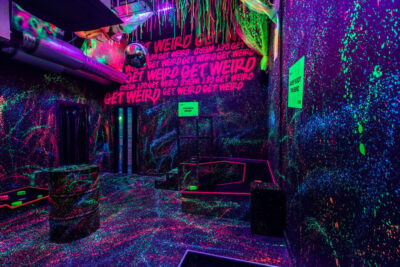

Liverpool & the Mersey Waterfront, compared.
 ★ 4.8Liverpool: Liverpool Football Club Museum and Stadium TourFrom $3310,764 reviews
 ★ 5.0Liverpool: “Blue Route” – City & Beatles TourFrom $278,562 reviews
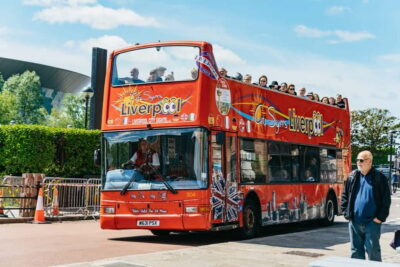 ★ 4.8Liverpool: City & Beatles Tour with Live Guide & Live MusicFrom $295,249 reviews
 ★ 4.7Liverpool: The Beatles Story TicketFrom $264,197 reviews
 ★ 4.4Liverpool: Sightseeing River Cruise on the Mersey RiverFrom $173,427 reviews
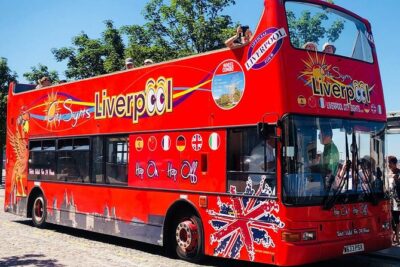 ★ 4.5Liverpool City Sights Hop On Hop Off City Tour – 24hr TicketFrom $192,555 reviews
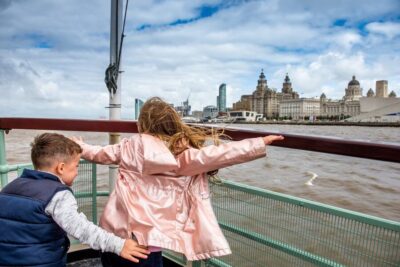 ★ 4.5Liverpool: River Cruise and Hop-On Hop-Off Bus TourFrom $331,864 reviews
 ★ 4.0Liverpool: 50-Minute Mersey River CruiseFrom $171,232 reviews