
REVIEW · LIVERPOOL & THE MERSEY WATERFRONT
Liverpool Music Icons Tour with Nasher from Frankie Goes to Hollywood
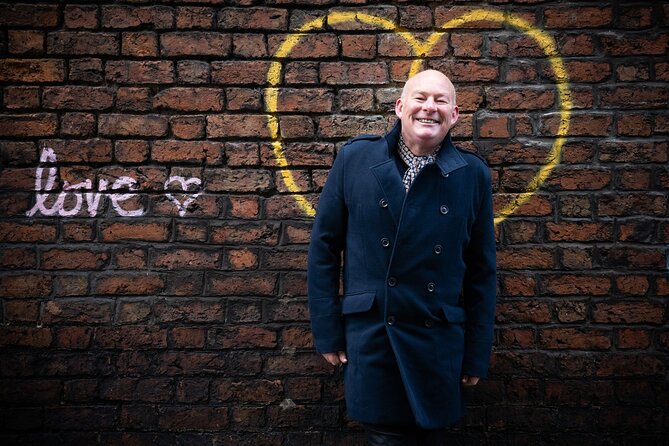
Liverpool sounds better when Nasher talks. This small-group walking tour led by Brian Nasher Nash of Frankie Goes to Hollywood turns Central Liverpool into a story you can follow on foot, with personal details you will not get from a standard stop-and-snap sightseeing loop. I especially liked the insider vibe that comes from a working musician guiding the way.
What really won me over was the tour’s stop choices. You start at LIPA, tied to Paul McCartney, then move through music spaces connected to dance culture and the next waves of Liverpool bands, including rehearsal rooms tied to acts you can still hear today. I also liked the way Nasher connects landmarks to how scenes actually form, from studios to pubs and hangouts.
One thing to consider: this is not a Beatles-only tour. If you are mainly chasing early-60s history, you may find yourself wishing for more of that angle, because the focus leans hard into the later scenes that shaped the 80s and beyond.
In This Review
- Key highlights if you want this tour for the right reasons
- A musician-led walk that feels personal, not scripted
- Starting at Liverpool Institute for Performing Arts (LIPA) and Paul McCartney’s school
- Central Liverpool’s music spaces: studios, superclub history, and Probe Records
- Ministry and Crash Rehearsal Rooms, plus the bands that used them
- Mathew Street close: complimentary drink, Q&A, and a take-home souvenir
- Price and value: what $82.62 gets you in real terms
- Who should book this Liverpool Music Icons Tour
- Should you book it?
- FAQ
- Where does the tour start and end?
- What time does the tour begin?
- How long is the experience?
- How big is the group?
- Is there a drink or food included?
- What is included in the price?
- Is a mobile ticket used?
- Can I cancel for free?
- Is the tour suitable for people with limited mobility?
Key highlights if you want this tour for the right reasons
- Brian Nasher Nash leads it with a personal, musician-to-musician perspective
- Small group (max 12) keeps the walk relaxed and conversation-friendly
- Central Liverpool, gently paced with a focus on music places, not generic sights
- LIPA, studios, superclub history, and rehearsal rooms connect Liverpool scenes across decades
- A closing pub chat at Mathew Street with a complimentary drink and time for questions
- Memorabilia included as a small bonus to take home
Other music trails through the same streets
- Liverpool: City & Beatles Tour with Live Guide & Live Music
★ 4.8 · 5,249 reviews - Liverpool: British Music Experience Ticket
★ 4.7 · 686 reviews - Skip-the-Line in The National Museum of Popular Music Ticket
★ 4.5 · 205 reviews
A musician-led walk that feels personal, not scripted
Liverpool is famous for The Beatles, sure. But Liverpool’s music story is way bigger than one era, and this tour is built around that truth. What makes it fun is that you are not just looking at buildings. You are hearing how a musician thinks, remembers, and explains the in-between stuff, like where people met, how rehearsals worked, and why certain rooms mattered.
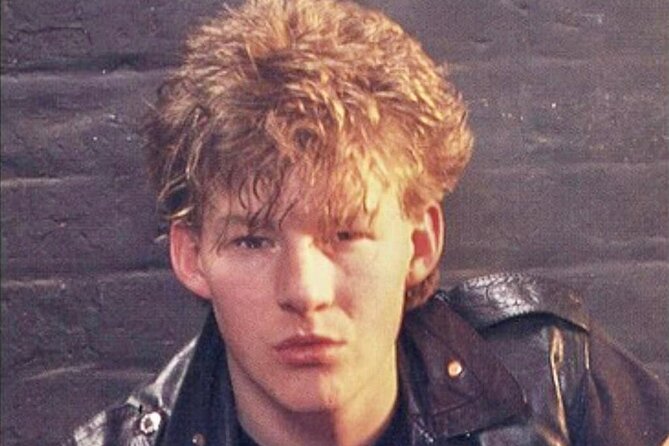
I love that the guide is Brian Nasher Nash, a guitarist from Frankie Goes to Hollywood. That matters more than you might think. When the person talking has lived through the momentum of a global hit era, the stories tend to feel grounded. You get the “why” behind the music world you are seeing, not just dates and names.
Also, the pace is easy and slow. This is a real walking tour, not a speed-city sprint. It is designed so you can look, listen, and ask questions without feeling rushed.
If you want a travel day that blends music fandom with local context, this hits the sweet spot.
Starting at Liverpool Institute for Performing Arts (LIPA) and Paul McCartney’s school

You begin at Liverpool Institute for Performing Arts (LIPA) on Mount Street, right in central Liverpool. It is a good opening because it sets a theme right away: Liverpool is not only about past fame, it is also about training and making music as a career.
LIPA has a direct connection to Paul McCartney, and that link gives you an anchor point before the tour moves into more niche, scene-specific places. Standing outside a place tied to his school helps you frame what you are about to hear: Liverpool has always had people learning their craft close to where the music culture formed.
From there, the tone changes from “famous names, famous history” to “how the city actually runs on music.” That shift is part of the value. You will spend the rest of the walk learning why certain streets and rooms became gathering points long before the tourists caught up.
Practical tip: start the walk ready to look up and around. This tour pays attention to location and atmosphere, not just the big headline spots.
Central Liverpool’s music spaces: studios, superclub history, and Probe Records
After LIPA, the walk moves through central Liverpool with Brian Nash guiding you to sites most visitors skip. The tour keeps it gently paced, with time to absorb each stop and hear how it connects to his personal path and the wider 80s scene.
One of the most interesting things you hear about is the presence of major music infrastructure in Liverpool itself. The tour includes reference to the biggest studio complex outside London, which is a reminder that Liverpool had serious recording muscle, not just talent.
You also get history tied to dance culture, including mention of the first UK super club that helped change how dance music took shape in the UK. That is a powerful idea when you are standing in the city, because it reframes Liverpool as a place that exported energy and sound, not just a place that produced bands.
Then comes a very Liverpool detail: Probe Records. You will see the location associated with Probe Records, described as the home of the second wave of Liverpool groups across the 1970s, 1980s, and 1990s. This is the kind of local music fact that feels like a secret handshake. It also helps you understand why Liverpool could keep producing waves of acts instead of leveling off after one breakthrough moment.
What I like about stops like this is that they turn the city into a map of scenes. You stop thinking of music as something that happens in studios alone. You start seeing it as a system made of rooms, labels, rehearsals, and people who knew where to be.
Comfort note: because this section includes multiple kinds of music-related stops, expect a lot of short walking segments and frequent stops for stories. Good shoes help.
More of Liverpool, docks included




Ministry and Crash Rehearsal Rooms, plus the bands that used them
The tour’s strongest “music nerd” payoff is the rehearsal-room angle. You will visit Ministry Rehearsal Rooms and Crash rehearsal rooms, both connected to bands that rehearsed there.
This is where the experience feels especially authentic. Studios and stages are flashy, but rehearsal rooms are where the work happens. They are the places bands test ideas, build tightness, and develop the sound that later fills venues. When your guide points at rehearsal spaces, you start to see how a scene becomes real.
The names attached to these rooms are a big part of the appeal. You are told that many bands rehearsed at these locations, including Frankie Goes to Hollywood, The Farm, The La’s, Space, Cast, Flock of Seagulls, China Crisis, The Zutons, The Lightning Seeds, The Wombats, and Shack.
Even if you are not a completist on that list, you will recognize that this is a mix of eras and styles. That matters because Liverpool’s music output was not locked into one sound. It had range, and those rooms supported that growth.
One small caution: if you already know all the bands and you wanted a tour built only around your favorite one group, this could feel like a lot of names. The way to make it work is simple, pick 2 to 3 bands you care about most, then listen for the parts that connect them to the places.
This is also where Nasher’s personality shows up. The tour is built around his personal musical journey to fame, so you are not just watching a slideshow of facts. You are hearing how those places fed the path from local scene to global attention.
Mathew Street close: complimentary drink, Q&A, and a take-home souvenir
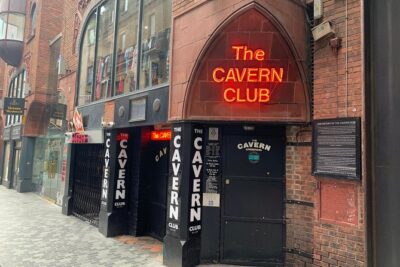
You finish at Mathew Street, one of the most iconic parts of central Liverpool for music atmosphere. The ending is built for conversation, not just closure.
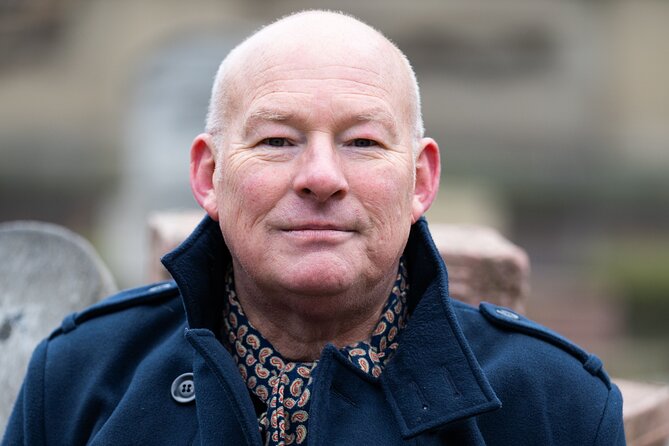
At the end, you get a personal chat with your musical icon over a complimentary drink at an iconic pub. This is the part where the small-group format really pays off. With a maximum group size of 12, you are more likely to ask a question and actually get a full answer.
You also get time for pictures, selfies, and potentially memorabilia signing, depending on what is offered during your session. On top of that, you receive a free item of memorabilia as part of the experience.
I like endings like this because they shift the day from “tour mode” to “human mode.” A guided walk is great, but music stories often land best when you can ask follow-ups like how scenes felt in real time, what it was like adjusting to fame, or how rehearsal culture shaped performance.
Practical tip: if you care about a specific question, jot it down before you reach the pub. Ending-time questions can move fast, and it is easy to forget what you wanted to ask.
Price and value: what $82.62 gets you in real terms
The price is $82.62 per person, and the tour runs about 2 hours 45 minutes. On paper, that may sound like a “pay for a guide” rate. In practice, you are paying for more than a map.
Here is the value math that matters:
- You get a high-authority guide with direct ties to the music scene you are hearing about, not a generic host
- You get a small group size (max 12), which makes it easier to ask questions and hear details clearly
- You get multiple music-relevant stops that would be hard to connect on your own without a guide explaining what each place meant
Also, the tour is described as featuring a mobile ticket and a fixed start time. That tends to reduce friction. You show up, check in, and spend your time listening.
Is it a bargain compared to a free self-guided stroll? Obviously no. But it is also not trying to replace walking around on your own. It is offering something most DIY trips cannot: a consistent narrative, tied to real places and a real person’s journey.
If you love 80s music scenes, or you like tours where the guide has actual lived experience, this price can feel fair fast.
Who should book this Liverpool Music Icons Tour
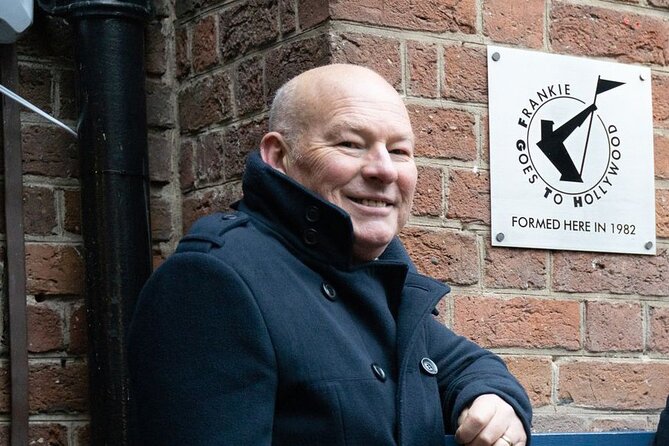
This is a good fit if you:
- Like music history that tracks how scenes formed, not just famous names
- Want a guided walk with a relaxed pace and room to talk
- Are interested in the 80s and later Liverpool music ecosystem, including rehearsal rooms and dance culture
- Enjoy hearing stories from working musicians, not only professional tour storytellers
You might want to skip or consider whether it matches your interests if:
- You only care about Beatles-era Liverpool
- You want a museum-style experience with lots of indoor time (this is primarily a walking tour)
One more practical note: it is near public transportation, and the meeting points are in central areas. That makes it easier to pair with other stops the same day.
Should you book it?
If you want Liverpool music history that feels lived-in, this tour is an easy yes. The strongest selling point is Brian Nasher Nash leading the experience, because it turns ordinary street-level sightseeing into a guided story with real connections. The second big reason to book is the stop selection, especially the shift into studios, superclub history, Probe Records, and rehearsal rooms like Ministry and Crash.
Book it if your idea of a great day is: comfortable walking, great conversation, and music places tied to the people who helped shape them.
If you are chasing only early-60s Beatlemania lore, you might be happier with a more Beatles-centered day. But if you want the bigger Liverpool picture across decades, this is one of the more satisfying ways to get it without feeling like you are cramming.
FAQ
Where does the tour start and end?
It starts at the Liverpool Institute for Performing Arts on Mount Street, Liverpool L1 9HF, and it ends at Mathew Street in central Liverpool.
What time does the tour begin?
The start time listed is 11:00 am.
How long is the experience?
It runs for about 2 hours 45 minutes.
How big is the group?
The tour is limited to a maximum of 12 travelers.
Is there a drink or food included?
A complimentary drink is included at the end during the chat at Mathew Street.
What is included in the price?
The services of Brian Nasher Nash as your tour guide are included, along with the free item of memorabilia mentioned for the end of the tour.
Is a mobile ticket used?
Yes, the tour uses a mobile ticket.
Can I cancel for free?
Yes. You can cancel for a full refund up to 24 hours before the experience starts.
Is the tour suitable for people with limited mobility?
It is described as a walking tour that is easy and slow-paced, and most travelers can participate. The exact suitability depends on your comfort with walking. Service animals are allowed.
Liverpool and the Waterfront
- Liverpool: Liverpool Football Club Museum and Stadium Tour★ 4.8 · 10,764 reviews
- Liverpool: “Blue Route” – City & Beatles Tour★ 5.0 · 8,562 reviews
- Liverpool: City & Beatles Tour with Live Guide & Live Music★ 4.8 · 5,249 reviews
- Liverpool: The Beatles Story Ticket★ 4.7 · 4,197 reviews
Music Tours, Track by Track
- Liverpool: City & Beatles Tour with Live Guide & Live Music★ 4.8 · 5,249 reviews
- Liverpool: British Music Experience Ticket★ 4.7 · 686 reviews
- Skip-the-Line in The National Museum of Popular Music Ticket★ 4.5 · 205 reviews
- Liverpool Music Icons Tour led by a member of 90s band The Farm★ 5.0 · 51 reviews
Fresh off the Liverpool review pile

Liverpool & the Mersey Waterfront, compared.
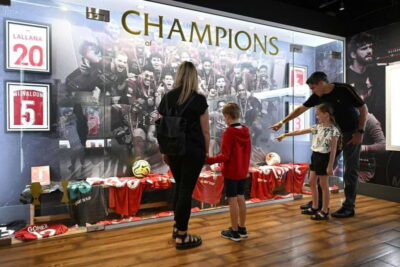 ★ 4.8Liverpool: Liverpool Football Club Museum and Stadium TourFrom $3310,764 reviews
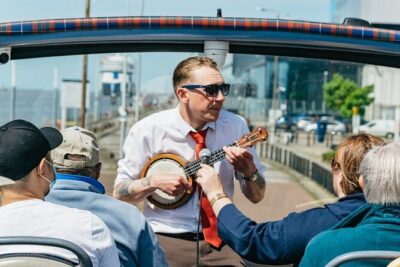 ★ 5.0Liverpool: “Blue Route” – City & Beatles TourFrom $278,562 reviews
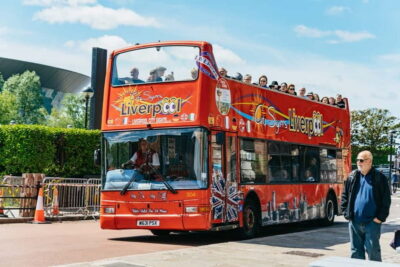 ★ 4.8Liverpool: City & Beatles Tour with Live Guide & Live MusicFrom $295,249 reviews
 ★ 4.7Liverpool: The Beatles Story TicketFrom $264,197 reviews
 ★ 4.4Liverpool: Sightseeing River Cruise on the Mersey RiverFrom $173,427 reviews
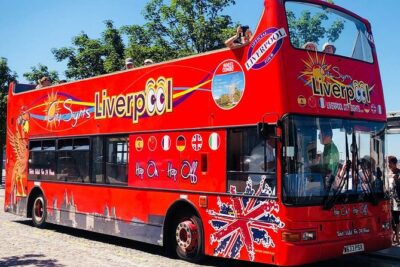 ★ 4.5Liverpool City Sights Hop On Hop Off City Tour – 24hr TicketFrom $192,555 reviews
 ★ 4.5Liverpool: River Cruise and Hop-On Hop-Off Bus TourFrom $331,864 reviews
 ★ 4.0Liverpool: 50-Minute Mersey River CruiseFrom $171,232 reviews
Also filed under