
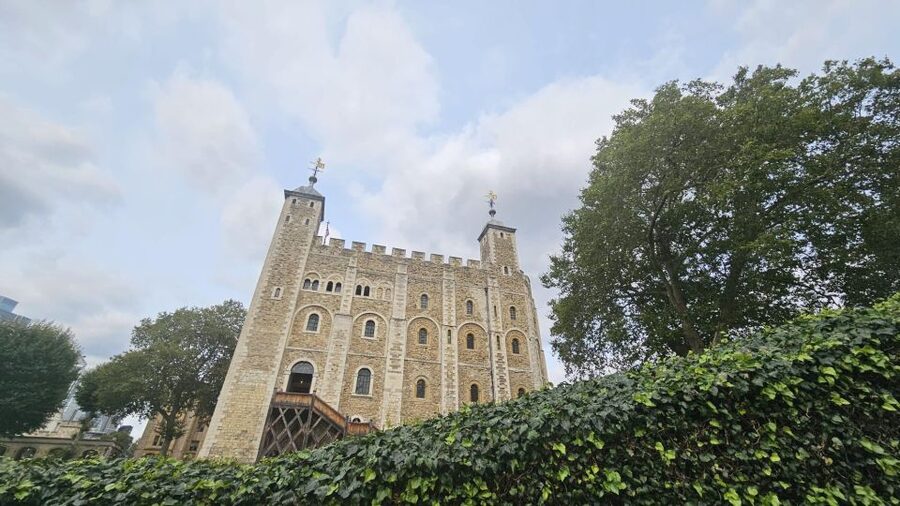
REVIEW · TOWER OF LONDON & THE CROWN JEWELS
London: Easy Access Tower of London and Crown Jewels Tour
Royal power turns violent fast. This Tower of London tour is interesting because you get timed entry and a Blue Badge guide, so you move straight into the fortress story and the Crown Jewels without losing time at the ticket desk. I like that the guide approach keeps things clear, even when the subject matter gets dark.
I also love the way the tour ties places together, from the Tower’s layout to the execution site where Henry VIII’s era becomes real. You’ll hear about famous prisoners like Ann Boleyn, and you’ll spot the fortress features that helped make the Tower feel like a world of its own. And yes, you do get the lighter counterbalance too, with Yeoman Warders, aka Beefeaters, carrying out their duties.
One consideration: this is not a gentle, museum-only day. You’ll visit the torture chambers and see instruments such as the rack, the Scavenger’s Daughter, and manacles, so go in with eyes open if that kind of detail isn’t your thing.
In This Review
- Key Points That Matter Most
- Tower Hill Meet Point and Timed Entry That Saves Your Time
- Blue Badge Guide Stops You From Getting Lost in 900 Years of Stone
- Tower of London Highlights: Architecture First, Then the Grim Stories
- The Execution Site and Ann Boleyn: Where History Gets Personal
- Jewel House and Crown Jewels: Fast Access to the Most Famous Room
- White Tower and Tower Armory: The Military Side of Royal Power
- Ravens and Raven House, Beefeaters at Work: The Friendly Counterweight
- Tower Green, Scaffold Site, and Lower Wakefield Tower: More Than Just One Spot
- Torture Chambers: Rack, Scavenger’s Daughter, and Manacles
- Optional Royal Thames Cruise: A Different Angle on the Day
- Price and Value: What $120 Really Buys in 3 to 4 Hours
- Who This Tour Fits Best, and Who Should Rethink It
- Should You Book This Tower of London Tour?
- FAQ
- What is the meeting point for the Tower Hill tour?
- What time should I arrive?
- How long is the tour?
- Does the tour include entry to the Crown Jewels?
- What Tower sites are included beyond the Crown Jewels?
- Is the Royal Thames cruise included?
- What restrictions should I know before going?
Key Points That Matter Most
- Timed entry, separate entrance: You avoid the long ticket desk line and get moving into the Tower faster.
- Ann Boleyn and the execution site: You get context for the scaffold area and the people tied to it.
- Torture chambers visit: You’ll see the rack, the Scavenger’s Daughter, and other implements.
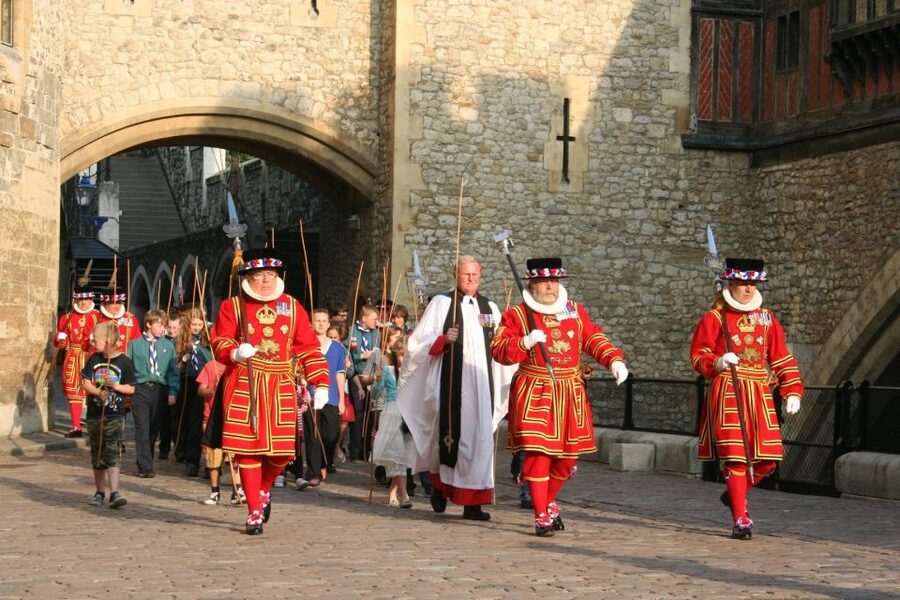
- Beefeaters up close: Yeoman Warders show you the Tower through their daily ceremonial role.
- Ravens at the Raven House: The Tower’s ravens have been there for over 300 years.
- Optional Royal Thames cruise: Some departures add a river segment if that option is selected.
Tower entry and the Jewel House queue
- London: Tower Bridge Entry Ticket
★ 4.7 · 15,560 reviews - Tower of London and Crown Jewels Exhibition Ticket
★ 4.5 · 6,677 reviews - London: Westminster to Tower Bridge River Thames Cruise
★ 4.5 · 6,127 reviews
Tower Hill Meet Point and Timed Entry That Saves Your Time
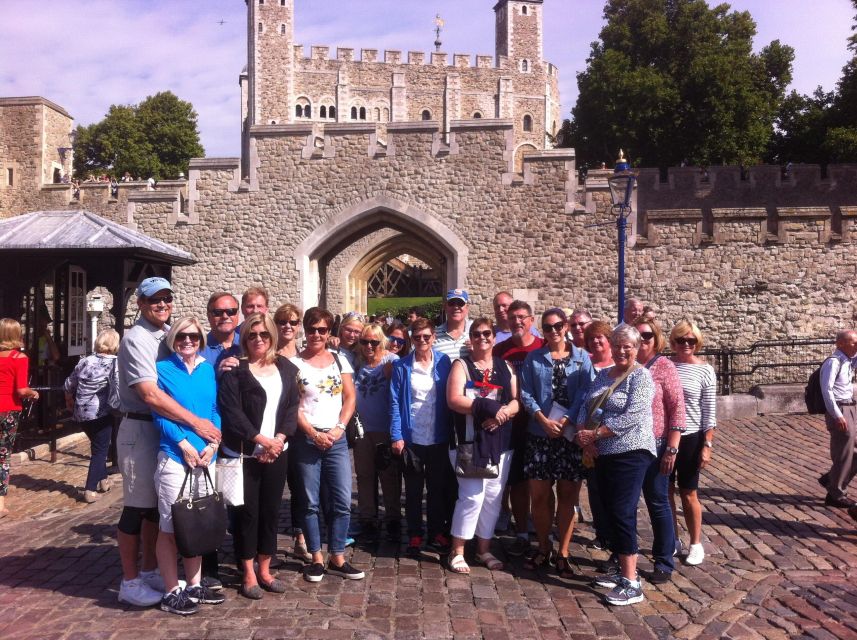
Your day starts at Tower Hill Tube Station, at the Citizen M Hotel (40 Trinity Square, London EC3N 4DJ). You meet outside on the main exit side, between Citizen M Hotel and Trinity Square Gardens, adjacent to the Tower Hill Tram refreshment stand. Plan to arrive 15 minutes early and check in first with your guide, because late arrivals can’t be accommodated and missed tickets can’t be refunded or rescheduled.
The big practical win here is timed entry. Instead of fighting a slow-moving ticket queue, you use a separate entrance tied to your time slot, then get guided access into the Tower sites. For a 3 to 4 hour tour, that time math matters.
Also, this is a walk-heavy experience. Wear comfortable shoes, and expect uneven surfaces, cobblestones, and stairs. The tour runs in all weather, so dress for rain or cold and bring layers you can manage without lugging a huge bag around.
Blue Badge Guide Stops You From Getting Lost in 900 Years of Stone
Once you’re inside, the guide starts with what most people need but don’t know to ask for, a quick orientation. You begin outside the tower with the fortress structure, then transition into how the Tower changed over time into a major royal residence. That matters because without a path and a timeline, the Tower can feel like you’re wandering from one dramatic spot to the next.
This tour is also led by a Blue Badge guide, and that shows in how the information is delivered. In the guide names mentioned in past departures, people like Ben, John, Leon, Miranda, and Warren come up often for a mix of clarity and humor. Even when the topic is brutal, the storytelling stays organized enough that you can follow the logic of how the Tower worked.
If you like asking questions, you’re in a good position. The guide’s job is to connect the dots between buildings, power, and punishment, so you’re not left staring at explanations you can’t place. And because the guide walks you through specific areas, you’re less likely to waste time drifting into the wrong side corridors.
Tower of London Highlights: Architecture First, Then the Grim Stories
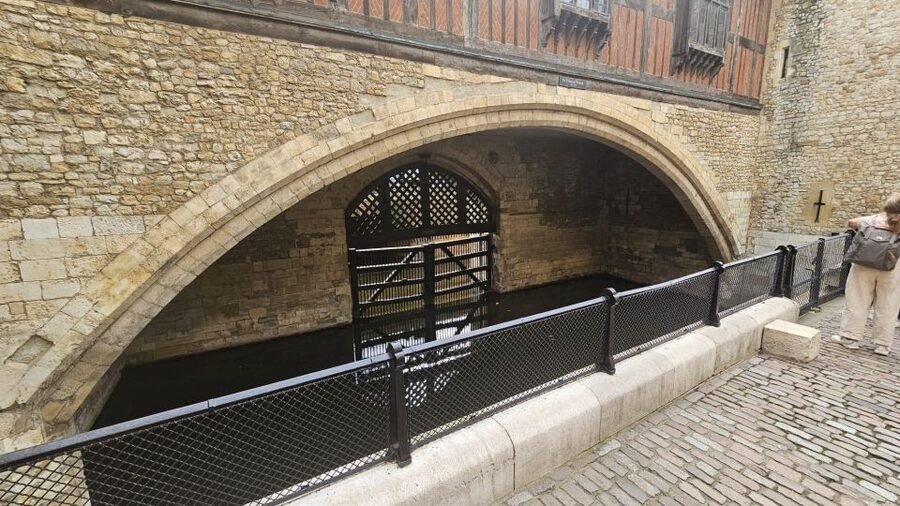
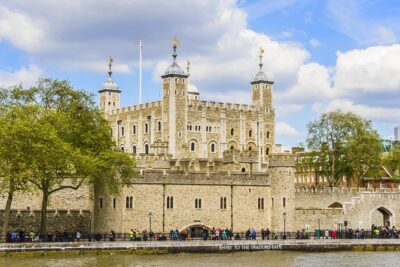
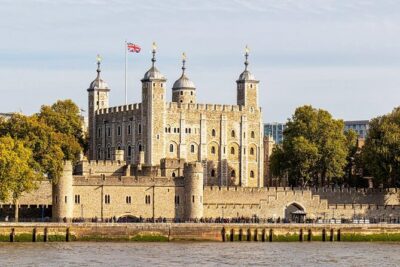
The main guided portion is about 1.5 hours, with a photo stop plus visits through the Tower grounds. This is where you’ll see the defensive layout and get the “why this matters” version of the fortress. The Tower of London isn’t just old, it was built to control people, movement, and fear.
Here’s the tone you should expect. The guide doesn’t shy away from the dark history of imprisonment and executions, including public and private punishments. You’ll hear about famous prisoners, and you’ll walk past the kind of spaces where royal politics and violence overlapped.
A key value of a guided tour here is that the Tower’s layout can be confusing at speed. The guide helps you understand what you’re looking at, and why those stone walls kept happening to the same kinds of people across different reigns. It’s one thing to learn that the Tower had executions. It’s another to stand where the site’s purpose and scale become obvious.
You’ll also get practical “where to look” guidance that helps later when you’re moving through the Jewel House and White Tower areas. Think of the guided block as your Tower map, but narrated.





The Execution Site and Ann Boleyn: Where History Gets Personal
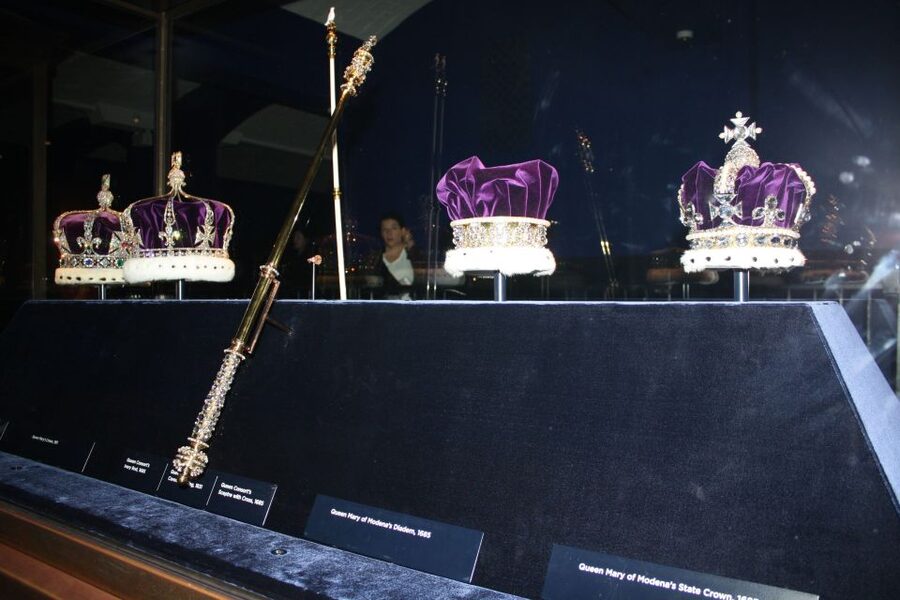
One of the most memorable parts is the stop at the execution site on Tower Green and the scaffold area. This is where the Tower turns from fortress to event space, and where you understand that power wasn’t theoretical. People were imprisoned here, and punishments happened here, with names you recognize from textbooks.
Ann Boleyn is specifically highlighted, and Henry VIII’s second wife is used to anchor the story. You also learn about famous prisoners and what made their stories matter in their era. The guide’s goal is to explain not just what happened, but why the Tower was useful to rulers looking to send a message.
Important note for your expectations: the tone is heavy. If you’re the type who wants a quick sightseeing run, this portion may feel intense. If you want the Tower’s real role in English royal history, this is the part that explains it best.
Jewel House and Crown Jewels: Fast Access to the Most Famous Room
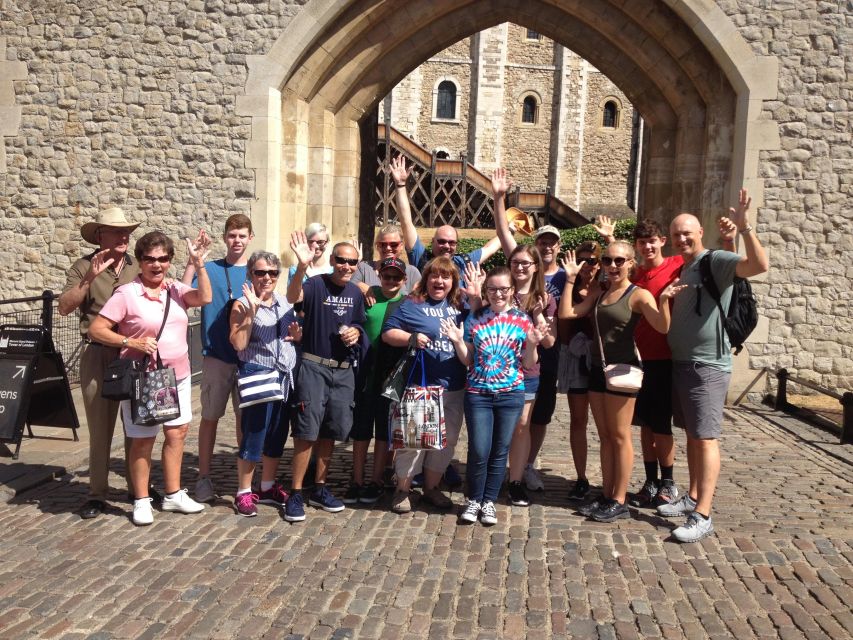
After the first guided circuit, you move into the Jewel House for about 30 minutes, and that timed structure helps. The Crown Jewels are the reason most people come, but they’re also the part where crowds can crush your experience if you arrive late. Getting there as part of a timed plan helps you see the collection with less stress.
In the Jewel House, focus on what the tour gives you that a casual walk-through might not: context. The guide helps you understand what you’re looking at as part of royal power and ceremony, not just expensive objects behind glass. If you’re the type who skims labels, let the guide do the reading for you.
One especially useful detail from this kind of visit is that the Crown Jewels can dominate your entire attention. A guide helps you keep that wonder while still understanding what each item represents. And when your time is limited, that balance is gold.
The payoff is simple: you get to see the collection that defines the Tower, without losing most of your visit to line-waiting.
White Tower and Tower Armory: The Military Side of Royal Power
Next comes time in the White Tower, with about 1 hour of photo stop plus visit time. The White Tower is one of the best “wow” moments because it helps you see the Tower as a fortified royal stronghold, not just a history stop.
You’ll also have access to the Tower Armory during your route. This adds another layer to the story. When you mix the armory with the execution and prisoner narrative, the Tower starts to read like one system: control, threat, and status.
The value here for you is clarity. The Tower can seem like a set of separate exhibits. Guided narration ties them together into one idea, a fortress built for dominance and reinforced through spectacle.
If you’re someone who likes hands-on learning but won’t get it from galleries alone, you’ll appreciate the way the guide points out what mattered in the Tower’s working life. Even the “photo stop” beats usually serve a purpose, giving you a reference point before you continue on.
Ravens and Raven House, Beefeaters at Work: The Friendly Counterweight
Now for the part that surprises a lot of first-timers, the living rituals. You’ll visit the Raven House, and you’ll also see the legendary ravens that have been at the Tower for over 300 years. That long presence makes it feel less like a symbol and more like a real tradition.
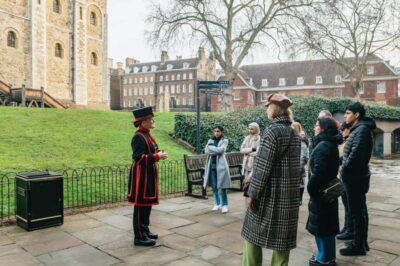
Then there are the Yeoman Warders, often called the Beefeaters. You get to see them up close as they go about their duties. This is more than a photo opportunity. Their presence reinforces that the Tower still functions as an active ceremonial space, even with all the centuries of violence behind it.
This section is a smart breathing pause in a heavy day. After the scaffold and torture chamber stops, the ravens and Beefeaters bring you back to the Tower as a place that still runs, still guards, still holds ceremony. It’s a reminder that the same walls can carry both fear and tradition.
Tower Green, Scaffold Site, and Lower Wakefield Tower: More Than Just One Spot
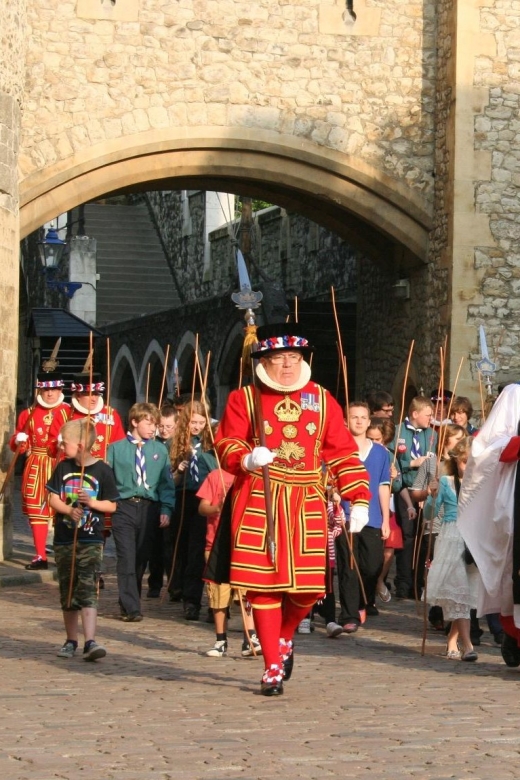
The tour includes Tower Green and the Scaffold Site as well as Lower Wakefield Tower. These stops matter because the Tower’s story isn’t just one dramatic location. It’s a network of spaces that shaped prisoner life and punishment.
Lower Wakefield Tower adds depth by expanding the “where” behind imprisonment. It helps you understand that incarceration wasn’t a single room, it was part of a system. When your guide explains the Tower’s evolution and uses these areas to support the story, the Tower feels less like random ruins and more like a designed machine.
If you’re short on time, guided sequencing also helps here. You won’t have to hunt around for the right entrances or wonder what you’re missing. You’ll see key points that make sense together.
Torture Chambers: Rack, Scavenger’s Daughter, and Manacles
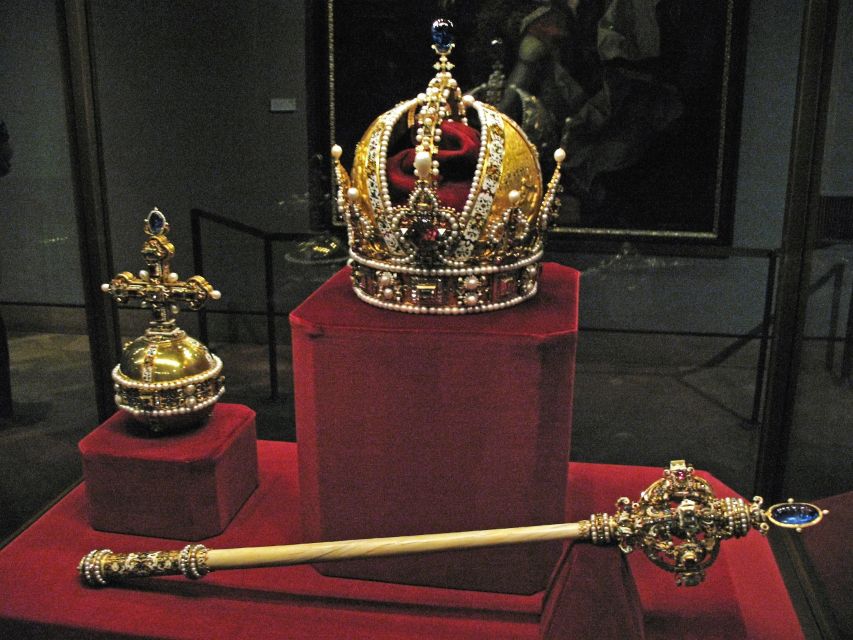
This is the section you should mentally flag before you go. The tour visits the torture chambers and includes close viewing of instruments such as the rack, the Scavenger’s Daughter, and manacles. The goal is not sensational shock value. The goal is to explain how fear and punishment worked in the Tower context.
If you’re sensitive to grim details, it’s fair to say this stop may be uncomfortable. The guide keeps it grounded and explanatory, which can make the content easier to handle than guesswork from random plaques. Still, it’s a real part of the Tower’s reputation.
My practical advice: look away if you need to, and pace yourself. You don’t have to force your eyes onto every implement. The tour still works if you take a step back and let the guide’s narrative carry you through.
Also, because the tour is in all weather, you might feel colder or more alert in open areas before and after this stop. Dress in layers so you’re not shivering through the most intense segment.
Optional Royal Thames Cruise: A Different Angle on the Day
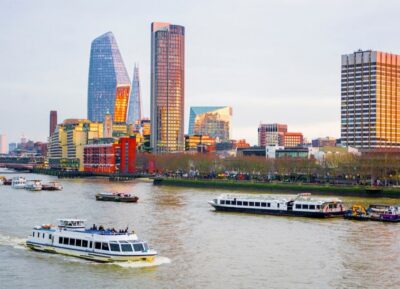
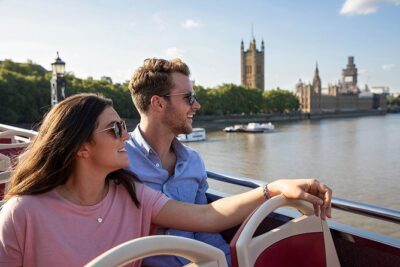
Some departures include an optional Royal Thames cruise connected with Historic Royal Palaces. If you add it, you’ll get a completely different perspective on central London, one that contrasts nicely with the Tower’s fortress mood.
You might find the river segment makes your day feel less like a straight history slog. Instead of more stone corridors, you switch to views, light, and movement. If you’re deciding whether to keep it or skip it, choose based on how much walking you want after the Tower.
If you don’t choose the cruise, you still end with drop-off at Tower Bridge Quay, which puts you in a good position to keep exploring the South Bank area.
Price and Value: What $120 Really Buys in 3 to 4 Hours
At $120 per person for a 3 to 4 hour tour, this is not a budget-only attraction day. What makes it good value is that the price wraps together several admissions plus a guide and time-saving entry.
Included are admissions to:
- Tower of London
- Crown Jewels Exhibition (Jewel House)
- White Tower
- Tower Armory
- Raven House
- Tower Green and the Scaffold Site
- Lower Wakefield Tower
And you get a live English-speaking guide, with language options listed as German, English, Spanish, French, Italian, and Portuguese. If your group includes different language needs, that flexibility is a real plus.
The other value driver is the timed entry. Skip-the-line access is often the difference between enjoying the Crown Jewels and feeling like you’re racing a clock. Here, the schedule is built around getting you into the key rooms while you still have energy.
This tour is ideal when you want one guided package instead of piecing together tickets and deciding your own route. If you love independent exploring, you could visit on your own. But you’d give up the structured sequencing that helps you connect the Tower’s architecture, executions, and Crown Jewels in a single day.
Who This Tour Fits Best, and Who Should Rethink It
This tour fits you best if you:
- Want a guided overview that connects the Tower’s major sites
- Plan to see the Crown Jewels but don’t want to spend your visit stuck in lines
- Like history stories that explain the why behind famous events
It’s less ideal if you:
- Have back problems or mobility impairments
- Need wheelchair access, since wheelchair users are not recommended and accessibility support isn’t guaranteed
- Have to travel with bulky luggage, since oversize luggage and large bags are not allowed
Age also matters. Anyone under 18 must be accompanied by someone aged 18 or older.
If you’re not sure about your fitness level, treat this as a walking tour on uneven surfaces with hills, inclines, declines, and stairs. Plan for comfort first.
Should You Book This Tower of London Tour?
Book it if you want a structured way to see the Tower’s key sites, especially the Crown Jewels, the White Tower, and the execution and torture history zones, all with a guide who keeps the stories organized. The timed entry is a big practical win, and the Beefeaters plus ravens add real personality to a heavy subject.
Skip it if you know you’re uncomfortable with torture chamber details or if mobility limits make uneven stone walking tough for you. In that case, you might be happier with a different style of tour that gives you more flexibility and less intensity.
If your goal is one meaningful Tower day with less waiting and clearer context, this is a strong pick. You’ll leave with the Tower’s drama explained, not just photographed.
FAQ
What is the meeting point for the Tower Hill tour?
You meet at Tower Hill Tube Station, outside the Citizen M Hotel at 40 Trinity Square, London EC3N 4DJ. The guide is outside between Citizen M Hotel and Trinity Square Gardens, adjacent to the Tower Hill Tram refreshment stand, outside the main exit of Tower Hill Underground Station.
What time should I arrive?
Arrive 15 minutes before departure. Late arrivals can’t be accommodated, and missed tours or tickets can’t be refunded or rescheduled.
How long is the tour?
The duration is 3 to 4 hours, depending on the starting time you book.
Does the tour include entry to the Crown Jewels?
Yes. Entry to the Tower of London and the Crown Jewels Exhibition is included.
What Tower sites are included beyond the Crown Jewels?
Included stops and admissions cover the White Tower, Tower Armory, Raven House, Tower Green and the Scaffold Site, and Lower Wakefield Tower.
Is the Royal Thames cruise included?
It’s included only if you select the option for the Royal Thames cruise associated with Historic Royal Palaces.
What restrictions should I know before going?
You should wear comfortable shoes and bring weather-appropriate clothing. Oversize luggage, baby strollers, luggage or large bags, mobility scooters, and non-folding wheelchairs are not allowed. Wheelchairs are not recommended, and the tour is not suitable for people with back problems or mobility impairments.
The Tower, Booked Differently
- London: Tower Bridge Entry Ticket★ 4.7 · 15,560 reviews
- Tower of London and Crown Jewels Exhibition Ticket★ 4.5 · 6,677 reviews
- London: Westminster to Tower Bridge River Thames Cruise★ 4.5 · 6,127 reviews
- London Sightseeing Tour: Guard Change with Tower of London Option★ 4.5 · 2,672 reviews
Fresh off the London review pile




Tower of London & the Crown Jewels, compared.
 ★ 4.7London: Tower Bridge Entry TicketFrom $2115,560 reviews
 ★ 4.5Tower of London and Crown Jewels Exhibition TicketFrom $496,677 reviews
 ★ 4.5London: Westminster to Tower Bridge River Thames CruiseFrom $186,127 reviews
 ★ 4.5London Sightseeing Tour: Guard Change with Tower of London OptionFrom $952,672 reviews
 ★ 3.5The London Pass®: 100+ Things To Do – Includes Tower BridgeFrom $1351,916 reviews
 ★ 4.4London: Tower of London Entry & Beefeater Private AudienceFrom $661,441 reviews
 ★ 4.5Tower of London: Crown Jewels & Beefeater Opening CeremonyFrom $88969 reviews
 ★ 4.8London: VIP Tower of London & Tower Bridge Early-Access TourFrom $201862 reviews
Also filed under