
REVIEW · WALKING TOURS
London: Secrets of the London Underground Walking Tour
Underground London has secrets in plain sight. I like starting at Baker Street Station, where the Underground story actually begins, and I love hearing how the system evolved from steam to electrified rails while standing on real platforms tied to an 1863 opening. The main catch is the tour involves moderate walking and lots of steps, so it is not for wheelchair users.
The guide keeps things moving for 2.5 hours, with an audio headset so you can hear the stories over the crowd, plus a stop at the London Transport Museum. If you get guides such as John, Aaron, or Peter, you tend to get crisp explanations and lots of time for questions.
Expect the fun stuff too, from haunted and disused stations to wartime tunnels reused during the Blitz, including storage for British Museum treasures. It is a nice mix of practical engineering and spooky London lore without turning into a gimmick.
In This Review
- Key takeaways before you go
- Starting at Baker Street, where Tube history meets Sherlock
- Baker Street to the network, the walk plus a short Tube ride
- London Transport Museum stop, the context that makes stations click
- Steam to electricity, and why the tunnels mattered
- One station, 1000 bodies, and stories hidden in plain sight
- Haunted and disused stations, plus the downside of expecting access
- The Underground in wartime, Blitz refuge and British Museum treasures
- Price and value for 40 USD, what is included and what costs extra
- Who should book this 2.5-hour Tube history walk
- Should you book this London Underground Secrets tour?
- FAQ
- Where does the tour start and where does it end?
- How long is the London Underground Secrets walking tour?
- What is included in the ticket price?
- What transport do I need to bring?
- Are food and drinks included?
- Is there any public transport used during the tour?
- Are strollers or luggage allowed?
- Is the tour suitable for wheelchair users or reduced mobility?
- Is there free cancellation?
Key takeaways before you go
- Start at Baker Street by the Sherlock Holmes statue, then follow Tube history from the Metropolitan Railway roots
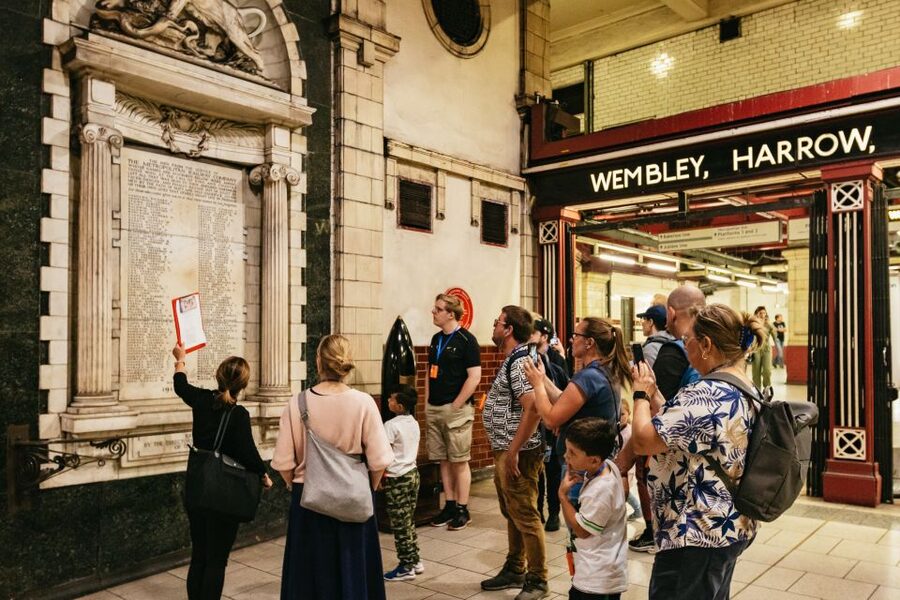
- Hear about original station life tied to an opening in 1863 and the early build of the system
- Use an audio headset for clear narration in busy stations and on underground trains
- See the London Transport Museum as a built-in context stop, not just a walk-by photo
- Get stories of disuse and haunting including rumours tied to a Pharaoh’s daughter and a nun
- Wartime reuse comes to life, including how the Tube served as refuge and even aircraft work areas
Still comparing? These London tours came out well in our reviews too.
- From London: Harry Potter Warner Bros Studio Tour
★ 4.7 · 26,588 reviews - London: Westminster to Greenwich River Thames Cruise
★ 4.5 · 22,836 reviews - Magical London: Harry Potter Guided Walking Tour
★ 4.7 · 22,044 reviews
Starting at Baker Street, where Tube history meets Sherlock
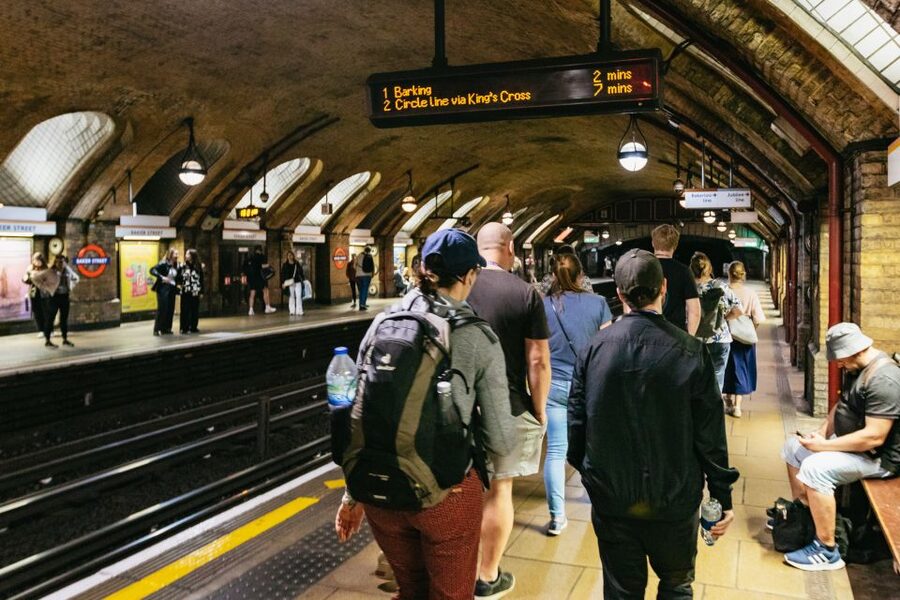
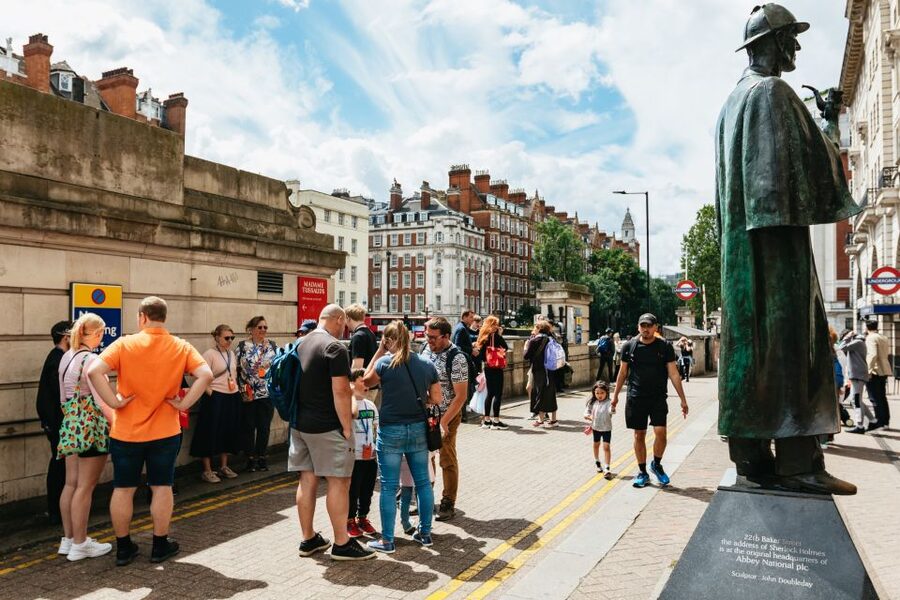
Your tour begins at Baker Street Station, at the Sherlock Holmes statue. That matters more than it sounds. Baker Street is one of the original touchpoints for the Metropolitan Railway, often described as the first underground railway, so you are starting at a place that helps you understand how the Tube became what it is.
I like this setup because it avoids the usual London problem: you can stare at Tube signage all day and still miss why anything is there. Here, you get a guide who connects street-level landmarks to what happened below. The result is that the Underground stops feeling like a utility and starts feeling like an evolving city story.
The early portion also sets expectations for what you will do for the rest of the walk. You are not doing a museum-only lecture. You are moving between stations, looking closely, and getting context in small bursts.
Baker Street to the network, the walk plus a short Tube ride
The tour runs for about 2.5 hours and includes a short public transport segment. In practice, you will do a walking loop around key station areas, then take a Tube ride for part of the route (the public transport portion is listed as 10 minutes).
That rhythm is smart. Walking lets you spot details you would miss on your own, like station design features, signage elements, and the way different eras show up in the built environment. Then the short ride helps you reconnect the history to the real experience of using the system.
Bring a public transport ticket because you will need one during the tour. This is one place where planning ahead saves money and stress. Travel cards are required for this tour, and they are not included in the tour price. If you do not already have one, get a day travel card for Zones 1 to 2 or an Oyster card before you join.
Also note what you cannot bring. No baby strollers, and no luggage or large bags. If you are touring with backpacks only, that usually stays manageable. If you have bigger bags, you might want to store them before meeting your group.
London Transport Museum stop, the context that makes stations click
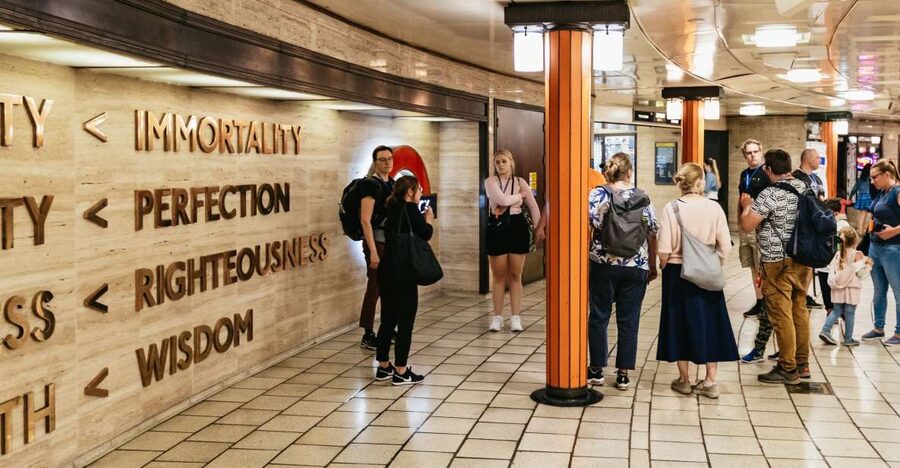
Midway through the tour you visit the London Transport Museum. This is a key part of the value because it gives you a mental map before you go deeper into station stories.
A lot of Tube history is hard to picture until you see artifacts and visuals that explain how the system functioned. The museum stop gives that “how it worked” background, so the later talk about tunnels, electrification, and abandoned spaces feels grounded instead of spooky trivia.
I also appreciate that you are not just walking past the museum. You get time inside, which makes the tour feel like more than a route-based narration.
If you like transport design, maps, symbols, and the everyday tech of big cities, you will likely enjoy this part as much as the station stops.





Steam to electricity, and why the tunnels mattered
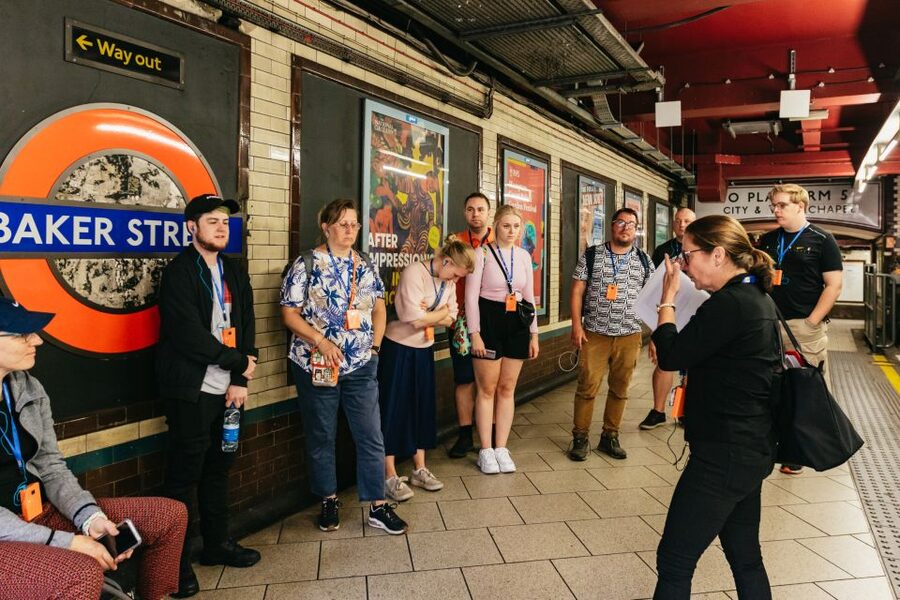
One of the tour’s central themes is evolution. You hear about how trains moved from steam-powered service to electrified rails, and how early tunnels were built. These are not random facts. They explain why station layouts, engineering choices, and later upgrades developed the way they did.
This matters because the Underground you ride today is the result of constant changes, not a single master plan frozen in time. When you understand electrification, for example, you start to see the Tube differently. It stops being just “a train” and becomes a system that had to solve power, safety, and efficiency over decades.
The tour also touches on the first tunnels and why more than 40 stations have been left abandoned. That number is the kind of detail that makes you look at closed entrances and old structures with new eyes. You begin to wonder what changed, what got replaced, and how London repurposed space when it needed to.
One station, 1000 bodies, and stories hidden in plain sight

London likes layers, and the Underground is basically layers stacked on layers. The tour highlights one station reputed to lie above the remains of 1000 bodies. Whether you take every spooky detail literally or treat it as folklore, the point is clear: this system sits on top of real lives and real events.
You also hear about the tube’s iconic roundel symbol and where that visual language fits into the Tube’s identity. Symbols may seem small, but they matter. They help people navigate fast in a noisy, shifting environment, and that becomes part of how the Underground became a cultural icon.
This is where I think the tour earns its name, Secrets of the London Underground. You are not hunting for secret rooms. You are learning to notice what is already there, the design cues and the historical references you would otherwise walk right past.
Haunted and disused stations, plus the downside of expecting access
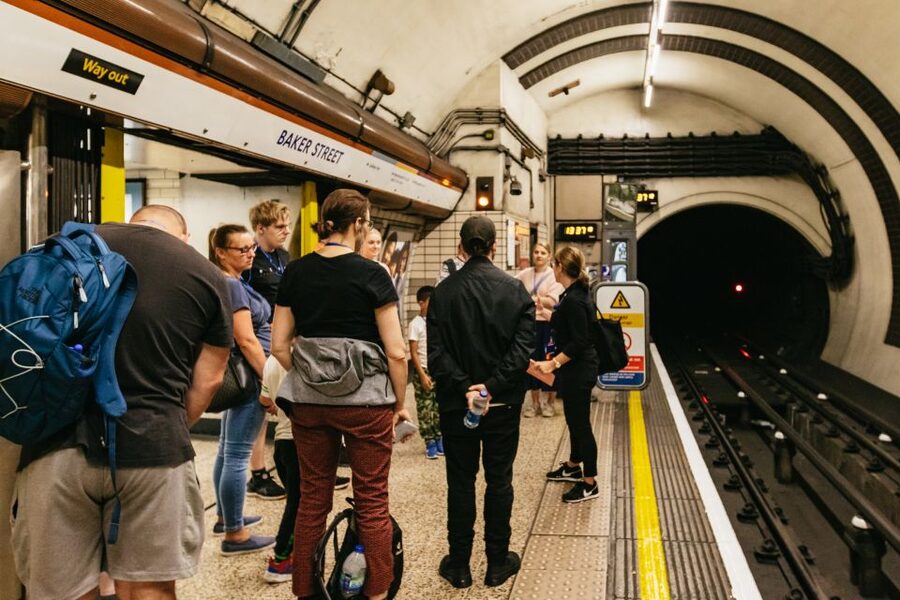
The haunted and disused station stories are a big draw. You will hear rumours about ghosts tied to a Pharaoh’s daughter and even a nun, plus talk of stations left behind.
Just keep one expectation in check: this is not a guaranteed “go inside a closed platform” type of experience. A few people come in thinking they will enter disused spaces. You should instead think of this tour as hearing the stories of disuse from the best vantage points available, not as a permission slip to restricted areas.
That said, the lack of backstage access is often outweighed by the quality of the explanation. You get a guided narrative that ties disused station history to broader changes in routing and technology. In other words, you learn why those stations ended up that way.
The audio headset helps here too. Ghost stories and history facts can compete with station noise. With the headset, the guide’s voice stays clear enough to follow the details without constantly asking someone to repeat themselves.
The Underground in wartime, Blitz refuge and British Museum treasures
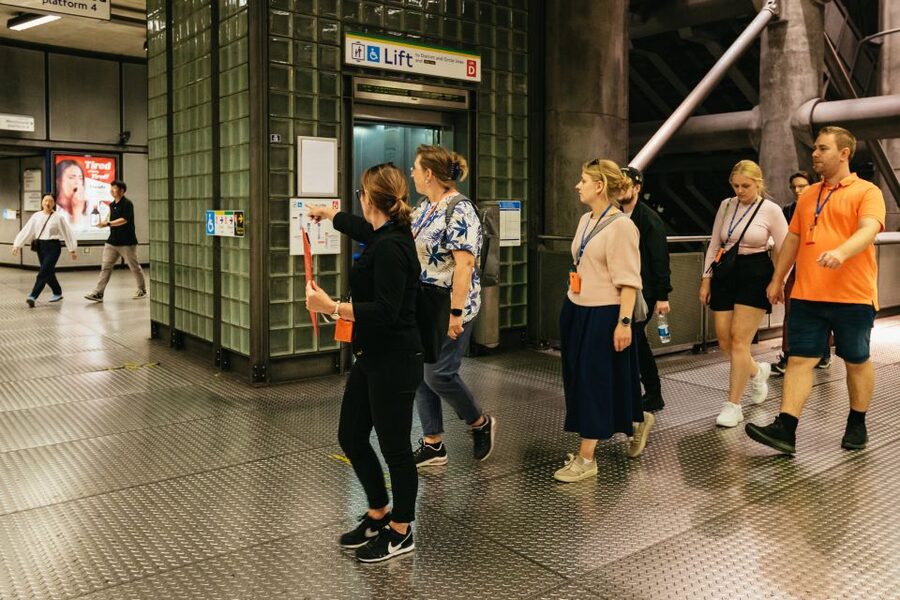
One of the most compelling parts of the tour is how the Tube changed roles under pressure. You hear about the Tube being repurposed and used as a refuge during the Blitz. You also learn about it serving as an aircraft factory and storage for treasures of the British Museum.
This is practical history, not just drama. It shows how London used what it already had, tunnels and subterranean space, when the city needed protection and storage. You start to connect the Tube’s physical design to its emergency value.
And it adds a new layer to the Tube ride you take afterward. You may still think of it as transport first, but you will also remember it as a shelter and a working space during wartime. That mental shift is why this tour often feels memorable even if you are not chasing scares.
If you enjoy World War II stories, this is the portion to listen extra closely. It is the kind of context that makes London make sense as a city that repurposed constantly, not just rebuilt after a disaster.
Price and value for 40 USD, what is included and what costs extra
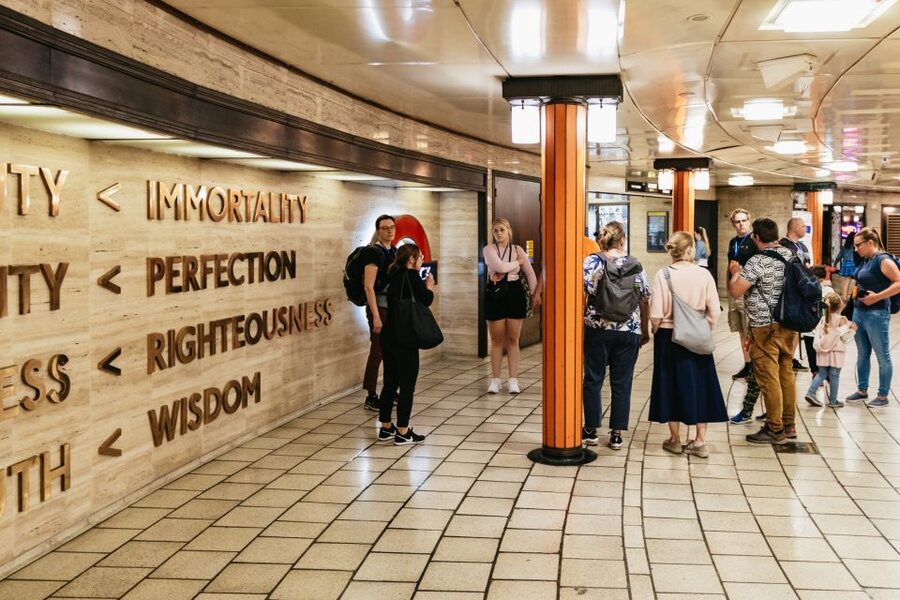
The listed price is $40 per person for a 2.5-hour tour. What you get for that price is the tour guide plus an audio headset. You also get a visit to the London Transport Museum as part of the experience.
What you do not get is an Underground ticket or Oyster card, and you need travel cards for the tour. So the true cost depends on what you already have.
Here is the value math I would use as a decision tool: if you already plan to buy an Oyster or a day travel card for Zone 1 to 2, then this tour becomes a guided-history add-on at a reasonable price. If you do not plan to use public transport much that day, the extra transit cost can feel like a surprise. Plan for that upfront, and it will feel like a smart buy instead of a jolt.
One more practical note: the tour price does not include food or drinks. If you are doing this near lunch or dinner, have a plan. You likely will not want to stop mid-tour for a meal.
Who should book this 2.5-hour Tube history walk
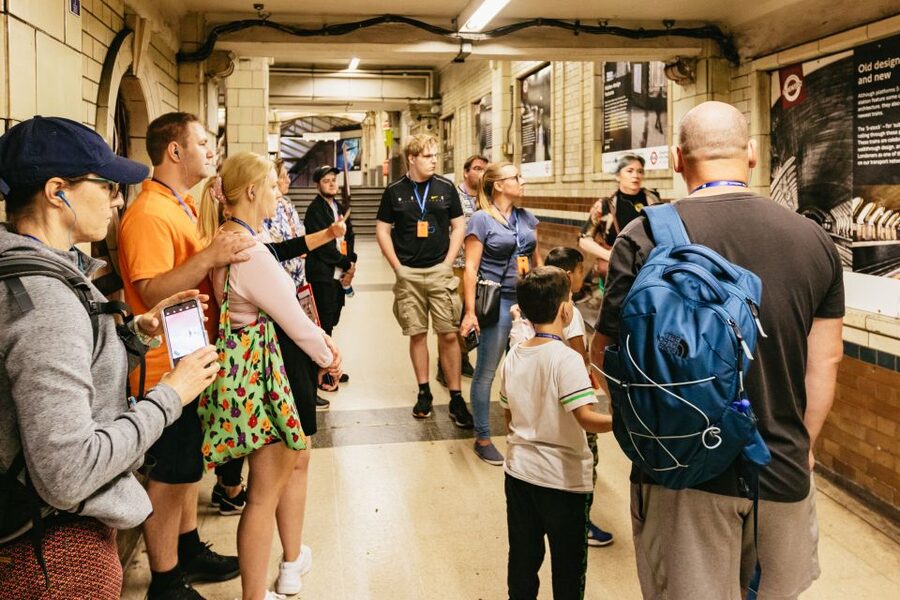
This works best for you if you enjoy city history tied to real places, not just talking points. You will likely love it if you like engineering stories, transport design, and the way London became London through systems and symbols.
It is also a strong pick if you enjoy spooky-adjacent folklore. The tour does haunted station stories, but it keeps the focus on history and how the Underground evolved.
It is not a good fit if you need wheelchair access or you have reduced mobility. The tour involves steps due to the Underground system, and strollers and large bags are not allowed.
In terms of energy level, it is moderate walking. You should be ready to move at a steady pace for 2.5 hours, with station stairs and platforms involved.
If you are traveling with kids who are interested in trains, or if you are the kind of adult who always reads the plaques, you are in the right place.
Should you book this London Underground Secrets tour?
I would book this if you want to see the Tube as more than a transit line. The combination of original station-era context, museum backing, and story-driven station stops creates a clear “why” behind what you normally treat as just “how.”
I would skip it if you only want a quick overview of modern stations, or if you expect a lot of inside access to disused underground areas. This tour is built around guided movement and narration, not behind-the-scenes exploration.
If you do decide to go, come prepared with your Zone 1 to 2 travel card or Oyster, and keep your walking shoes on. Do that, and you will finish the tour seeing London’s Underground with brand-new eyes.
FAQ
Where does the tour start and where does it end?
The tour starts at Baker Street Station, meeting your guide by the Sherlock Holmes statue outside the station. It finishes at 10B Bridge St, Westminster, London SW1A 2JR.
How long is the London Underground Secrets walking tour?
The tour lasts about 2.5 hours.
What is included in the ticket price?
Your booking includes a tour guide and an audio headset. The tour also includes a visit to the London Transport Museum.
What transport do I need to bring?
You need a public transport ticket for the tour. Travel cards are required but are not included, so you should purchase a day travel card for Zones 1 to 2 or an Oyster card before joining.
Are food and drinks included?
No. Food and drinks are not included.
Is there any public transport used during the tour?
Yes. There is a short public transport segment listed as 10 minutes.
Are strollers or luggage allowed?
No baby strollers are allowed, and luggage or large bags are not allowed.
Is the tour suitable for wheelchair users or reduced mobility?
No. This tour is not suitable for customers with reduced mobility, and wheelchair users should not join.
Is there free cancellation?
Yes. You can cancel up to 24 hours in advance for a full refund.
Fresh off the London review pile





Walking Tours, compared.
 ★ 4.7Magical London: Harry Potter Guided Walking TourFrom $2022,044 reviews
 ★ 4.5Underground Vaults Walking Tour in Edinburgh Old TownFrom $338,506 reviews
 ★ 4.7London: The Original Jack the Ripper Walking TourFrom $257,833 reviews
 ★ 5.0Oxford University Walking Tour With University Alumni GuideFrom $416,905 reviews
 ★ 5.0Edinburgh Castle: Guided Walking Tour with Entry TicketFrom $515,540 reviews
 ★ 5.0Edinburgh Castle Guided Walking Tour in EnglishFrom $525,214 reviews
 ★ 5.0Tour for Muggles The Ultimate Harry Potter Walking Tour in LondonFrom $234,684 reviews
 ★ 4.7Oxford: University and City Walking Tour with Alumni GuideFrom $404,429 reviews