
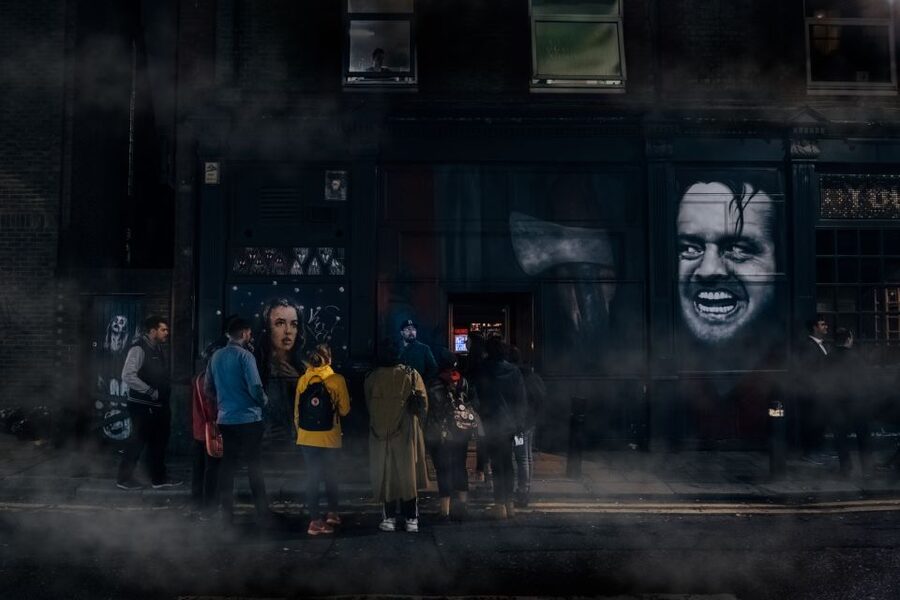
REVIEW · JACK THE RIPPER & VICTORIAN CRIME WALKS
London: The Original Jack the Ripper Walking Tour
Whitechapel still feels like a case file as you walk through 1888 London. Ripperologist guides turn street-level history into a real mystery, with stops tied to the investigations and even photo-style evidence to weigh. I also love the respectful focus on the victims and everyday life in the East End, not just the legend. One drawback to plan for is that the tour includes graphic details and visual content, and it stays outdoors the whole time.
It’s a 2-hour outing that starts near St Marys Whitechapel Church Memorial, at the west entrance to Altab Ali Park by the large iron arch gate. Your guide holds a blue flag, and Aldgate East is the nearest Underground stop. Languages offered include Spanish, Italian, French, English, and German.
In This Review
- Key Things That Make This Jack the Ripper Walk Worth It
- Walking Tour Goal: Solve a Mystery One Corner at a Time
- Meeting Near St Marys Whitechapel and Heading Straight Into the East End
- Christ Church Spitalfields: Where the Case Meets the Built Environment
- Old Spitalfields Market and Mitre Square: Clues Hidden in Street Patterns
- Brick Lane: Daily Life That Contrasts With the Legend
- Petticoat Lane: The Neighborhood Texture That Makes the Story Believable
- Spitalfields Market Stops: The Value of Being Told What Matters Here
- Ten Bells Spitalfields Pub: The Ending Point With Maximum Cultural Weight
- How the Ripperologist Guides Run the Mystery Format
- Evidence, Suspects, and Theories: What You Should Actually Take Away
- It’s a Real Outdoor Walk, So Plan for Comfort and Weather
- What You Learn Beyond Jack the Ripper
- Who This Tour Is Best For, and Who Should Skip It
- Price and Value: Is $25 Worth a Two-Hour Walking Mystery?
- Should You Book This Jack the Ripper Walking Tour?
- FAQ
- How long is The Original Jack the Ripper Walking Tour?
- Where do I meet the guide?
- What are the main stops on the tour?
- What languages are the tours offered in?
- Is this tour suitable for children?
- Is food or drinks included?
Key Things That Make This Jack the Ripper Walk Worth It
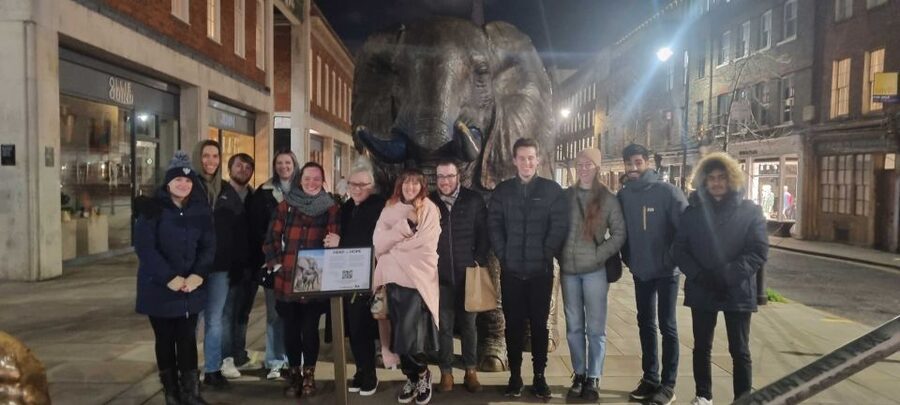
- Real Whitechapel streets, not just a script, with stops that anchor the story in the neighborhood layout
- Evidence-style storytelling, including photo-based material and a chance to consider competing suspect theories
- Victims and daily life stay in focus, with a tone that keeps the tragedy central
- Tour pacing works for questions, with guides who actively answer and keep the group engaged
- East End landmarks appear naturally, from Spitalfields Market to Brick Lane, plus Ten Bells at the end
Other Whitechapel walks at the same dark hour
- London: The Original Jack the Ripper Walking Tour
★ 4.7 · 7,833 reviews - London Jack the Ripper Guided Tour with Ripper-Vision
★ 4.5 · 4,840 reviews - London: Jack the Ripper Small Group Tour
★ 4.7 · 3,159 reviews
Walking Tour Goal: Solve a Mystery One Corner at a Time
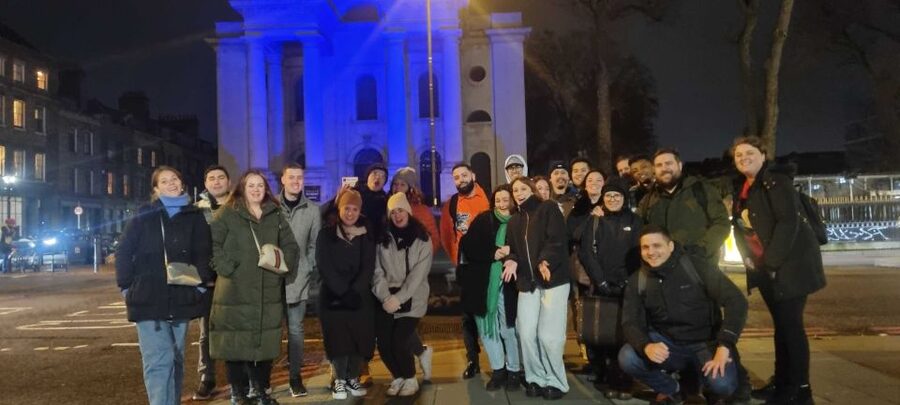
This isn’t a standard history walk where you just hear facts and move on. The structure is built like a case, where the guide helps you link the neighborhood to the way the investigation was discussed and argued. You’ll get a sense of why Whitechapel mattered, and how ordinary, overcrowded street life set the stage for such a shocking run of crimes.
A big part of the value here is that it’s not only about the killer’s identity. You learn about the victims, the conditions in the area, and the atmosphere that made rumors, fear, and theories spread quickly. That matters, because Jack the Ripper culture can turn the story into a Halloween costume. This walk tries to keep it human.
Meeting Near St Marys Whitechapel and Heading Straight Into the East End
You’ll meet at the west entrance to Altab Ali Park, at the corner of White Church Lane and Whitechapel High Street. Look for the large iron arch gate, and for your guide with a blue flag. The itinerary start lines up well with the feeling of the neighborhood, so you’re not spending your first 20 minutes figuring out where to stand.
The tour itself is outdoors the whole time, so come ready to walk in real London weather. That sounds basic, but it changes the experience. On a cold, windy evening, you’ll want comfortable shoes and weather-appropriate layers so you can actually enjoy the story instead of bracing through it.
Christ Church Spitalfields: Where the Case Meets the Built Environment

One of the first stops takes you to Christ Church Spitalfields, which helps you understand how this area looked and functioned in the late 1800s. You’re not just learning where things happened, you’re learning why the streets and buildings mattered. That built-environment angle is what makes a walking tour feel more grounded than a museum lecture.
What I like about this kind of early stop is that it gives you orientation fast. Even if you only know Whitechapel through movies and novels, the guide’s framing helps you connect those impressions to a real physical place. The risk, with any story-first tour, is that you can lose the thread if you’re not comfortable asking questions. If you like to clarify details as you go, this style is a good match.





Old Spitalfields Market and Mitre Square: Clues Hidden in Street Patterns
From the church area, you move toward the historic market zone, including Old Spitalfields Market and Mitre Square. These stops work because they’re about how people moved. Markets and squares are natural hubs, and the tour uses that idea to help you picture daily crowds, quick exchanges, and the kind of uncertainty that rumors thrive on.
This is also where the “case” format starts to feel real. The guide’s job is to connect the dots: what might have been visible, what might have been missed, and how investigators and locals talked about what they thought was happening. If you like reasoning through a mystery instead of being fed one final answer, you’ll likely enjoy this section.
Brick Lane: Daily Life That Contrasts With the Legend
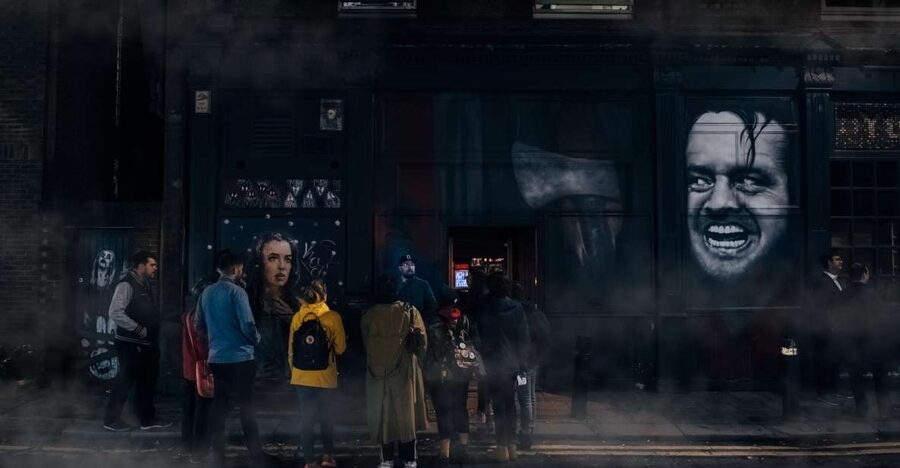
Brick Lane can be trendy today, but this stop is used for contrast. The tour brings you back to how the neighborhood functioned as people lived, worked, and got through difficult conditions. That matters because Jack the Ripper stories often flatten the setting into a single mood, when in reality it was a place of routine and survival.
I also appreciate the way Brick Lane fits into the broader theme of cultural context. The tour links the case’s notoriety to later storytelling culture, including the kind of detective fascination that helped figures like Sherlock Holmes become possible as a public imagination. You start to see how true crime becomes entertainment, and how entertainment shapes what people think they know.
Petticoat Lane: The Neighborhood Texture That Makes the Story Believable
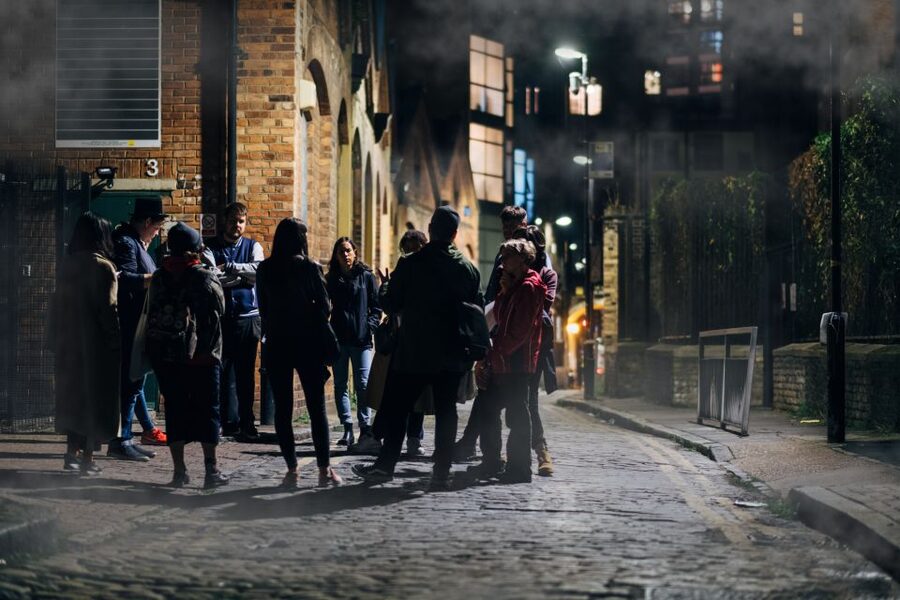
At Petticoat Lane, you get another sense of why this area was so tightly packed and hard to survey from one fixed point. Again, this is not only about famous associations. It’s about the texture of everyday life and how quickly paths and public spaces could blend into each other.
If you care about “how could it happen” questions, this section is for you. The guide’s framing turns traffic patterns, footpaths, and crowded spaces into part of the explanation. If you hate uncertainty or want a neat, fully proven timeline, you might find this portion frustrating. The tour is built to show what people believed and what evidence suggested, not to claim certainty where none exists.
Spitalfields Market Stops: The Value of Being Told What Matters Here

Spitalfields Market shows up as one of the notable sights. Even when the tour is focused on the murders, the market stop keeps the story from becoming purely macabre. It grounds the case in a real economic and social setting, which is exactly what you need if you want to understand why the story stuck to Whitechapel in the first place.
This is where you can really appreciate how a good guide talks about culture without turning it into gossip. The best tours explain the context of the time, how people lived, and how the public reacted. Based on the strongest guide feedback patterns, you’ll likely get a presentation that keeps the tragedy respectful while still making the narrative engaging.
Ten Bells Spitalfields Pub: The Ending Point With Maximum Cultural Weight
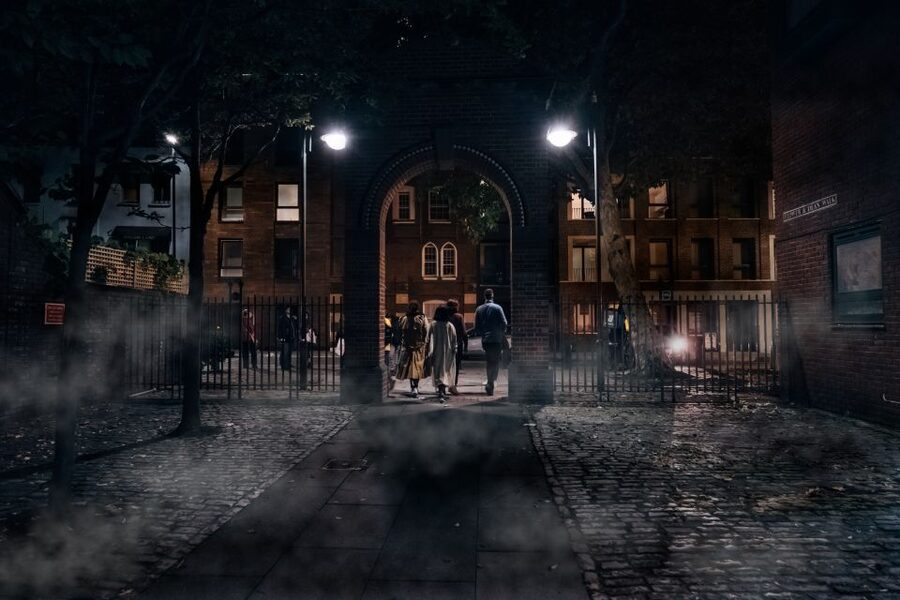
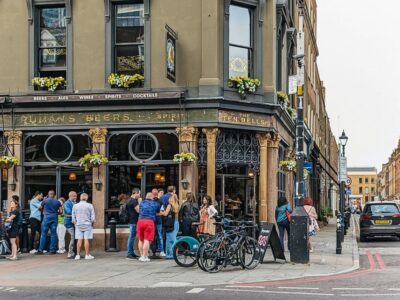
The tour finishes at The Ten Bells Pub in Spitalfields. This is one of those London touchpoints that feels familiar even if you’ve never visited, because Ten Bells sits so close to the way the case story gets repeated in pop culture.
Here’s what I think makes the finish worthwhile: it gives the legend a concrete place to land. After walking through streets and squares, you end at a real stop where you can absorb what you just learned. It also supports the tour’s larger theme about inspiration and cultural context, including how detective fiction and public fascination grew around mystery and investigation.
How the Ripperologist Guides Run the Mystery Format
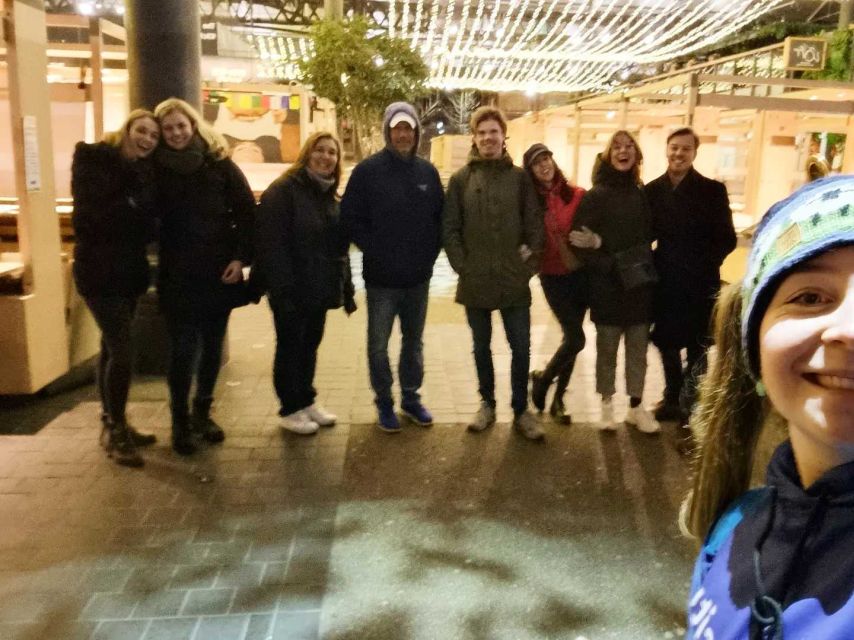
A huge strength of this experience is the Ripperologist guiding style. Across the best guide feedback, the common thread is storytelling that stays organized, with guides who manage group attention and keep the walk moving without rushing key points. People also praise guides for answering questions clearly and at a volume that works even if you’re not standing right at the front.
Names that come up often in top ratings include Martin Cheng, Nic, Ivan, Gabby, Anna, Marisol, and Bettina. You should not expect the exact same style every time, but you can reasonably expect professional delivery and a clear effort to keep the content understandable and engaging. Some guides also handle the mood carefully, keeping things serious while still making it listenable.
One more plus: the guides often focus on what’s known versus what’s unknown. That helps you avoid the common trap of treating every theory like fact. You’ll still hear suspects and competing ideas, but the tour tries to frame them as theories, not certainties.
Evidence, Suspects, and Theories: What You Should Actually Take Away
This tour leans into the idea of “investigating,” including weighing photographic evidence and hearing true-to-life stories about victims and alleged suspects. That’s where it feels most like a mystery workshop. You’re not only hearing a straight narrative, you’re being asked to consider how people might interpret clues.
A practical way to enjoy this format is to treat it like a debate you can follow. When the guide mentions a suspect theory, listen for what supports it, then listen for what complicates it. If you want a final answer, this won’t hand you one. If you enjoy thinking through the limits of evidence and the pressures of the time, you’ll get a lot more out of it.
Also, be aware the tour contains graphic details and visual content. The tone in top feedback suggests the guides handle this with care, focusing on respect for the victims. Still, go in knowing it’s not light entertainment.
It’s a Real Outdoor Walk, So Plan for Comfort and Weather
The tour takes place entirely outdoors and lasts about two hours. That sounds simple until you’re standing in cold wind while trying to hear a story. Dress in layers, wear shoes with grip, and accept that London weather can change fast.
Streets in this part of London can mean uneven ground and varying sidewalk conditions. While the tour doesn’t revolve around stairs and steep climbs, you should plan for real pavement and some public-path unevenness. Wheelchair access is listed as available, but if mobility is limited, it’s still smart to come prepared for an outdoor, street-level route.
Food and drinks are not included, so if you’re doing this as an evening activity after a busy day, I’d plan a meal before or after. Bringing a small snack or water is a sensible move, since you’ll want energy for a focused walking session.
What You Learn Beyond Jack the Ripper
The case is the headline, but the tour also gives you a wider London lens. You’ll learn about the everyday life of Whitechapel, described as impoverished in the period covered, and how that shaped public perception and the investigation conversation. You’ll also get cultural context for how mystery storytelling became a major part of British popular imagination, with a specific nod to Sherlock Holmes.
That makes the tour more than just true crime. It helps you understand why people are still talking about these events, and why the setting matters as much as the story. You leave with a clearer sense of place, not just a list of names.
Who This Tour Is Best For, and Who Should Skip It
This is a strong fit for true crime fans, anyone who loves London’s East End atmosphere, and readers of detective stories who want to understand the roots of that fascination. If you like a guide who answers questions and keeps the group engaged, the format should feel like an interactive learning session.
It’s not suitable for children under 12, and unaccompanied minors are not allowed. The tour also contains graphic details and visual content, so it’s smart to consider your comfort level before booking. If you’re traveling with kids, this one may not match your family needs.
For adults who can handle heavy subject matter respectfully, the tour’s focus on victims and the neighborhood helps keep the experience grounded.
Price and Value: Is $25 Worth a Two-Hour Walking Mystery?
At about $25 per person for a two-hour guided walking tour, the value comes from what’s included: an expert Ripperologist guide plus a structured route through multiple real-world stops. You’re paying for more than steps and street corners. You’re paying for interpretation, context, and the ability to ask questions while someone makes the case story coherent.
Also, the stops are varied, not just one dark lane repeated. You see Christ Church Spitalfields, Spitalfields Market area landmarks, Mitre Square, Brick Lane, Petticoat Lane, and end at Ten Bells Pub. For many visitors, that mix is what turns a “true crime night” into a real London experience.
If you only want a casual stroll with light facts, you might find the content heavy for the money. But if you want a guide-driven mystery walk in an iconic neighborhood, $25 feels like a reasonable trade for two hours of guided attention.
Should You Book This Jack the Ripper Walking Tour?
Book it if you want a structured, question-friendly walk through Whitechapel that treats the subject seriously. The strongest draw is the combination of real locations, evidence-style storytelling, and a consistent effort to keep the victims and the neighborhood in view.
Skip it if graphic details and visual content would be upsetting for you, or if you’re bringing kids who fall under the age guidelines. Also, if you struggle with cold outdoor time, plan clothing and timing carefully so the weather doesn’t steal your focus.
If you’re looking for a London activity that feels different from standard sightseeing, this one does the job. You’ll finish with a clearer sense of how the case was argued, why the setting mattered, and why the legend never stopped growing.
FAQ
How long is The Original Jack the Ripper Walking Tour?
It lasts 2 hours.
Where do I meet the guide?
Meet your guide at the west entrance to Altab Ali Park, by the large iron arch gate on the corner of White Church Lane and Whitechapel High Street. Your guide will be holding a blue flag.
What are the main stops on the tour?
Stops include Brick Lane, Christ Church, Spitalfields Market, Mitre Square, Petticoat Lane, and Ten Bells Pub.
What languages are the tours offered in?
The live tour guide is available in Spanish, Italian, French, English, and German.
Is this tour suitable for children?
It is not suitable for children under 12. The tour contains graphic details and visual content, and unaccompanied minors are not allowed.
Is food or drinks included?
No. The tour does not include food or drinks.
Ripper Walks and Victorian Crime
- London Jack the Ripper Guided Tour with Ripper-Vision★ 4.5 · 4,840 reviews
- London: Jack the Ripper Small Group Tour★ 4.7 · 3,159 reviews
- London Jack The Ripper Guided Walking Tour★ 5.0 · 3,131 reviews
- German Language : Original Jack the Ripper Tour★ 4.6 · 1,805 reviews
Fresh off the London review pile



Jack the Ripper & Victorian Crime Walks, compared.
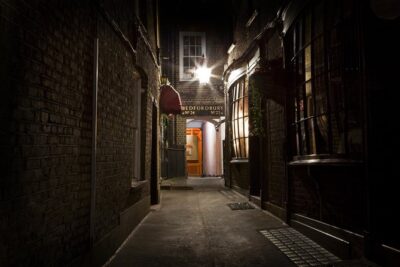 ★ 4.5London Jack the Ripper Guided Tour with Ripper-VisionFrom $274,840 reviews
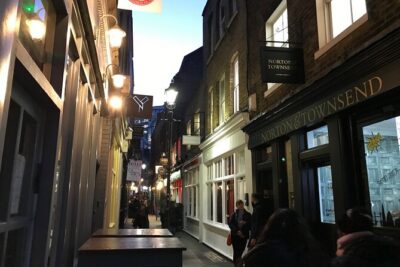 ★ 4.7London: Jack the Ripper Small Group TourFrom $263,159 reviews
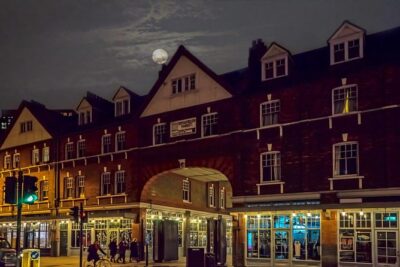 ★ 5.0London Jack The Ripper Guided Walking TourFrom $03,131 reviews
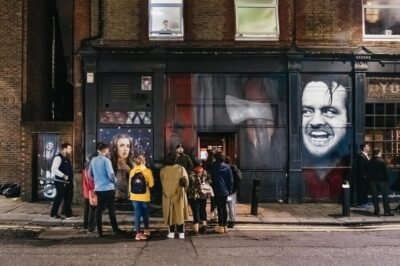 ★ 4.6German Language : Original Jack the Ripper TourFrom $241,805 reviews
 ★ 4.5London: Jack the Ripper Walking Tour – Ripper Vision ToursFrom $261,752 reviews
 ★ 5.0Ultimate Jack the Ripper : Guided Tour of LondonFrom $271,495 reviews
 ★ 4.9London: Jack the Ripper Evening Walking TourFrom $331,449 reviews
 ★ 5.0The Original Jack the Ripper : Guided TourFrom $221,264 reviews
Also filed under