
REVIEW · RAFTING, CANYONING & COASTEERING
The Big One 150ft Abseiling Experience
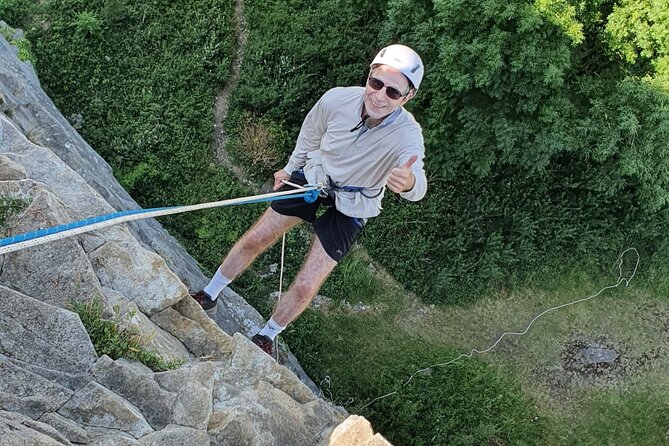
A 150ft drop sounds scary, until you do it step by step. What makes this abseil experience in Uphill feel so compelling is the setup, you practice first, then take on the full 150ft rappel with expert coaching and proper kit.
I especially like how structured it is for real beginners, you get a practice abseil of about 30 to 40ft before going up for the main descent. I also love the small-group feel, it keeps the instruction personal and gives you time to learn the basics properly, not just rush through them.
One thing to keep in mind is that you’ll need to handle basics like food and drink yourself, there’s no snacks provided and you might also want suitable footwear since climbing/rock shoes aren’t included.
In This Review
- Key highlights you’ll feel immediately
- Why The Big One 150ft abseil feels like a proper South West challenge
- Uphill Local Nature Reserve: the training start that makes the main rappel feel doable
- Your first ropes check: helmets, harnesses, and learning control early
- The Big One 150ft abseil: what to expect at the top and on the way down
- The views over the Severn Channel and Weston-super-Mare
- Price and timing: is $68.55 good value for 3 hours on rope?
- What you get, and what you’ll need to plan for
- Included
- Not included
- Who should book The Big One, and who may want a different day
- Quick tips to enjoy it from the start
- Should you book The Big One 150ft Abseiling at Uphill?
- FAQ
- Is The Big One abseil suitable for beginners?
- How long does the experience take?
- How tall is the main abseil?
- What safety equipment is included?
- Are snacks or drinks provided?
- Do I need to bring climbing shoes?
- Where does the experience start?
- What happens if the weather is poor?
- How many people are in a group?
Key highlights you’ll feel immediately
- Practice first, then the full 150ft rappel, so you build confidence with real technique.
- Professional safety kit with helmets and harnesses, fitted and checked on site.
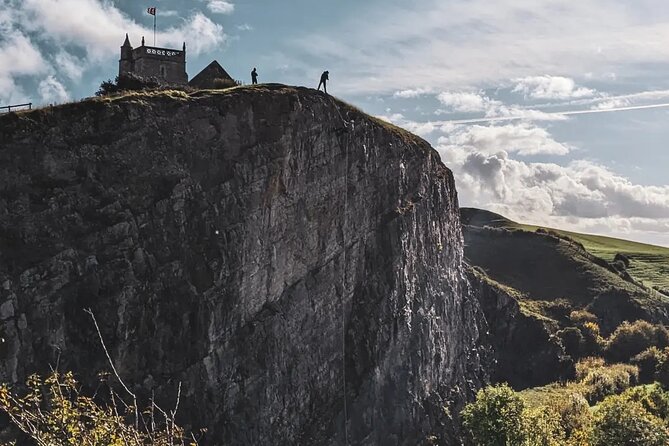
- Severn Channel and city views that make the descent more than just a challenge.
- Instructors who coach calmly, including named guides like Rob, James, and Scottie in past sessions.
- Tight group size (maximum 6 travelers), which helps you get feedback.
- Good weather matters, so your plans should stay flexible on the day.
Still comparing? These South West England tours came out well in our reviews too.
- Shepton Mallet Prison – Entry Ticket
★ 5.0 · 478 reviews - Shepton Mallet Prison Escape Room – The Cell
★ 5.0 · 187 reviews - A Tour of Glastonbury, Guided by the Trees.
★ 5.0 · 98 reviews
Why The Big One 150ft abseil feels like a proper South West challenge
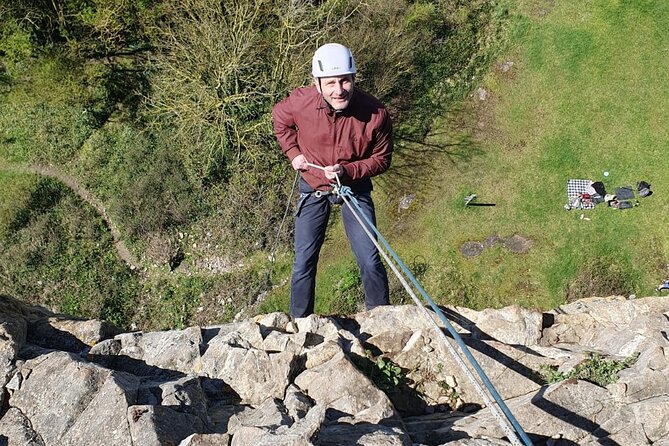
This isn’t a theme-park ride. It’s a real outdoors activity where you learn control of your body on rope, then you use it right away. The Big One earns its name because it’s genuinely tall, but the experience is designed to make it manageable.
For me, the best part is that you’re not dropped straight into the deep end. You start with a smaller practice abseil of around 30 to 40ft, which helps you understand what it feels like to descend, where your focus should be, and how your instructor wants you to move. Once that clicks, the 150ft abseil becomes a bigger version of a skill you already practiced.
You’ll also notice the tone the moment you meet up. The guides aim for a relaxed, confident pace, and the group size helps them keep an eye on everyone. If you’re nervous, that matters. If you’re excited, it also matters, because good pacing keeps the fun part from turning into stress.
Uphill Local Nature Reserve: the training start that makes the main rappel feel doable
Your session starts in Uphill at The Boathouse, Uphill Wharf, Uphill, Weston-super-Mare BS23 4XR. From there, you’ll be working in and around the Uphill Local Nature Reserve area, which sets the mood for the day. It’s outdoors, it’s wind and texture and real terrain, and that is part of the appeal.
But more important than the setting is what the reserve time is for: getting you ready to abseil with correct setup and clear instructions. You’ll get time for a practice abseil first, so when you eventually go up for the 150ft drop, you’re not guessing about your position, your pace, or how your gear should feel.
A practical drawback: because it’s outdoors and weather-dependent, you should expect the day to feel a bit “live.” If conditions are off, they may have to adjust the plan. Bring a layer or two, and don’t build the rest of your day around a perfect schedule without a buffer.
Your first ropes check: helmets, harnesses, and learning control early
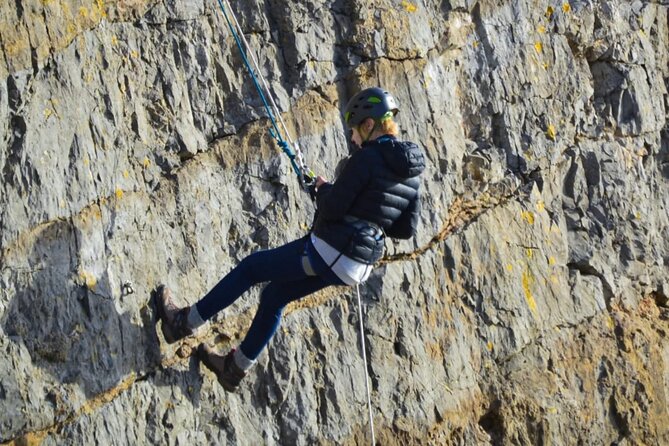
You’ll wear professional kit, including helmets and harnesses. This is not optional, and it’s not something you should try to second-guess. The value here is that you get fitted with purpose-built equipment for the activity, and the instructor coaching is there to make sure you understand how to use it.
Even if you’ve never touched ropes before, this part is usually where things stop being scary and start being learnable. You’ll get instruction and tips for enjoyable abseiling, and you’ll do a controlled practice run first. That practice run, roughly 30 to 40ft, is where you get the feel for staying calm, trusting the system, and focusing on the technique rather than the height.
I like that the training phase is not just “watch and then go.” You get hands-on time. For first-timers, that reduces the mental load. For people who are a little more confident, it still tightens your control and helps you move smoothly when you’re on the bigger line.
The Big One 150ft abseil: what to expect at the top and on the way down
The core moment is the main rappel, a 150ft abseil from the top. Before you reach that point, you should expect to go through clear instruction again, because the shift from training height to full height changes the experience. The ropes, your body position, and your attention all matter more at greater height.
Here’s what you should plan for mentally:
- You’ll likely feel a mix of nerves and focus. That’s normal. The goal is to keep your movements simple and follow the instructor’s cues.
- Your job on the descent is to stay controlled and read what your body needs, not to rush.
- You’ll learn to trust the system, because you’ve already felt the technique at 30 to 40ft.
The reviews and the tone of the experience also point to a safety-first approach with lots of encouragement. In particular, people who came in almost brand new, even adults trying abseiling for the first time at older ages, have highlighted how patient and supportive instructors like Rob and James can be. That matters because it tells you the day is built for learning, not just for thrill-seekers.
If you’re hoping for a solo, silent, meditate-on-a-cliff vibe, this isn’t that. You’ll get guidance, check-ins, and coaching throughout, and you should welcome that. It’s part of why the height feels manageable.
The views over the Severn Channel and Weston-super-Mare
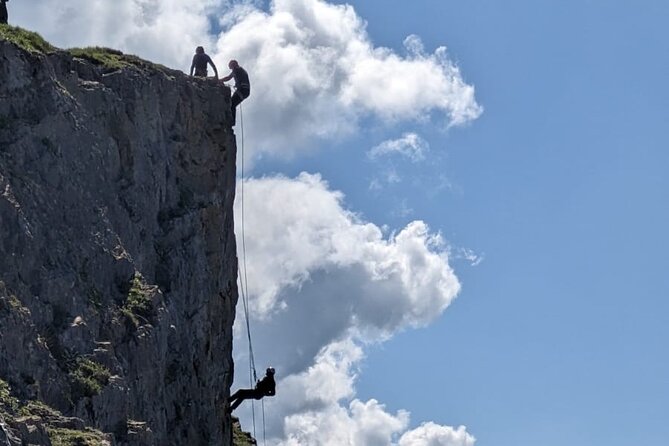
This is one of those activities where you get a physical challenge plus a visual payoff. The Severn Channel and the city area around Weston-super-Mare are part of the backdrop, and you’ll be able to look out during the descent.
For many people, that view is what turns the abseil from a one-note fear moment into something memorable. Height has a way of shrinking your world, but in this case you’re still connected to the landscape. It’s not just white-knuckle, it’s also perspective.
If you’re taking photos, remember that safety and control come first. You might find it easier to take a quick glance when you’re stabilized, rather than trying to stop and shoot mid-descent. The staff will guide you on what to do safely.
Price and timing: is $68.55 good value for 3 hours on rope?
At $68.55 per person, you’re paying for real instruction, professional safety gear, and two abseiling stages in one session: the practice drop and then the main 150ft rappel. The pricing makes more sense when you compare what you’d need to do a similar activity on your own: trained supervision, safety systems, and equipment you can trust.
The session lasts about 3 hours (approx.), and the activity operates as a small-group experience with a maximum of 6 travelers. That matters because you’re not competing for attention. It also supports better pacing, especially if you’re nervous or if you want to do the steps correctly.
Value check for me comes down to three things:
- You get a practice run first, which reduces wasted anxiety.
- You get helmets and harnesses included, so you’re not scrambling last minute.
- You get instruction throughout, so you leave knowing what you did and why.
What you get, and what you’ll need to plan for
Included
- Use of climbing equipment appropriate to the activity
- Helmets and harnesses
- Instruction and coaching for both the practice abseil and the full 150ft descent
Not included
- Snacks and drink. There is an onsite shop or cafe where you can buy refreshments.
- Parking fees
- Climbing or rock shoes
That last point is the one I’d treat seriously. Even if you’re not an experienced climber, your feet still need stable footwear for standing, walking to the activity area, and moving safely around the setup. Since rock shoes are not provided, you’ll want to wear something that grips and feels secure.
For snacks, plan like you’re doing a physical outdoors activity. Eat beforehand if you can, or budget a stop at the onsite cafe. Keep water in mind too, especially if the weather is mild but windy.
Who should book The Big One, and who may want a different day
This experience is described as suitable for people with moderate physical fitness. That’s a helpful line, because it signals you don’t need extreme athleticism, but you should be able to manage the physical aspects of being outdoors, wearing gear, and standing in the setup area while you wait your turn.
You’ll probably love this most if:
- You’re a true beginner who wants instruction rather than guesswork
- You want a bucket list challenge with a clear training path
- You like small groups and personalized coaching
- You want a fear factor moment that is handled with safety and calm reassurance
It may be less ideal if:
- You’re short on time and can’t handle a full 3-hour block
- You hate being fitted into safety gear and following staff directions closely
- You don’t want to think about what to wear since rock shoes and food are not included
The encouraging part, highlighted by multiple sessions in the past, is that older first-timers have done this successfully when they follow instruction and keep their focus on technique. That suggests the coaching style is built for real comfort and confidence, not bravado.
Quick tips to enjoy it from the start
You’ll get instruction on the day, but here are the practical choices that help you enjoy it more.
- Wear layers you can move in. Even on a calm day, coastal wind can change how you feel.
- Bring a change of socks if you think you might get damp on uneven ground.
- If you feel nervous, treat it like a normal learning curve, the practice abseil exists for that exact reason.
- Don’t plan to be the last person to ask questions. If you need clarity on how the equipment works or what you should do next, ask early.
- Keep your phone away during the descent and focus on your cues. You want a smooth descent more than you want a perfect photo.
Also, check the weather day-of. The activity requires good weather, so build flexibility into your travel plan. That weather dependency is not a gimmick, it’s part of keeping the experience safe and enjoyable.
Should you book The Big One 150ft Abseiling at Uphill?
Book it if you want a serious height challenge with a learning pathway, helmets and harnesses included, and coaching that helps nervous people step forward confidently. The combination of a practice abseil around 30 to 40ft and then the full 150ft drop is the main reason this is a strong choice for first-timers.
Skip it only if you’re not interested in following safety instructions closely, you cannot manage the basics of moderate physical activity, or you’d rather do something with equipment and refreshments all fully included.
If you’re in South West England and you want a memory that feels earned, this is a very solid pick. You’ll come away with a skill, a story, and a view that makes the rope part feel worth it.
FAQ
Is The Big One abseil suitable for beginners?
It’s designed for first-timers because you do a practice abseil first, about 30 to 40ft, before you take on the full 150ft descent. You’ll also receive instruction and guidance during the session.
How long does the experience take?
The session lasts about 3 hours.
How tall is the main abseil?
The main abseil is 150ft.
What safety equipment is included?
You’ll be provided with climbing equipment appropriate to the activity, including helmets and harnesses.
Are snacks or drinks provided?
No, snacks and drink are not provided. There is an onsite shop or cafe where you can buy refreshments.
Do I need to bring climbing shoes?
Climbing or rock shoes are not provided, so you should plan to wear suitable footwear yourself.
Where does the experience start?
The meeting point is The Boathouse, Uphill Wharf, Uphill, Weston-super-Mare BS23 4XR, UK.
What happens if the weather is poor?
The experience requires good weather. If it’s cancelled due to poor weather, you’ll be offered a different date or a full refund.
How many people are in a group?
There is a maximum of 6 travelers.
Fresh off the South West England review pile
Rafting, Canyoning & Coasteering, compared.
 ★ 5.0Whitewater Rafting on the River Dee in LlangollenFrom $90939 reviews
 ★ 5.0Coasteering Experience in NewquayFrom $76465 reviews
 ★ 5.0White Water Rafting Experience in River Dee in LlangollenFrom $97465 reviews
 ★ 5.0Discover Canyoning at Bruar FallsFrom $97409 reviews
 ★ 5.0Ghyll Scrambling Water Adventure in the Lake DistrictFrom $97283 reviews
 ★ 5.0White Water Rafting on the River Tay from AberfeldyFrom $83268 reviews
 ★ 5.0Brilliant White Water Rafting in the Lake District UKFrom $131260 reviews
 ★ 5.0Half-Day Coasteering in Newquay CornwallFrom $76239 reviews
Also filed under