
REVIEW · SHAKESPEARE'S STRATFORD & WARWICK CASTLE
Warwick: British Motor Museum Entry Ticket
Cars tell stories, up close.
At the British Motor Museum in Warwick, motoring history feels less like a textbook and more like a walk through real life, thanks to the Time Road. You’ll see cars from the 1890s onward, hear period sounds, and connect the dots between technology, fashion, roads, and family routines.
I especially love how the museum pairs huge displays with specific moments you can picture, like how family life changed as cars became more common. The other standout for me is the chance to get behind the scenes at the Collections Centre, where conservation work shows how these vehicles survive for future visitors.
One possible drawback to plan around: if you’re counting on a guided talk as your main source of audio, the museum’s large rooms can make sound a bit tricky. Also, if you have a very specific brand you want to hunt for, you might still find a few surprises on the day, since collections and focus areas shift.
In This Review
- Key things I’d prioritize before you go
- British Motor Museum in Warwick, where the collection feels built for real visits
- The Time Road, family life changes you can walk through
- Making British Cars, how the industry shaped more than just vehicles
- Under the Skin, interactive car tech that teaches without being geeky
- Collections Centre and conservation, the behind-the-scenes story that matters
- Volunteer guides and staff, including Trevor, who turn labels into stories
- How long to plan, from 2.5 hours to a full car day
- Value for about $24, and what you get that feels worth it
- Onsite café, shop, and breaks that keep the day going
- Who this museum ticket suits best (and who might be disappointed)
- Should you book the British Motor Museum entry ticket?
- FAQ
- Is this British Motor Museum ticket valid for one day?
- How much does the ticket cost?
- Is there free parking?
- Is the museum wheelchair accessible?
- Are pets allowed?
- What food options are available onsite?
- How long should I plan to visit?
Key things I’d prioritize before you go

- The Time Road experience, with period music and everyday moments that show how motoring changed normal family life
- Collections Centre behind-the-scenes, where conservation work helps explain how historic vehicles are preserved
- Interactive tech in Under the Skin, including comparisons like rack and pinion versus power steering
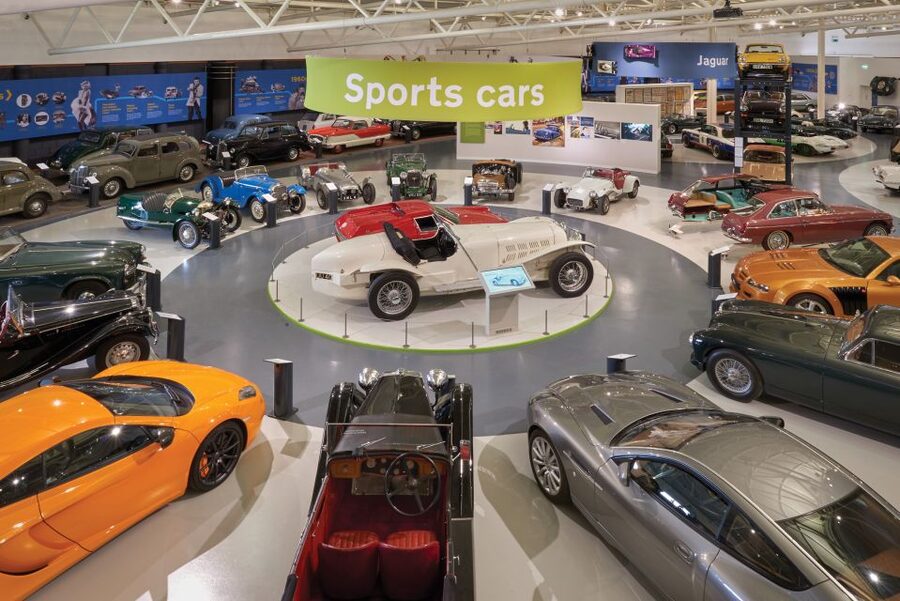
- 400+ historic British cars, spanning the 1890s and beyond, so you can spot trends and design shifts fast
- Volunteer-led guidance, including named guides like Trevor, plus other staff who are happy to talk details
- Family-friendly pacing, with an onsite play area and activities included in your admission
British Motor Museum in Warwick, where the collection feels built for real visits
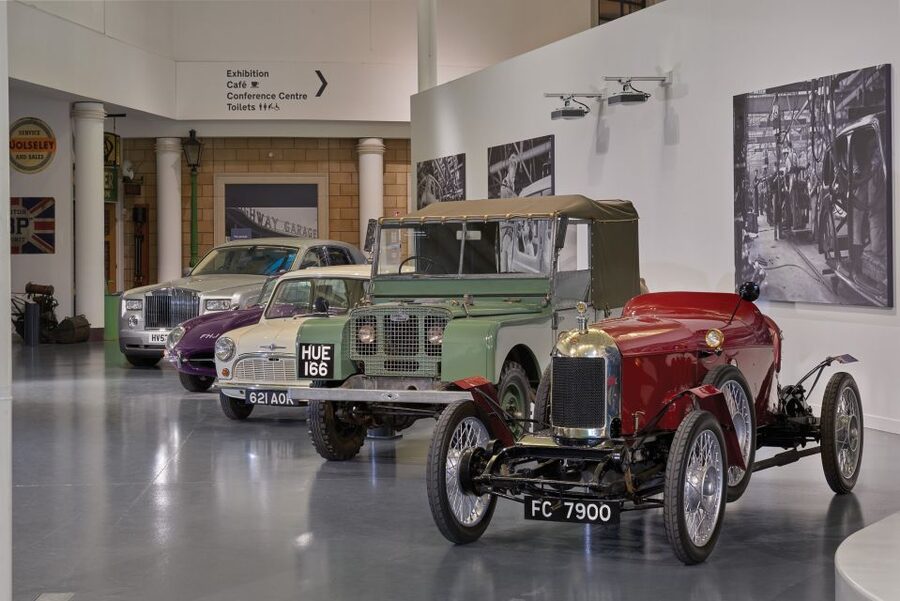
The British Motor Museum is in Warwickshire, and it’s the kind of place where you can wander for a while and still end up learning a lot. The buildings feel well designed for visitors, and the site is easy enough to move around that a slower pace doesn’t punish you.
The museum’s big selling point is scale and focus: you’re not bouncing between random themes. You’re walking through a concentrated story of British motoring, from early designs through later decades, with vehicles displayed in ways that help you compare eras. And if you’re not a lifelong car person, that matters, because the museum leans on context, not just chrome and horsepower.
Also, I like that it’s not purely an adult hobby space. You get a play area and family activities included, which helps younger visitors stay engaged without you having to constantly entertain them. I’d treat it like a classic day out, not a “speedrun the exhibits” challenge.
The Time Road, family life changes you can walk through
If I had to pick one section to build your day around, it’s the Time Road. This is where the museum stops being only about engines and starts showing how motoring affected everyday life.
You’ll move through a timeline-style experience, with period music and recognizable milestones. One example the museum highlights is the introduction of double yellow lines, which is such a specific detail that it instantly makes the era feel real, not invented. It’s also a great way to get non-car people to care, because the story is about streets, rules, and routines, not just speed.
The Time Road is also handy for timing. You can treat it like an anchor early in your visit, then build outward into the more technical and brand-based sections. If you’re visiting with kids, this is often where they catch the vibe, because it’s easier to understand than a wall of specs.
Tip for comfort: on hot days, plan for breaks. Some visitors note ventilation can feel limited, so pacing yourself helps you keep energy for the tech areas afterward.
Making British Cars, how the industry shaped more than just vehicles

After you’ve set your timeline, Making British Cars helps explain why the industry mattered. This section frames motoring as a broader cultural force, showing how the British motor business influenced design, manufacturing, and the way cars fit into society.
What I like here is that it’s not stuck in the past. The display approach points toward where the industry is heading, so you’re not leaving with only nostalgia. It helps you connect what you’re seeing to bigger shifts, including how expectations for cars have changed across decades.
There’s also something satisfying about seeing prototypes mentioned in the museum’s story. One review highlights prototypes that never made production, and that’s exactly the kind of detail that makes a collection feel alive. It shows you that innovation is messy, not perfectly planned, and that the “cars you know” are only part of the equation.
If you’re the type who enjoys how a national industry evolves, this section is a strong follow-up to the Time Road, because it turns your timeline into a bigger explanation.
Under the Skin, interactive car tech that teaches without being geeky
Under the Skin is where the museum shifts into hands-on learning. This is ideal if you like the mechanics side of cars, or if you want your visit to feel less like reading labels and more like figuring things out.
Interactive exhibits focus on how cars work and how systems improved over time. Reviews mention suspension development, and they also point to a specific comparison: rack and pinion versus power steering. That’s a clear, practical way to understand changes drivers experienced, not just engineers chasing academic progress.
I also appreciate that the interactive style supports different learning speeds. If you want to move quickly, you can skim and watch demonstrations. If you want to stop and compare, you can spend extra time here without losing the plot.
If you’re visiting with mixed ages, this section often helps balance the day. Car enthusiasts tend to like the mechanical focus, while families like the action and the fact that kids can participate rather than just look.
Collections Centre and conservation, the behind-the-scenes story that matters
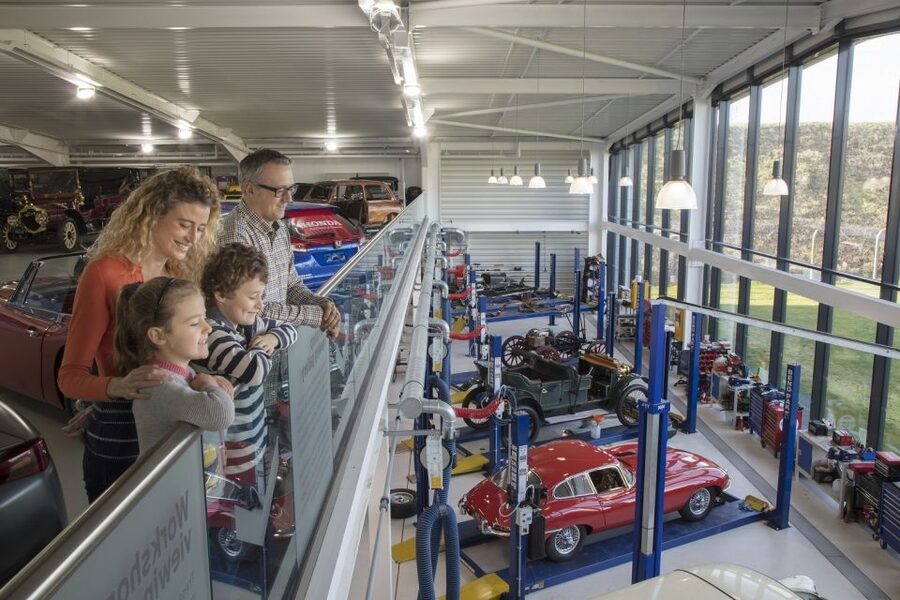
One of the most praised parts of the museum is the Collections Centre. This is the behind-the-scenes view that takes the “museum magic” and makes it understandable.
Instead of just showing you cars, the museum also explains how vehicles are conserved for future generations. That conservation angle is surprisingly motivating. You start to see why some parts might look different than you expected, why preservation methods matter, and why patience is part of caring for history.
A couple of visitor accounts highlight chatting with people involved in refurbishment work, which is where the experience becomes more personal. It’s not only about looking at the display, it’s about meeting the people who keep the collection going.
You might also encounter volunteer or staff members who are happy to talk brand details and even share glimpses of interiors on certain cars. One review specifically mentions Graham, a volunteer connected with the Jaguar collection, and another calls out Jim, described as very informative and passionate. Having someone who can answer your questions turns a big building full of cars into a conversation.
Volunteer guides and staff, including Trevor, who turn labels into stories
The museum leans heavily on people. That’s not a small thing. Labels can only do so much, but human explanations help you notice what you’d miss on your own.
Guides and volunteers are frequently praised for being enthusiastic and helping visitors make the most of their time. One review names Trevor as a great guide for bringing history into context. Another review highlights the passion of volunteers working on specific collections.
One practical note: if you plan to join a guided tour in a large room, keep your expectations flexible. Some visitors mention the acoustics can make amplified sound an improvement. In plain terms, sit where you can hear clearly, and don’t assume every part of the talk will be easy to catch from far away.
That said, when you do catch the explanation, it can add a lot. You’ll start connecting design choices, brand identity, and historical events into a single story rather than keeping everything as separate facts.
How long to plan, from 2.5 hours to a full car day
Your ticket is for one day, and you’ll want to think about how your group likes to pace. The museum isn’t a tiny stop, so the time you spend will depend on how deeply you want to read and interact.
Some visitors report about 2.5 hours for a steady run-through, especially when moving without lingering too long at every car. Others talk about 4 to 5 hours to go through more thoroughly, with enough time to explore multiple sections and take breaks.
For me, the sweet spot is letting the day flex:
- Start with Time Road early so you anchor the timeline.
- Hit Under the Skin mid-visit when you’re ready to switch gears.
- Save conservation and the more conversational areas for after you’ve warmed up, because you’re more likely to ask questions once you’re fully in the story.
If it’s very hot when you go, build in café time. Indoor comfort matters when you want to keep exploring.
Value for about $24, and what you get that feels worth it
At around $24 per person, this is positioned as a reasonable day out for what you’re getting. The core value is the sheer quantity and focus: you get 400+ cars covering historic British motoring from the 1890s onward, plus themed experiences that explain how and why things changed.
Price value also comes from extras that are either included or make the visit easier:
- Free parking, which can be a big deal in the UK
- Family activities included, plus an onsite play area
- A café for hot and cold meals and snacks, plus the shop and toilets
To be fair, one review mentions feeling it was overpriced during Christmas season. That doesn’t mean it’s never a good deal, it means timing can affect perceptions. If you’re price sensitive, plan for a typical day rather than a high-demand holiday period.
I’d also mention one small caution about expectations: a couple of reviews say certain attractions like a 4×4 track or karting were not available. Those are not part of the core car collection story, but they can change how “event-like” the day feels.
Onsite café, shop, and breaks that keep the day going
The museum has an onsite café with hot and cold meals and snacks. People also praise the café, with one note calling the café good and another saying the food choice was excellent.
You’ll likely want a break at some point, especially if you spend time in the interactive areas or if you’re going through the museum more slowly. Plan to grab something simple, not a fancy meal that makes you lose time. The goal is energy for the next hall.
There’s also a shop, which is useful if you want a souvenir that actually matches the theme, like books or small car-related items.
Who this museum ticket suits best (and who might be disappointed)
This is a strong match if you like:
- British car history and want to see the evolution of designs in one place
- Families who want a day that works for kids and adults
- Anyone who prefers learning through exhibits and interactivity, not just static displays
- People who enjoy talking with volunteers, because the museum’s staff style clearly adds value
It can also work even if you’re not the most car-focused person in your group. Reviews mention that someone who usually isn’t interested in cars still found the museum engaging, mainly because the stories connect to family life, nostalgia, and recognizable eras.
The main “might be disappointed” scenario is if you’re chasing a very specific model or brand. One review says Triumph cars were missing from display on the day. If your heart is set on a particular marque, you might want to check focus areas closer to your visit.
Should you book the British Motor Museum entry ticket?
Yes, I think you should book it if you want a high-quality car day that mixes big collections with clear storytelling. The best reasons are the Time Road, the interactive Under the Skin section, and the Collections Centre conservation angle, plus the volunteer-led guidance people consistently talk about.
I’d say go ahead with confidence if you’re traveling as a couple, with teenagers, or as a family. The museum has enough variety to keep different interests satisfied, from period family scenes to how steering and suspension evolved.
The only “hold your expectations lightly” item is audio during guided talks in large rooms, and the possibility that your favorite brand might not be on display that specific day. If you can accept that, you’re set for a memorable, very British day out in Warwick.
FAQ
Is this British Motor Museum ticket valid for one day?
Yes. The admission ticket is valid for one day, and you can check availability for starting times.
How much does the ticket cost?
The entry ticket price is listed as $24 per person.
Is there free parking?
Yes. Free parking is included.
Is the museum wheelchair accessible?
Yes. The museum is wheelchair accessible.
Are pets allowed?
Pets are not allowed, but assistance dogs are allowed.
What food options are available onsite?
There is an onsite café serving hot and cold meals and snacks.
How long should I plan to visit?
Many visitors report anywhere from about 2.5 hours to 4 to 5 hours, depending on how much you want to read, interact, and take breaks.
Shakespeare's Stratford & Warwick Castle, compared.
 ★ 4.5Oxford, Stratford-upon-Avon, Cotswolds & Warwick Castle Day TripFrom $1092,943 reviews
 ★ 4.0Warwick Castle Admission TicketFrom $302,096 reviews
 ★ 4.5England in One Day: Stonehenge, Bath, the Cotswolds and Stratford-upon-Avon Day Trip from LondonFrom $1871,344 reviews
 ★ 5.0Cotswolds in a Day Tour from Moreton-in-Marsh / Stratford-on-AvonFrom $1101,216 reviews
 ★ 4.5Warwick Castle, Oxford, Stratford-upon-Avon & Cotswolds Day tripFrom $109828 reviews
 ★ 4.5Oxford, Stratford, Cotswolds & Warwick Castle Tour from LondonFrom $106756 reviews
 ★ 4.4London: Oxford, Stratford, Cotswolds, and Warwick Day TripFrom $103755 reviews
 ★ 5.0Shakespeare Distillery Tour – 1pm TicketFrom $27598 reviews
Also filed under