
REVIEW · YORK & THE YORKSHIRE DALES
Whitby: Whitby Abbey Ticket
Whitby Abbey is one dramatic climb into history. I love the cliff-top views and the ruins themselves, where Gothic stone plus sea air makes every photo look like a scene. The museum adds real context, from Viking raids to saintly Saxons. One thing to keep in mind: you are walking on uneven stone and climbing lots of steps.
This visit works well as a flexible 1-day outing because you can move at your pace. You can linger in the museum, then take your time around the open grounds and the old areas tied to the abbey story. On a foggy day, I’d plan for slow moments too, since the weather can change fast as you go.
In This Review
- Key reasons Whitby Abbey tickets are worth it
- First, what Whitby Abbey is really like up close
- Getting there, and why the steps are part of the experience
- Museum time: Viking raids, Saxons, and the people behind the stone
- Wandering the abbey ruins and open grounds
- The old church and graveyard stop for context
- Bram Stoker at Whitby Abbey, and why it works
- Photo tips that match the way the place actually looks
- How long to plan for, and how to pace your day
- Value: is a $15 ticket fair for Whitby Abbey?
- Who should book this Whitby Abbey ticket
- Book or skip? My honest call
- FAQ
- How much is the Whitby Abbey ticket?
- How long is the experience?
- Where do I show my ticket?
- What is included?
- What language is the host or greeter?
- Is it wheelchair accessible?
- Is there free cancellation?
- Can I reserve now and pay later?
- FAQ
- Is there a small group option?
Key reasons Whitby Abbey tickets are worth it
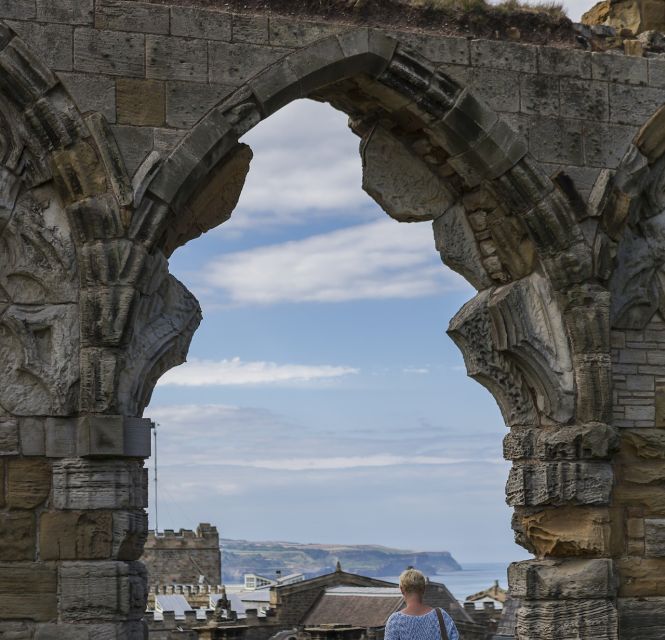
- Cliff-top views over Whitby’s coast that make the climb feel worthwhile
- A revamped museum with Viking raids and saintly Saxons in the mix
- St Hild and the snakes plus the abbey link to the poet Caedmon
- Bram Stoker connections tied to Whitby Abbey’s atmosphere
- Lots of places to sit while you take in the scenery
First, what Whitby Abbey is really like up close
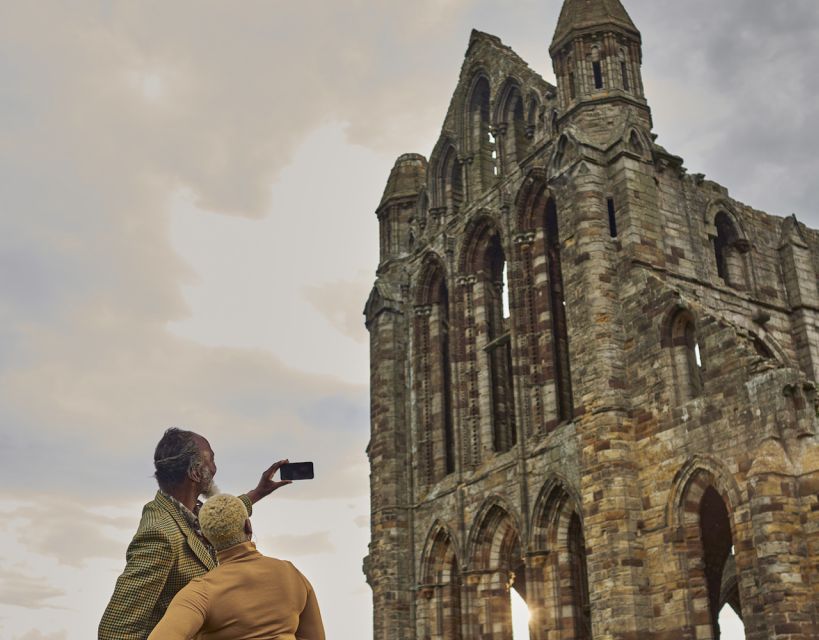
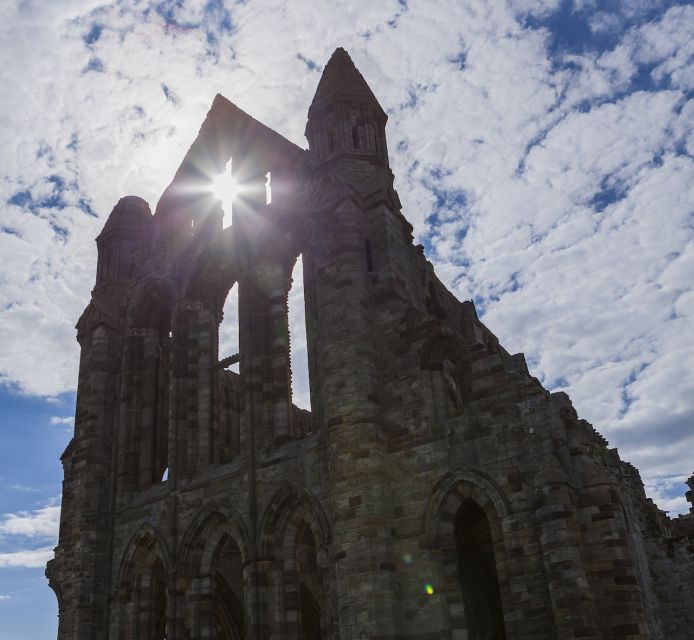
Whitby Abbey sits high on a cliff above the coast and the fishing port. That setting matters. When you’re standing amid the ruins, you’re not just looking at old stone, you’re also seeing the sea and coastline that shaped the abbey’s power and appeal.
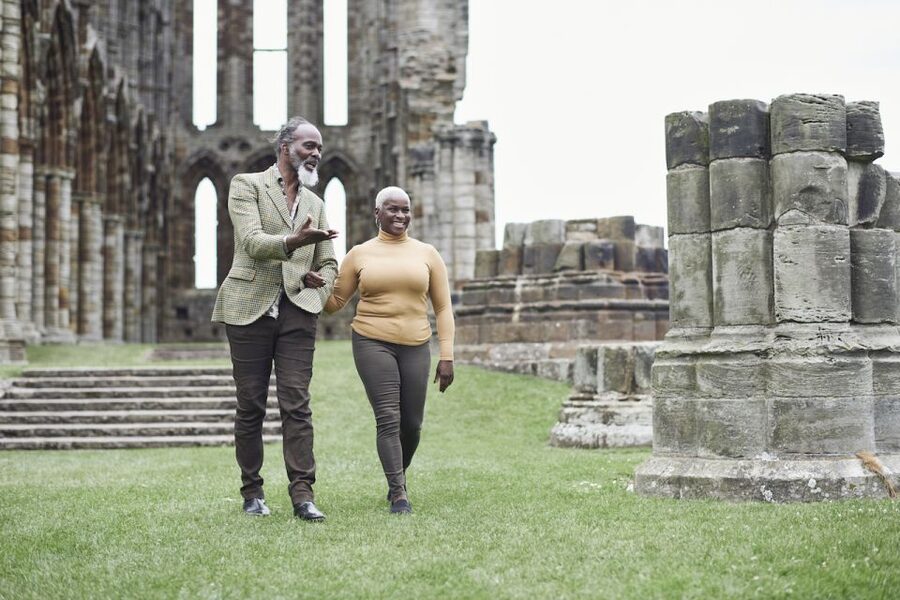
You’ll be walking through Gothic ruins that stretch across wide open grounds. The pace is easy to control, because there are spots to stop, look, and catch your breath. In practical terms, this is a good place to slow down even if you came with a photo plan in mind.
Getting there, and why the steps are part of the experience
Think of the walk up to the abbey as part of the attraction, not just a chore. In the experience you have the ticket for, you enter at the Whitby Abbey entrance, then you work your way through the approach routes toward the abbey area.
A couple of useful tips from real visits:
- Expect a lot of stairs. One visitor mentioned the 100 Steps, and another mentioned doing 199 steps. Either way, you’ll want comfortable footwear.
- You may pass landmarks on the way up. One review noted going past a centaur and then a church on the route.
Weather can change your feel for the climb too. One visitor described fog lifting as they were up by the abbey, which meant clearer views for photos on the second pass. So if you hit thick fog, don’t assume you’re stuck. Give it time, then look again after a short walk around.
Museum time: Viking raids, Saxons, and the people behind the stone

If you only do the ruins, you’ll miss a big part of what makes Whitby Abbey meaningful. The museum helps you read the place like a story.
What you can expect in the museum:
- Tales of Viking raids and saintly Saxons
- The abbey story tied to St Hild, including the famous tale of her fighting snakes
- The connection to Caedmon, described as the first named English poet
- A path forward to how Whitby Abbey helped inspire Bram Stoker
The value here is simple: the museum turns a viewpoint into a timeline. Without it, you’re looking at atmosphere. With it, you’re also understanding why religious leaders, artists, writers, and poets kept coming back to this spot.
If you like history, I’d treat the museum as your anchor. Then when you go back outside, the ruins feel less like random fragments and more like the physical setting for those legends.
Wandering the abbey ruins and open grounds
Once you’re out in the ruins area, you get the reward that keeps people coming back: the combination of scale and coastal drama. The abbey is set in a way that makes sightlines important. Every angle brings the cliffs, the sea air, and the coastline into the frame.
What I like most about walking the grounds:
- You can pause without feeling rushed. There are places to sit and take in the views, which is great if you plan to spend real time photographing.
- The open areas let you spread out. You can choose a slow route for the details, or a quicker route if you want big views first.
Keep your eyes open for how the abbey story stretches over time. The abbey was originally founded in AD 657 by King Oswy of Northumbria, and that very long timeline is part of the “why” behind the ruins you’re looking at today.
The old church and graveyard stop for context
A smart add-on is to include the old church and graveyard areas. One visitor specifically called these out as worth seeing, and it makes sense. They help you connect the abbey’s religious life to the human scale of worship and memory.
This part also helps when you’re trying to pace yourself. If you’ve done the museum and the main ruins area, the church and graveyard can feel like a calmer branch off the main loop.
Bram Stoker at Whitby Abbey, and why it works
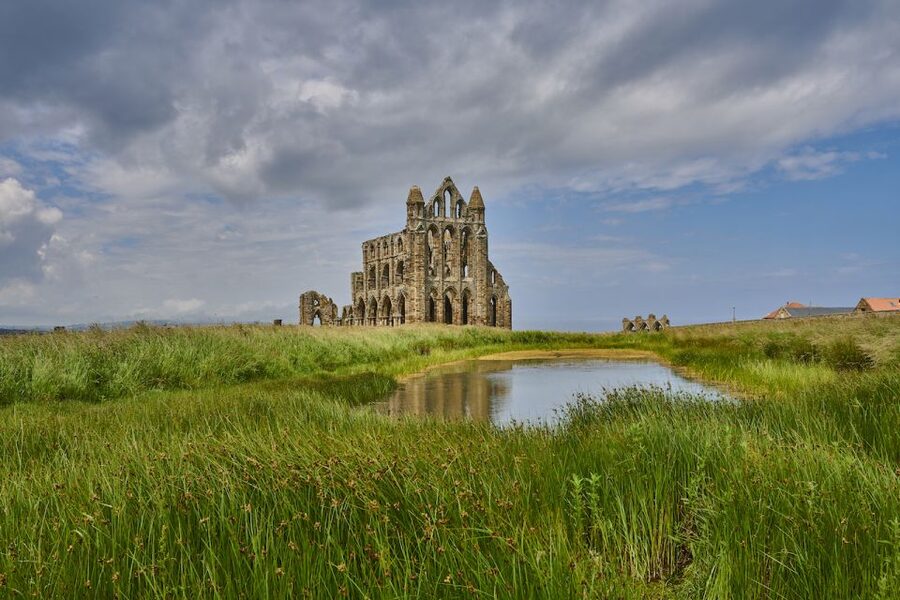
Even if you’re not deep into Gothic literature, you can still feel why Bram Stoker drew inspiration from Whitby. It’s not just a name on a sign. It’s the atmosphere created by the cliff setting, the ruins, and the long thread of religious story tied to the abbey.
The practical way to experience this is to look at the abbey itself after you’ve learned the museum threads. Once you connect the place to St Hild, Caedmon, and the larger historical mix of Vikings and Saxons, the Dracula link starts to feel less random and more like a natural outcome of Whitby’s identity.
Photo tips that match the way the place actually looks
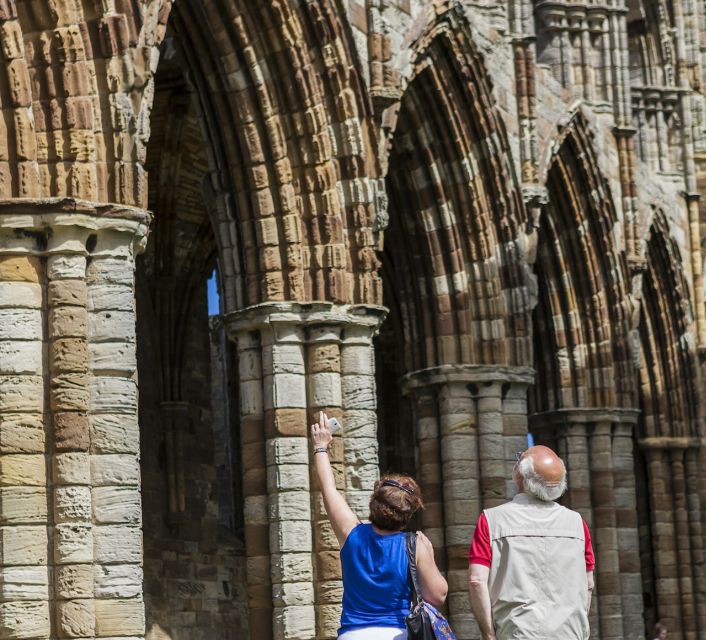
Whitby Abbey is a photography magnet, but the photos look best when you match your strategy to the location.
Here’s what works well:
- Bring a plan for viewpoints. The cliff views are a core feature, so build time for at least two rounds around the main areas.
- If the weather changes, adjust. One visitor caught fog lifting while walking around, then got another set of photos when the view cleared.
- Take advantage of seating. If you’ve got a bench moment, use it. It’s often the easiest way to frame the ruins against the sea without rushing.
Also, don’t ignore the small details. Stone textures, doorway shapes, and the way the ruins relate to the skyline can give you strong shots even on cloudy days.
How long to plan for, and how to pace your day
This is a 1-day ticket, and that makes it ideal for a stop while you’re in North Yorkshire. The key is pacing because the visit combines multiple “types” of experiences: museum learning, outdoor walking, and viewpoint time.
I’d plan around three priorities:
- Museum time for the Viking and Saxon stories and the St Hild and Caedmon connections
- Ruins time for the cliff views and Gothic atmosphere
- Outdoor comfort time, meaning seating breaks and slower wandering
Your pace matters because of the steps and uneven ground. Even if you’re fit, giving yourself cushion time helps you enjoy it instead of just surviving it.
Value: is a $15 ticket fair for Whitby Abbey?
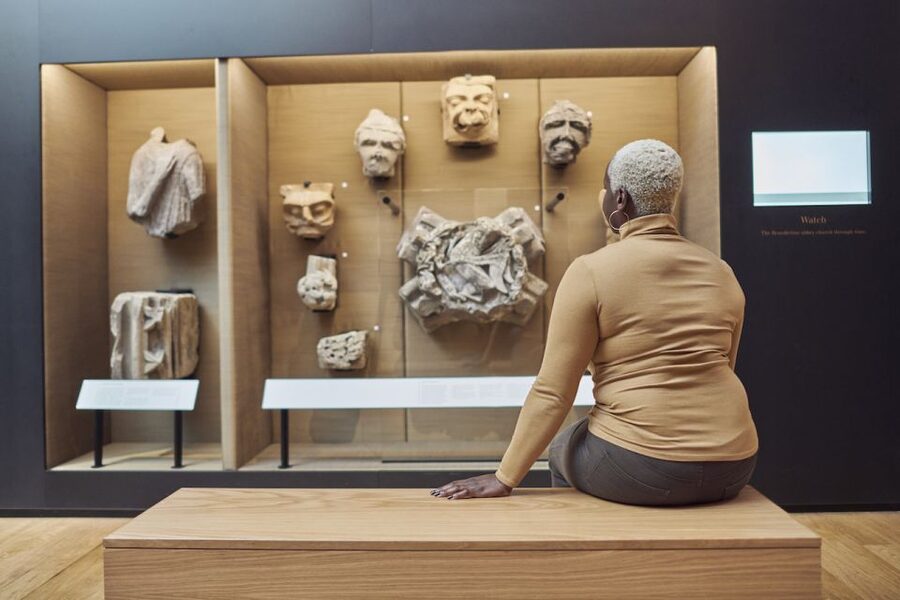
At about $15 per person, this ticket is good value if you use it as more than a quick look. The reason is that you get multiple layers in one place:
- The ruins and sweeping coastal viewpoints
- The museum with themed stories (Vikings, Saxons, St Hild, Caedmon)
- A broader abbey experience that connects to literary inspiration
If you just want a view and a few photos, the cost still isn’t outrageous. But the best value comes when you treat it like a full half-day to a full day activity, with time to read and look, not just pass through.
For many people, the museum is what turns “pretty ruins” into “I get it now.” And that’s where the ticket feels especially worthwhile.
Who should book this Whitby Abbey ticket
This works well if you:
- Want a classic England cliffside ruin with strong photo moments
- Like your history with stories, not only dates
- Enjoy places where literature connects to real locations
- Prefer a flexible day you can shape around views, seating breaks, and museum time
It’s also a good option for families, since the experience is self-paced once you’re there. If you have mobility concerns, note that the site includes significant steps based on visitor experiences. That said, the ticket is wheelchair accessible, so it is designed to be reachable, not only for able-bodied hikers.
Book or skip? My honest call
Book this if you want a one-day stop that mixes atmosphere with actual context. The museum makes a difference, and the cliff views are the payoff. If you struggle with stairs or long uneven walking routes, you should think carefully and plan for extra time, then focus on the areas that feel easiest for you.
If you’re traveling for photos and story in the same day, Whitby Abbey is one of the rare spots where both happen naturally without extra detours.
FAQ
How much is the Whitby Abbey ticket?
The price is $15 per person.
How long is the experience?
It is listed as a 1-day visit.
Where do I show my ticket?
Show your ticket at the entrance to Whitby Abbey.
What is included?
The ticket to Whitby Abbey is included.
What language is the host or greeter?
The host or greeter is English, and the languages listed are English.
Is it wheelchair accessible?
Yes, wheelchair accessible is listed.
Is there free cancellation?
Yes, you can cancel up to 24 hours in advance for a full refund.
Can I reserve now and pay later?
Yes, reserve now & pay later is available.
FAQ
Is there a small group option?
Small group is listed as available.
York & the Yorkshire Dales, compared.
 ★ 5.0Mad Alice’s The Bloody Tour of York -Best Tour Award EuropeFrom $202,749 reviews
 ★ 4.2York: Daytime Sightseeing Boat Cruise with Live CommentaryFrom $202,618 reviews
 ★ 4.4Comedy Horror Show: York Ghost Bus TourFrom $262,496 reviews
 ★ 4.5Ghost Bus Tour of YorkFrom $272,404 reviews
 ★ 5.0Shadows of York: Ghost Walk and Horrible History.From $181,403 reviews
 ★ 5.0Private Historical Walking Tour of YorkFrom $1951,324 reviews
 ★ 4.5Daytime Sightseeing Boat Cruise in YorkFrom $201,256 reviews
 ★ 4.5York: Harry Potter Guided Walking TourFrom $181,231 reviews
Also filed under