
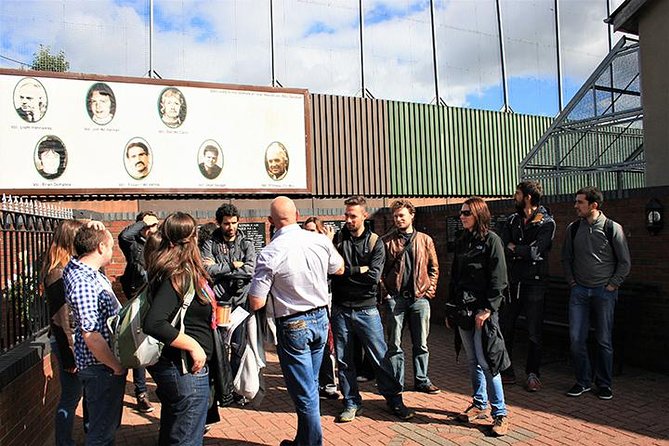
REVIEW · BELFAST TOURS & POLITICAL MURALS
Belfast Political Tour-Conflicting Stories Walking Tour
This walk forces you to look twice. Belfast’s peace wall is the backdrop, but the real story is told by people who lived it, on both sides. I loved seeing political murals up close and getting conflicting stories that never feel watered down. The main drawback is emotional content, plus it’s a lot of outdoor walking in wind.
You meet at Divis Tower and finish near the Lower Shankill Road, with the group typically kept small. Expect about 3 hours of stops, talk, and questions, and plan for a cool day even in mild weather.
In This Review
- Key things to know before you go
- Entering Belfast’s peace wall reality check
- Start at Divis Tower, then walk two 1.5 hour halves
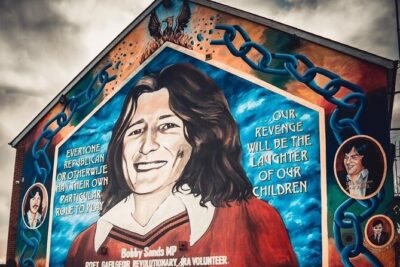
- Stop 1: Bobby Sands mural and nationalist West Belfast stops
- Stop 2: Shankill Road murals, memorials, and bombings from the loyalist view
- How the guides shape what you learn on both sides
- What to expect from the emotional tone and pacing
- Price and value: $36.05 for three hours of street-level history
- Who this tour fits best in your trip plan
- Should you book this Belfast conflicting stories walking tour?
- FAQ
- How long is the Belfast Political Tour-Conflicting Stories walking tour?
- How much does it cost?
- Where do I meet, and where does the tour end?
- What languages is the tour offered in?
- Is the tour dependent on weather?
- Can I cancel for a full refund?
Key things to know before you go
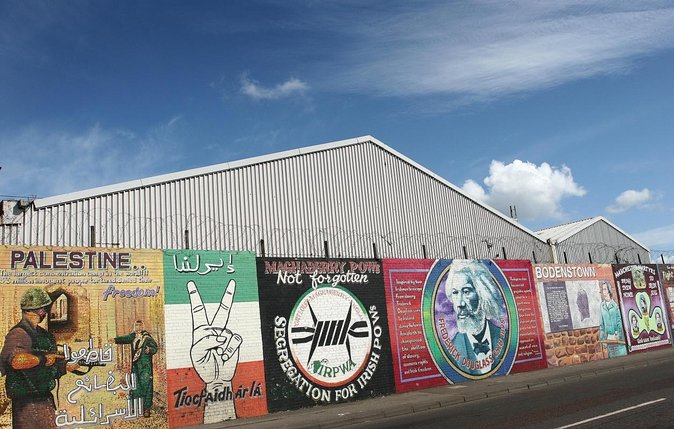
- Two guides, two perspectives: you walk West Belfast’s boundary with different voices guiding each half
- Murals that function like history books: Bobby Sands and loyalist memorials are hard to forget
- Real personal accounts: you may meet ex-political prisoners who share what daily life felt like
- Comfort beats style: comfortable shoes and layers matter more than you think
- You can’t rush it: the route is stop-and-go, with time for stories at each point
Other Belfast tours, city and political
- Titanic Belfast Entrance Ticket: Titanic Visitor Experience Including SS Nomadic
★ 4.5 · 3,698 reviews - Cab Tours Belfast Famous Black Taxi Tours
★ 5.0 · 3,633 reviews - A History of Terror – Belfast City Centre Walking Tour
★ 5.0 · 2,883 reviews
Entering Belfast’s peace wall reality check
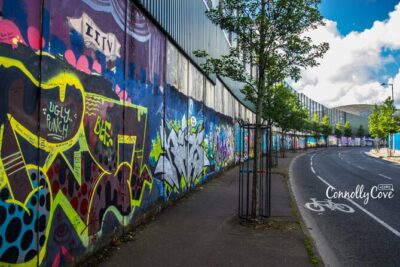
Belfast’s conflict is not stuck in the past. On this tour, the peace wall is the physical line you keep walking along, and it changes how you see everything nearby. One thing that hit me is how geography becomes memory. Even when the streets look normal, the wall reminds you that trust was broken for a long time, and daily life grew around that reality.
I also like that this tour does not treat the Troubles like a single tidy narrative. You’re shown why each community remembers differently. Some of the most striking moments are small ones, like hearing that the gates in the peace wall still close at night (many nights at 8pm). That detail makes the word peace feel complicated. The goal is not to hand you a solution. It is to help you understand how people live with the legacy.
And yes, you should expect emotion. Several parts of the walk are about loss, violence, and fear. If you come looking for debate-bro fireworks or easy answers, you may leave frustrated. If you come curious, you’ll likely leave with a sharper sense of why Belfast feels the way it does today.
Start at Divis Tower, then walk two 1.5 hour halves
The tour starts at Divis Tower, Belfast BT12 4QA and ends near 154 Shankill Rd, Belfast BT13 2BE. When you finish, you’re a short walk back toward the city centre, and the guide helps with directions or getting a taxi if you want one.
It runs about 3 hours total, and it’s effectively two halves of roughly 1 hour 30 minutes each. That structure matters. You get enough time on each side to hear the framing, not just a quick sampler. The pace is moderate, but you will walk. Reviews consistently point out that the wind can be a factor and that you should dress warmer than you expect.
You’ll also be walking in a very public urban setting. That’s part of the authenticity, but it also means you might hear traffic at busy points. One unhappy review complained about audio being muffled due to microphone placement and heavy street noise. I’d plan for that possibility by choosing a spot where you can see the guide clearly and ask if you can’t hear well.
Group size is kept to a maximum of 20 travelers, which helps. A smaller group makes questions more likely and keeps the walk from feeling like a lecture hall. The tour is offered in English, with a mobile ticket, and it runs near public transportation. Service animals are allowed, and the tour notes that most people can participate, which is good to know if you’re deciding between options.
Practical tip I’d follow: bring layers, comfy footwear, and consider a small snack and water. On one tour day, a comfort break was built in early during the second half, which is exactly what you want when you’re out in the wind.
Stop 1: Bobby Sands mural and nationalist West Belfast stops
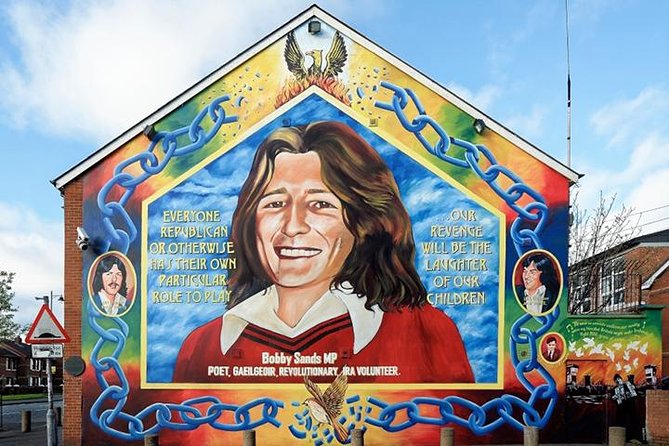
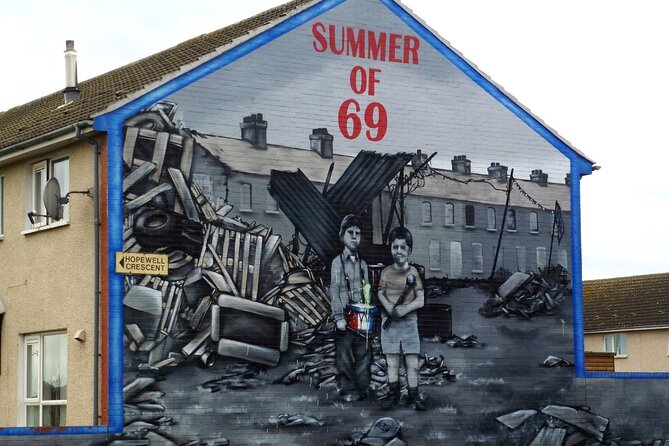
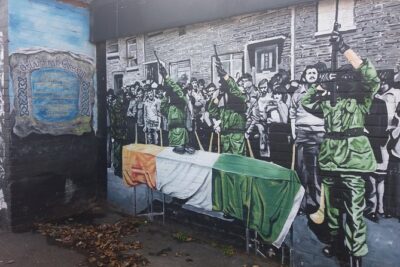
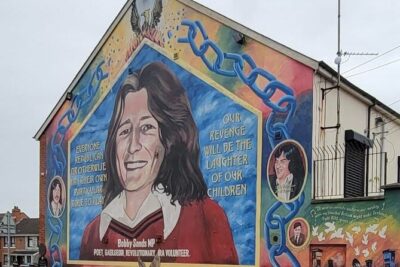
The Falls side half focuses on nationalist West Belfast. You start with mural-rich stops that feel like public memory, not street decoration. This is where you’ll see the International Wall, the Bobby Sands Mural, the D Company memorial garden, and you’ll also be taken along Bombay Street.
Bobby Sands is not just a name on a wall. It functions as a symbol that carries meaning for the community. The mural helps you see how political identity can be expressed in art, and how that art stays visible even when politics changes. When an ex-political prisoner or local guide talks in this space, the background becomes more than history. It becomes a lived context, the kind you can’t get from a book.
The D Company memorial garden adds another layer. Gardens and memorials are quieter than murals, and they invite a slower kind of attention. You’ll likely feel the shift in tone as the tour moves from bold wall imagery into something more reflective. That contrast is part of why this stop works.
One thing I’d be careful about: this is not sanitized storytelling. The nationalist framing can include anger, sharp opinions, and justifications tied to a long chain of events. You don’t have to agree with every interpretation to recognize the logic inside it. The real value is understanding why people feel what they feel.
If you’re the type who needs facts and dates to stay grounded, ask questions. Guides here often offer both political history and personal context. You can also watch for how each guide draws the timeline, because that’s where the “conflicting stories” really shows up.




Stop 2: Shankill Road murals, memorials, and bombings from the loyalist view
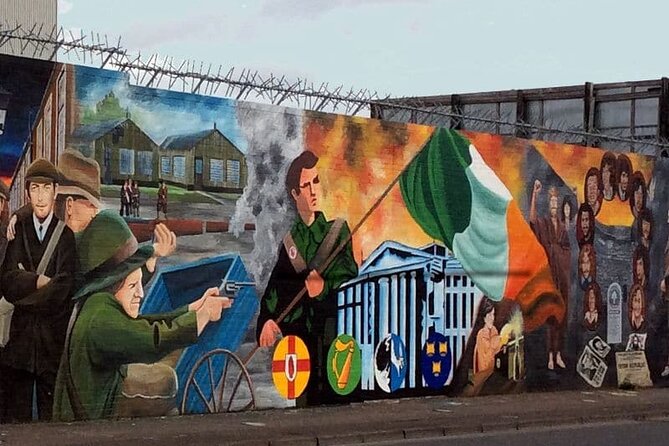
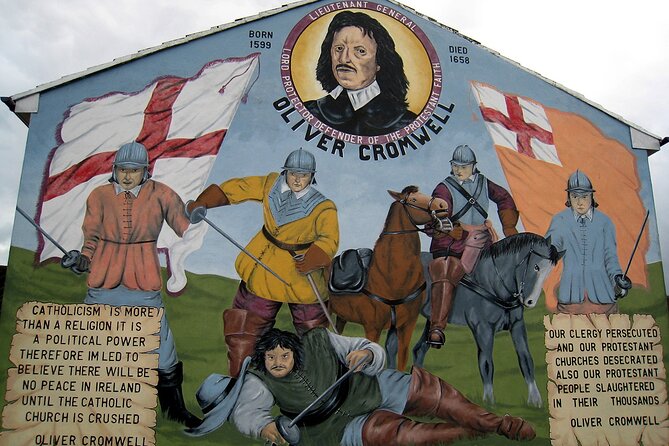
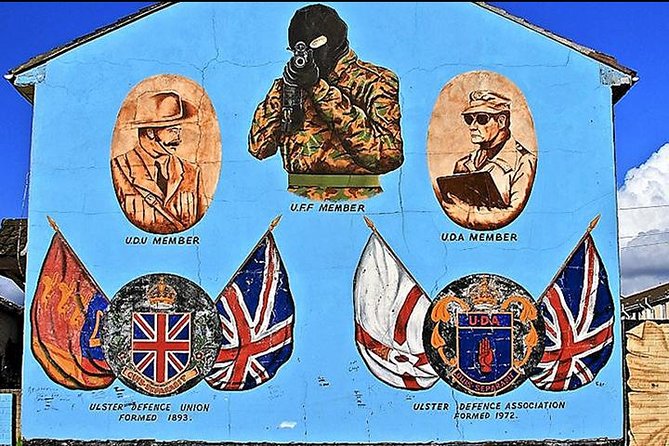
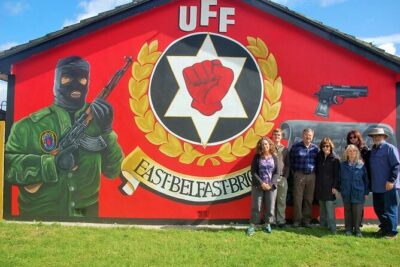
After you cross the feel of the peace wall, the Shankill Road half brings a loyalist perspective. This side is mural-heavy too, but the emotional focus can be different. The stops include the Shankill Memorial Garden, plus sites tied to major bombings and community loss, such as the Bayardo Bombing and the Frizzells Fish Shop Bombing. You’ll also see the UVF Memorial, and the Somme Memorial is part of the story arc here as well.
What I found most useful about this half is that you hear how violence is remembered at street level. It’s not just “what happened,” it’s how it affected daily routines, childhood, and community trust. Some guides share how friends from different backgrounds were lost, and that changes the tone from political slogans to personal grief.
The loyalist memorials can also feel like a direct answer to what you heard earlier. That’s the point. The conflict is not only about the events, it’s about the interpretation. Standing at these sites, you can see why each side believes it is protecting something, even when outsiders view the logic as dangerously incomplete.
As with the Falls side, this half can be heavy. Expect discussion of atrocities and the cost paid by ordinary people. You might also hear a thread about peace and a commitment to moving forward. In at least one account, both sides of the story framed their current stance as peace-focused, even after describing terrible violence. That combination can be unsettling, but it’s also realistic. People can want peace and still carry anger and grief.
Practical detail: the route on Shankill Road can be busy, so again, pick a spot where you can hear. If audio is tough, don’t struggle silently. Ask the guide to repeat or slow down. A good guide will adjust, and many guides on this tour are described as open to questions.
How the guides shape what you learn on both sides
This tour’s reputation makes sense because the guides are not just reciting. The highlights say you meet ex-political prisoners who share personal stories, and that comes through in the way people describe the walk as spoken from the heart.
Names that have shown up in real accounts include Paul and Ian on some departures, and Jack and Mark on others. The key pattern is what those guides share: personal experience, community framing, and why the conflict still matters in daily life. In other words, you get story plus context, not just story alone.
That said, I want to be honest about variability. One very negative experience described audio problems and an off-topic comparison between the Troubles and the American Civil War. That reviewer also said the guide’s microphone setup made it hard to hear. I can’t predict your guide, but you can protect yourself a bit. Arrive on time, stand where you can see and hear, and be ready to ask a targeted question when you feel the narrative drifting away from what you want.
Also, don’t expect a “both sides are the same” lesson. These guides often emphasize their own community’s rationale and pain. What you should take away is not agreement. It’s the ability to understand how two different memories can grow from the same set of events.
What to expect from the emotional tone and pacing
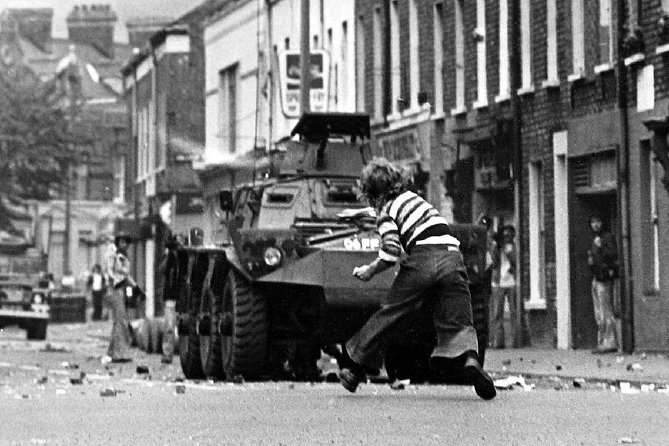
This is a walking tour with a serious subject. The route stays mostly flat, but that doesn’t mean it feels easy. Reviews repeatedly mention windy conditions, and the tour is described as full 3 hours outside. Dress for that. Even if it’s sunny at the start, wind can hit hard once you’re along the boundary streets.
The pacing is structured around stops. Each half is about 1 hour 30 minutes, and there are multiple locations within each side. That means you’re not rushing from mural to mural. You’re getting a narrative attached to each one. Some stops are louder, some are gardens and memorials that create a quieter pause.
A small but smart tip from reviews: you might see the peace wall as an active surface where people sign it. If you want that, bring a pen or marker. It’s not a must-do, but if you like the idea of leaving a small mark, it’s worth having the tool.
Finally, go in with an open mind, not a closed one. Several strong reviews frame this as thoughtful and authentic, and they describe the tour as moving through geography, memory, and community understanding. If you’re hoping for fireworks, you may be disappointed. If you’re hoping to understand why division can persist, you’re in the right place.
Price and value: $36.05 for three hours of street-level history
At $36.05 per person, this tour sits in a reasonable range for a private-feeling guided experience. The big value driver is that you’re paying for two complete guided halves with local input, not just a single stop.
Another value factor: the key mural stops on the Falls side are listed as free to access, and the tour is built around public spaces and memorial sites. So a chunk of the cost is about guiding and storytelling, not admissions.
A small group limit of 20 travelers also changes the feel. You can ask questions without shouting into a crowd. And since you’re walking through real neighborhoods rather than a museum circuit, you get practical context for how the Troubles and its aftermath shaped daily life.
If you’re choosing between this and a more traditional “general Belfast history” option, this one is more pointed. It is not trying to cover everything evenly. It is focusing on one boundary and the stories that lived there. For the right traveler, that focus is exactly what makes it worth the money.
Who this tour fits best in your trip plan
I think this tour works best if you want Belfast to make sense as a real place, not just a backdrop for a bus ride. If you like walking tours that teach you how people think and remember, you’ll probably enjoy the structure.
You’ll also like it if you want both sides without pretending it’s simple. The format is designed around conflicting stories, and that forces you to pay attention. You might leave still disagreeing with parts of what you hear, but at least you’ll understand the logic inside the disagreement.
This tour may not be the best fit if you want a light day. It’s thoughtful, confrontational, and sometimes uncomfortable. It also offers limited time for casual sightseeing outside the main route. If you’re traveling with someone who prefers sanitized history, you may need to prep them.
Booking ahead makes sense. The tour is commonly booked about a month in advance on average, so if your dates are fixed, don’t wait too long.
Should you book this Belfast conflicting stories walking tour?
Yes, if you can handle emotion and you’re genuinely curious about why Belfast division took the shape it did. I’d book it if you want street-level political history, mural context, and personal voices from both sides of the peace wall. The best reason to choose it is simple: you get two conflicting narratives anchored to real places, not abstract debate.
If you’re only looking for a cheerful overview or you want a neat explanation with solutions, you might feel frustrated. But if you want the kind of understanding that sticks, especially the kind that makes you see the peace wall as more than a photo stop, this is a strong pick.
FAQ
How long is the Belfast Political Tour-Conflicting Stories walking tour?
It runs for about 3 hours.
How much does it cost?
The price is $36.05 per person.
Where do I meet, and where does the tour end?
You meet at Divis Tower, Belfast BT12 4QA, and the tour ends at 154 Shankill Rd, Belfast BT13 2BE.
What languages is the tour offered in?
The tour is offered in English.
Is the tour dependent on weather?
Yes. The experience requires good weather. If it’s canceled due to poor weather, you’ll be offered a different date or a full refund.
Can I cancel for a full refund?
Yes. You can cancel for a full refund if you cancel at least 24 hours before the experience start time.
Belfast: City, Murals, History
- Titanic Belfast Entrance Ticket: Titanic Visitor Experience Including SS Nomadic★ 4.5 · 3,698 reviews
- Cab Tours Belfast Famous Black Taxi Tours★ 5.0 · 3,633 reviews
- A History of Terror – Belfast City Centre Walking Tour★ 5.0 · 2,883 reviews
- Game of Thrones and Giant’s Causeway Full-Day Tour from Belfast★ 5.0 · 2,291 reviews
Fresh off the Belfast review pile





Belfast Tours & Political Murals, compared.
 ★ 4.8Giants Causeway, Dark Hedges, Dunluce & Belfast TourFrom $1128,843 reviews
 ★ 4.5Titanic Belfast Entrance Ticket: Titanic Visitor Experience Including SS NomadicFrom $373,698 reviews
 ★ 5.0Cab Tours Belfast Famous Black Taxi ToursFrom $1003,633 reviews
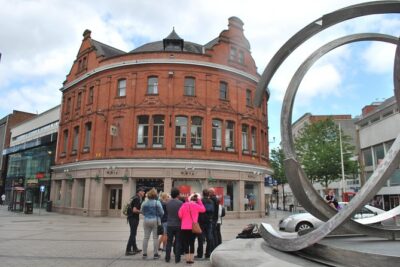 ★ 5.0A History of Terror – Belfast City Centre Walking TourFrom $362,883 reviews
 ★ 5.0Game of Thrones and Giant’s Causeway Full-Day Tour from BelfastFrom $482,291 reviews
 ★ 5.0Private Black Taxi Belfast City TourFrom $1102,188 reviews
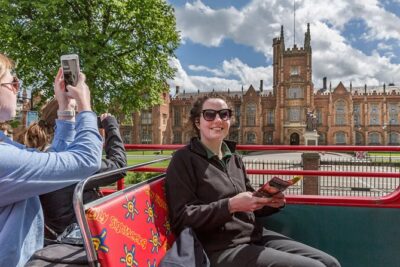 ★ 4.5City Sightseeing Belfast Hop-On Hop-Off Bus TourFrom $132,012 reviews
 ★ 5.0Giants Causeway & Castles Tour from Belfast: Guided tourFrom $331,432 reviews
Also filed under