
REVIEW · BRIGHTON & THE SUSSEX COAST
Brighton: Royal Pavilion Admission Ticket
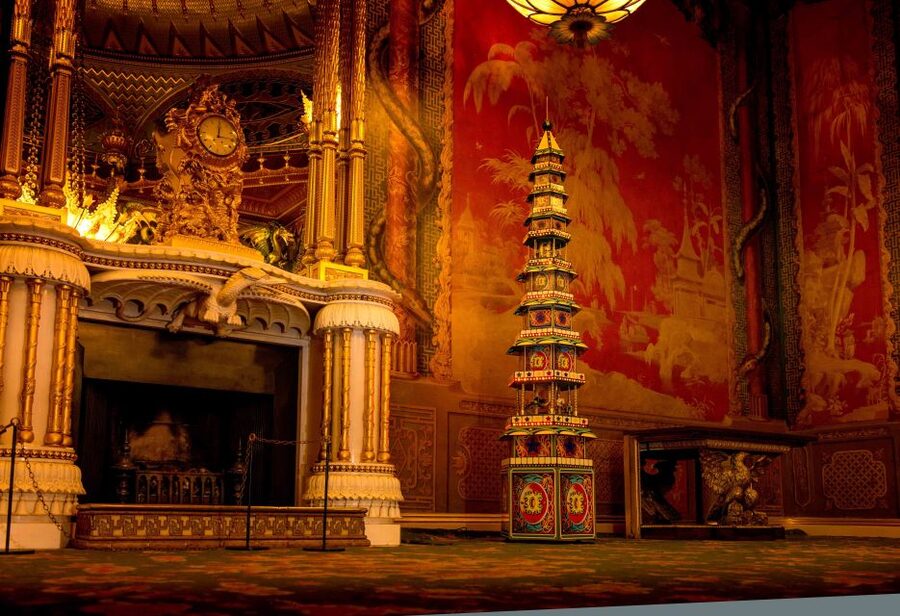
Brighton’s Royal Pavilion hits like a visual prank. I love the Chinese-inspired interiors restored to John Nash’s 1823 vision, where the rooms feel theatrical without needing much explanation. I also love the staff stewards who talk through the objects and help you understand what you’re looking at. One catch: cameras aren’t allowed, and there’s no passenger lift, so you need to be ready for stairs.
Start at the Royal Pavilion Garden entrance, then follow a route that takes you from lavish ground-floor rooms up to Queen Victoria’s bedroom, and out to the gardens. You also get the big storyline beyond the palace look, including how the building served as a First World War hospital for Indian soldiers.
In This Review
- Key things that make this ticket worth your time
- Royal Pavilion Brighton: a palace with two identities
- Where you enter and how to plan your 1-day pass
- Ground floor staterooms: banqueting room, music room, saloon, and kitchen
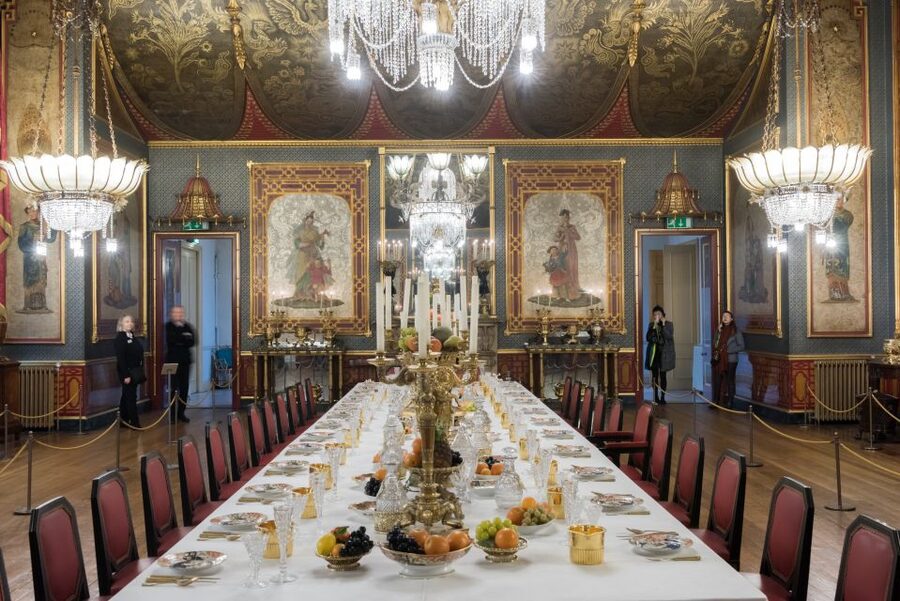
- The banqueting room
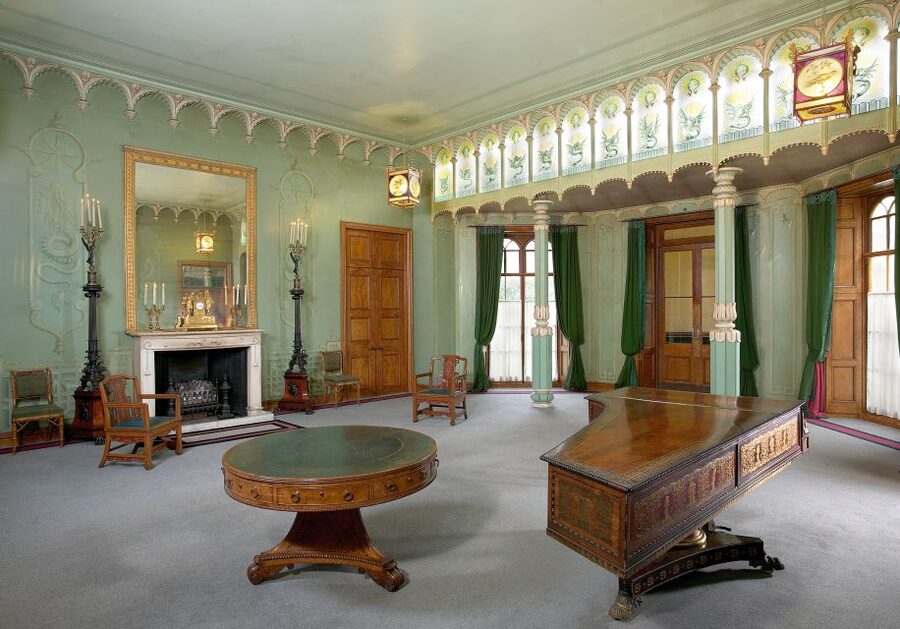
- The music room
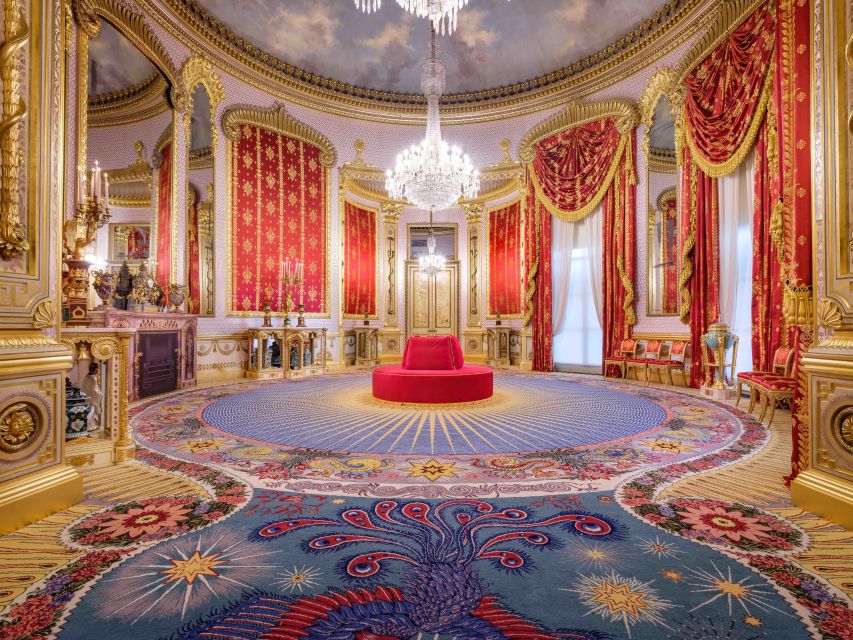
- The magnificent recently restored saloon
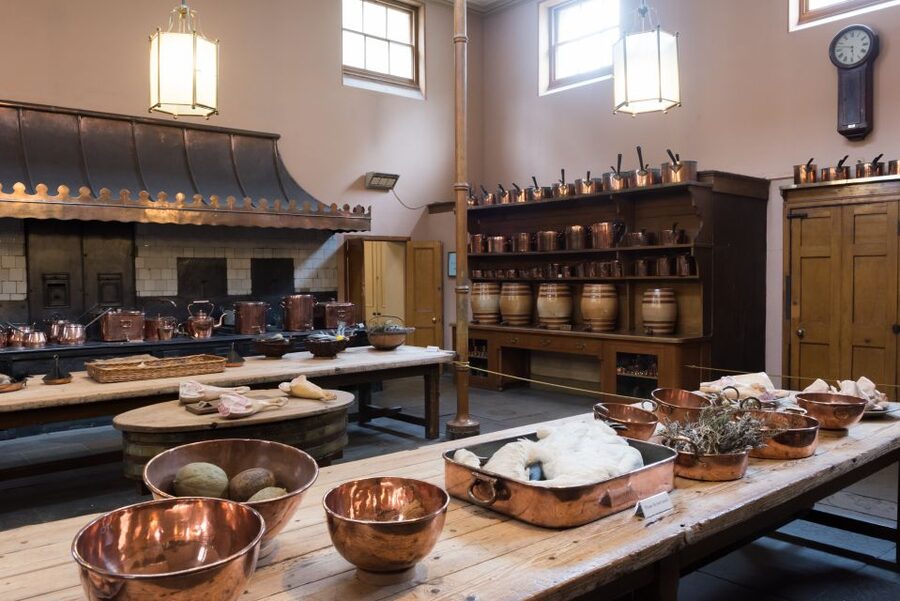
- The great kitchen
- Upstairs and Queen Victoria’s bedroom, plus the stair reality
- The gardens: where the visit slows down
- The First World War hospital chapter you should not skip
- How the staff and audio support shape your experience
- Price and value: what you’re really paying for
- Who this ticket suits best, and who should reconsider
- Practical tips to make your visit easier
- Should you book the Royal Pavilion admission ticket?
- FAQ
- How much does the Royal Pavilion admission ticket cost?
- How long is the ticket valid?
- Where do I enter the Royal Pavilion?
- What parts of the Royal Pavilion does the admission include?
- Are cameras allowed inside?
- Is the Royal Pavilion wheelchair accessible?
- Is there a lift to reach the first floor?
- Are mobility scooters allowed inside?
Key things that make this ticket worth your time
- Restored 1823 palace style, including the Chinese-inspired interiors tied to John Nash
- Ground-floor showpieces like the banqueting room, music room, restored saloon, and great kitchen
- Queen Victoria’s bedroom upstairs, plus an AV video option if stairs are tough
- A real-life First World War hospital chapter, including the setting for Indian soldiers
- Room stewards and an audio option that make the visit easier to follow
More of Brighton and the chalk coast
- Brighton: Royal Pavilion Admission Ticket
★ 4.7 · 956 reviews - From Brighton: Seven Sisters and South Downs Tour
★ 4.9 · 746 reviews - SEA LIFE Brighton Admission Ticket
★ 4.0 · 468 reviews
Royal Pavilion Brighton: a palace with two identities
The Royal Pavilion in Brighton can look like a dream you would not normally trust, all decorative shapes and bold interior design. But it is not just style for style’s sake. It is a royal building with a clear purpose, shaped by the tastes of its era, then repurposed by later generations.
What you feel when you walk in is the contrast. One moment, you’re staring at opulent rooms and thinking, ok, this is how royalty wanted to live. The next, the building’s story widens, including its use as a civic site and later as a military hospital during the First World War.
That double identity is exactly why I think the Royal Pavilion works so well as a one-day visit. Even if you only have a couple hours, you’re seeing more than decor. You’re watching history change clothes.
Where you enter and how to plan your 1-day pass
Your entry point is the Royal Pavilion Garden, accessed from Pavilion Buildings, New Road, or Church Street. That matters because it sets the tone immediately. You begin outdoors, then transition into a palace designed to feel like you’ve stepped into another world.
This is a day pass, so you’re not rushing to fit in a short timed tour. Still, plan a route so you don’t miss the main rooms. A simple strategy helps:
- Do the ground-floor rooms first, since they contain the most frequently mentioned highlights like the banqueting room, music room, restored saloon, and great kitchen.
- Then move upstairs for Queen Victoria’s bedroom.
- Finish with the gardens, so you end on open-air calm.
If you’re traveling light, note what you cannot bring. Luggage or large bags are not allowed, and mobility scooters are not allowed inside the building. If you bring a small bag, keep it easy to manage, because you may be asked to store or refuse larger items.
Also, plan on no cameras. That sounds like an annoying rule until you realize it pushes you to actually look, not just shoot.
Ground floor staterooms: banqueting room, music room, saloon, and kitchen
The ground floor is where the Royal Pavilion flexes its dramatic personality. These are the rooms you’ll most often hear people highlight because they show the building’s restored look in full.
Here’s what to focus on, room by room:





The banqueting room
This is the room that makes the whole place feel like a stage. When you stand in front of a banqueting setup in such a decorative setting, the past feels oddly specific. You start thinking not only about decoration, but about what people might have done there, and how a royal guest would have moved through the space.
The music room
This one is all about atmosphere. The design pushes the idea that sound, performance, and social life belonged in these spaces. Take your time with ceilings and wall detailing, because the room’s look is part of the experience, not just the background.
The magnificent recently restored saloon
This is a big highlight, and restoration is a key part of what makes the Pavilion satisfying. You’re not just looking at something old. You’re seeing careful work that keeps the original 1823 style readable today.
If you’re the type who usually skips restoration stories, give this one a second chance. Restoration here is not hidden in a corner. It’s part of why the rooms feel like you can still picture a royal visit.
The great kitchen
The kitchen is a helpful reality check. Royal palaces are often presented as comfort and spectacle, but kitchens show the labor side of daily life.
One detail I’d watch for is how staff roles worked under demanding conditions. The way the Pavilion explains how kitchen operations were handled, including heat challenges, adds a layer most visitors do not expect from what looks like a purely decorative interior.
Upstairs and Queen Victoria’s bedroom, plus the stair reality
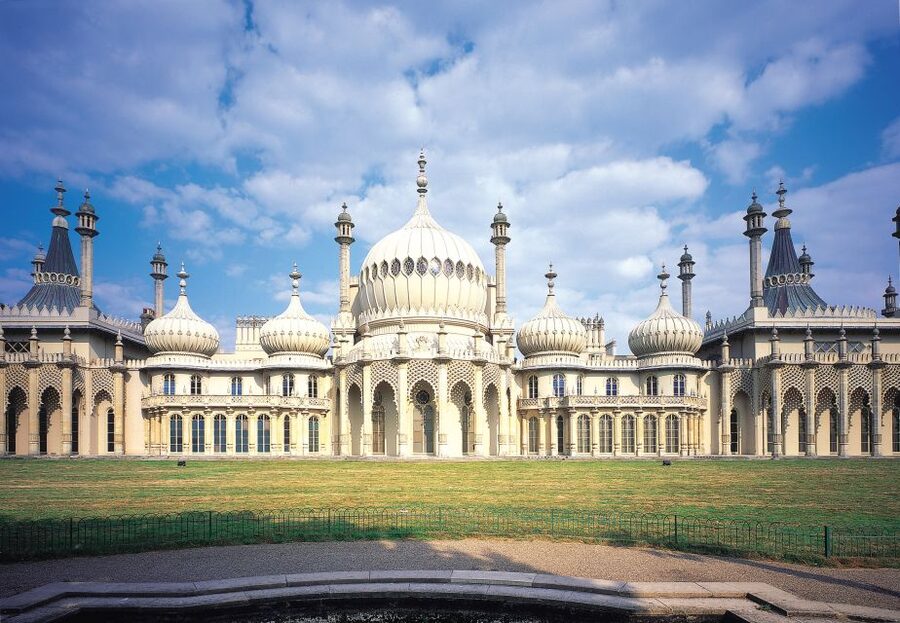
Upstairs is where the visit shifts from “palace rooms” to something more personal: Queen Victoria’s bedroom. It’s a room that changes the tone. You’re not just seeing settings. You’re seeing a life-space tied to a famous name.
Now for the practical part. There is no passenger lift in the building. If stairs are a problem for you, there is an AV room where you can watch a video of the first floor. That option is a big deal, because it means your visit does not stop at the ground-floor level.
Wheelchair access is noted as wheelchair accessible, but there are restrictions that you should plan around:
- Mobility scooters are not allowed inside the building.
- Some manual wheelchairs are available, and you can request them on arrival, but they cannot be pre-booked.
- Non-folding wheelchairs are not allowed.
If you’re going with anyone who uses mobility support, it’s smart to bring a little patience. This is a historic building, and the infrastructure reflects that.
The gardens: where the visit slows down
When you finish the indoor rooms, the gardens give your eyes and brain a break. The Royal Pavilion Garden is also your starting point, so it makes sense that it’s part of the full loop.
Think of the gardens as more than scenery. They help you reset between rooms that are visually intense and emotionally specific. After hours of ornate interiors, stepping outside lets you put the palace into the real Brighton setting.
For many people, this is also where the visit feels more flexible. You can pause longer if you need it, especially if you’re revisiting room details you didn’t fully catch the first time through.
The First World War hospital chapter you should not skip
The Royal Pavilion is not only a palace you admire from the inside. It also has a serious chapter connected to the First World War, including its use as a military hospital for Indian soldiers.
Why is this part worth your attention? Because it changes what the Pavilion means.
You can treat the Pavilion as a design museum, all color and costume. Or you can treat it as a building that kept serving people even after the royal era faded. Learning this hospital use adds weight to the rooms you already saw, especially once you understand how spaces get repurposed under pressure.
Even if you’re not a history buff, this storyline gives your visit a spine. It keeps the visit from being only pretty surfaces.
How the staff and audio support shape your experience
A lot of places have helpful staff. The Royal Pavilion stands out because the explanation feels built into the visit, not attached as an afterthought.
You’ll find stewards in the rooms offering information and answering questions. That matters because many visitors come for the architecture, then want help translating it into meaning. The room stewards can point out details you would otherwise miss and help connect the restored look to the 1820s design intention.
There’s also mention of an audio guide that does a strong job of explaining rooms and history. If you like learning while you walk, this is a great match. It also works well if you’re visiting with friends who are split between architecture and story.
A small tip: if a steward offers a quick explanation, let it land, then look again. The second look is usually where it clicks.
Price and value: what you’re really paying for
At about $26 per person, the Royal Pavilion ticket is not expensive, especially given how much interior space you’re covering on a day pass. You’re paying for access to multiple high-impact rooms, the preserved design story, and the interpretation that helps it make sense.
You’re also paying for something rarer than normal attractions. This is a building where restoration is ongoing, so you see the results of skilled care and the effort it takes to preserve a complex interior. Several visitors note that the restoration work is impressive, and you’ll feel that when you compare what you see to what you might imagine from how fragile decorative interiors can be.
If you’re deciding between this and another museum day in the same area, think about your travel style:
- If you like interior design, palace rooms, and visual storytelling, the Pavilion tends to pay off fast.
- If you hate stairs, or you expected a camera-friendly experience, you might feel more limited.
Who this ticket suits best, and who should reconsider
I’d suggest this ticket most strongly if you love:
- Quirky architecture and bold interior design
- Places where history includes both luxury and real hardship
- Visiting a building that is restored to a specific design period, not just kept as a vague old shell
It also works for special occasions. People have used it for birthdays, and the Royal Pavilion’s dramatic look naturally photographs memories, even if you cannot bring a camera.
Who might reconsider? If your day is built around low walking and no stairs, you’ll want to plan carefully around the lack of a passenger lift. The AV room video option helps, but the experience is still shaped by the physical layout.
Practical tips to make your visit easier
A few things can make your day smoother:
- Bring a plan for stairs, not just shoes. The building has no passenger lift.
- Go in the order that matches the building: ground floor first, then upstairs, then gardens.
- If you dislike crowds, try for a quieter time of day. Some school-age groups can make room access feel tighter.
- Use the staff. If something grabs your attention, ask a question. That’s usually when the explanations become memorable.
Also, since cameras are not allowed, shift your mindset. Instead of trying to record everything, pick a few rooms and really study the details. You’ll likely remember more.
There is also an on-site cafe and gift shop mentioned by visitors. If you want a break or a small souvenir, plan those as optional stops rather than rushing them.
Should you book the Royal Pavilion admission ticket?
Yes, I think you should book if you want a day that mixes spectacle, interpretation, and a story that goes beyond royal life. The Chinese-inspired 1823 interiors, the restored saloon, Queen Victoria’s bedroom, and the First World War hospital chapter all work together in a way few attractions manage.
If stairs and camera limits would stress you out, consider your options carefully. But if you’re flexible and curious, this is one of those places where you spend your money and end up with more than photos in your head.
If you’re in Brighton and you want one standout interior experience, this ticket is an easy decision.
FAQ
How much does the Royal Pavilion admission ticket cost?
The price is listed as $26 per person.
How long is the ticket valid?
Your ticket is valid for 1 day.
Where do I enter the Royal Pavilion?
Entrance is via the Royal Pavilion Garden, accessed from Pavilion Buildings, New Road, or Church Street.
What parts of the Royal Pavilion does the admission include?
With admission, you can visit the preserved rooms and areas including lavish ground-floor rooms, upstairs rooms such as Queen Victoria’s bedroom, the gardens, and the historical areas that cover its use as a First World War hospital.
Are cameras allowed inside?
No, cameras are not allowed.
Is the Royal Pavilion wheelchair accessible?
Yes, the activity is wheelchair accessible.
Is there a lift to reach the first floor?
There is no passenger lift in the building. Visitors who are unable to climb stairs can see a video of the first floor in the AV room.
Are mobility scooters allowed inside?
No, mobility scooters are not allowed inside the building. Some manual wheelchairs may be available on arrival, but they cannot be pre-booked.
Brighton and the Sussex Downs
- From Brighton: Seven Sisters and South Downs Tour★ 4.9 · 746 reviews
- SEA LIFE Brighton Admission Ticket★ 4.0 · 468 reviews
- Brighton Bar Crawl★ 5.0 · 377 reviews
- Brighton: City Sightseeing Hop-On Hop-Off Bus Tour★ 4.5 · 352 reviews
Fresh off the Brighton review pile





Brighton & the Sussex Coast, compared.
 ★ 4.9London: South Downs White Cliffs Day Trip with Train TicketsFrom $1201,441 reviews
 ★ 4.9From Brighton: Seven Sisters and South Downs TourFrom $93746 reviews
 ★ 5.0Seven Sisters & South Downs Tour with Train Tickets IncludedFrom $117672 reviews
 ★ 4.0SEA LIFE Brighton Admission TicketFrom $21468 reviews
 ★ 5.0Brighton Bar CrawlFrom $20377 reviews
 ★ 4.5Brighton: City Sightseeing Hop-On Hop-Off Bus TourFrom $20352 reviews
 ★ 4.5Brighton: Zip Wire Experience TicketFrom $25260 reviews
 ★ 4.8From London: Brighton & Seven Sisters Small-Group TourFrom $113252 reviews
Also filed under