
REVIEW · CANTERBURY, DOVER & THE KENT COAST
Chatham: The Historic Dockyard Chatham Annual Ticket
That periscope look feels strangely close.
This annual ticket turns Chatham’s shipbuilding story into hands-on time: three historic vessels plus major exhibits across the dockyard grounds. I love the way you can move from bridge to deck to submarine periscope, and the staff bring the artifacts to life with clear, upbeat explanations. One thing to plan for is that it can easily take more than a single 4-hour visit to see it all.
You’ll also appreciate the extra staying power. This ticket is valid for a full year from first activation, so if the weather turns, you can come back and keep working through the ships, lifeboats, and rope-making displays at your pace.
The only real drawback is scale and pacing. With so much to cover, first-timers who rush can miss the connections between the exhibits, and the dockyard experience can feel more “excellent and authentic” than “constantly new.”
In This Review
- Key Highlights You Should Plan Around
- Enter Chatham Dockyard Like You Mean It
- Your 365-Day Annual Ticket: The Value Is in Returning
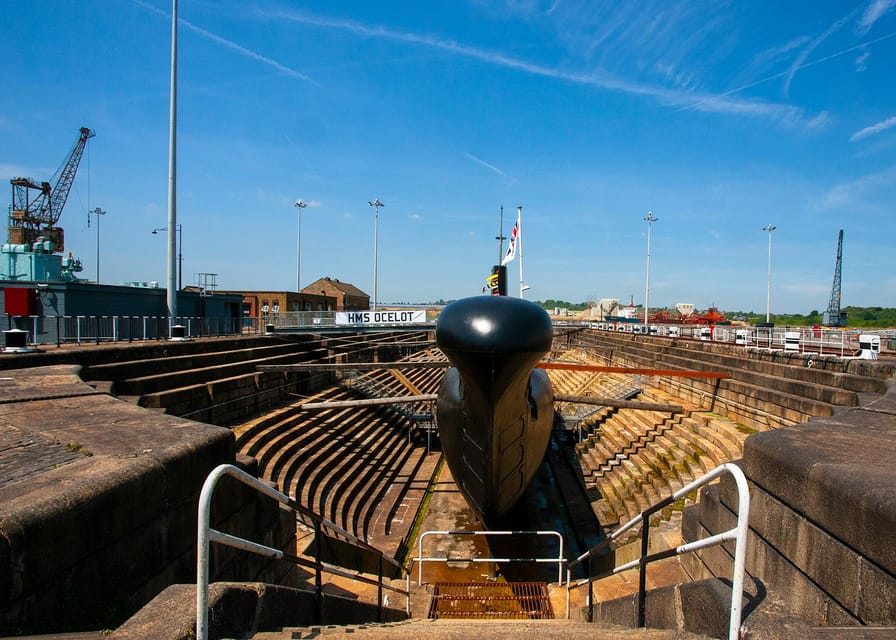
- Cold War Submarine Periscope Time: Ocelot in Context
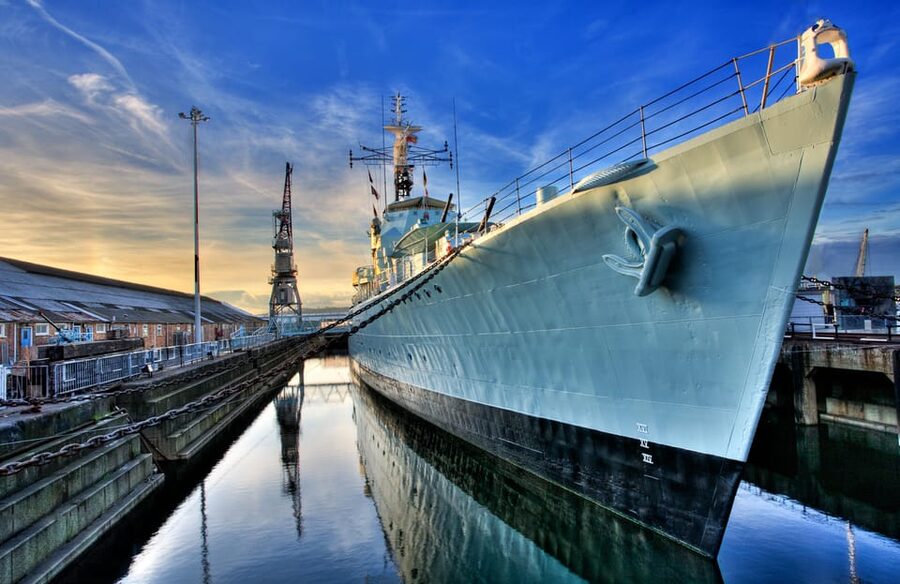
- WWII Destroyer Bridge: Understanding Command, Not Just Hardware
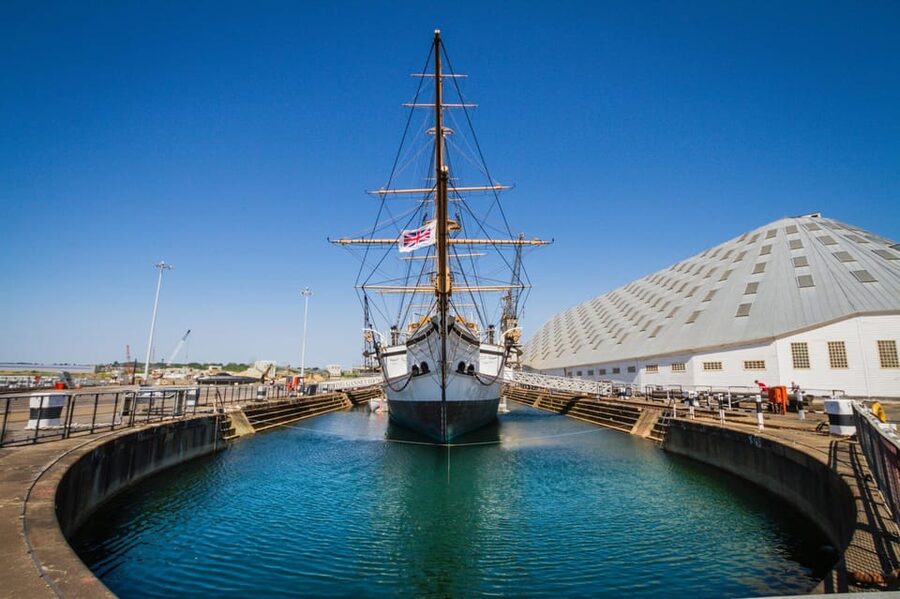
- Victorian Sloop Deck and the Ship’s Bell Moment
- Command of the Oceans and No. 1 Smithery: The Hidden Ship Under Your Feet
- RNLI Historic Lifeboats: Why Rescue History Hits Hard
- Rope Making Since 1618: The Craft That Built the Connections
- No One Visit Is Enough: How to Pace Your Day
- Facilities, Food, and That Human Dockyard Feel
- Who This Annual Ticket Works Best For
- Price and Logistics: How to Get Good Value
- Should You Book the Chatham Annual Ticket?
- FAQ
- What does this annual ticket include?
- How long is the ticket valid?
- What major ships and vehicles can I see?
- Is Command of the Oceans included?
- Is there a rope-making experience?
- Are parking costs included?
- Is the venue wheelchair accessible?
- What language support is available?
- Can I cancel for a refund?
- Is reserve now, pay later available?
Key Highlights You Should Plan Around
- Cold War submarine periscope access and the chance to see what life and design looked like behind the scenes
- Bridge time on a WWII destroyer that helps you understand how command worked at sea
- Victorian sloop ship’s bell moment, simple and memorable in a very real way
- Command of the Oceans interactive exhibit under the floor that adds a secret-under-your-feet feeling
- UK’s biggest collection of RNLI Historic Lifeboats, where the human story of rescue comes through
- Rope making since 1618, watch the craft and understand why ships depended on it
Other Kent days, cathedral to cliffs
- Call the Midwife Location Tour in Chatham
★ 4.5 · 552 reviews - Chatham Historic Dockyard: Call the Midwife Tour
★ 4.6 · 216 reviews
Enter Chatham Dockyard Like You Mean It
Chatham Historic Dockyard is one of those places where the setting matters. The buildings are restored, the vessels are right there in front of you, and the dockyard layout helps you read the story of shipbuilding and seafaring as a working system, not a pile of objects.
What I like most is that the experience is built around movement. You are not stuck staring at a glass case. You climb ladders, stand on decks, and put yourself in the positions that crew would have occupied, even if only for a museum visit.
And because this is an annual ticket, you can actually use that movement well. You can start once, then return when you feel ready to slow down and connect the dots.
Your 365-Day Annual Ticket: The Value Is in Returning
The price may be listed as about $37 per person, but the real value is what $37 buys in time. Your ticket is valid for 365 days from first activation, which means you are not forced into a one-and-done sprint.
This matters because Chatham has enough exhibits that a short visit can feel like watching the opening credits of a movie and leaving before the plot. People often think they will do the main ships and be done. Then they meet the RNLI lifeboats, the rope-making operation, and the big interactive displays, and suddenly you want more time.
Also, the dockyard is outdoors in parts. Weather can change the feel of the day. With a year of access, you can make that work for you instead of treating bad weather as lost money.
Cold War Submarine Periscope Time: Ocelot in Context
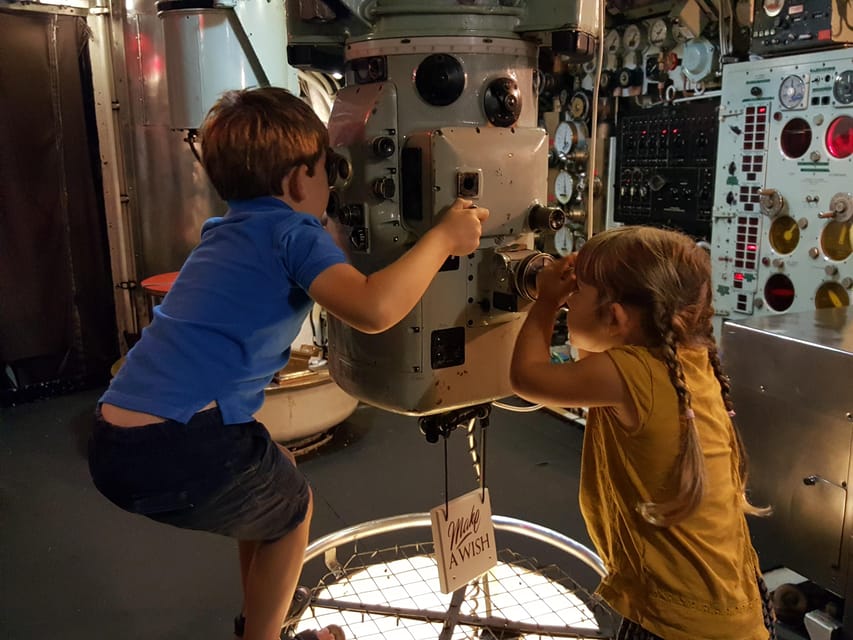
The Cold War submarine experience is one of the best ways to get your brain out of modern comfort. When you peer through a periscope, you feel what sailors had to do, scanning for cues with limited visibility. It is not just an object. It is a mindset.
One especially nice detail is the way the submarine gets discussed by people who clearly enjoy the subject. If you have even a small connection to naval life, you can feel that enthusiasm in the explanations. You are likely to leave with a few mental snapshots of how cramped conditions and systems work together.
Even if you are not a submarine person, the periscope moment gives you a simple takeaway: technology and human limits are always linked. That becomes a thread you can carry through the rest of the dockyard.
WWII Destroyer Bridge: Understanding Command, Not Just Hardware
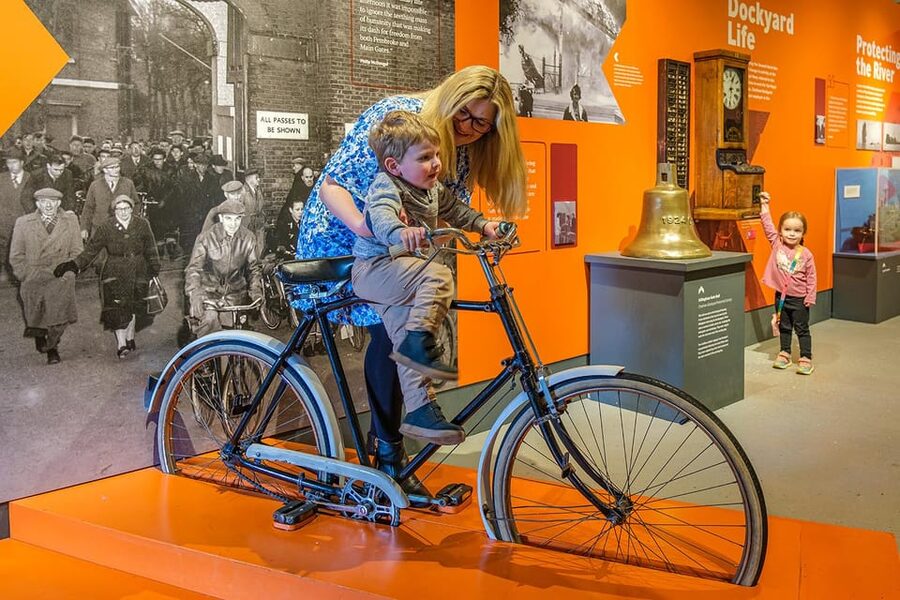
Next comes the destroyer. The big draw here is taking charge on the bridge. You can imagine what commanding officers needed to do, constantly turning information into decisions.
This ship stop is also a good check-in point for your own pace. If you want to move fast, you can hit the bridge, get the key interpretation, and keep going. If you like to linger, you can spend extra time reading how the bridge space is laid out and how it relates to the rest of the vessel.
What I appreciate is that the bridge experience helps you stop thinking of naval history as only big events and famous names. It brings you back to the practical side: navigation, observation, and control at the scale of real operations.
Victorian Sloop Deck and the Ship’s Bell Moment
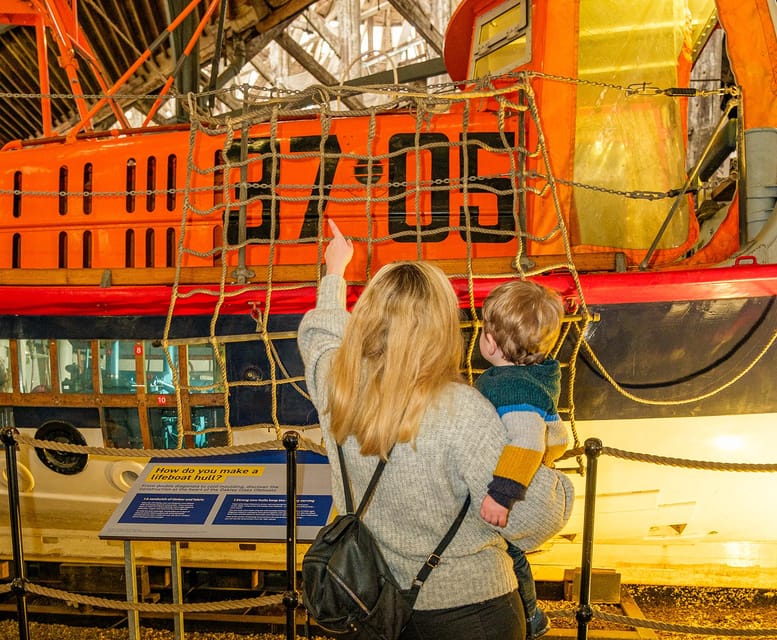
Then there is the Victorian sloop. The standout is the simple action: you can ring the ship’s bell on the deck.
That matters more than it sounds. Bells are about communication in motion. They signal work routines, changes, and timing, all in a pre-digital world. When you do it, you get a quick physical sense of why sound carried so much meaning on older ships.
If you like maritime heritage that feels lived-in rather than polished, this stop delivers. It keeps the dockyard from becoming only war-themed. It widens the timeline and shows how maritime life kept evolving.
Command of the Oceans and No. 1 Smithery: The Hidden Ship Under Your Feet
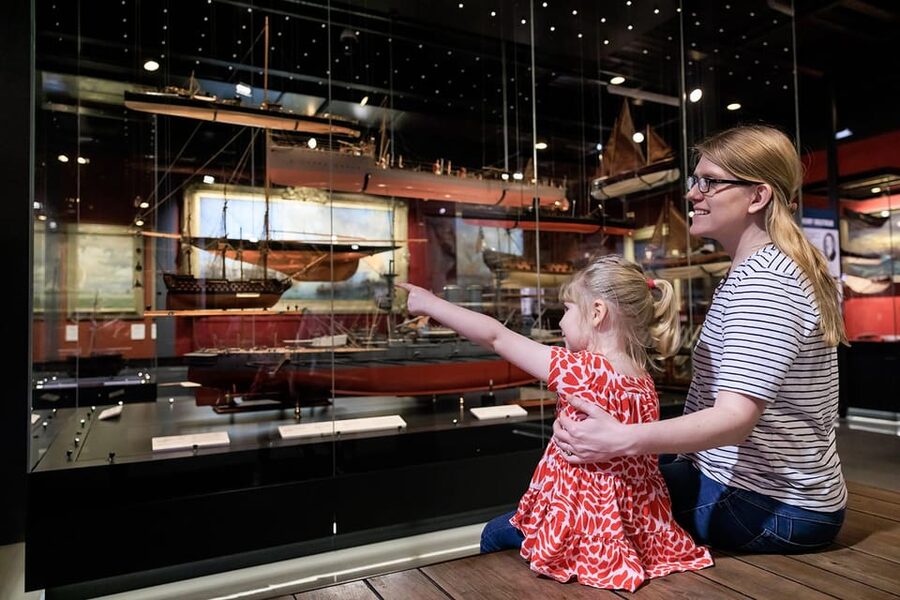
Two exhibits help connect everything else: Command of the Oceans and No. 1 Smithery.
Command of the Oceans is an interactive setup tied to the idea of secrets hidden below the floor. Even if you do not remember every detail, the experience gives you a strong mental model of ship systems and how the dockyard housed knowledge and construction.
No. 1 Smithery adds another layer. It showcases collections from Royal Museums Greenwich and Imperial War Museums, and it gives you a sense of what the dockyard era valued: craft, tools, and the work that made ships possible.
Together, they answer a question that many visitors have without realizing it. It is not only what the ships were. It is how the knowledge and materials got turned into vessels that could last and perform.
RNLI Historic Lifeboats: Why Rescue History Hits Hard
One of the strongest reasons to buy this ticket is the RNLI side. The dockyard hosts the UK’s biggest collection of RNLI Historic Lifeboats, and it shifts the emotional tone.
Warships can make history feel like strategy and power. Lifeboats make it feel like urgency, skill, and stubborn hope. You are looking at designs built for rough seas, and the stories behind rescue work are what make the collection stick.
This is also a great “slow down” zone. Spend time here even if you think you want to hit the ships and move on. The lifeboats ground the whole maritime theme in people trying to save people, not just sail or fight.
If you bring kids, this section can work well because it translates maritime concepts into clear, human stakes. Even adults often find themselves standing longer in front of the boats than they planned.
Rope Making Since 1618: The Craft That Built the Connections
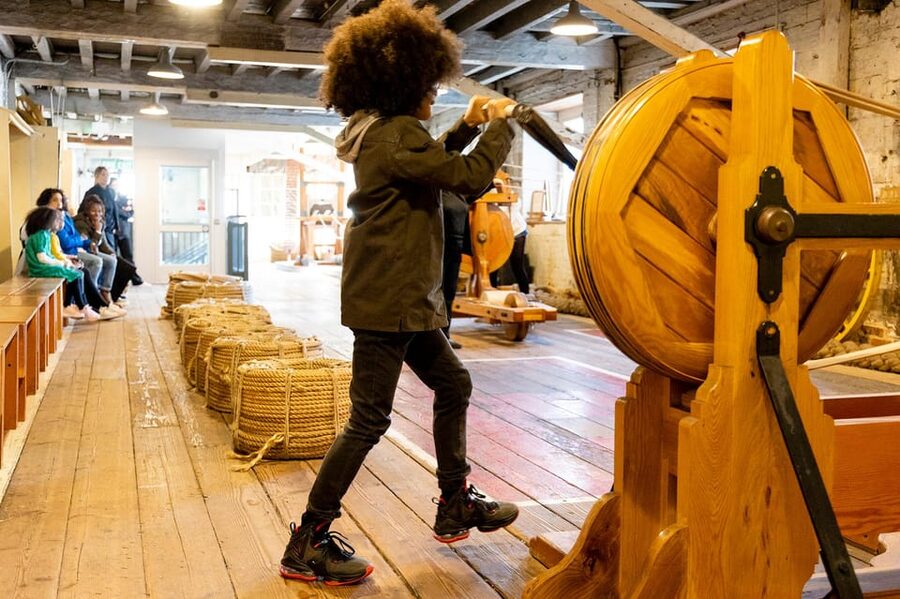
If you only pick one “non-ship” experience at Chatham, pick rope making. The dockyard has a quarter-mile-long ropery that has been crafting rope for Britain’s ships since 1618.
This is not a passive museum wall. You see the craft, you learn why it mattered, and you start to understand how a ship is only as good as the system of materials around it. Rope affects rigging, sail control, safety, and daily work aboard.
In the visit, rope making often becomes the favorite stop because it feels specific. It is a skill with real constraints. And because it is tied to centuries of production, it gives a long view that helps the ships make more sense.
If you are returning during the year, rope making is also a great repeat visit. You can catch something new each time, especially if demonstrations are running.
No One Visit Is Enough: How to Pace Your Day
With so much to do, your biggest decision is how you pace. I like a plan that leaves breathing room.
A good approach is to do one “big ship” block early, then switch to exhibits and craft. That keeps you from burning out on constant climbing and deck navigation. From there, you can layer in the interactive and the lifeboats while your attention is still fresh.
Also, if you can, give yourself more than one day across the year. The annual ticket works like a budget of time, not just a ticket into a building. You can revisit what hooked you and return to what you rushed the first time.
Facilities, Food, and That Human Dockyard Feel
Chatham is set up for long hours, and the facilities help you stay comfortable. There is space for families, including a play area for kids so adults can take a break without leaving the dockyard behind.
Food is available on-site, and there can be entertainment such as saxophone music depending on timing. I would not count on a specific performance every visit, but the overall atmosphere is clearly meant to feel more like a working dockyard day than a cold indoor museum tour.
One small practical note: getting your pass exchanged can take extra time if staff have to input details manually. Bring your booking info and be ready to wait a few minutes, so it does not throw off your first impression.
Who This Annual Ticket Works Best For
This experience is especially strong if you like maritime heritage and hands-on interpretation, not just pictures on a wall.
It also fits well for families. There are enough variety points that kids can find something physical or visual, and adults can still get serious context from the exhibits and ship access. Rope making is often a win for mixed-age groups, because it is easy to watch and easy to explain.
If you have a personal interest in submarines, you will likely feel extra satisfaction from the submarine stop. The submarine experience is not just a set piece. It connects to naval life in a way that people often want to talk about.
And if you are price-conscious, the annual validity is the main selling point. If you live nearby or you are making a return trip to Kent and South East England, this ticket can quietly outperform a one-off day entry.
Price and Logistics: How to Get Good Value
At around $37 per person for an annual pass, the math works best if you can return at least once. If you only visit for a single short day, it is still a solid maritime heritage outing, but you may feel rushed.
So ask yourself one question before you buy: can I realistically make time for a second pass within a year? If yes, the value jumps.
On-site, leave time to slow down. This is a dockyard where the order you see things can shape how you understand them. If you rush straight to the ships and skip lifeboats and rope making, you miss the strongest connective tissue.
Should You Book the Chatham Annual Ticket?
Book it if you want a highly hands-on maritime day with ships, a submarine periscope moment, rescue boats, and a craft you can watch in action. The annual validity is a big deal, and it rewards curiosity and repeat visits.
Skip it only if you need a highly new, constantly changing set of attractions every time you visit. The dockyard experience is built on restored authenticity, not on flashy turn-over. And if you hate walking around ship decks and outdoors, you may need to plan a more careful route.
If you do go, my advice is simple: plan for more than one visit across the year, and build your day around the stops that match your curiosity, not just the ones that sound fastest.
FAQ
What does this annual ticket include?
It includes The Historic Dockyard Chatham entry ticket, access to all temporary and permanent exhibitions, and school holiday activities.
How long is the ticket valid?
The ticket is valid for 365 days from first activation.
What major ships and vehicles can I see?
You can peer through the periscope of a Cold War submarine, take charge on the bridge of a Second World War destroyer, ring the ship’s bell on the deck of a Victorian sloop, and explore the RNLI Historic Lifeboats collection.
Is Command of the Oceans included?
Yes. Command of the Oceans is an included interactive exhibit within the dockyard experience.
Is there a rope-making experience?
Yes. You can experience life in a Victorian dockyard and follow ropemakers crafting rope on the ropery that has been running since 1618.
Are parking costs included?
No. Parking is not included.
Is the venue wheelchair accessible?
Yes. The experience is listed as wheelchair accessible.
What language support is available?
The host or greeter is English, and the listed language for the activity is English.
Can I cancel for a refund?
Yes. Free cancellation is available up to 24 hours in advance for a full refund.
Is reserve now, pay later available?
Yes. You can reserve now and pay later, with no payment due today.
Ships, Docks and Sea Stories
- Chatham Historic Dockyard: Call the Midwife Tour★ 4.6 · 216 reviews
Kent: Cathedral, Castle, Cliffs
- Call the Midwife Location Tour in Chatham★ 4.5 · 552 reviews
- Chatham Historic Dockyard: Call the Midwife Tour★ 4.6 · 216 reviews
Fresh off the Chatham review pile
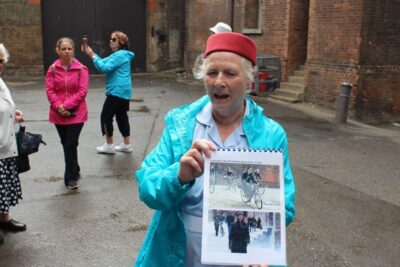
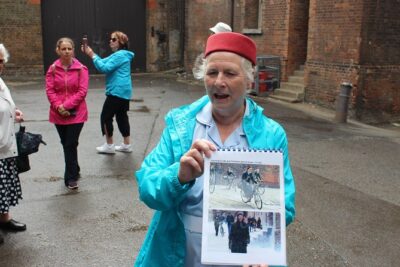
Canterbury, Dover & the Kent Coast, compared.
 ★ 4.5Leeds Castle, Cliffs of Dover and Canterbury Day Trip from London with Guided Cathedral TourFrom $1452,820 reviews
 ★ 4.6From London: White Cliffs of Dover and Canterbury Day TripFrom $1062,623 reviews
 ★ 4.9London: South Downs White Cliffs Day Trip with Train TicketsFrom $1201,441 reviews
 ★ 4.6London: Canterbury Cathedral, Dover Castle, and White CliffsFrom $148973 reviews
 ★ 4.5Canterbury Cathedral, Dover Castle & White Cliffs Guided Day Tour from LondonFrom $152837 reviews
 ★ 4.4From London: Leeds Castle, Canterbury Cathedral & DoverFrom $141735 reviews
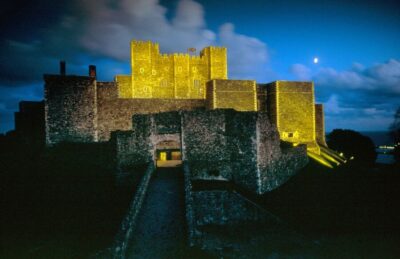 ★ 4.7Dover Castle Admission TicketFrom $33735 reviews
 ★ 4.8Canterbury: Walking Tour with Green Badge GuideFrom $20709 reviews