
REVIEW · JACK THE RIPPER & VICTORIAN CRIME WALKS
Jack the Ripper and Victorian London Beyond the Shadows
A Jack the Ripper night is oddly moving. This 2 hour 30 minute East End walk traces the case through places like Ten Bells, Brick Lane, Spitalfields Market, and Goulston Street, with a guide who brings Victorian London into focus.
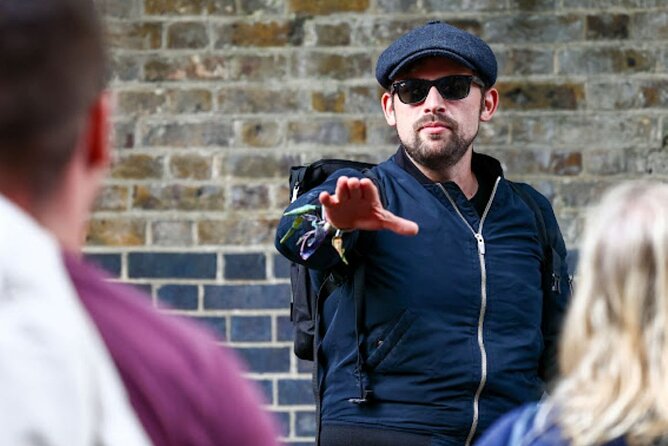
I like two things a lot. First, the storytelling stays victim-centered and respectful, not obsessed with the modern guessing game of who was Jack. Second, the guide’s approach is fact-led and conversational, with real images and questions welcomed instead of lectures.
One caution: it’s a walking tour at night, and the topic involves brutal murders, so wear comfy shoes and mentally pace yourself.
In This Review
- Key highlights worth your attention
- A Jack the Ripper night through the East End, not a museum loop
- Start at Braham Street, finish near Spitalfields Market
- Brick Lane: from 1888 struggles to how the East End reshaped itself
- Spitalfields Market: food, clothes, and music with a modern pulse
- Ten Bells pub: the case lore in a place you can actually stand
- Goulston Street and the 1888 riots aftermath
- Why the guide style matters more than the famous names
- Price, timing, and value at $24.98 for 2.5 hours
- Who should book, and who might want a different plan
- Should you book this Jack the Ripper East End tour?
- FAQ
- How long is the Jack the Ripper and Victorian London Beyond the Shadows tour?
- What time does the tour start?
- Where does the tour start?
- Where does the tour end?
- Is the tour offered in English?
- What is the maximum group size?
- Is it a walking tour?
- Are service animals allowed?
- Is free cancellation available, and how far in advance do I need to cancel?
Key highlights worth your attention
- Victims first approach gives context for real lives, not just a suspect timeline
- Night walking route links Brick Lane, Spitalfields Market, Ten Bells, and Goulston Street
- Local-style storytelling with respectful tone and lots of audience interaction
- Ten Bells pub stop where the case lore is strongly tied to the location
- Small group limit (up to 40) keeps the tour from feeling crowded
Other Whitechapel walks at the same dark hour
- London: The Original Jack the Ripper Walking Tour
★ 4.7 · 7,833 reviews - London Jack the Ripper Guided Tour with Ripper-Vision
★ 4.5 · 4,840 reviews - London: Jack the Ripper Small Group Tour
★ 4.7 · 3,159 reviews
A Jack the Ripper night through the East End, not a museum loop
There are two ways to see Jack the Ripper. One is through sensational stories. The other is through streets that still feel like London’s working-class heart, where people had to fight for food, rent, and dignity. This tour aims for the second option.
What makes it work is the rhythm. You start in a neighborhood that kept changing over time, then you move into market life, then you hit the famous pub stop, and finally you end in the kind of street setting where rumor and fear could spread fast. Along the way, the guide ties the Victorian struggle to what happened in 1888, so the case feels less like a spooky myth and more like a human tragedy unfolding in real conditions.
Expect the tone to be serious. You will also get moments where the guide keeps things engaging, with humor used carefully to keep the facts clear and the group involved.
Start at Braham Street, finish near Spitalfields Market
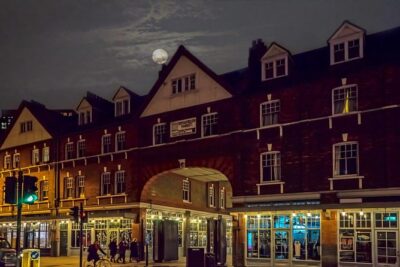
The tour meets at Braham Street (London E1), with a start time of 7:30 pm. It ends at Spitalfields Market (Brushfield St, London E1 6AA). That timing matters. Evening is when the East End streets feel most like a lived-in place rather than a daytime sightseeing checklist.
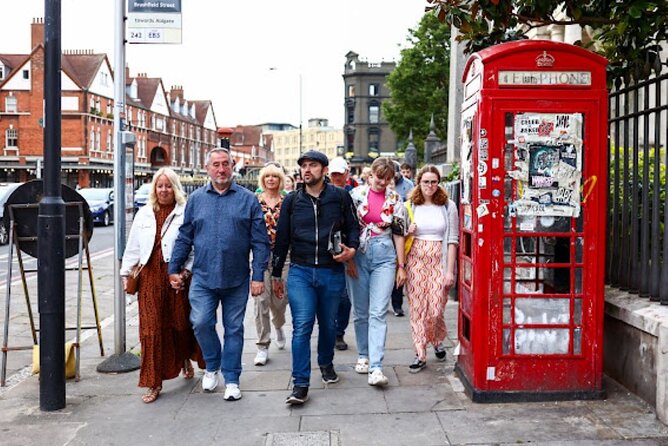
You’ll be walking a fair amount. One review line stuck with me: this is a tour where you’re going to walk a lot. Plan for that. If you’re the kind of traveler who likes frequent breaks, wear shoes you trust and take your cues from the guide.
Good to know for planning your night: the ending point is Spitalfields Market, which is convenient for public transport links and an easy place to continue the evening with food or a quick rest.
Brick Lane: from 1888 struggles to how the East End reshaped itself
Brick Lane is your first big stop, and the payoff is in the contrast. You start with the neighborhood as it was shaped by poverty, cramped living, and hard work. Then you hear how the East End changed in later decades, turning once-deprived streets into a space with new communities, new commerce, and a different kind of energy.
This is useful even if you already know the basics of the murders. Why? Because the case does not happen in a vacuum. In 1888, people were surviving day to day. That pressure changes behavior, limits options, and shapes who feels safe walking home, who gets ignored, and who attracts attention in the wrong way.
You’ll also learn that the East End was never one uniform story. It kept evolving. Listening to that evolution helps you understand why the streets could hold both tension and creativity, fear and resilience. It turns the tour from a list of stops into a place-based story.
Practical tip: Brick Lane can be busy even in the evening. Keep an eye on where the group gathers, and follow the guide when moving between streets so you do not get separated in a crowd.





Spitalfields Market: food, clothes, and music with a modern pulse
After Brick Lane, the tour shifts to Spitalfields Market. This is not just a break. It’s a reminder that the East End has continued life after 1888, with markets that pull locals and visitors in for everyday needs and entertainment.
You can expect a mix of stalls, with options that can include food, clothing, and live or performance-style elements. Even if you do not plan to buy anything, standing here gives you perspective. You are not just studying a tragedy. You’re seeing how the neighborhood keeps functioning, day after day, year after year.
This market stop also gives your feet a breather. The pace of the tour matters because the walking portion includes some heavier emotional topics later. A short pause in a lively place helps the story land without feeling like nonstop gloom.
If you want to keep it practical, decide in advance if you want a snack here. The tour runs about 2 hours 30 minutes, so having water and a light plan for energy helps.
Ten Bells pub: the case lore in a place you can actually stand
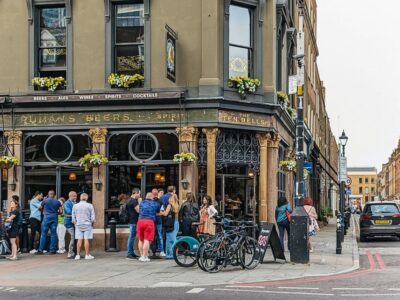
Ten Bells is the pub stop, tied closely to the Ripper case and discussed in films and documentaries over the years. The key point is not the pop-culture connection. It’s the setting. Pubs like this were social hubs, and social hubs are where information spread, where locals shared rumors, and where people passed time while life stayed hard.
On this tour, Ten Bells is used as a turning point. You shift from neighborhood background into the details of the case, with the guide focusing on what the victims faced. That focus matters because it corrects a common modern habit: reducing the women involved into plot devices.
Instead, the guide’s tone stays sympathetic and factual, and you’ll get more than one layer of context. You are learning what life looked like around them, not just the bare event timeline.
One thing I appreciate about a stop like this is how it makes the story physically real. You can stand where people once drank, waited, talked, and headed out into streets that felt dangerous. It’s a different kind of understanding than reading a headline.
Goulston Street and the 1888 riots aftermath
The last major stop is Goulston Street, connected to both the Ripper case and the riots of 1888 that followed the double murders of Elizabeth Stride and Catherine Edowes on 30 September 1888. This is where the tour expands from a single case into the wider reaction of a city under stress.
It’s also where the story can become uncomfortable, because riots are not just dramatic history. They show fear at scale, anger that finds a target, and systems that fail people who already had fewer protections. This part of the walk is most valuable if you like understanding how violence echoes through society.
Even if you have seen plenty of Ripper content online, you can still get something out of this section because the tour connects the murders to the social shock. It also links the case to how the neighborhood changed afterward, and why stories about the crimes became louder, messier, and easier to distort.
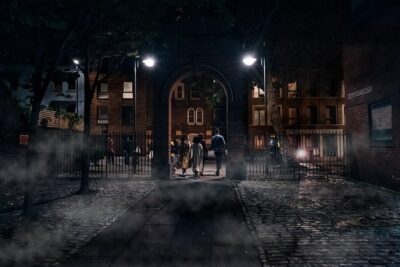
Practical tip: this is a good place to slow down. If you like taking photos, do it carefully and keep your eyes on the group. Night photos in narrow streets can make people lose track of where they’re standing.
Why the guide style matters more than the famous names
The biggest strength here is the way the guide tells the story. Guides associated with this experience, including Nick and Matt, are praised for being respectful, interactive, and grounded in facts. You are not stuck listening to a monologue.
From what you’ll experience on the ground, the best guides use three tools well:
1) Clear chronology, so the case makes sense instead of feeling like a jumble of rumors
2) Victim-focused framing, so the women are treated as people with lives and struggles
3) Audience involvement, so your questions shape the momentum
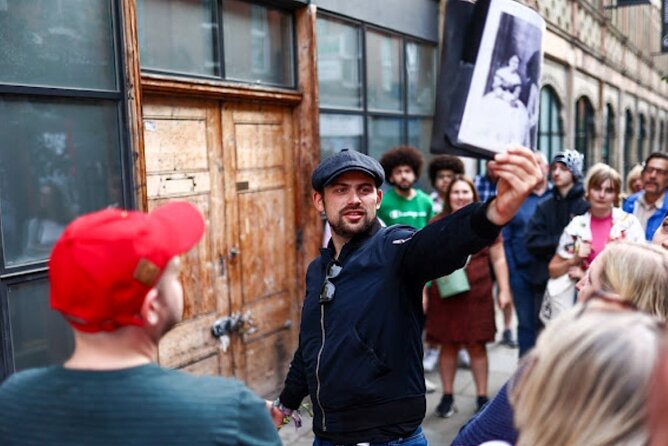
You may also get support from visuals, with real photographs shown during the tour. That helps a lot, because it reduces the distance between you and 1888. You’re not imagining everything from scratch.
And the tone is important. Multiple accounts highlight that the guide keeps things factual while still being thoughtful about the victims, not sensational about their deaths. If you care about historical accuracy, that approach will feel like a relief.
One more practical detail: you’ll want to stay engaged by asking questions. The guide is set up for conversation, not for you to sit passively and hope the story covers what you actually care about.
Price, timing, and value at $24.98 for 2.5 hours
At $24.98 per person for about 2 hours 30 minutes, this tour sits in the budget-friendly lane for guided London experiences. It’s also good value because it’s not only covering “where the crimes happened.” You’re paying for:
- a structured walking route through key East End locations
- context about Victorian living conditions
- case discussion tied to the neighborhood’s reaction and later change
- a guide who keeps the group involved and uses real supporting visuals
Also, this style of tour is usually more useful when you’re tight on time. You get a concentrated evening route that connects several locations into one coherent story, without forcing you to plan streets, reading, and transport on your own.
One timing note: the tour is often booked around 63 days in advance. If you’re traveling in a popular season or on a weekend, grab your slot early rather than hoping for last-minute availability.
Who should book, and who might want a different plan
This is a smart match if you:
- love true crime, but prefer serious context over shock value
- want history tied to street geography, not just indoor facts
- like tours where your questions are welcome and the guide adapts to the group
- enjoy evening walks and can handle some darker themes thoughtfully
It may be less ideal if you:
- want a light, family-style sightseeing tour
- have limited mobility or struggle with walking at night
- prefer not to engage with accounts involving murder and social unrest
On the other hand, the experience is set up for real people in a real city. Service animals are allowed, and it’s near public transportation, so you’re not stranded far from help or a quick exit if you need one.
Should you book this Jack the Ripper East End tour?
Yes, if you want the case told with human respect and real neighborhood context. The route through Brick Lane, Spitalfields Market, Ten Bells, and Goulston Street gives you both atmosphere and explanation, and the guide approach sounds designed to keep the facts clear while keeping the tone thoughtful.
Book it especially if you’ve done other Ripper tours and found them too obsessed with the mystery of the killer. This one leans harder into the victims’ lives and the East End conditions that shaped everything.
If you’re sensitive to heavy subject matter, go in prepared, take breaks when you need them, and wear shoes you can walk in. You’ll get a memorable night in London that feels connected to place, not just to legend.
FAQ
How long is the Jack the Ripper and Victorian London Beyond the Shadows tour?
It lasts about 2 hours 30 minutes.
What time does the tour start?
The start time is 7:30 pm.
Where does the tour start?
You meet at Braham Street, London E1, UK.
Where does the tour end?
The tour ends at Spitalfields Market, 65 Brushfield St, London E1 6AA.
Is the tour offered in English?
Yes, it is offered in English.
What is the maximum group size?
The tour has a maximum of 40 travelers.
Is it a walking tour?
Yes, it is a walking tour and you should expect to walk a lot.
Are service animals allowed?
Yes, service animals are allowed.
Is free cancellation available, and how far in advance do I need to cancel?
Free cancellation is available. You can cancel up to 24 hours in advance for a full refund. If you cancel less than 24 hours before the start time, the amount paid will not be refunded.
Ripper Walks and Victorian Crime
- London: The Original Jack the Ripper Walking Tour★ 4.7 · 7,833 reviews
- London Jack the Ripper Guided Tour with Ripper-Vision★ 4.5 · 4,840 reviews
- London: Jack the Ripper Small Group Tour★ 4.7 · 3,159 reviews
- London Jack The Ripper Guided Walking Tour★ 5.0 · 3,131 reviews
Fresh off the London review pile


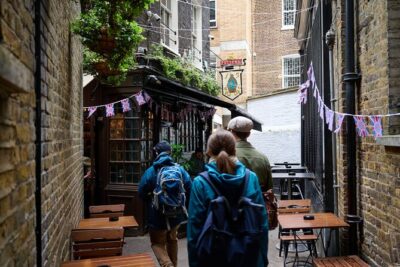
Jack the Ripper & Victorian Crime Walks, compared.
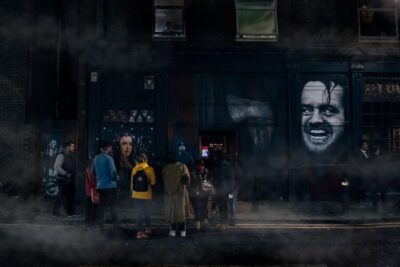 ★ 4.7London: The Original Jack the Ripper Walking TourFrom $257,833 reviews
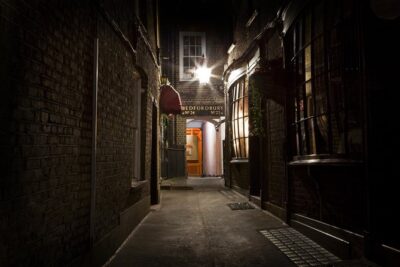 ★ 4.5London Jack the Ripper Guided Tour with Ripper-VisionFrom $274,840 reviews
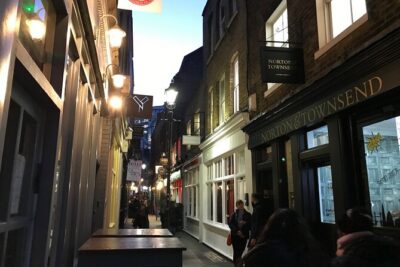 ★ 4.7London: Jack the Ripper Small Group TourFrom $263,159 reviews
 ★ 5.0London Jack The Ripper Guided Walking TourFrom $03,131 reviews
 ★ 4.6German Language : Original Jack the Ripper TourFrom $241,805 reviews
 ★ 4.5London: Jack the Ripper Walking Tour – Ripper Vision ToursFrom $261,752 reviews
 ★ 5.0Ultimate Jack the Ripper : Guided Tour of LondonFrom $271,495 reviews
 ★ 4.9London: Jack the Ripper Evening Walking TourFrom $331,449 reviews
Also filed under