
REVIEW · LONDON MUSEUMS & GALLERIES
London: British Museum Archaeology Course and Guided Tour
Ancient stuff, explained like it matters. This 5.5-hour British Museum archaeology course brings big-name objects to life with a qualified archaeologist guide and a practical, story-driven walk through how people lived, wrote, traded, and built. You’ll also get a fun break with The Royal Game of Ur, one of the world’s oldest board games, plus the backstory for how scholars figured out its rules.
I like that the tour isn’t just gallery photos and trivia. It links artifacts to the real work of archaeology, including how ancient objects get dated and how writing systems like Egyptian hieroglyphs and Sumerian cuneiform were decoded. One consideration: lunch isn’t included, and this is a long museum session, so plan for food and a bit of standing.
In This Review
- Key highlights you will feel right away
- Russell Square meet-up, quick walk, and an easy start at the British Museum
- What you get for $81: free entry plus an archaeology-led lesson
- The archaeologist-led approach: from treasures to evidence
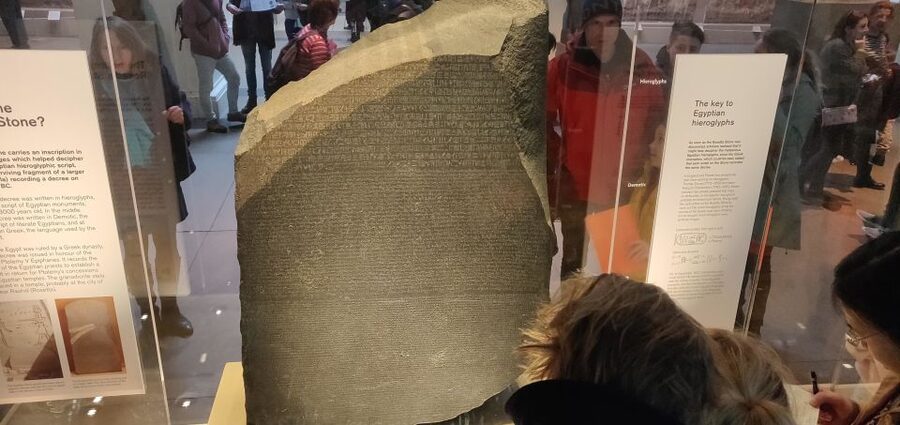
- Ancient Egypt and Assyria: the Rosetta Stone story made practical
- Greece and Rome, plus the Parthenon Marbles: art, power, and survival of artifacts
- Mesopotamia and the Royal Game of Ur: how writing becomes meaning
- Vikings, Aztecs, and the Lewis Chessmen: why comparisons can work
- Sutton Hoo Helmet and the idea of dating: archaeology as a detective story
- Breaks, food reality, and how to plan a 5.5-hour museum day
- Who this is best for, and who might not love it
- Should you book the London British Museum archaeology course?
- FAQ
- How long is the British Museum archaeology course and guided tour?
- Where do I meet the guide?
- What is the walking time to the museum?
- Is entrance to the British Museum included?
- Do I need lunch for this activity?
- What should I bring?
- Are luggage or large bags allowed?
- Will I be able to skip the line?
- What language is the tour in?
- Is the tour wheelchair accessible?
Key highlights you will feel right away
- A qualified archaeologist guide keeps the focus on how we know what we know, not just what’s on display
- Skip-the-line entry using a separate entrance, so you start faster than the main crowds
- Ancient writing decoded: learn how Egyptian hieroglyphs and Sumerian cuneiform were deciphered
- Museum favorites with context: Rosetta Stone, Parthenon Marbles, Sutton Hoo Helmet, and Lewis Chessmen are placed into a bigger human story
- The Royal Game of Ur: you actually play a game whose rules were deciphered by British Museum scholars
- Science of archaeology: understand how buried sites become visible to us again, and how relics get dated
Other museum and gallery tours we sat through
- Frameless – Immersive Art Experience in London
★ 4.5 · 3,660 reviews - London: Entry Ticket to Frameless Immersive Art Experience
★ 4.7 · 2,923 reviews - London: British Museum Guided Tour
★ 4.3 · 1,182 reviews
Russell Square meet-up, quick walk, and an easy start at the British Museum
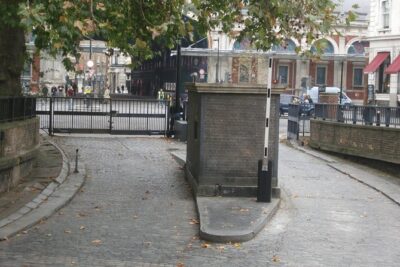
Your tour begins at Russell Square Station, and the guide meets you outside while holding an iPad with the local partner name displayed. Plan to arrive about 10 minutes early so you’re not rushing at the last second.
From there, it’s a short on-foot transfer to the British Museum. This matters more than you might think, because you avoid the common London problem of losing time right at the beginning. Once inside, you’ll go in through a separate entrance for skip-the-line access, which helps you start the archaeology story while your energy is still high.
What you get for $81: free entry plus an archaeology-led lesson
The price is listed as $81 per person, and the entry itself is free because it’s included. That turns the cost into mostly paying for expert interpretation and a guided route through major galleries, rather than paying again just to get into the museum.
This is also a smart value move if you’ve ever wandered the British Museum feeling slightly lost. The British Museum is huge, and “greatest hits” alone can leave you with a pile of impressive objects and no thread connecting them. Here, the thread is archaeology: how objects are found, studied, explained, and dated.
The tour runs 5.5 hours, so it’s long enough to build context, not just point at highlights. It’s also short enough that you still walk away wanting to return on your own to see what you missed.
The archaeologist-led approach: from treasures to evidence
The biggest strength of this experience is that it uses the museum collection as a starting point for learning how archaeology works. You’re not only looking at artifacts, you’re learning how archaeologists turn fragmentary evidence into a best-possible story.
The tour traces humanity’s journey broadly, from early origins in Africa to the first civilizations in Mesopotamia and then onward through major empires of Egypt, Assyria, Greece, and Rome. You’ll also hear what happened after those empires collapsed, which gives you a sense of history as change over time, not a museum timeline that stops moving.
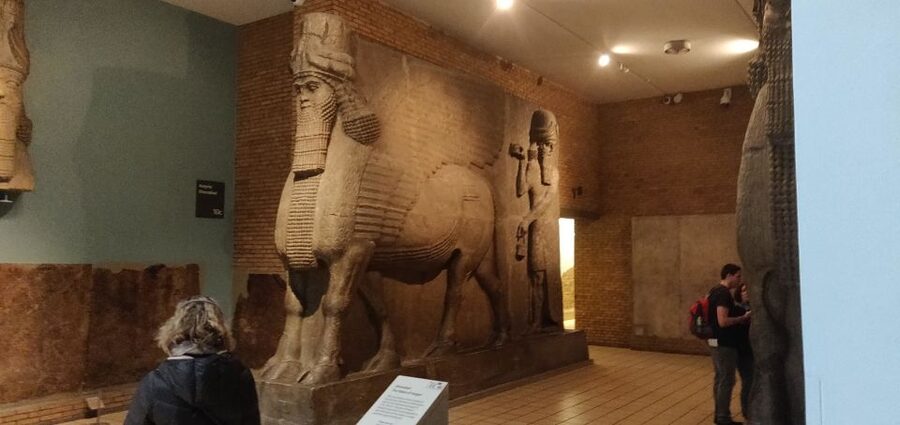
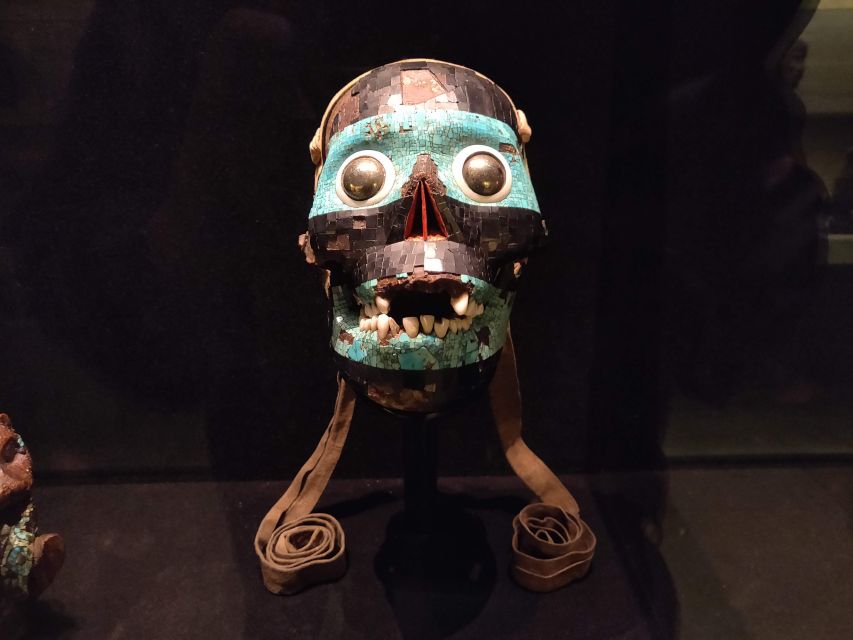
You’ll spend time in major gallery areas, including Ancient Egypt and Assyria, Ancient Greece and Rome, plus stops connected with Vikings and the Aztecs. The goal is to connect separate cultures through themes like how cities form, how power organizes, and how communication and technology evolve.





Ancient Egypt and Assyria: the Rosetta Stone story made practical
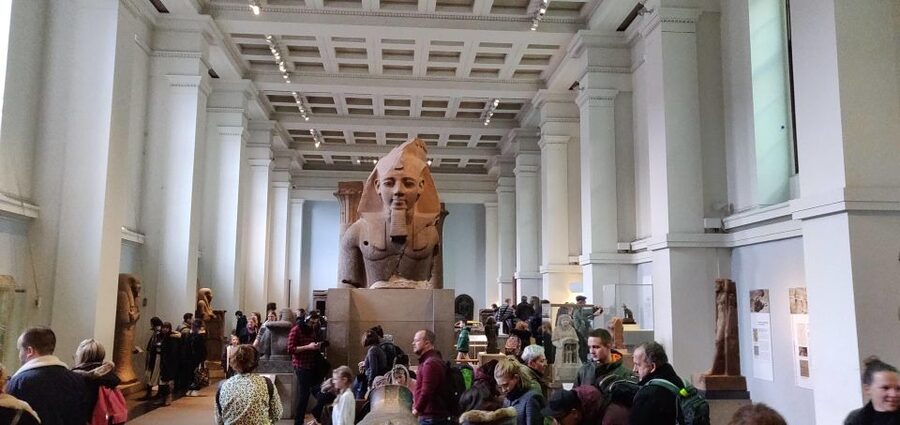
Even if you’ve seen a photo of the Rosetta Stone, it can feel like a single famous object rather than a turning point in human knowledge. This tour helps fix that by explaining the work behind decoding ancient writing.
You’ll learn about the breakthroughs tied to Egyptian hieroglyphs, and how scholars were able to read and interpret messages that had been inaccessible for centuries. Instead of treating hieroglyphs as decorative or mysterious, the tour treats them like a solved problem with a history of effort and method.
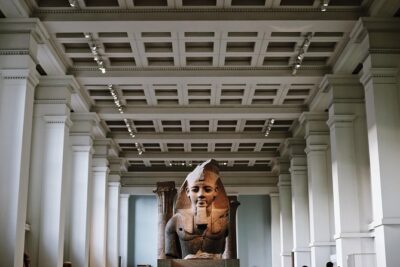
In the Egypt and Assyria galleries, you also get a sense of how the museum’s objects reflect real lives: administration, belief, conflict, and trade. That makes the gallery walk feel less like a checklist and more like following a thread.
One practical note: these rooms can get busy. The tour pacing and the guide’s ability to keep everyone oriented help you keep your footing, even when you’re not the first person trying to see a display case.
Greece and Rome, plus the Parthenon Marbles: art, power, and survival of artifacts
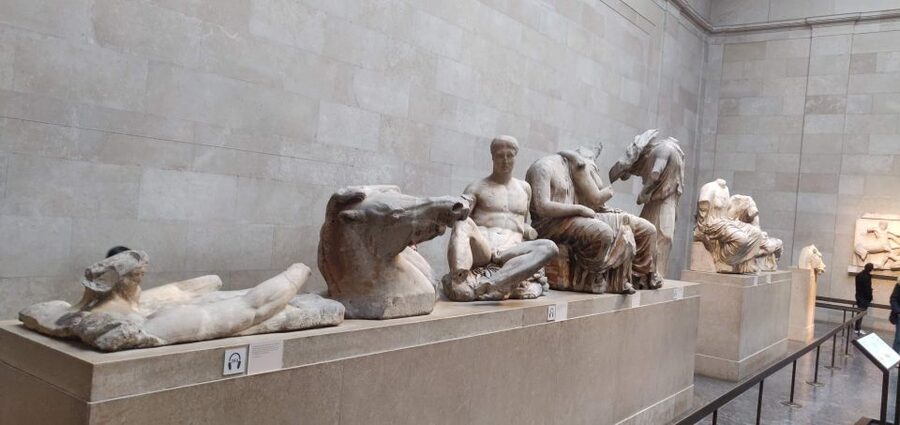
The Parthenon Marbles are the kind of object that can tempt you into pure awe. The tour keeps the awe, but also adds context, so you understand why these pieces mattered and how they survived long enough to be seen today.
You’ll connect the marbles to the wider world of Ancient Greece, then carry that forward into the Roman world. That “how one civilization inherits and reshapes another” idea is a big part of why this tour works. It’s not only about the objects, it’s about the logic of history.
And if you love explanations that make you rethink what you assumed, this stop helps you do that. You’re watching cultural messages survive political shifts and time, then being interpreted again by modern scholars.
Mesopotamia and the Royal Game of Ur: how writing becomes meaning
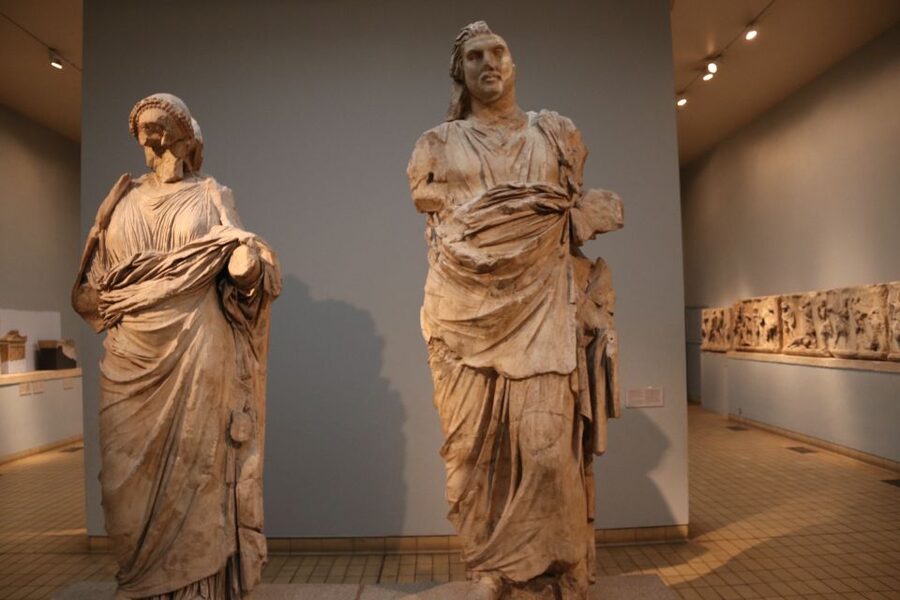
Mesopotamia is where the tour gets especially hands-on. You’ll hear about early writing and the deciphering of Sumerian cuneiform, often described as one of the world’s earliest written language systems.
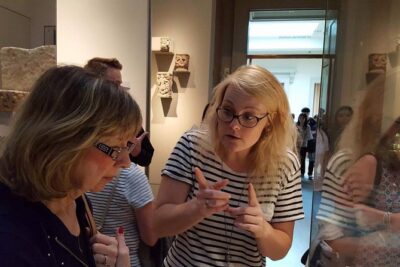
The best moment comes when you play The Royal Game of Ur. The rules were deciphered by British Museum scholars, which turns the game into a living example of scholarship meeting everyday life. Instead of learning about ancient people only through static objects, you get a small, direct taste of how they might have played and strategized.
This part is fun, but it’s also educational in a clean way. It shows that deciphering isn’t just academic. Once you can read the evidence, you can connect it to behavior: how people enjoyed time, competed, and made meaning out of rules.
Vikings, Aztecs, and the Lewis Chessmen: why comparisons can work
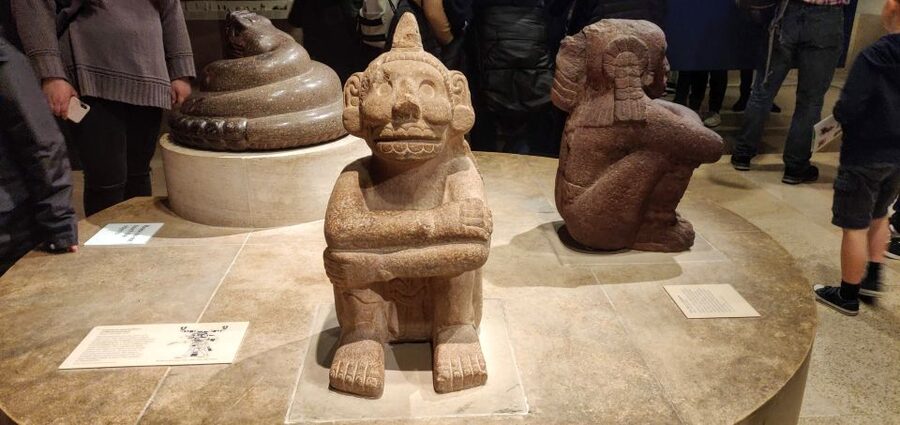
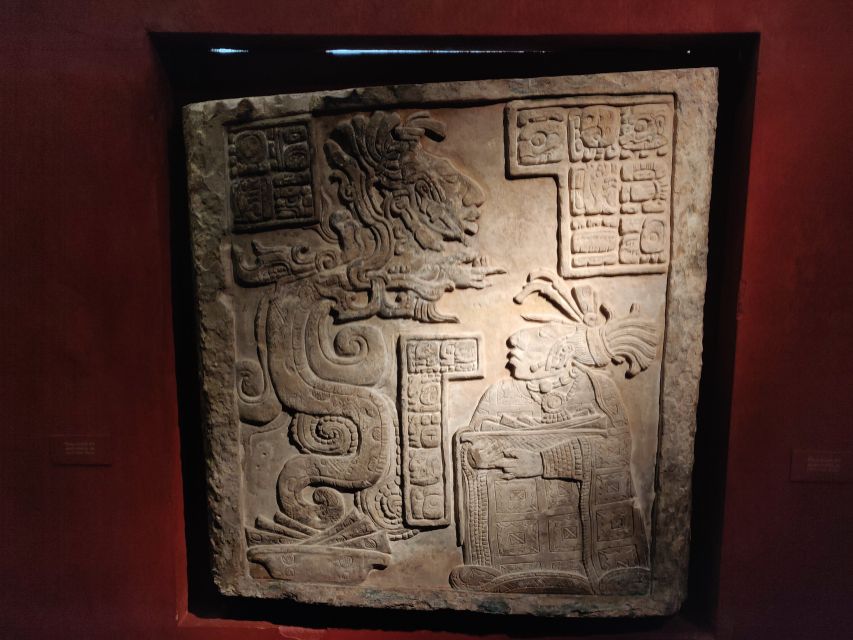
Not every museum tour covers as wide a span of cultures as this one. You’ll move through areas connected with the Vikings and the Aztecs, and you’ll also encounter famous works like the Lewis Chessmen.
The key is not to treat each culture like a separate museum wing with no relationship. The tour uses comparisons carefully, so you understand parallels like craftsmanship, belief systems, and how objects travel through time.
With chess, for instance, you’re not only seeing carved figures. You’re seeing a hint of how games can carry status, learning, and social structure. And with objects tied to other cultures, the same idea applies: artifacts are not isolated. They reflect humans making choices, and later societies reading those choices through what survives.
Sutton Hoo Helmet and the idea of dating: archaeology as a detective story
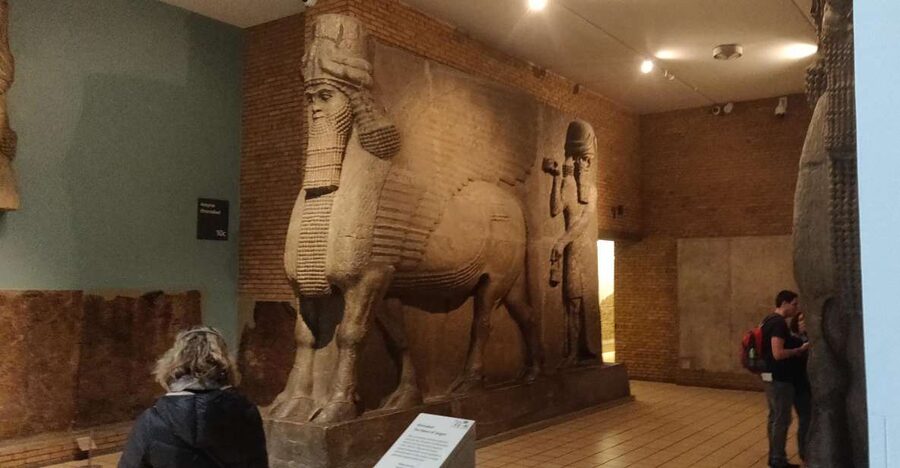
The Sutton Hoo Helmet is another display that can feel like a single wow moment. Here, it’s part of the larger question of how we place objects in time.
You’ll learn the science of archaeology at a level that’s understandable without feeling watered down. The tour covers how ancient sites become buried and how relics are dated. It also leaves space for the mysteries that still puzzle scholars, which is honest and useful.
This is one of the tour’s most valuable themes: it trains your eye to ask better questions. When you look at an object, you start thinking like an archaeologist. Where might it have come from? What evidence supports the timeline? What might be missing?
That shift alone can make a return visit to the British Museum more satisfying, because you’ll be looking for context, not just surfaces.
Breaks, food reality, and how to plan a 5.5-hour museum day
This isn’t a quick 60-minute highlights tour. Expect breaks during the session, and you’ll also have a practical need for food since lunch isn’t included.
You have two sensible options. You can bring something and keep it simple, or you can use the British Museum food outlets. Either way, plan for time, because eating in a museum can be slower than you expect when you are still in the middle of a guided schedule.
For comfort, pack for standing. Comfortable shoes are the only must-have explicitly listed, but you’ll also do better if you bring water. If you prefer not to stand the entire time, look for portable seating options in the museum area, including portable stools that have been noted as helpful.
Who this is best for, and who might not love it
This tour fits you best if you like ancient history but also care about the how, not only the what. If you enjoy questions like how hieroglyphs became readable again, or how archaeologists place objects into time, you’ll get a lot out of the approach.
It’s also a good family-friendly option for teens and curious kids, because the guide uses engaging pacing and keeps the story moving through time. If you’re visiting with a 13-year-old, you’ll likely appreciate that the tour is structured enough to hold attention without turning into a lecture.
If you prefer wandering freely without a route, this might feel too structured. And if you’re only chasing the biggest photos, you might wish you had more open time to roam. The tradeoff is that you get real interpretation here, not just a self-guided pass.
Should you book the London British Museum archaeology course?
I think you should book it if you want your British Museum visit to feel guided, focused, and educational in a way that connects objects into one human story. The combination of skip-the-line entry, a qualified archaeologist guide, and the standout inclusion of The Royal Game of Ur makes it more than a standard tour route.
Skip it if you already know the archaeology basics and you’re mainly there for independent wandering. In that case, you might enjoy a more flexible plan with more time in the galleries.
For most people, especially first-timers or history lovers who want context, this is strong value for a museum that can otherwise feel overwhelming. Plan on comfortable shoes, plan for food since lunch isn’t included, and show up ready to think like a detective for 5.5 hours.
FAQ
How long is the British Museum archaeology course and guided tour?
The tour lasts 5.5 hours.
Where do I meet the guide?
Meet your guide outside Russell Square Station. The guide will be holding an iPad with the local partner name displayed.
What is the walking time to the museum?
The time on foot is listed as 5 minutes.
Is entrance to the British Museum included?
Yes. Entrance is included and listed as free.
Do I need lunch for this activity?
Lunch is not included.
What should I bring?
You should bring comfortable shoes. It’s also a good idea to bring what you need for a long museum visit, since the tour runs for 5.5 hours.
Are luggage or large bags allowed?
No, luggage or large bags are not allowed.
Will I be able to skip the line?
Yes. The tour includes skip-the-line entry through a separate entrance.
What language is the tour in?
The live tour guide speaks English.
Is the tour wheelchair accessible?
Yes, it is listed as wheelchair accessible, and it is suitable for people with limited mobility. If you have special requirements, you should contact them.
Museums and Galleries, Keep Going
- Frameless – Immersive Art Experience in London★ 4.5 · 3,660 reviews
- London: Entry Ticket to Frameless Immersive Art Experience★ 4.7 · 2,923 reviews
- London: British Museum Guided Tour★ 4.3 · 1,182 reviews
- Official tickets: Moco Modern & Contemporary Art Museum★ 4.5 · 1,157 reviews
Fresh off the London review pile



London Museums & Galleries, compared.
 ★ 4.5Frameless – Immersive Art Experience in LondonFrom $383,660 reviews
 ★ 4.7London: Entry Ticket to Frameless Immersive Art ExperienceFrom $372,923 reviews
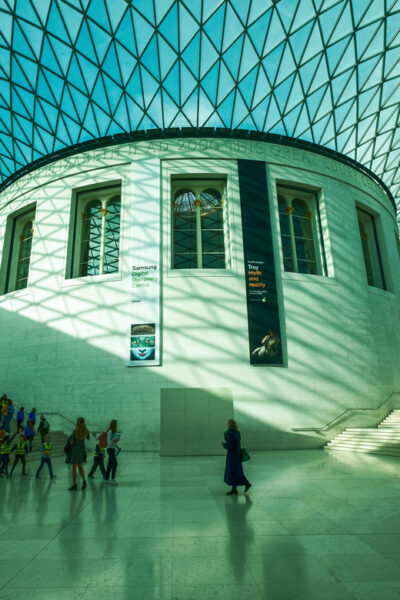 ★ 4.3London: British Museum Guided TourFrom $231,182 reviews
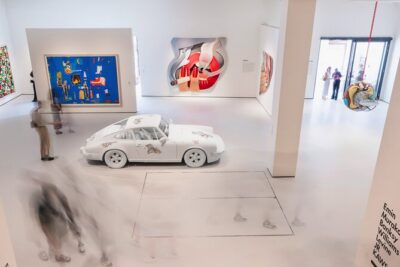 ★ 4.5Official tickets: Moco Modern & Contemporary Art MuseumFrom $361,157 reviews
 ★ 5.0British Museum London Guided Tour Semi-Private 8ppl MaxFrom $108984 reviews
 ★ 4.1London: Tour of the British MuseumFrom $14678 reviews
 ★ 4.5London: British Museum Audio Tour & Priority Entrance TicketFrom $9631 reviews
 ★ 5.0The British Museum London – Exclusive Guided Museum TourFrom $108555 reviews
Also filed under