
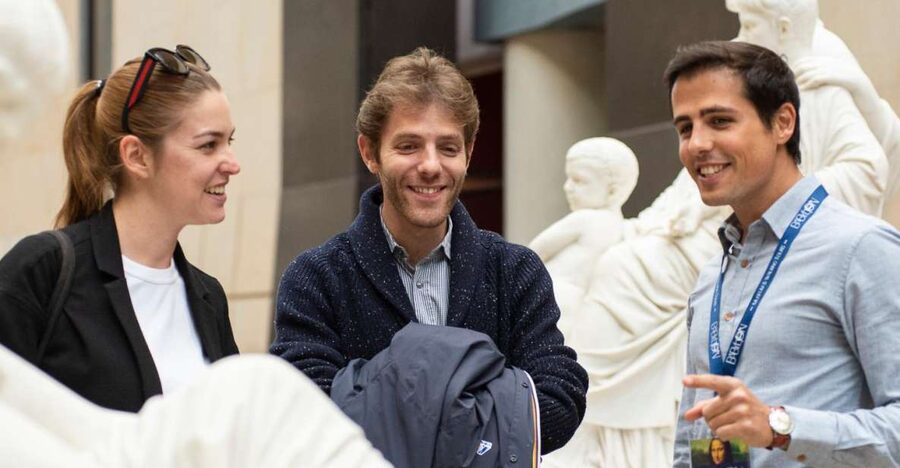
REVIEW · LONDON MUSEUMS & GALLERIES
London: British Museum Highlights Guided Small Group Tour
In two hours, the British Museum stops feeling endless. This small-group tour puts the spotlight on a handful of objects that make 6,000 years of human history feel personal and readable.
Two things I like a lot: you get expert framing for the Rosetta Stone and other headline pieces, and you move through the museum with a plan instead of wandering in circles. It is the difference between seeing artifacts and actually understanding why people in the past mattered.
One thing to consider: there is a small amount of walking, and if you need wheelchair access, wheelchair tours are only available as a private tour, not the small group option.
In This Review
- Key highlights that make this tour worth your time
- A 2 to 2.5 hour plan for the British Museum’s biggest hits
- How the guide turns thousands of objects into one story
- The Rosetta Stone stop: how one object reset history
- Assyrian Lion Hunt reliefs: power, propaganda, and motion
- Parthenon Sculpture: why this masterpiece still feels modern
- Lewis Chessmen and Royal Game of Ur: culture through play
- Oxus Treasure: a fast lesson in craftsmanship and reach
- Mummy of Katebet and Samurai armor: lives across time, not just timelines
- Pace and crowd reality inside the British Museum
- Price and value: what $112 buys you in real terms
- Who this tour suits best, and who might want another option
- Should you book this British Museum highlights tour?
Key highlights that make this tour worth your time

- The Rosetta Stone explained as a real object, not a language app
- Assyrian Lion Hunt reliefs that read like political theater in stone
- Parthenon Sculpture moments that make Greek art feel shockingly alive
- Lewis Chessmen paired with the Royal Game of Ur to show play across centuries
- Oxus Treasure for a fast hit of Central Asian craftsmanship
- A guide-led route that helps you beat the museum’s scale and crowd pressure
Other museum and gallery tours we sat through
- Frameless – Immersive Art Experience in London
★ 4.5 · 3,660 reviews - London: Entry Ticket to Frameless Immersive Art Experience
★ 4.7 · 2,923 reviews - London: British Museum Guided Tour
★ 4.3 · 1,182 reviews
A 2 to 2.5 hour plan for the British Museum’s biggest hits
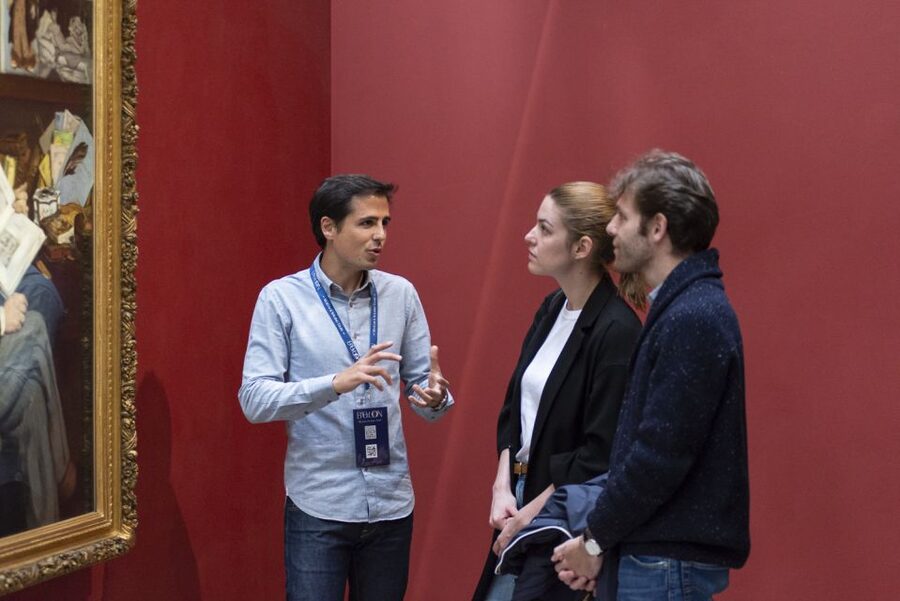
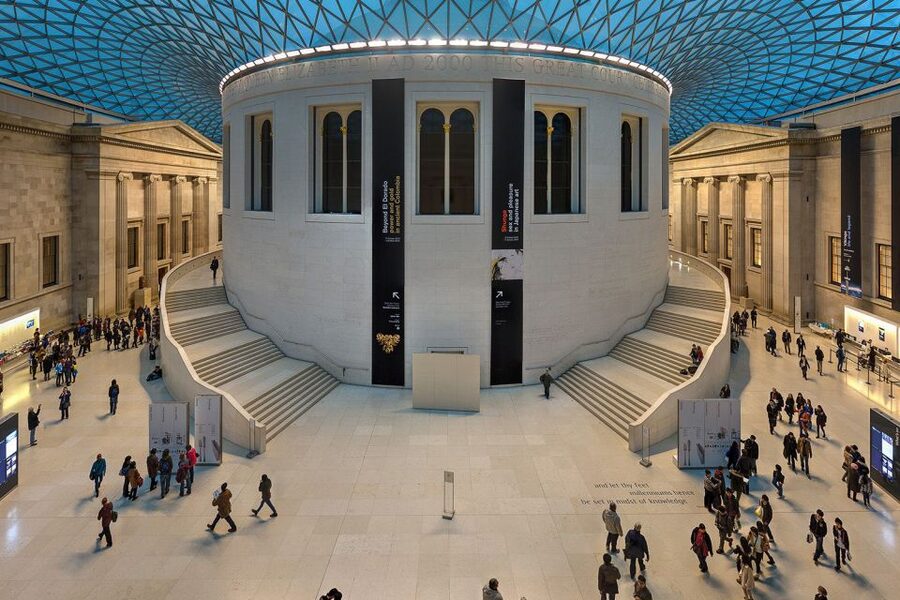
The British Museum can overwhelm you in a hurry. You walk in, look up at the galleries, and suddenly you feel like you need a week, not two hours. This tour is built for the reality most of us travel with: limited time, big collections, and an urge to understand what you are actually looking at.
At $112 per person for 2 to 2.5 hours, the value is not that you are buying entry tickets. You are buying someone’s ability to pick the right objects and connect them into a story you can remember. The tour is private or semi-private, with semi-private capped at 8 guests, so you should get a more human pace than a giant group.
And the goal is practical. You are not trying to see everything. You are trying to see the things that unlock context, so your solo time later feels easier.
How the guide turns thousands of objects into one story
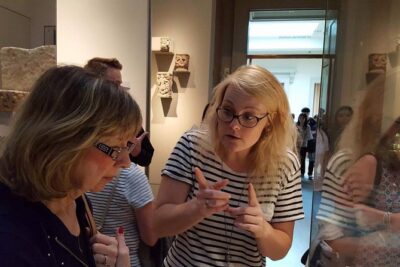
This is not a silent museum stroll. The guides take a serious tone, but they keep it fun. You get an approach that treats the artifacts as evidence of real lives, trade, power, belief, and creativity. You will hear about cultures and empires that are easy to miss when you only read museum labels at arm’s length.
One of the strongest signals from past tours is the guide style. People repeatedly mention humor, friendly back-and-forth, and the way the guide includes the group rather than lecturing at you from a distance. Some guides have shown real academic depth too. For example, one named guide shared a history background with doctoral-level training, and you can feel how that kind of preparation changes the tour.
In plain terms, you end up with mental hooks. After the tour, you are better equipped to roam the museum on your own and not feel like you are reading a wall of text with no map.
The Rosetta Stone stop: how one object reset history
The Rosetta Stone is the moment almost everyone knows, but it is also the moment you might be surprised by. This tour leans into the object itself, the actual rock with inscriptions, and uses it to talk about how translation works in the real world.
Why that matters: the museum is full of writing systems and symbol-rich artifacts, but it is easy to see scripts as decorative. The Rosetta Stone gives you the mechanism behind interpretation. You learn how scholars can connect languages and unlock meaning, instead of treating the inscriptions as locked boxes.
It also helps you notice something subtle. You start seeing this museum not as a warehouse of trophies, but as a place where evidence from different civilizations can be compared. That shift makes the rest of the highlights far more satisfying.
Practical note: this is a stop that attracts attention. Even with a guided plan, you should expect short pauses to get good sightlines and let the group gather.





Assyrian Lion Hunt reliefs: power, propaganda, and motion
If you only ever see Assyrian art as statues and slabs, you will miss the point. The Assyrian Lion Hunt reliefs are dramatic. They show action, tension, and a clear message about control, courage, and authority.
What makes this stop sing on a tour like this is the explanation behind the imagery. You do not just get what it depicts. You get how and why it was made, and what it says about leadership and spectacle in the ancient world.
A big payoff here is that you learn to read scenes the way the makers likely intended. The “action” is not just artistic skill. It is political communication. After you see it explained, the reliefs stop being background art and start feeling like a document from a system of rule.
Parthenon Sculpture: why this masterpiece still feels modern
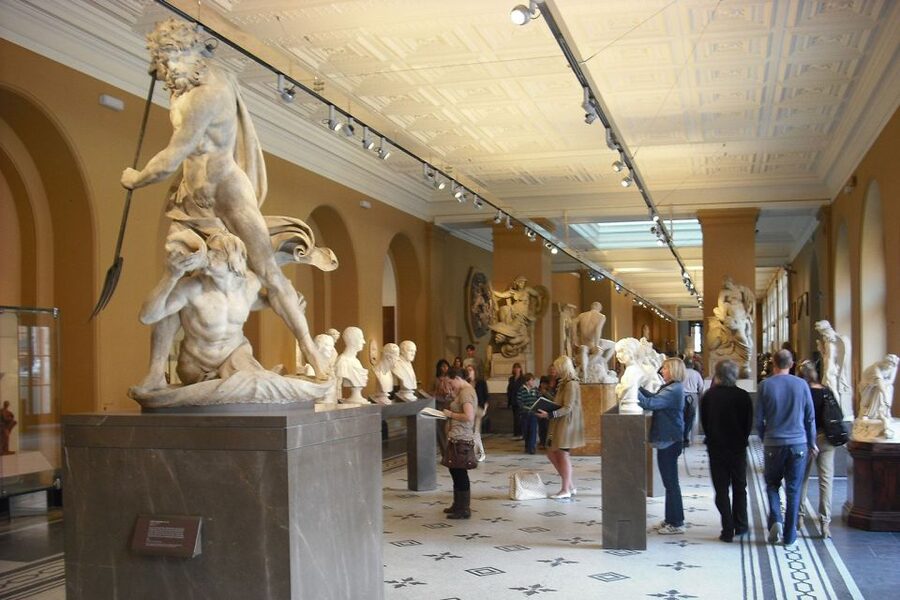
The Parthenon Sculpture stop is where classical art becomes more than a name. These pieces are famous, but “famous” does not help you understand scale, craftsmanship, or the kinds of stories artists were trying to tell.
On a highlights tour, this is the emotional gear shift. You go from ancient scenes of power (with the Lion Hunt reliefs) to Greek art that feels built for human attention: forms, drapery, and composition that keep your eye moving.
What you take away is also practical. You learn how the museum frames these objects, and you start to understand why they matter to modern culture beyond postcard recognition. You are not just admiring stone, you are learning how art travels through time and survives with fragments of its original context.
Lewis Chessmen and Royal Game of Ur: culture through play
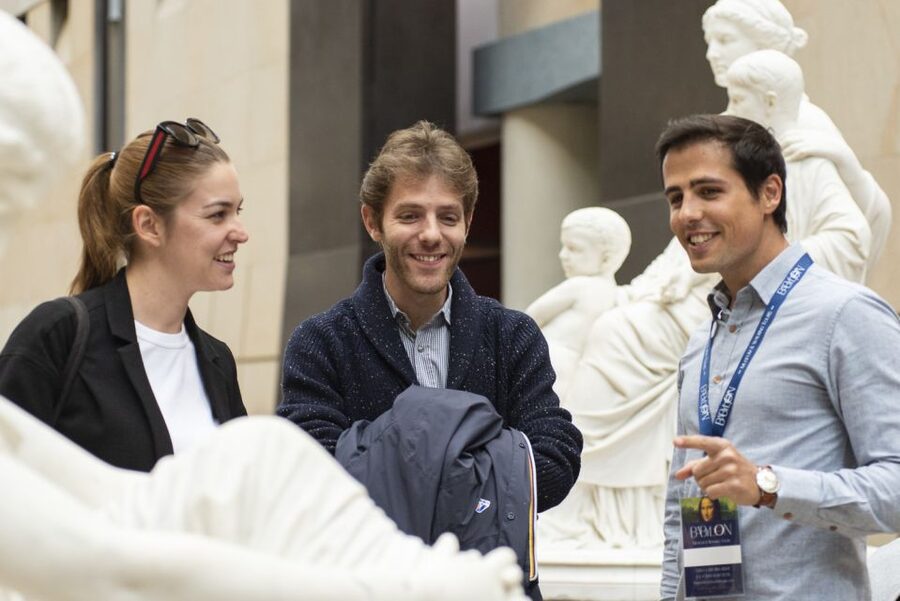
Then you get one of my favorite kinds of museum moments: objects that connect to everyday life. The Lewis Chessmen bring that instantly. Chess is still chess, with strategies and personalities, even if the people playing it were living in a different world.
What makes it more interesting on this tour is that it connects to older gaming traditions too, including the Royal Game of Ur when available as part of the planned highlights. So you do not treat the chess pieces as a novelty. You see them as part of a long human habit: using games to teach thinking, mark status, and build community.
The payoff is subtle but real. After this, the museum stops feeling like it is only about rulers and rituals. You start noticing the skills and routines that show up again and again across centuries.
Oxus Treasure: a fast lesson in craftsmanship and reach
The Oxus Treasure is your hit of artistry and cross-regional connection. Even if you only spend a few minutes looking at each key piece during a highlights tour, the explanation gives you a framework: this is not random wealth. It is craftsmanship that reflects movement of people, materials, and ideas across wide distances.
On your side, that means you look closer. You start noticing details and asking questions like, How was this made? What does it imply about trade or patronage? Why would someone commission pieces meant to impress?
This is where the short duration starts working in your favor. You are not trying to learn everything about the treasure in 2.5 hours. You are learning enough context to understand why it stands out, and that makes your later museum time more productive.
Mummy of Katebet and Samurai armor: lives across time, not just timelines
Depending on what is on view, you may also see other standout objects often included in these highlight routes, like the Mummy of Katebet and Samurai armour.
The reason I think these are valuable, even in a short tour, is contrast. A mummy forces you to confront beliefs about the body and remembrance, while armor points to identity, discipline, and technology. Both help you break out of a single, European-centered lens even if you are only visiting one building.
And it is also a mindset shift. When you hear the story choices your guide makes, you realize the museum is not just presenting artifacts, it is presenting perspectives. In the best moments, the tour helps you feel the continuity of humanity, even when the culture is completely different from yours.
Pace and crowd reality inside the British Museum
A highlights tour is always a tradeoff. You are choosing the most influential objects and getting context fast, which means you will not have the time for long, independent contemplation at every gallery corner.
But the practical navigation is part of the value. People often say the guide helps them move through crowds without feeling lost. That is exactly what you should hope for, especially at peak visiting times.
Here is what to plan for:
- A small amount of walking is involved
- You should wear comfortable shoes, because you will be moving between key rooms and waiting for the group to regroup
- No luggage or large bags are allowed, so travel light
Also bring an ID. A passport or ID card is recommended.
Price and value: what $112 buys you in real terms
Let’s talk value plainly. You are paying about $112 per person for 2 to 2.5 hours. That does not include food, and there is no hotel pickup or drop-off.
So where does the money go?
- You get a professional local guide who can explain what you are seeing in a way that helps it stick
- You get a route that targets the museum’s strongest, most understandable anchor points
- You get a format that works for real conversation, especially in semi-private groups
If you are the type who likes reading labels but tends to get lost in a huge building, the cost usually makes sense. You are effectively renting someone’s ability to turn chaos into priorities.
If you are the type who loves wandering without structure and plans to spend a full day at the museum, you might decide to skip the tour and go on your own. Still, even then, this kind of highlights tour can help you set a direction for the rest of your visit.
Who this tour suits best, and who might want another option
This tour is a great fit for:
- First-timers who want the museum’s core masterpieces without spending hours researching
- Families with teens, since guides often adjust tone and keep explanations engaging
- History lovers who feel overwhelmed by scale and want help choosing what to see
It is less ideal for:
- Anyone who needs wheelchair access in a small group setting. Wheelchair tours are only available as a private tour.
- People who want minimal walking or who are traveling with bulky luggage (large bags are not allowed)
One more practical point. There is a minimum of 2 people per booking for it to run, and semi-private departures depend on minimum numbers. If your schedule is flexible, that is manageable. If your dates are fixed, consider the private option.
Should you book this British Museum highlights tour?
If you want a confident, guided first visit to the British Museum, I would book it. The reason is simple: you spend your limited time on the museum’s most meaningful anchors, not on random rooms that look impressive but leave you with little context.
I would skip it only if you are planning a full-day museum immersion and you already know what you want to prioritize room by room. Otherwise, this is one of the smartest ways to make the museum feel coherent fast, especially with a guide who can connect the dots between artifacts that span continents and centuries.
If you book, go in with one mindset: you are not trying to learn everything. You are trying to understand enough to look better everywhere else in the museum once the tour ends.
Museums and Galleries, Keep Going
- Frameless – Immersive Art Experience in London★ 4.5 · 3,660 reviews
- London: Entry Ticket to Frameless Immersive Art Experience★ 4.7 · 2,923 reviews
- London: British Museum Guided Tour★ 4.3 · 1,182 reviews
- Official tickets: Moco Modern & Contemporary Art Museum★ 4.5 · 1,157 reviews
Fresh off the London review pile




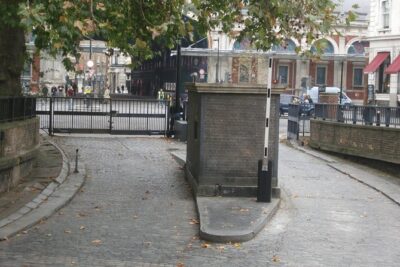
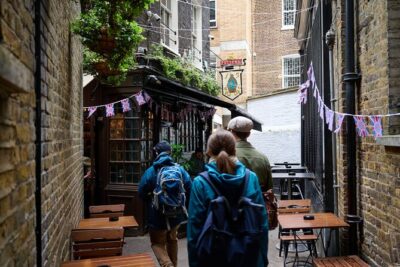
London Museums & Galleries, compared.
 ★ 4.5Frameless – Immersive Art Experience in LondonFrom $383,660 reviews
 ★ 4.7London: Entry Ticket to Frameless Immersive Art ExperienceFrom $372,923 reviews
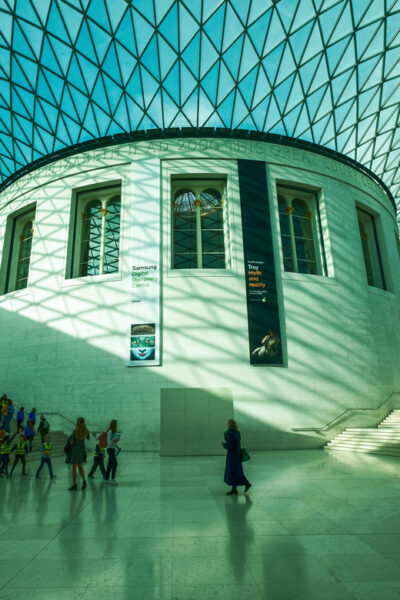 ★ 4.3London: British Museum Guided TourFrom $231,182 reviews
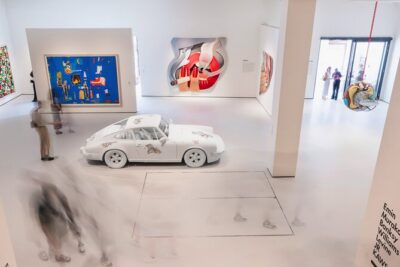 ★ 4.5Official tickets: Moco Modern & Contemporary Art MuseumFrom $361,157 reviews
 ★ 5.0British Museum London Guided Tour Semi-Private 8ppl MaxFrom $108984 reviews
 ★ 4.1London: Tour of the British MuseumFrom $14678 reviews
 ★ 4.5London: British Museum Audio Tour & Priority Entrance TicketFrom $9631 reviews
 ★ 5.0The British Museum London – Exclusive Guided Museum TourFrom $108555 reviews
Also filed under