
REVIEW · LONDON MUSEUMS & GALLERIES
London: British Museum with Expert Guide.
The British Museum is huge, this guide makes sense. In 80 minutes, you get a focused route through the objects that shaped how we read the ancient world, with expert context at each stop. The payoff is simple, you spend less time guessing where to go and more time understanding what you are looking at.
I love the way the tour starts with the Rosetta Stone, because the guide explains why it matters in everyday language. I also like how Strabo keeps things lively and clear, answering questions with ease and using humor that works for kids and adults alike.
One consideration: with only 80 minutes, you will not see everything. If your dream is to wander every gallery at a slow pace, plan extra time after the tour or book a longer visit day.
In This Review
- Key highlights you should care about
- Meeting by the Montague Place lions, then getting oriented fast
- Rosetta Stone and hieroglyphs, why one object changes your viewing
- Egypt afterlife: mummies and coffins, what to notice in the galleries
- Elgin Marbles and Parthenon sculptures, Greek mythology in stone
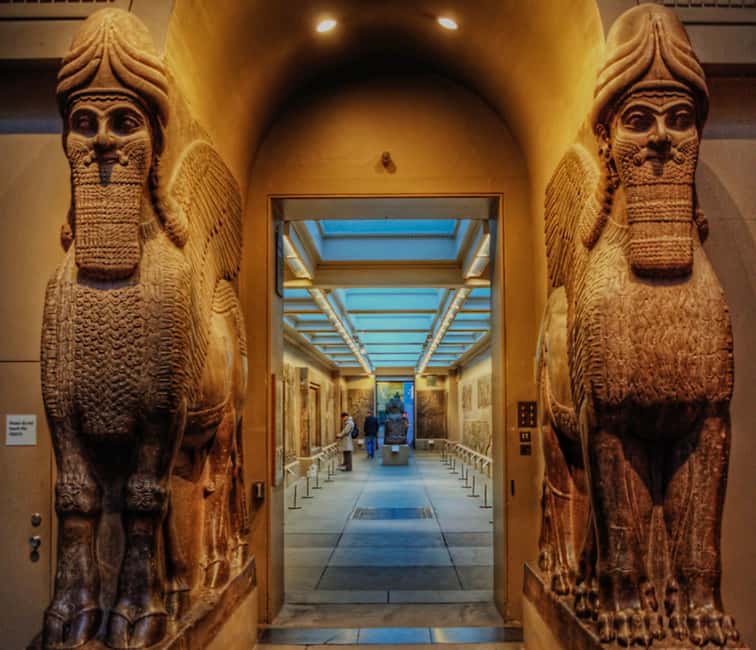
- Assyrian lion hunt reliefs, royal power you can feel
- Lewis Chessmen and Viking-era storytelling in medieval Scotland
- Other iconic objects, and why a good guide chooses the right mix
- Time, pacing, and how to get the most from 80 minutes
- Photography, comfort rules, and what to plan for during the visit
- Gift shop time after the tour, plus a smart way to continue
- Price and value: what $20.20 gets you in real terms
- Who this tour suits best
- Should you book this British Museum guided tour?
- FAQ
- Where do we meet for the British Museum tour?
- How long is the tour?
- What language is the live guide?
- Is the tour wheelchair accessible?
- Is flash photography allowed?
- Can I bring food or drinks into the exhibition rooms?
- What major artifacts will the tour cover?
- What is included in the price?
- Is free cancellation available?
- Is there a reserve and pay later option?
Key highlights you should care about
- Rosetta Stone first, so you understand hieroglyphs before you move on
- Strabo’s teaching style, clear, funny, and tuned to different ages in the group
- Major “wow” stops without overload, the tour hits the best-known objects with workable pacing
- Big civilizations in one route, Egypt, Assyria, and Greece, plus other notable highlights
- Practical museum rules, photography allowed but flash is prohibited, and food is not allowed in exhibition rooms
Other museum and gallery tours we sat through
- Frameless – Immersive Art Experience in London
★ 4.5 · 3,660 reviews - London: Entry Ticket to Frameless Immersive Art Experience
★ 4.7 · 2,923 reviews - London: British Museum Guided Tour
★ 4.3 · 1,182 reviews
Meeting by the Montague Place lions, then getting oriented fast
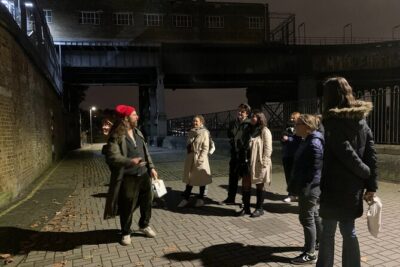
Meet outside the Montague Place entrance, by the two stone lions. That detail matters because the British Museum has multiple entry points, and you do not want to burn your first minutes wandering around. Starting at street level also helps you build a quick sense of direction before you step inside.
The tour runs for 80 minutes, in English with a live guide. That time window is long enough to cover several iconic objects, but short enough that the guide can keep the group moving and thinking, not just standing around. You end back at the meeting point, so you can easily continue on your own afterward.
Rosetta Stone and hieroglyphs, why one object changes your viewing
The tour begins with one of the museum’s most famous artifacts, the Rosetta Stone. The guide explains how this object helped unlock the secrets of ancient Egyptian hieroglyphs, which turns a wall label into an actual story you can follow.
What I like about this start is that it gives you a lens before you look at anything else. When you later see Egyptian artifacts, symbols, and themes, you are not just collecting facts, you are recognizing patterns. It makes the museum feel less like a maze and more like a guided argument for how knowledge was built.
This section is also a great entry point for first-timers. Even if you do not know much about Egypt, hieroglyphs stop being intimidating once someone puts them into context.
Egypt afterlife: mummies and coffins, what to notice in the galleries
After the Rosetta Stone, the focus shifts to ancient Egyptian beliefs about life after death. You will spend time with the museum’s collection of mummies and coffins, with the guide explaining the rituals and techniques used in mummification.
This is where the tour becomes more than sightseeing. The objects can look strange at first, but with the guide’s framing, you start to see the logic behind burial practices and the goal of preserving the body. You also get a sense of how religion, medicine, and craftsmanship overlapped in the ancient world.
A practical note: exhibition rooms can have areas that are harder to navigate, even though the tour is wheelchair accessible. If you are using a wheelchair, it is smart to plan for some tighter movement and ask the guide where the easiest paths are.





Elgin Marbles and Parthenon sculptures, Greek mythology in stone
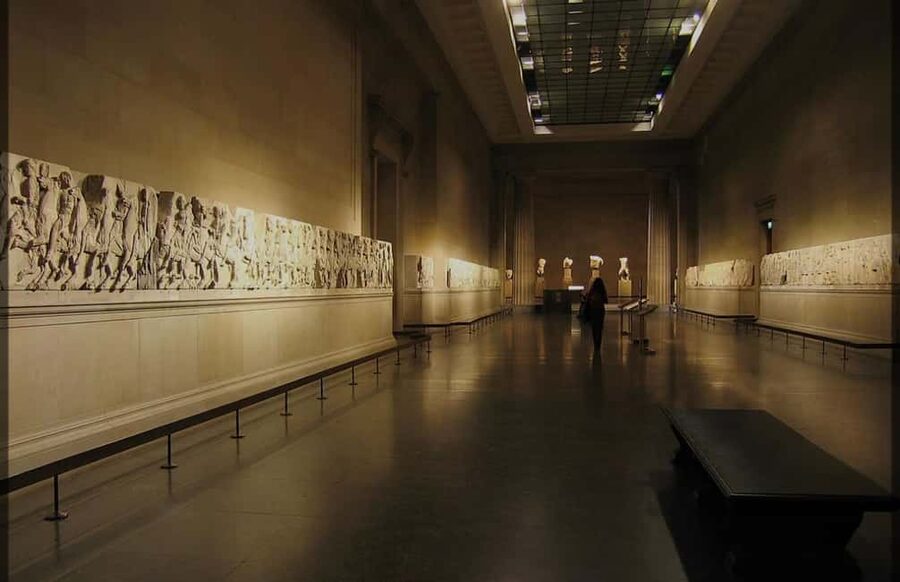
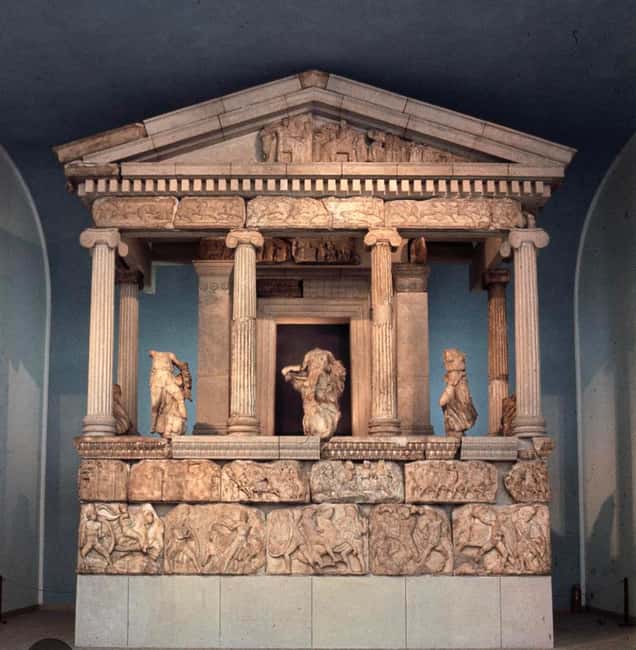
Next up are the Parthenon sculptures, known widely as the Elgin Marbles. The guide walks you through what you are seeing and why these works matter, including their dating to the 5th century BCE and their connections to Greek mythology.
Here is the value of having a guide for this section. Without context, you might focus only on beauty or scale. With context, you notice storytelling choices, how figures relate, and what the scenes were designed to communicate. Greek myths can feel like distant school-time trivia, but in front of these sculptures, they start to feel specific and human.
The pacing also helps. You are not trying to “read” every detail at once. Instead, the guide steers you toward a few key visual cues, then gives you enough background to interpret them on your own.
Assyrian lion hunt reliefs, royal power you can feel
The tour also takes you to highlights from the ancient Assyrian Empire, especially the lion hunt reliefs. These intricate carvings show royal power and artistry in a way that is hard to appreciate from a casual glance.
When you look at reliefs on your own, it is easy to get stuck on “cool carving” mode. With a guide, you learn what the scenes were doing politically and culturally, not just artistically. You start to see how rulers used spectacle and imagery to project control.
This stop works well if you like your history with drama. Lion hunts sound like a movie plot, but in this context they are also a visual statement. You leave thinking about how images can function like power, not only decoration.
Lewis Chessmen and Viking-era storytelling in medieval Scotland
One of the more surprising stops is the Lewis Chessmen, a set of intricately carved chess pieces discovered on the Isle of Lewis in Scotland. The guide explains the history of these medieval masterpieces and their significance in Viking culture.
This part is a great reminder that the British Museum is not only about ancient empires in the far past. It also connects to the medieval world in a way that feels grounded and local, especially since the pieces were found in Scotland.
Chess might sound like an odd museum highlight until you see how objects like this carry social meaning. The figures, craftsmanship, and association with Viking culture all help you understand why these pieces mattered beyond a board game. It is a reminder that creativity and identity traveled across time.
Other iconic objects, and why a good guide chooses the right mix
Depending on the interests of the group and the pace on the day, Strabo may add additional famous highlights beyond the big three of Egypt, Greece, and Assyria. In practice, Strabo has been known to include other notable objects such as Aztec pieces alongside the core stops.
That matters because the British Museum is enormous. Even with a list of “must-sees,” self-guided visits often turn into a pile of random rooms. A guide helps you stitch the experience together so it feels coherent. You get the feeling of moving through themes, not just checking boxes.
If you are traveling with mixed interests, this is a big plus. Families can enjoy clear explanations, adults get context, and the humor helps keep attention from drifting.
Time, pacing, and how to get the most from 80 minutes
The biggest advantage of an 80-minute format is focus. The guide picks key exhibits and keeps the group from getting lost in side galleries. That is also why the tour works for people who feel overwhelmed by the museum size.
You also get a benefit you might not think about: you learn what to prioritize when you go back on your own. After the guided section, you can use your new “mental map” to explore further without starting from zero.
One tip for maximizing your time: have a small list in mind before you arrive, even if it is just three things, Rosetta Stone, mummies, and one other favorite. When you show interest, the guide can steer you toward the best object details and questions.
Photography, comfort rules, and what to plan for during the visit
Photography is allowed, but flash photography is prohibited. That is typical for museum conservation, but it also changes how you take pictures, especially in dimmer exhibition rooms. Plan on natural lighting from your surroundings and be ready to avoid flash entirely.
Food and drinks are not allowed inside the exhibition rooms. If you need a snack or water, handle it before the tour begins or during your break time in allowed spaces. This keeps things smooth and avoids the awkward scramble mid-tour.
Gift shop time after the tour, plus a smart way to continue
After the guided portion, you will have time to explore the museum’s gift shop. It is a practical way to pick up books or replicas without trying to do heavy browsing while you are also trying to see major galleries.
For your next step, consider staying in the areas you just learned about. If you take a few minutes to revisit one exhibit with your new context, you usually get far more out of it than you would by hopping randomly to a distant room.
Price and value: what $20.20 gets you in real terms
At about $20.20 per person for an 80-minute guided tour, you are paying for three things: a certified guide, a focused route through the museum, and interpretation that you cannot easily reproduce from a quick walk with a phone.
Value here is not just the ticket. It is the time saved. The British Museum is too large for most people to “self-discover” the meaning of the most famous objects in a single visit without missing context. With Strabo’s approach, you get an efficient path to the objects that anchor the bigger stories of Egypt, Greece, and Assyria.
If you are the type who likes to understand what you are seeing, this price is usually fair. If you already know a lot and plan a very slow wander, you may prefer a flexible self-guided day. But for most first-timers, guided time turns a big museum into a readable experience.
Who this tour suits best
This tour is a smart fit if you want a guided highlights route through the British Museum’s biggest names. It is also strong for families and mixed-age groups because Strabo’s style has worked well when the guide keeps explanations accessible and the tone light.
You will also like this if you like clear priorities. The tour aims at iconic objects such as the Rosetta Stone, the mummies and coffins section, Parthenon sculptures, Assyrian lion hunts, and the Lewis Chessmen. In that structure, you get variety without being scattered.
If you prefer deep specialization in one area, like only Egypt or only Greek art, you might want a longer, more focused program. With only 80 minutes, the goal is breadth plus clarity.
Should you book this British Museum guided tour?
Book it if you want the fastest path to meaning in one museum visit. The combination of a certified guide, a tight highlights route, and Strabo’s clear, funny explanations makes the museum feel less intimidating and more connected.
Skip it or add extra self-time if your plan is to wander widely and soak up atmosphere without structure. The time is limited, so you will want a longer museum day if your heart is set on seeing everything at your own pace.
Bottom line: if you are walking into the British Museum for the first time and you want to leave with your head full of context, this guided route is a solid use of your London time.
FAQ
Where do we meet for the British Museum tour?
You meet outside the Montague Place entrance by the two stone lions.
How long is the tour?
The tour lasts 80 minutes.
What language is the live guide?
The live tour guide speaks English.
Is the tour wheelchair accessible?
Yes, the tour is wheelchair accessible, though some areas may still be challenging to navigate.
Is flash photography allowed?
Photography is allowed, but flash photography is prohibited.
Can I bring food or drinks into the exhibition rooms?
No, food and drinks are not allowed inside the exhibition rooms.
What major artifacts will the tour cover?
You’ll start with the Rosetta Stone and then see highlights such as mummies and coffins, the Elgin Marbles from the Parthenon, Assyrian lion hunt reliefs, and the Lewis Chessmen.
What is included in the price?
The price includes a guided tour of the British Museum.
Is free cancellation available?
Yes, you can cancel up to 24 hours in advance for a full refund.
Is there a reserve and pay later option?
Yes, you can reserve now and pay later, keeping your plans flexible.
Museums and Galleries, Keep Going
- Frameless – Immersive Art Experience in London★ 4.5 · 3,660 reviews
- London: Entry Ticket to Frameless Immersive Art Experience★ 4.7 · 2,923 reviews
- London: British Museum Guided Tour★ 4.3 · 1,182 reviews
- Official tickets: Moco Modern & Contemporary Art Museum★ 4.5 · 1,157 reviews
Fresh off the London review pile



London Museums & Galleries, compared.
 ★ 4.5Frameless – Immersive Art Experience in LondonFrom $383,660 reviews
 ★ 4.7London: Entry Ticket to Frameless Immersive Art ExperienceFrom $372,923 reviews
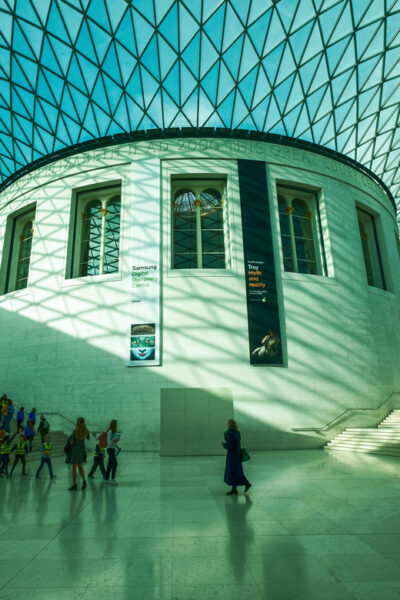 ★ 4.3London: British Museum Guided TourFrom $231,182 reviews
 ★ 4.5Official tickets: Moco Modern & Contemporary Art MuseumFrom $361,157 reviews
 ★ 5.0British Museum London Guided Tour Semi-Private 8ppl MaxFrom $108984 reviews
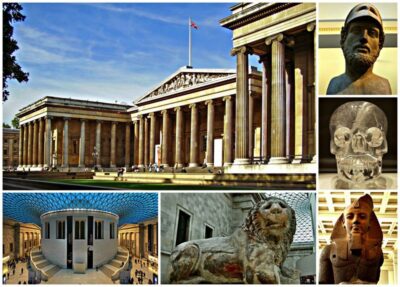 ★ 4.1London: Tour of the British MuseumFrom $14678 reviews
 ★ 4.5London: British Museum Audio Tour & Priority Entrance TicketFrom $9631 reviews
 ★ 5.0The British Museum London – Exclusive Guided Museum TourFrom $108555 reviews
Also filed under