
REVIEW · JACK THE RIPPER & VICTORIAN CRIME WALKS
London: Jack the Ripper tour in Spanish (RLA Winner)
London’s Whitechapel streets tell real stories. This 2-hour Jack the Ripper tour in Spanish takes you to the physical places connected with the murders, with an expert guide who actually welcomes questions.
What I like most is the mix of serious historical investigation and a walking route that keeps you grounded in place, not just legend. You’re guided by José Oranto, recognized in the Ripper research world, and you’ll also get helpful context on the era’s buildings and street life.
One thing to consider is simple: the tour is in Spanish only, so if you’re not comfortable with that, you may feel left out during the dialogue and Q&A.
In This Review
- Key highlights at a glance
- Why This Whitechapel Jack the Ripper Tour Feels Different Than a Story Stop
- Meet José Oranto, The Guide Behind the RLA 2023 Recognition
- Two Hours in Spanish, With a Pace That Works for Most
- Your Walking Route Through Whitechapel, From the Church Memorial to White’s Row
- St Marys Whitechapel Church Memorial (Start)
- 1 Brick Ln
- 16 Gunthorpe St
- 49 Flower and Dean Walk
- Banglatown Arch
- 29 Hanbury St
- The Ten Bells Spitalfields (Pass by)
- Mitre Square Garden
- 46 Goulston St
- 6 White’s Row
- What Makes Each Stop Valuable, Beyond the Name on the Street
- Images, Evidence, and the Myth vs Truth Balance
- Today’s Whitechapel, Seen Through a Victorian Lens
- Price and Value: Why $21 for 2 Hours Can Make Sense
- Who Should Book This Spanish Jack the Ripper Tour
- Should You Book This Jack the Ripper Tour in Spanish?
- FAQ
- Is the Jack the Ripper tour in Spanish?
- How long is the tour?
- Where does the tour start?
- What locations will we visit during the walk?
- Can I ask questions during the tour?
- Is the tour wheelchair accessible?
- Is video recording allowed?
- What should I bring?
- FAQ
- Is there free cancellation?
- Can I reserve now and pay later?
Key highlights at a glance
- Award-winning guide, José Oranto: An author and specialist in the Whitechapel murders
- Real street locations: You visit the actual geography tied to the case
- Ask anything Q&A style: Questions are encouraged, not tolerated
- A human view of Victorian London: Buildings and daily life are part of the story
- Manageable walking pace: Built for a 2-hour outing, not an all-day hike
Other Whitechapel walks at the same dark hour
- London: The Original Jack the Ripper Walking Tour
★ 4.7 · 7,833 reviews - London Jack the Ripper Guided Tour with Ripper-Vision
★ 4.5 · 4,840 reviews - London: Jack the Ripper Small Group Tour
★ 4.7 · 3,159 reviews
Why This Whitechapel Jack the Ripper Tour Feels Different Than a Story Stop
There are lots of Jack the Ripper tours in London. The problem is that many turn into a loop of the same dramatic lines, with very little structure. This one aims for the opposite feeling. You walk through Whitechapel’s real streets, and the guide uses that setting to talk about what we can support with evidence, what gets mythologized, and what still sparks debate.
I also like that it does not pretend certainty where certainty is hard. Instead, it frames the case as an investigation people have worked on for a long time. That makes it less like entertainment and more like a guided conversation with history.
At about two hours, it also has the right length for most schedules. You get enough time to connect locations to the broader case, without dragging it into a long, tiring tour.
Meet José Oranto, The Guide Behind the RLA 2023 Recognition
The guide is José Oranto, and his credentials matter because they shape the tour style. He is described as a historian and leading authority in the historical investigation of the Whitechapel murders. He’s also the author of Jack el Destripador y las crónicas de Whitechapel, plus he’s collaborated on a dozen specialized works.
In practical terms, that means the explanations tend to be detailed, and you’re not just watching someone recite famous bits. People around the route are invited to ask questions and share theories, and Oranto is ready to discuss them in the moment. That direct, open dialogue shows up in the reviews too, especially the way he keeps participants engaged and willing to answer.
You’ll also notice a different kind of support during the walk: images and visual materials are used alongside the narration. That helps if you want to picture what the guide is talking about rather than relying only on spoken description.
Two Hours in Spanish, With a Pace That Works for Most
This is a Spanish-language walking tour, and that affects the whole experience. If you speak Spanish well enough to follow discussion, you’ll get a lot more out of it, especially during the Q&A portions. If your Spanish is basic, you might still catch the main points, but the conversation will move faster than a typical museum audio guide.
The walk is designed to be manageable. Reviews highlight that it does not require excessive walking, and the guide keeps talking while you move, which helps the time fly. Still, you are outside in London weather, so wear layers and shoes that handle pavement and possible damp sidewalks.
One more practical note: video recording is not allowed. So plan to take notes or photos only where you can, and expect to rely on your memory and the guide’s explanation. (It’s easier to focus when you are not filming the whole time anyway.)




Your Walking Route Through Whitechapel, From the Church Memorial to White’s Row
The tour starts at St Marys Whitechapel Church Memorial, and that opening matters. It sets a tone before you hit the street grid, giving you a moment to frame the case in the neighborhood where it unfolded. It’s a good “ready, now look around” starting point.
From there, you move through a sequence of real addresses and key streets tied to the story. The exact stops feel like a guided walk through the case’s geography, plus you get extra commentary on the Victorian-era architecture and the everyday life that would have shaped the area.
Here’s what the route experience feels like, stop by stop:
St Marys Whitechapel Church Memorial (Start)
You begin at the memorial, then the guide builds context and transitions into the streets. This first moment helps you understand the logic of the tour: you are not wandering randomly, you’re moving through a set of connected locations.
1 Brick Ln
At Brick Lane, you’re looking at the kind of street that defines Whitechapel’s character. The guide uses stops like this to talk about what the architecture and street layout contribute to the case narrative. Even if you’ve seen modern Brick Lane before, the historical framing changes how it feels.
16 Gunthorpe St
Gunthorpe Street is the sort of stop that makes you slow down. It’s not just about the “famous name” of the area, it’s about the lived-in scale of the streets and how people moved through them. If you like atmosphere grounded in specifics, this part works well.
49 Flower and Dean Walk
Flower and Dean Walk is one of those streets that can look straightforward on a map, but the guide turns it into a learning point. This is where the tour’s “human and factual perspective” becomes more obvious, because you’re thinking in terms of daily street life, not just headline events.
Banglatown Arch
At the Banglatown Arch, you get a quick reminder that Whitechapel is not frozen in time. The guide connects the past streets to the present neighborhood feel, so the walk doesn’t become a history theme park. It’s a practical way to understand how old and new overlap in London.
29 Hanbury St
Hanbury Street is another place where the guide leans into the street-level realities. You’re learning to read the neighborhood as a network of locations, not isolated “scenes.” That’s a key mental shift for anyone trying to separate myth from documented discussion.
The Ten Bells Spitalfields (Pass by)
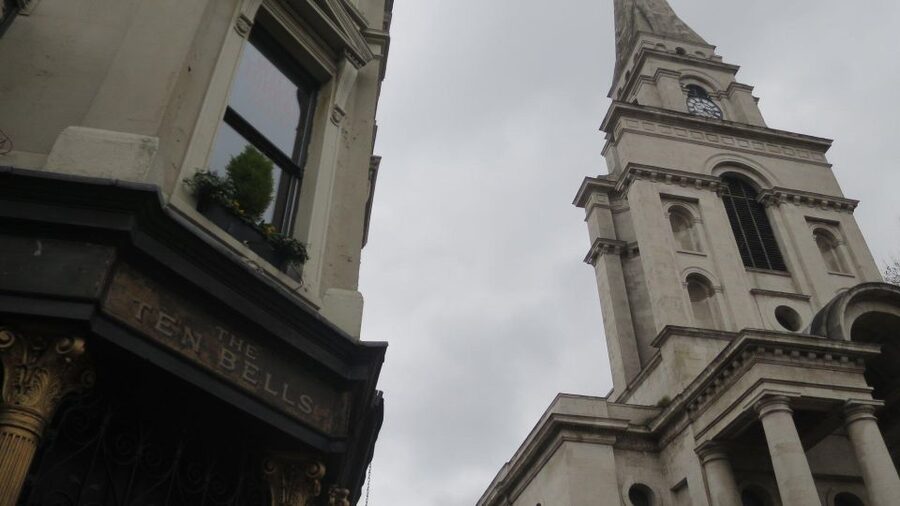
You pass by the Ten Bells Spitalfields. This stop can be fun even if you don’t linger, because it’s a recognizable local landmark tied to the area’s modern identity. The pass-by format keeps the tour moving and keeps you focused on the case connections the guide is building.
Mitre Square Garden
At Mitre Square Garden, you get a brief change of rhythm. Garden spaces can make a tour feel less relentless, and the guide can use the pause to connect architecture and street form to the broader story. It’s also a good moment to reset your attention for the next addresses.
46 Goulston St
Goulston Street is one of the key named stops that reinforces the case geography. The guide’s style here tends to be explanatory and interactive, so if you have questions building up, this is the kind of location where people tend to speak up.
6 White’s Row
The walk finishes at White’s Row, one of the final address points that closes out the route. By this stage, you’ve seen enough locations that the case starts to feel like a mapped neighborhood story, not a random series of shocks.
What Makes Each Stop Valuable, Beyond the Name on the Street
The reason this tour works is that it uses the street addresses as anchors for bigger ideas. The guide ties architecture and street setting to the case. That matters because Jack the Ripper stories often float in a cloud of famous names and dramatic scenes.
On this walk, you’re learning to ask better questions like:
- How does the street layout influence movement and visibility?
- What does the building style and density suggest about the area at the time?
- What parts of the story feel like legend, and what parts are discussed with more documentary grounding?
The Q&A style makes it even better. Instead of waiting until the end, you can ask during the walk, and you can also challenge points respectfully. If you like thinking like a researcher, you’ll likely enjoy that approach.
And the guide doesn’t just talk at you. Reviews praise the way he keeps the group engaged, and that matters because it turns the tour from a lecture into a shared discussion.
Images, Evidence, and the Myth vs Truth Balance
One of the tour’s most practical strengths is that it does not rely only on dramatic storytelling. Visual materials help you keep track of what you’re hearing. That’s useful when the topic is famous but often simplified, because you can end up remembering the headline version instead of the details.
You’ll also hear a clear effort to separate myth from documented investigation. That doesn’t mean everything becomes solved, but it does mean you leave with a better sense of why certain claims get repeated and why others stay debated.
Also, the tour invites debate without making it feel chaotic. The guide’s experience shows in how he guides the conversation back to the case and keeps it grounded.
Today’s Whitechapel, Seen Through a Victorian Lens
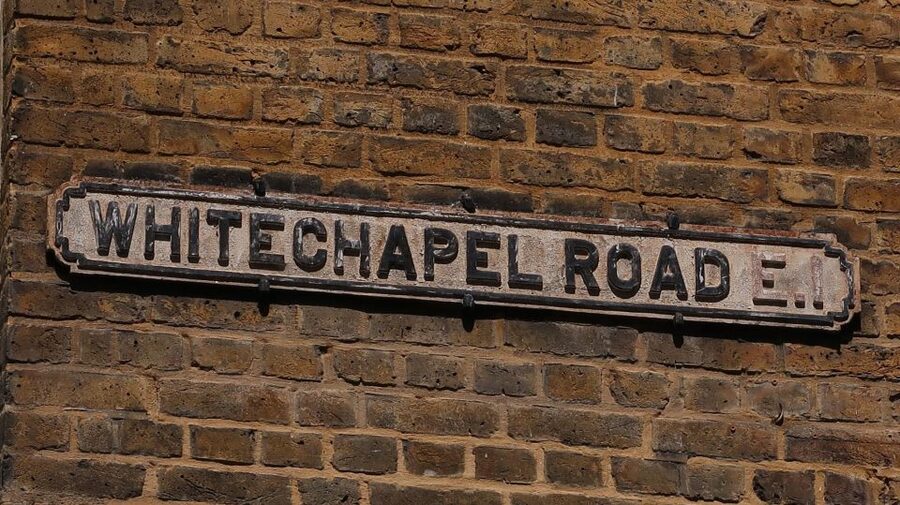
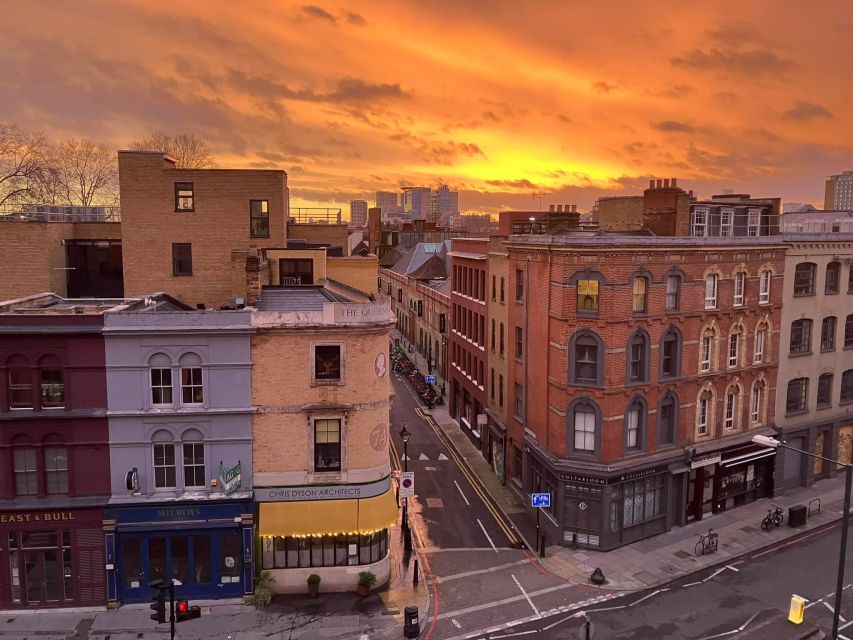
I love tours where you can feel the city layered. Here, you do. One minute you’re in the modern rhythm around places like Banglatown Arch, and the next you’re thinking about Victorian street life and the buildings that shaped how people lived and worked.
This is valuable for two reasons:
- You can actually visualize the streets in your current day as a physical space, not just an old postcard.
- It reminds you that real people lived here long after and long before the headlines, so the story stays human.
Even if you’ve seen Whitechapel before, the tour’s framing makes it feel more readable. You learn to look at the streets and architecture like a map for understanding the case.
Price and Value: Why $21 for 2 Hours Can Make Sense
At $21 per person for a two-hour guided walking tour, this sits in a reasonable range for London. The real value is not just the low-ish price tag. It’s what you get for it: a specialist guide, a route built around real locations, and a Q&A format that turns time into learning.
Many “Jack the Ripper experience” tours cost more but still deliver generic narration. Here, the tour leans into expertise, visuals, and real-world streets. If you want something more structured than the usual spooky walk, the value becomes easier to justify.
If you’re traveling with people who like different styles, this tour also has a good balance. The story keeps it interesting, but the structure keeps it grounded.
Who Should Book This Spanish Jack the Ripper Tour
This tour is a strong fit if:
- You want a Jack the Ripper walking tour in Spanish with real locations, not just lore
- You like asking questions and hearing explanations you can challenge
- You enjoy Victorian architecture and want context tied to streets, not only dates
- You want a short, focused experience around Whitechapel, lasting about two hours
It may be less ideal if:
- Spanish is not comfortable for you, since the tour is fully conducted in Spanish
- You prefer tours where filming is part of the experience, since video recording is not allowed
Should You Book This Jack the Ripper Tour in Spanish?
If your goal is to learn the case in a way that feels grounded in place, this is an easy yes. The José Oranto factor matters because it shapes how the story is told, with detail, visuals, and a real willingness to answer questions. Add the visit to real Whitechapel locations and a length that fits most London plans, and it becomes a tour that’s both practical and memorable.
Book it if you want more than spookiness. Pass if you’re looking for simple, low-effort entertainment in English.
FAQ
Is the Jack the Ripper tour in Spanish?
Yes. The live tour guide speaks Spanish, and the experience is listed as a Spanish tour.
How long is the tour?
The duration is 2 hours.
Where does the tour start?
The tour starts at St Marys Whitechapel Church Memorial.
What locations will we visit during the walk?
The tour visits real locations connected with the case, including stops such as Brick Lane, Banglatown Arch, Hanbury Street, Mitre Square Garden, Goulston Street, and White’s Row, with a pass-by at Ten Bells Spitalfields.
Can I ask questions during the tour?
Yes. Interaction is part of the experience, and all questions are welcome.
Is the tour wheelchair accessible?
Yes, the activity is listed as wheelchair accessible.
Is video recording allowed?
No. Video recording is not allowed during the tour.
What should I bring?
Bring weather-appropriate clothing, since it is a walking tour.
FAQ
Is there free cancellation?
Yes. You can cancel up to 24 hours in advance for a full refund.
Can I reserve now and pay later?
Yes. The booking includes a reserve now & pay later option.
Ripper Walks and Victorian Crime
- London: The Original Jack the Ripper Walking Tour★ 4.7 · 7,833 reviews
- London Jack the Ripper Guided Tour with Ripper-Vision★ 4.5 · 4,840 reviews
- London: Jack the Ripper Small Group Tour★ 4.7 · 3,159 reviews
- London Jack The Ripper Guided Walking Tour★ 5.0 · 3,131 reviews
Fresh off the London review pile

Jack the Ripper & Victorian Crime Walks, compared.
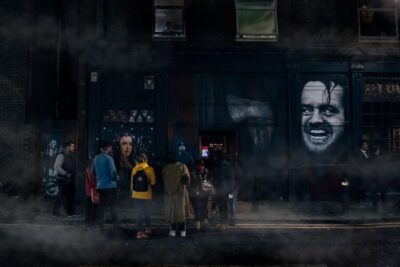 ★ 4.7London: The Original Jack the Ripper Walking TourFrom $257,833 reviews
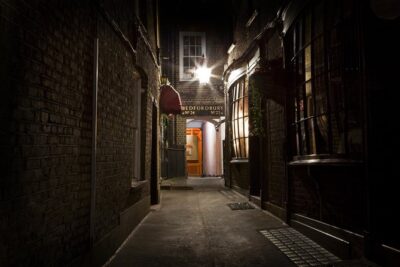 ★ 4.5London Jack the Ripper Guided Tour with Ripper-VisionFrom $274,840 reviews
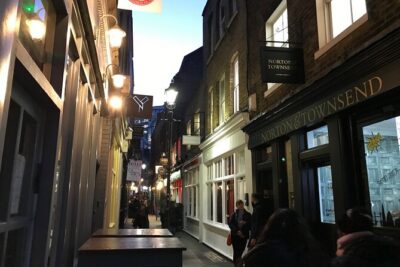 ★ 4.7London: Jack the Ripper Small Group TourFrom $263,159 reviews
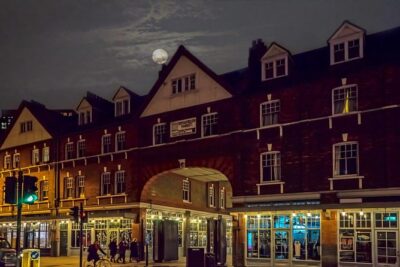 ★ 5.0London Jack The Ripper Guided Walking TourFrom $03,131 reviews
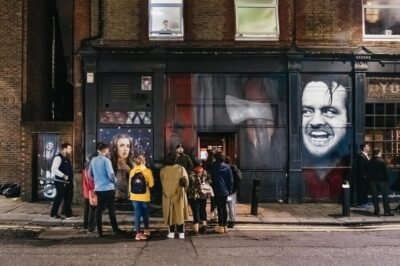 ★ 4.6German Language : Original Jack the Ripper TourFrom $241,805 reviews
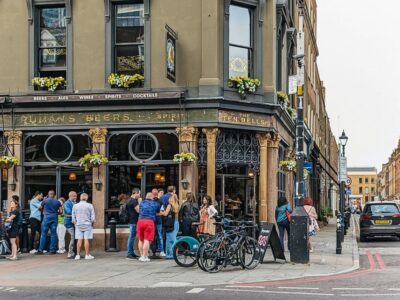 ★ 4.5London: Jack the Ripper Walking Tour – Ripper Vision ToursFrom $261,752 reviews
 ★ 5.0Ultimate Jack the Ripper : Guided Tour of LondonFrom $271,495 reviews
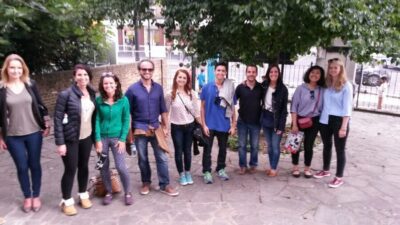 ★ 4.9London: Jack the Ripper Evening Walking TourFrom $331,449 reviews
Also filed under