
REVIEW · ROYAL PALACES, GREENWICH & KEW
London: Kew Gardens Admission Ticket
London gets surprisingly wild at Kew Gardens. I love stepping into Kew Palace and walking the treetop walkway for real height views. My only note: on hot days, shade can feel limited.
This is London’s largest UNESCO World Heritage Site, spread across 326 acres of gardens, conservatories, and art. With a day ticket and a solid route, you can hit the best highlights like the glasshouses and the bee themed installation without feeling rushed.
In This Review
- Key moments you’ll actually remember
- Kew Gardens admission, what you get for your $32
- Getting there smoothly, and where to enter
- One day planning tip, start with the glasshouses
- Kew Palace, the royal retreat that feels human scale
- Waterlily House, the big pads and the calm vibe
- Palm House rainforest, the temperature shift you can feel
- Princess of Wales Conservatory, 10 climate zones
- The Hive, a beehive that talks back with light and sound
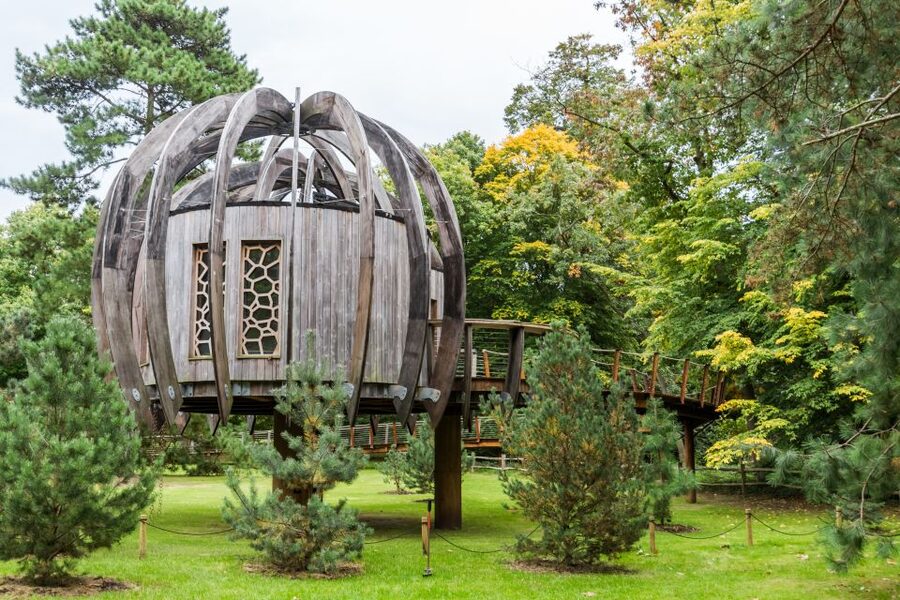
- Treetop Walkway, 18 meters up and worth the effort
- Arboretum and the 14,000 tree collection
- Art galleries and sculptures, a different side of Kew
- Food and drinks, how to avoid the overpriced surprise
- Comfortable pacing, especially on hot London days
- Staff, volunteers, and the calm organization
- Is this good value, and who it fits best
- Should you book this Kew Gardens admission ticket?
- FAQ
- Is this Kew Gardens ticket valid for one day?
- Where is the closest entrance to Kew Gardens station?
- How long does it take to get from central London to Kew Gardens?
- What does the admission ticket include?
- Are free walking tours part of the ticket?
- Are pets allowed, and is the park wheelchair accessible?
Key moments you’ll actually remember
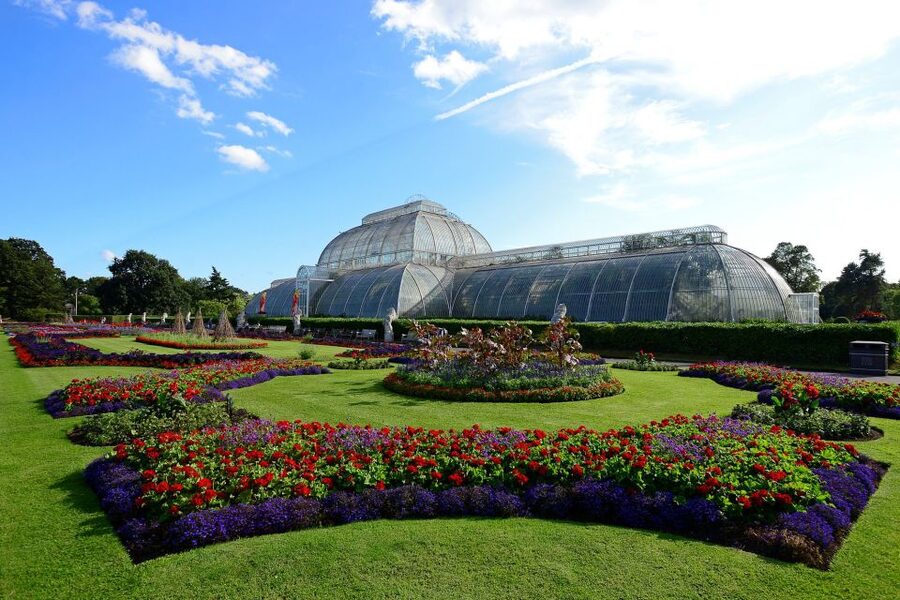
- Palm House rainforest under glass, with exotic plants that feel like a different planet
- Treetop Walkway at 18 meters, for skyline style views and photo angles that change every turn
- The Hive, a beehive inspired structure with visual and sound effects plus lots of LEDs
- Waterlily House giants, including the big lily pads that are famous for a reason
- Arboretum trees by the thousands, including more than 14,000 trees to wander slowly
Kew Gardens admission, what you get for your $32
At about $32 per person, this ticket is good value if you take the gardens seriously and plan to stay awhile. Kew Gardens is huge, and the ticket covers a lot of the parts that make it special: the royal rooms at Kew Palace, major glasshouses, the treetop walkway, and the Arboretum.
It also includes a map and a seasonal highlights guide, which matters more than you might think. Kew is not a quick loop. Even if you go at your own pace, having a plan helps you avoid spending half the day in transit between “I didn’t know that was there” spots.
Getting there smoothly, and where to enter
Kew Gardens is about 30 minutes from central London using Underground and Overground trains. That makes it an easy day trip, especially if you do not want to rent a car or burn time on transfers.
For entry, you can arrive at any entrance. If you want the most convenient starting point, head for Victoria Gate near Kew Gardens station on Kew Road. Showing up there makes it easier to orient, especially if you start midmorning and the crowds are building.
One day planning tip, start with the glasshouses
Kew works best when you use a simple rhythm: go inside early, then do outdoors as the day turns warm. The glasshouses are spectacular in any weather, and mornings tend to feel calmer.
When you enter, think about what you want most. If The Hive and the treetop walkway are your priorities, build your route around them so you do not end up saving your best views for the last hour of the day. Kew also has a practical rule that affects timing: the last admission is 1 hour before closing. So you want your “must sees” done before you feel that countdown pressure.
Kew Palace, the royal retreat that feels human scale
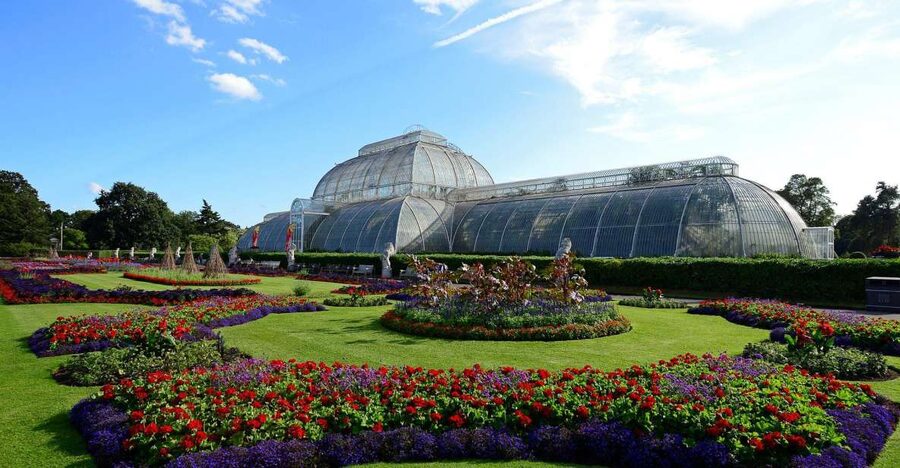
Kew Palace is not some giant palace you race through. It is a pleasant, enclosed retreat, and that makes the visit feel more intimate than many royal buildings in London.
What you can expect includes princess style bedrooms, an intimate dining room, and the newly restored Georgian Royal Kitchens. If you like architecture and interior details, this part gives you a change of pace from plant spotting.
Two important cautions. Kew Palace is closed during winter, so if your trip is in colder months, plan to focus on the conservatories and gardens instead. Also, the whole place is wheelchair friendly, with an elevator that gives access to the upper floors of Kew Palace.
Waterlily House, the big pads and the calm vibe
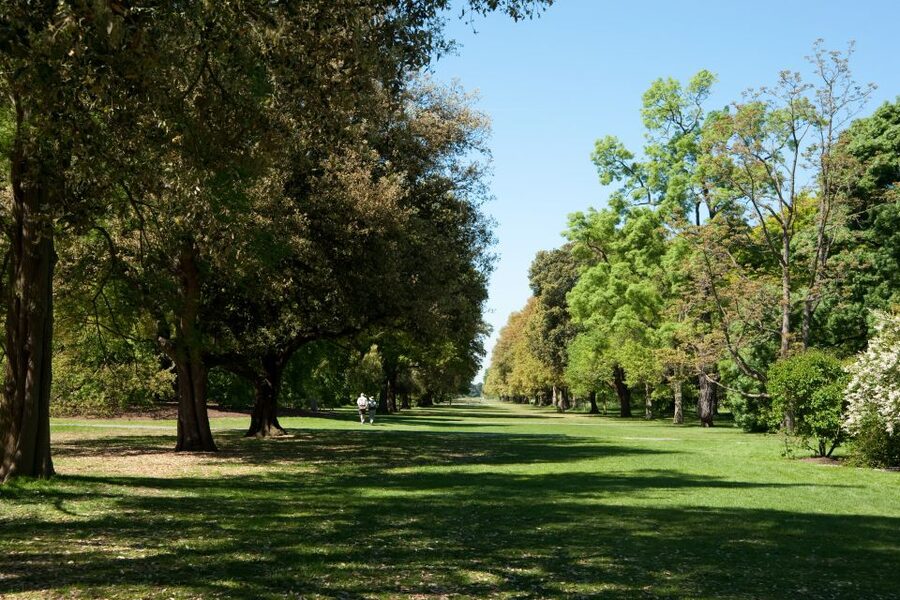
After palace rooms, you will likely want something visually different. The Waterlily House is built for that moment, with giant lily pads in the water.
This is one of those stops where you slow down without forcing it. The setting is quiet compared with busy street sights in London, and it gives your feet a short break while your eyes take in plants you basically never see elsewhere in the city.
Palm House rainforest, the temperature shift you can feel

Then comes the Palm House, Kew’s exotic rainforest experience. Even if you do not consider yourself a greenhouse person, this is the kind of stop that resets your expectations.
You step from London air into a warm, plant dense world under glass. That contrast is a big part of why Kew feels like more than just “a garden.” If you time it right, the Palm House can become your favorite section even if you came for the treetop views.
Princess of Wales Conservatory, 10 climate zones
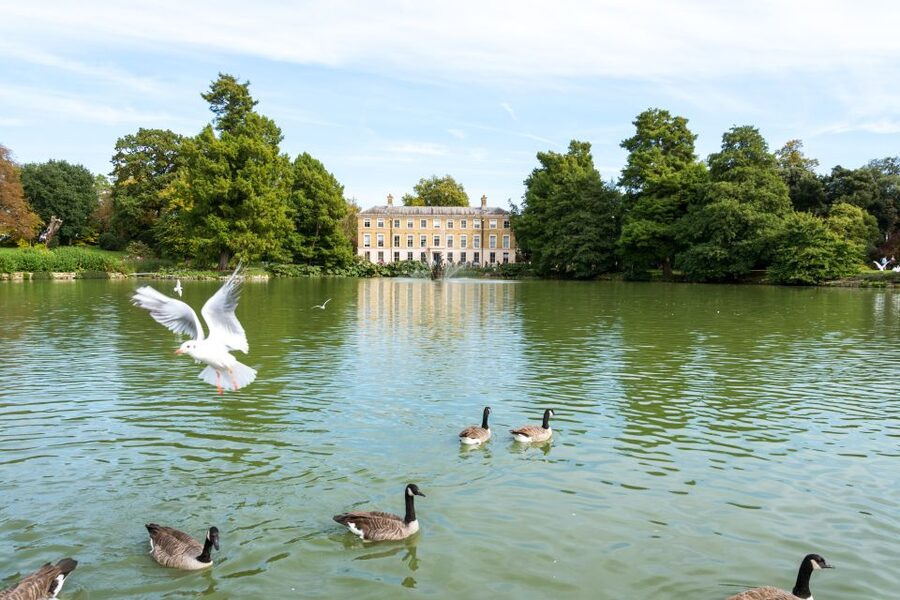
Next, look for the Princess of Wales Conservatory and its set of plant habitats. You are walking through 10 climate zones, which is how Kew makes the collection feel connected instead of random.
This is not only about variety. It is about seeing how plants survive in different conditions, from wetter zones to drier ones. If you like learning through visuals and labels, this area rewards you.
Because it is inside, it is also a smart choice if the weather turns. One rainy visit in the past still felt worthwhile because the big glasshouse highlights kept working even when outdoor paths were less enjoyable.
The Hive, a beehive that talks back with light and sound

The Hive is one of the most memorable installations at Kew. It mimics the visual and sound effects of an actual beehive, so it feels like you are not only looking at bees, you are experiencing the idea of the colony.
This structure is 17 meters tall and built from 170,000 aluminum parts with 1,000 LED lights. Those numbers are impressive, but the best part is the message. You learn about the extraordinary life of bees and why pollinators matter for the health of the planet.
If you travel with kids, this is usually the stop they remember later. If you travel solo, it is a great break from wandering and label reading because it is interactive.
Treetop Walkway, 18 meters up and worth the effort
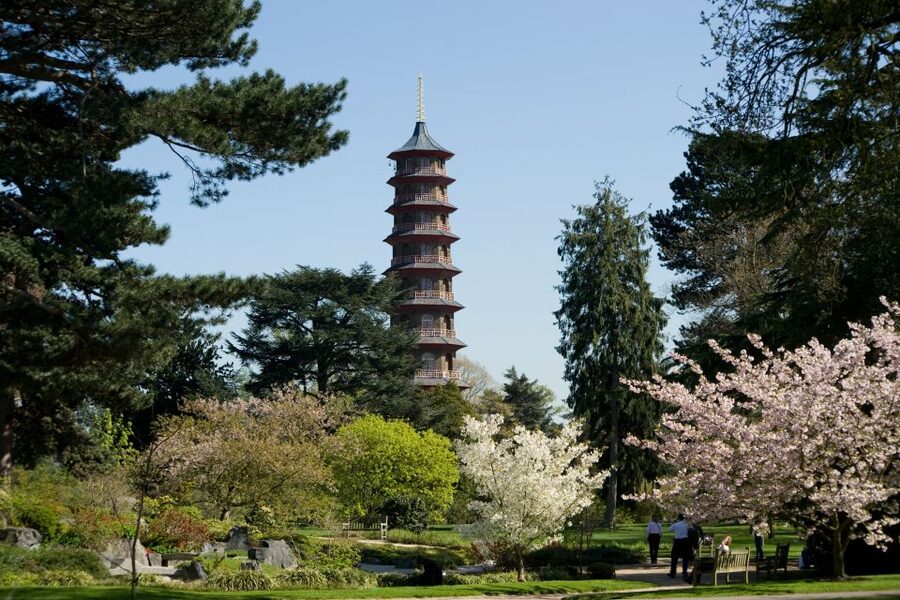
Kew’s treetop walkway puts you about 18 meters above ground level. That height changes everything. You get views through the canopy, and your photos start looking less like typical “gardens at ground level.”
Build in time for this part. One practical note from real visits: some access routes can be challenging for visitors with more limited mobility, and the treetop walkway can be where that feels most noticeable. The site overall is wheelchair accessible, but if walking is hard for you, consider going early in the day when the flow is easier.
Even on a crowded day, the walkway gives a sense of space because you are elevated and seeing layers of trees. It also helps you understand how Kew is laid out, which can make the rest of the gardens feel more coherent.
Arboretum and the 14,000 tree collection
The Arboretum is where you go if you like the slow pleasure of trees. Kew lists a collection of over 14,000 trees, which turns your visit into more than a photo stop.
At Kew, the Arboretum is also a nice contrast to the indoor attractions. It is outdoors, it is expansive, and it encourages walking at a relaxed pace. If you get tired of “one more greenhouse,” the Arboretum gives you a calmer, more breathing space kind of experience.
If you like structure, the Arboretum also benefits from having a map and seasonal highlight guide. Without those, it is easy to wander for hours and still feel like you missed things.
Art galleries and sculptures, a different side of Kew
Kew Gardens includes 3 art galleries, plus outdoor sculpture and exhibitions. This is not just a botanical day.
If you like modern art, look out for works by Marc Quinn, and keep an eye on rotating exhibitions like Queer, which has been shown at Kew and connects art themes to plant related ideas. The point is simple: Kew uses art to make you notice the plant world in a different way.
Even if you are not an art person, the sculptures help break up long stretches of walking, and they make the gardens feel like a living cultural space, not a museum with grass.
Food and drinks, how to avoid the overpriced surprise
There are cafes and restaurants at Kew Gardens, and you can find hot meals plus classic afternoon teas. The catch is that in park dining, prices often climb.
On warm days, a lot of people also realize they want more shade and more breaks than they expected. One common complaint from real visits is that food and drink inside can feel overpriced, so plan to budget for meals if you eat on site.
A practical workaround is to eat light during your visit and use the rest of your day in nearby areas with more choices. Also, if you need gluten-free options, plan ahead. One past visit found no gluten-free food available on site, and that is the kind of detail that can make or break a day.
Comfortable pacing, especially on hot London days
Kew can be overwhelming if you arrive mid day on a very warm afternoon. Shade is not evenly spread everywhere, and when temperatures spike, it can turn a pleasant wander into a slog.
My advice is to treat it like a full day hike with breaks. Start strong in the morning, then slow down during the hottest hours. Use the glasshouses as your cool down breaks, and let the outdoor sections be your morning or late afternoon reward.
Also, Kew is big enough that you should assume you will not see everything. If you want a truly relaxed experience, give yourself more than 4 hours, and aim for a full day. Some visitors found even 6 hours can fall short.
Staff, volunteers, and the calm organization
One of the consistent positives is how helpful the people on site are. Volunteers and staff tend to make the place easier to enjoy, especially when you ask for help with routing, entrances, or finding a specific highlight.
That matters because Kew is so spread out. When you can get quick direction without hassle, the whole day feels smoother.
Is this good value, and who it fits best
This Kew Gardens admission ticket is best for people who like hands on nature, not just quick sightseeing. If you enjoy gardens, architecture, and glasshouse plants, you will feel like you got your money’s worth fast.
It also fits families. The Hive is a major hit, and Kew is set up for a full day rather than a short attraction sprint. If you want a quieter day getaway from central London, Kew delivers that too.
If you are the type who hates walking, this might feel like too much. Kew is expansive. Even with maps and routes, you will be on your feet for hours.
Should you book this Kew Gardens admission ticket?
Yes, I think you should book it if you want a full day that combines famous highlights with lots of room to wander. For the price, you are getting Kew Palace, major glasshouses like the Palm House, the treetop walkway at 18 meters, The Hive, and the Arboretum’s huge tree collection.
Skip it only if you know you cannot handle long walking days. In that case, you might prefer a shorter set of attractions instead of committing to Kew’s full scale.
If you do book, go in the morning, make your treetop and Hive plans early, then let the rest of the gardens unfold at your pace. That approach keeps the day fun instead of frantic.
FAQ
Is this Kew Gardens ticket valid for one day?
Yes. The ticket is valid for 1 day entry, and you should check availability to see starting times.
Where is the closest entrance to Kew Gardens station?
Arrive at any entrance to Kew Gardens. The closest entrance to Kew Gardens station (Underground and Overground) is Victoria Gate on Kew Road.
How long does it take to get from central London to Kew Gardens?
Kew Gardens is about 30 minutes from central London by Underground and Overground trains.
What does the admission ticket include?
Your admission includes entry to Kew Gardens and access to the gardens and key highlights such as Kew Palace, art galleries, and the treetop walkway, plus a map and a seasonal highlights guide. Free walking tours are also included (at least twice daily, subject to availability).
Are free walking tours part of the ticket?
Yes. Free walking tours take place at least twice daily, subject to availability.
Are pets allowed, and is the park wheelchair accessible?
Pets are not allowed (assistance dogs are allowed). Kew Gardens is fully wheelchair accessible, and there is an elevator that gives access to the upper floors of Kew Palace.
Royal Palaces, Greenwich & Kew, compared.
 ★ 4.5London: Westminster to Greenwich River Thames CruiseFrom $2222,836 reviews
 ★ 4.5Westminster to Greenwich Sightseeing Thames Cruise in LondonFrom $222,969 reviews
 ★ 4.5Royal Observatory Greenwich & Prime Meridian Entrance TicketFrom $321,095 reviews
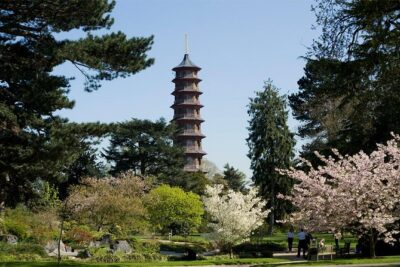 ★ 4.0Kew Gardens Entrance TicketFrom $301,055 reviews
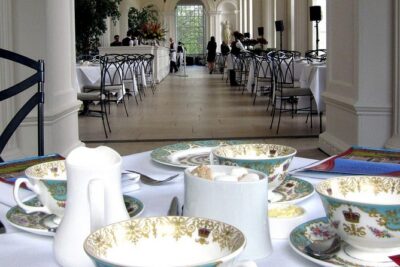 ★ 4.5The Kensington Palace Gardens Royal High TeaFrom $158934 reviews
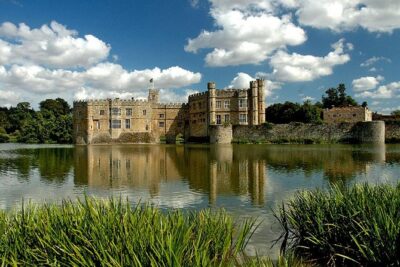 ★ 4.5Leeds Castle, Canterbury, Dover & Greenwich Boat rideFrom $147604 reviews
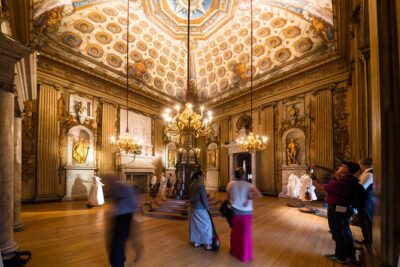 ★ 3.5Kensington Palace Entrance TicketFrom $28557 reviews
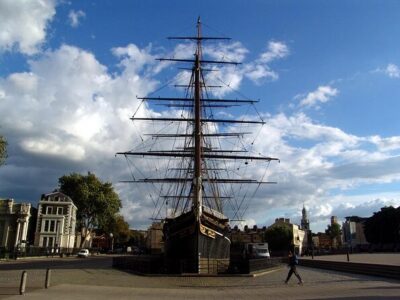 ★ 4.5‘Cutty Sark’ Entrance TicketFrom $32373 reviews
Also filed under