
REVIEW · CHURCHILL WAR ROOMS & WARTIME LONDON
London: London in WW2 and Churchill War Rooms Entrance
Big Ben is silent here. This WWII walk turns Westminster into a lived-in wartime map, then drops you into Churchill’s underground command center.
I love two things most: the small group size (15 or fewer) that makes it easier to ask questions as you move, and the way the guide connects famous buildings, like Westminster Abbey and 10 Downing Street, to the war-time reality of sirens, raids, and decisions made under pressure. One watch-out is that the War Rooms portion is mainly self-guided by audio, so if you want nonstop live commentary underground, you may feel the pace shift.
In This Review
- Key takeaways
- Westminster in WW2: from statue meeting point to wartime mindset
- The Westminster walking tour: Houses of Parliament to Westminster Abbey, with WWII meaning attached
- Downing Street and Whitehall: seeing power, secrecy, and urgency in the same street
- Ministry of War and the Cenotaph: how the tour balances big names and real pressures
- Descending into Churchill’s War Rooms: what the underground audio experience is really like
- Group size, pacing, and accessibility reality check
- Guides make or break it, and the named guides here sound like the point
- Price and value for a WWII Westminster plus War Rooms package
- What to bring, where you might feel the stairs, and day-of tips
- Should you book this Westminster in WW2 and Churchill War Rooms tour?
- FAQ
- How long is the London in WW2 and Churchill War Rooms tour?
- Where do I meet the guide?
- What is included in the price?
- Are food and drinks included?
- Is the tour in English?
- Do I need to pass through security?
- Does it run in bad weather?
- Is the tour suitable for wheelchair users or mobility impairments?
- What items are not allowed?
Key takeaways
- Small groups of 15 or fewer keep the walking part lively and question-friendly
- A WWII Westminster route past Houses of Parliament, Westminster Abbey, the Cenotaph, Ministry of War, 10 Downing Street, and Whitehall
- Churchill War Rooms entry included, with an audio guide inside
- Guides are often singled out by name for storytelling, humor, and keeping attention (including Babs, Nathan, Richard, and Jeremy)
- Rain or shine, with security screening required and a walking pace built for comfort and clarity
More of wartime London, above ground and below
- Westminster 3 Hour Walking Tour and Visit of Churchill War Rooms
★ 5.0 · 967 reviews - WW2 London Walking Tour & Churchill War Rooms Entrance Ticket
★ 4.5 · 933 reviews - London in WW2 Walking Tour with Churchill War Rooms Visit
★ 5.0 · 721 reviews
Westminster in WW2: from statue meeting point to wartime mindset
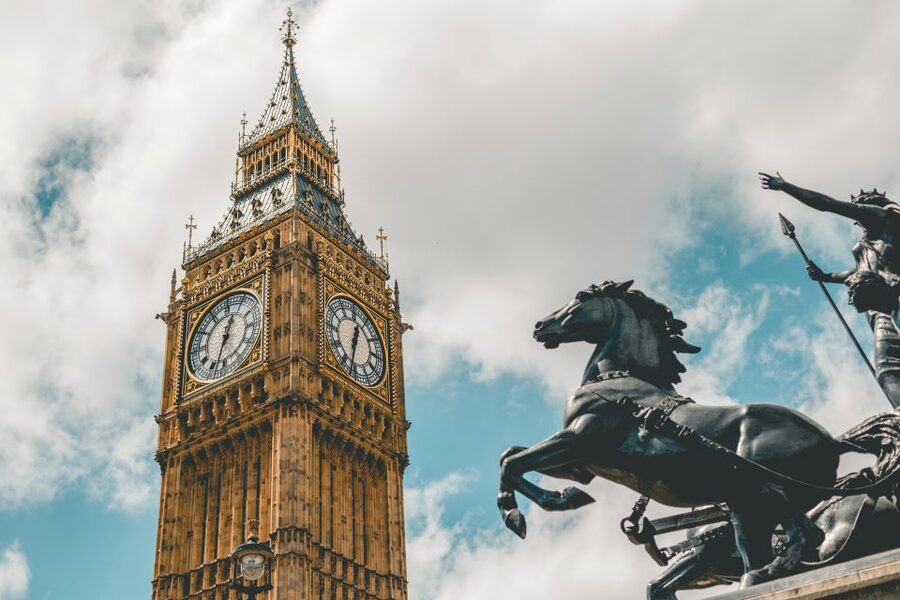
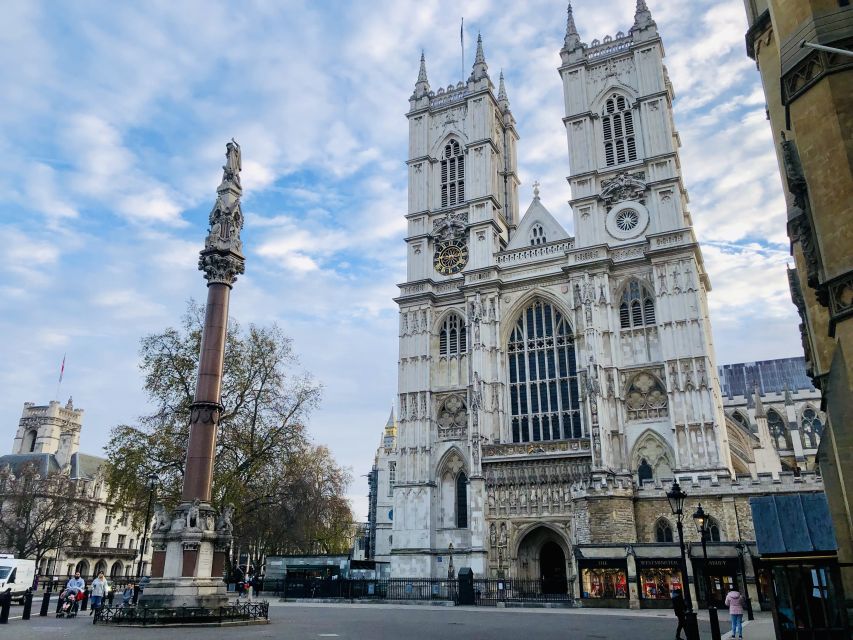
This is one of those London tours that doesn’t just point at landmarks. It gives you a reason to look at them differently. You start by meeting your guide by the Boadicea and Her Daughters Statue outside Westminster Station (Exit 2). From there, you’re walking, but you’re also switching mental gears.
The route is set up for a smooth, story-led flow through central Westminster. The best part is that you don’t need to be a die-hard WW2 fan to get something from it. Even if Churchill isn’t your usual reading list, you’ll understand why these places mattered, what people feared at night, and why Britain’s political heart was so tightly linked to its survival.
Also, the tone matters. This isn’t a museum lecture on a bench. It’s more like a guided walk where your guide sets the scene, then uses the monuments as prompts for the human scale of the war. You’ll hear about air raids and the routines that shaped daily life, including the blunt reality of rationing and restrictions. It gives the city a pulse, even though you’re standing in one of Europe’s busiest historic districts today.
The Westminster walking tour: Houses of Parliament to Westminster Abbey, with WWII meaning attached
The walking segment is where the tour earns its keep. You’re moving through a cluster of world-famous sites, but you’re not treating them like postcards. Your guide frames what you see as wartime infrastructure and wartime symbolism.
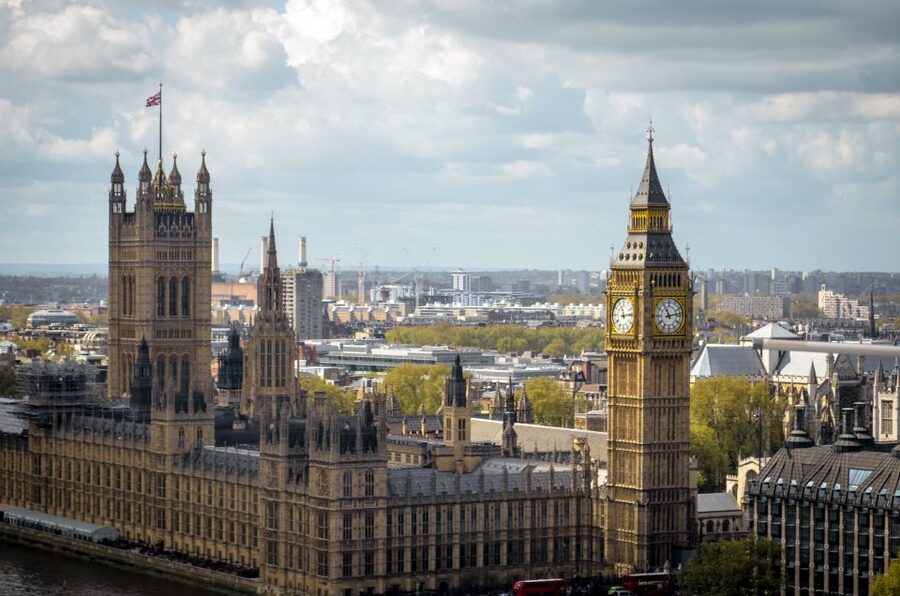
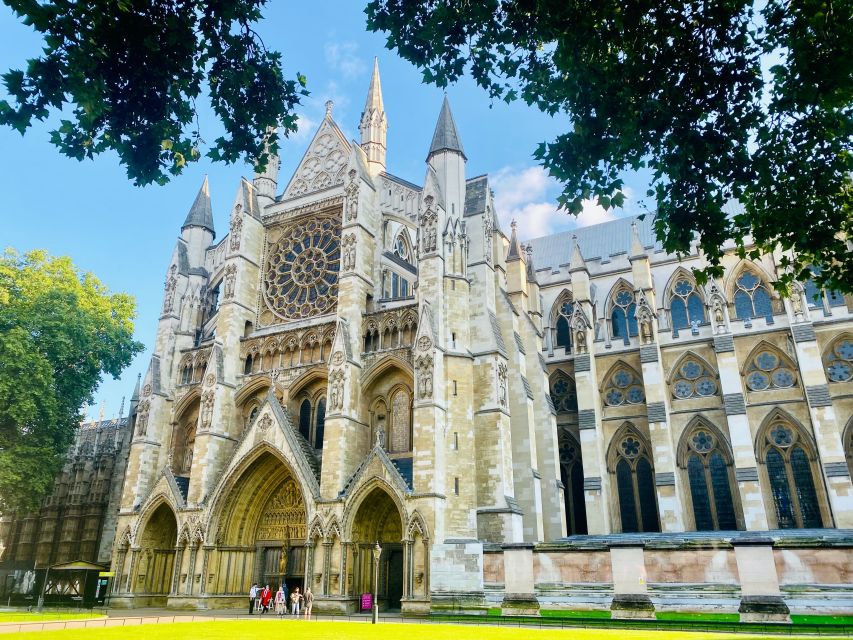
You’ll pass and learn about the Houses of Parliament, which in WWII weren’t just scenic architecture. This was government in motion, with leaders making calls that could not wait. Then you’ll work your way toward Westminster Abbey, a place that might seem purely ceremonial in peacetime. In wartime, it becomes part of a larger story about national identity, memory, and how Britain held on to continuity when everything else felt fragile.
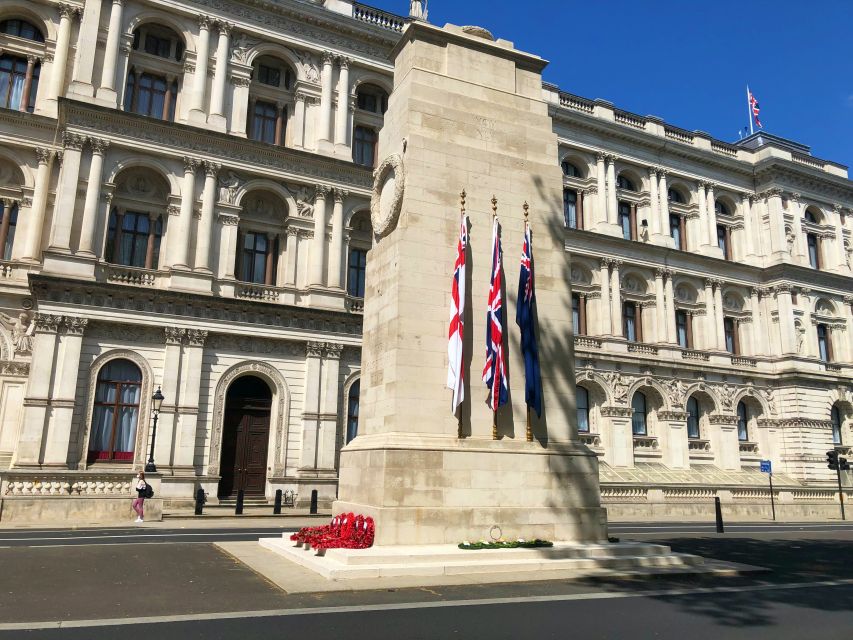
The Cenotaph is another stop that changes how you view the area. It’s easy to treat memorials as background. Here, it’s used to connect the war’s human cost to the public face of London. That connection matters, because the War Rooms tour that comes next is heavy. Your walking context helps you handle it without feeling lost.
Practical note: this is a walking experience, so bring comfortable shoes. You’ll also want water and an umbrella since it runs rain or shine.
Downing Street and Whitehall: seeing power, secrecy, and urgency in the same street
One of my favorite parts of this tour is the way the guide uses the streetscape to explain power and urgency. You’re not only seeing famous doors and façades. You’re being taught how those spaces fit into a wartime decision cycle.
You’ll go by 10 Downing Street, then continue through Whitehall. In a few blocks, you can feel the contrast between what the public could see and what needed to stay hidden. The guide helps you connect why leadership had to plan under threat, and why communication, organization, and contingency planning mattered when raids could happen without warning.
The tour also includes stops that give you the military-government layer behind the scenes, like the Ministry of War area. Even if you don’t know the exact building’s WWII function before you arrive, you’ll leave with a clearer mental map of how London worked as a command-and-coordination hub. This is the kind of context that makes later sightseeing click. After the walk, the War Rooms feel less random and more like the logical next chapter.
And yes, it’s also entertaining. The reviews you provided repeatedly highlight guides with a strong sense of humor and storytelling, including names like Nathan, Babs, Richard, Jeremy, and Paul. That matters, because WWII can get heavy fast. A good guide keeps it human without turning it into comedy.





Ministry of War and the Cenotaph: how the tour balances big names and real pressures
WWII history often gets taught as dates and battles. This experience does something different for your sanity. It anchors the big names to everyday pressure.
The guide uses the route to show how government, military planning, and public morale were tied together. That’s not just an intellectual point. It affects how you experience the city. When you look at official buildings and then look at memorials nearby, you start seeing a theme: Britain had to keep functioning while absorbing losses, and it did so with a mix of resolve, secrecy, and constant adaptation.
The Cenotaph is a great example of that balance. It’s a solemn landmark, but your guide brings it into the story of sacrifice and national grief. That sets a respectful tone for what comes next underground.
The other thing I like is that the walking portion doesn’t try to race. The experience is designed as a 3-hour small-group tour, with time to hear the story without feeling like you’re sprinting between stops.
Descending into Churchill’s War Rooms: what the underground audio experience is really like
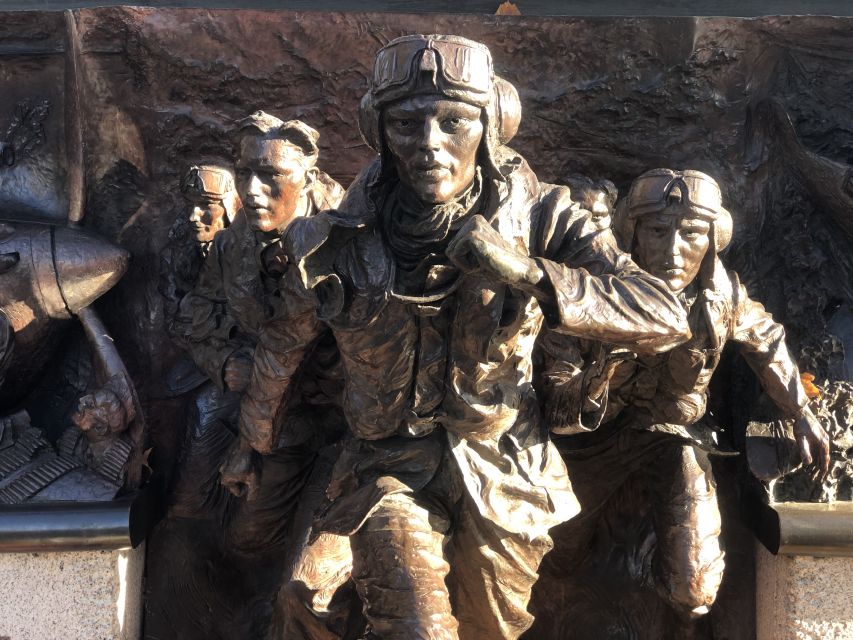
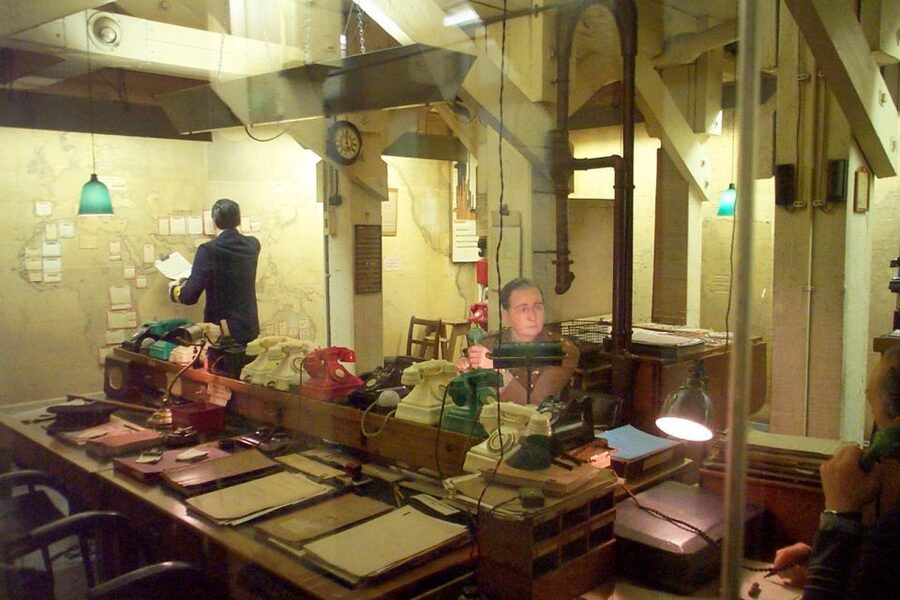
After the walk, you head into Churchill’s War Rooms. This is the “wow” moment for most people. Not because it’s glossy, but because it feels intensely practical. You’re going from bright daylight Westminster streets to strategic command spaces that were built to operate during crisis.
Important practical detail: you must pass through security before you enter the War Rooms. Also, your group will descend into the War Rooms at your own pace after the walking portion. That means you’re not only following your guide indoors. You’re using the provided audio guide to move through exhibits and displays.
What’s included: an audio guide in the War Rooms. Reviews in your info also confirm that the museum portion can get crowded, which can make it trickier to get your eyes on certain exhibits for as long as you might want. If you’re the type who likes to linger, keep your expectations flexible. Audio helps, but crowding can still limit breathing room.
The tone underground can also be different. Some people love the self-guided style because it lets you focus. Others, especially those who want live commentary the whole time, may wish the guide kept talking longer. Either way, you’ll come out with a strong sense of the sheer workload behind leadership decisions.
A good tip: give the audio time to do its job. In a space like this, you’ll often miss context if you’re only looking at rooms and not listening for the why behind them.
Group size, pacing, and accessibility reality check
This is a small group tour, with 15 people or fewer. That size is part of why it works. You’re not lost in a huge mass. It’s easier to ask about a monument you just passed, and your guide can pace explanations to what you’re seeing.
The pace is still a pace. This is not a sit-down experience. You’re walking Westminster, then entering an attraction with stairs and security screening. The tour is also listed as not suitable for mobility impairments and wheelchair users. It also says baby strollers are not allowed, and you can’t bring luggage or large bags.
So I’d frame it like this: if you can comfortably walk around central London for a few hours and handle stairs, you’ll get a lot out of it. If you need accessibility accommodations, you should look for a different format that fits your needs better.
Also, your meeting point includes a note about getting to street level via stairs from Westminster Station Exit 2. Plan for that in your day.
Guides make or break it, and the named guides here sound like the point
This tour is strongly guide-driven. The reviews you shared are heavy with praise for individuals, especially for storytelling clarity and humor. Names that show up again and again include Nathan, Babs, Richard, Jeremy, and Paul.
What stands out isn’t just that they know facts. It’s that they know how to keep people engaged while treating the subject with respect. Several review notes emphasize a strong sense of narrative, plus an ability to connect personal stories of Churchill and others to the physical spaces you’re walking through.
You’ll also notice people saying the guides made the time feel fast. That’s a good sign for a WWII tour, because if the pacing is dull, it’s easy to check out. Here, the guides seem to hit humor at the right moments, and seriousness at the right moments.
If you’re choosing between tours, this is one reason to book with a guide-led format rather than a pure self-guided Westminster route. You get the meaning in motion.
Price and value for a WWII Westminster plus War Rooms package
At $96 per person for a 3-hour experience, you’re paying for two things: a guided walking storyline and included access to Churchill’s War Rooms.
War Rooms entry is often the pricey part of Churchill-themed days. This tour bundles that with a guided Westminster route that covers a lot of ground in terms of context, not just distance. In other words, you’re paying to avoid doing the research yourself line by line.
Is it the cheapest way to see Westminster sights? No. But it’s a smart trade if your goal is to understand what you’re looking at, rather than collecting facts you won’t remember later. The included audio inside the War Rooms adds structure, especially since you’re going at your own pace underground.
For value, also note the small group limit. You’re not getting the cheapest option on a big bus. You’re getting a format that aims to keep the experience conversational and manageable.
What to bring, where you might feel the stairs, and day-of tips
Keep it simple and practical. Bring:
- Comfortable shoes
- Umbrella (it runs rain or shine)
- Water
- Comfortable clothes
Don’t bring:
- Baby strollers
- Luggage or large bags
Day-of tip: arrive a few minutes early so you can find the guide easily. The meeting is outside Westminster Station at Exit 2, near the Boadicea and Her Daughters Statue, and your guide will have an Urban Saunters orange tour sign. That detail saves time when the streets are busy.
Also, think about the War Rooms crowd factor. If you like to study exhibits closely, plan to keep moving with the audio rather than stopping for long stretches every time you want a perfect photo.
Finally, treat the experience as two parts: a guided walk that builds context, then an audio-led interior that lets you process it at your own pace. That mindset makes it smoother.
Should you book this Westminster in WW2 and Churchill War Rooms tour?
If you want to see Westminster and understand why it mattered during WWII, book it. The combination of a structured WWII walking storyline and included War Rooms access is a strong value play, especially for first-time visitors who want context without building a custom itinerary.
It’s also a good pick if you like history told as story, not just lecture. The guide quality here is clearly a key part of the experience, with many people praising guides like Nathan and Babs for humor, clarity, and keeping attention.
Skip it if you have mobility limitations that make stairs and a walking tour difficult. Also, if you strongly prefer a fully guided museum visit with nonstop live commentary, you should know the War Rooms part is mostly handled by audio at your own pace, which may feel less guided than you want.
FAQ
How long is the London in WW2 and Churchill War Rooms tour?
The tour lasts 3 hours.
Where do I meet the guide?
Meet at the Boadicea and Her Daughters Statue outside Westminster Station, Exit 2, and look for an Urban Saunters orange tour sign.
What is included in the price?
You get a guided walking tour of Westminster with an English-speaking expert guide, small group size (15 or fewer), entrance to Churchill’s War Rooms, and an audio guide in the War Rooms.
Are food and drinks included?
No. Food and drinks are not included.
Is the tour in English?
Yes. The live guide is English, and the audio guide is also provided.
Do I need to pass through security?
Yes. All visitors must pass through security.
Does it run in bad weather?
Yes. The tour happens rain or shine.
Is the tour suitable for wheelchair users or mobility impairments?
No. It is listed as not suitable for people with mobility impairments and wheelchair users.
What items are not allowed?
Baby strollers and luggage or large bags are not allowed.
Wartime London, Further Reading
- Westminster 3 Hour Walking Tour and Visit of Churchill War Rooms★ 5.0 · 967 reviews
- WW2 London Walking Tour & Churchill War Rooms Entrance Ticket★ 4.5 · 933 reviews
- London: Westminster WW2 Tour & Churchill’s War Rooms Ticket★ 4.5 · 925 reviews
- London in WW2 Walking Tour with Churchill War Rooms Visit★ 5.0 · 721 reviews
Fresh off the London review pile


Churchill War Rooms & Wartime London, compared.
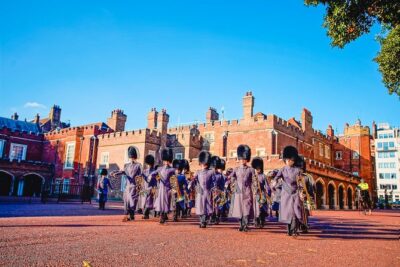 ★ 5.0Westminster 3 Hour Walking Tour and Visit of Churchill War RoomsFrom $135967 reviews
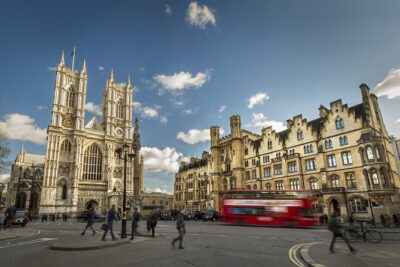 ★ 4.5WW2 London Walking Tour & Churchill War Rooms Entrance TicketFrom $60933 reviews
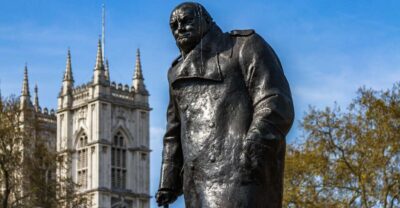 ★ 4.5London: Westminster WW2 Tour & Churchill’s War Rooms TicketFrom $59925 reviews
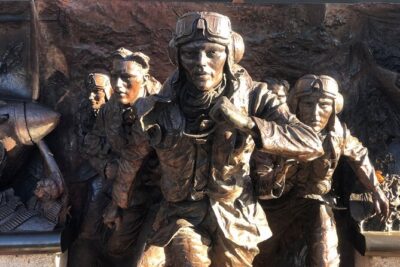 ★ 5.0London in WW2 Walking Tour with Churchill War Rooms VisitFrom $104721 reviews
 ★ 5.0Western Approaches Self Guided TourFrom $24505 reviews
 ★ 4.7London: Westminster Tour and Churchill War Rooms VisitFrom $101371 reviews
 ★ 4.5Churchill War Rooms “Behind The Glass” and Private Car TourFrom $1,410322 reviews
 ★ 4.6London: Churchill War Rooms Ticket & Political London AudioFrom $62224 reviews
Also filed under