
REVIEW · CHURCHILL WAR ROOMS & WARTIME LONDON
Western Approaches Self Guided Tour
A secret bunker in central Liverpool is a great way to spend time. Western Approaches HQ lets you explore the Battle of the Atlantic operations, mapped rooms, and wartime equipment self-guided, at street level with a real descent underground into a preserved WW2 headquarters space.
Two things I like right away: the included museum entry means you can focus on the experience instead of hunting for extras, and the Map Room area is staged to feel like the day the doors closed, 15 August 1945. One thing to consider, though, is that if you expect lots of audio-visual wizardry, some parts are more static and text-heavy than you might hope.
In This Review
- Key Highlights You Should Plan Around
- Western Approaches HQ: The Bunker Setting That Changes the Whole Mood
- Getting There and Finding the Entrance Without Stress
- Your Self-Guided Flow: What to Expect From Start to Finish
- Stop 1: Western Approaches HQ and the Battle of the Atlantic Experience
- The Hidden Rooms and Wartime Intelligence Tools
- The Map Room: The Nerve Centre You Should Not Rush
- Hands-On Wartime Details: Typewriters, Teleprinters, and Uniforms
- The Film, Games, and Wartime-Price Drinks at the End
- Price and Value: $24.26 That Can Stretch Past One Visit
- Who This Is Best For, and Who Might Want a Different Museum
- Practical Tips to Make Your Visit Smoother
- Should You Book Western Approaches Self-Guided?
- FAQ
- What is included with the Western Approaches Self Guided Tour ticket?
- How long should I plan to spend inside?
- Where is the museum located in Liverpool?
- What are the opening hours?
- Is the experience available in English?
- Do I need a printed ticket?
- Do I get free return admission?
- Is the bunker difficult to access because of stairs?
- Are service animals allowed?
- What is the cancellation policy?
Key Highlights You Should Plan Around
- Street-level entry then a staircase down into the bunker, so wear shoes you trust.
- The Map Room nerve centre with a huge tabletop map concept that shows how convoy tracking worked.
- A wartime phone with a direct connection to the war cabinet in London, described as one of only two surviving phones.
- Hands-on details like desks, typewriters, teleprinter machines, and the chance to try on uniforms.
- The on-site return option, an annual pass that gives free return admission within 12 months.
- A relaxed finish area with hot drinks at war time prices, plus traditional games and a film.
Still comparing? These Liverpool tours came out well in our reviews too.
- Liverpool: Liverpool Football Club Museum and Stadium Tour
★ 4.8 · 10,764 reviews - Beatles Magical Mystery Tour
★ 5.0 · 9,266 reviews - Liverpool: “Blue Route” – City & Beatles Tour
★ 5.0 · 8,562 reviews
Western Approaches HQ: The Bunker Setting That Changes the Whole Mood
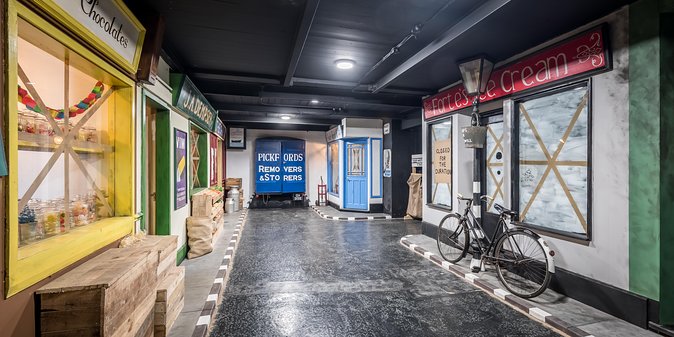
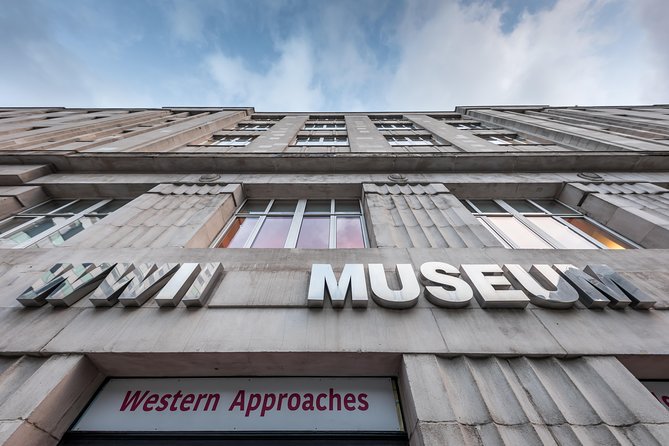
This is not a museum you pace through like a shopping mall. Western Approaches HQ is a secret WW2 bunker underneath Liverpool’s city centre, close to the Town Hall, and that alone changes how the story lands. You start above ground, buy in at street level, and then you go down into the wartime space where the layout and atmosphere do a lot of the storytelling for you.
I like that the museum leans into how operations actually worked. You see how information moved, how decisions were made, and how people on the ground tried to protect Allied shipping routes. It also helps that the experience is self-guided, so you can slow down if something catches your eye, or speed up if you just want the core rooms.
This is a strong pick if you are a history fan, especially for the Battle of the Atlantic. Liverpool played a major role in wartime intelligence and convoy support, and this museum focuses exactly on that.
Getting There and Finding the Entrance Without Stress
The entrance is at street level, right where tickets are purchased, and then you head downstairs. That setup sounds simple, but it matters: if you arrive tired, planning to navigate a set of steps is easier when you know it is coming.
I’d also plan to use your phone map app when you are nearby. One common gripe is that Liverpool’s street markings are not always clear, and the museum is described as easy to miss. Knowing that it is close to the Town Hall and about a five-minute walk from Albert Dock helps you orient quickly, so you are not guessing for long.
You can get there using public transportation, and the museum allows service animals. The overall visit requires moderate physical fitness, mainly because of the steps down into the bunker, so you will want a bit of mobility comfort.
Your Self-Guided Flow: What to Expect From Start to Finish
This experience typically runs 1 to 2 hours. That timing works well because the bunker is contained and focused, not a giant campus. You can do it in about an hour if you move briskly, or stretch it toward two hours if you stop at most displays and spend time on the hands-on items.
The visit feels set up like a path, not a free-for-all. You start with a short video that frames the Battle of the Atlantic, then you move room to room through corridors and functional spaces. Along the way you encounter wartime tools, documents, and working-room details that help you picture what people were doing day and night.
And you finish in a more relaxed area at the end of the tour. It is there for the same reason war-time break spaces existed, give your brain a rest after you soak up the tension of intelligence work.





Stop 1: Western Approaches HQ and the Battle of the Atlantic Experience
The heart of this ticket is the Western Approaches HQ Museum, described as the Battle of the Atlantic experience. The big idea is clear: this was a secret operational bunker where British forces planned and protected Allied shipping routes by watching, tracking, and interpreting enemy convoy activity.
The Hidden Rooms and Wartime Intelligence Tools
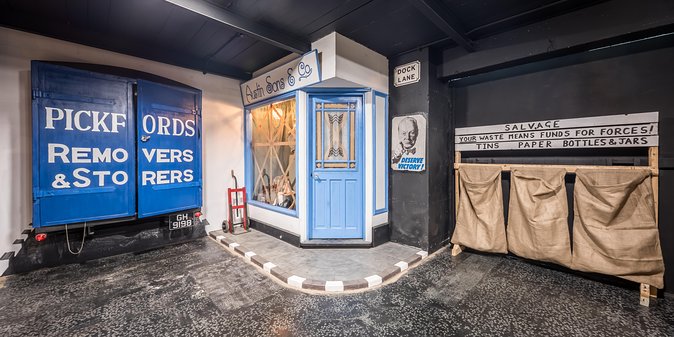
You walk through rooms that the museum presents as if they were locked up and then reopened. You are not just reading about the war; you are seeing a layout meant to reflect the way intelligence teams worked. The corridors and doorways help you understand that secrecy mattered, both for operational safety and for keeping details from the enemy.
Inside, you glimpse documents and tools used to monitor enemy convoys and inform the British government. A standout detail is the mention of one of only two surviving wartime phones with a direct connection to the war cabinet in London. That kind of artifact hits hard because it is not theoretical. It is a physical link to decision-making at the highest level.
The Map Room: The Nerve Centre You Should Not Rush
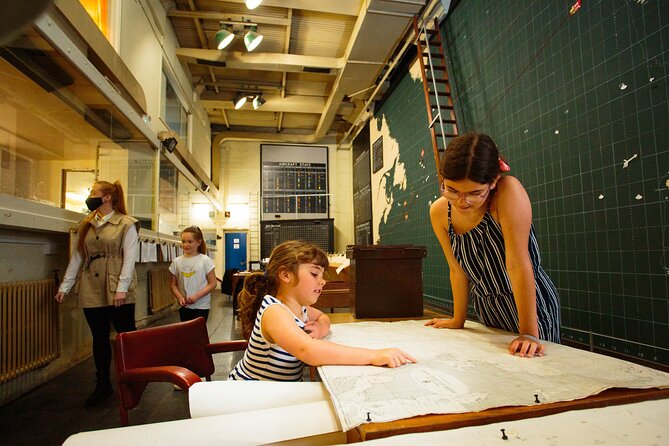
Then comes the Map Room, described as the nerve centre of the bunker. This is where commanders and personnel including WRNS and WAAF teams worked every day and night. The setup is presented around monitoring convoy routes and shipping lines, then pinpointing enemy locations on a huge map spread across a table.
The museum emphasizes accuracy. This is the practical reason: if you mark the wrong spot, you send ships and operations to the wrong place. In other words, this room shows that intelligence is not just collecting data, it is translating data into action.
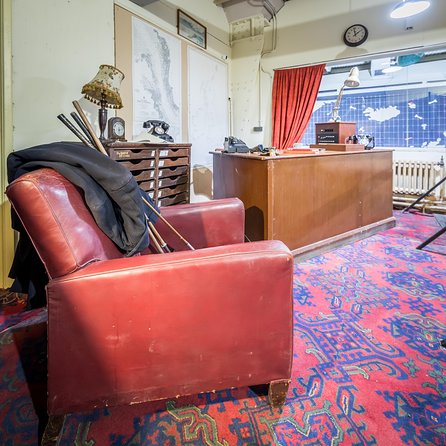
One of the most powerful details here is preservation. The Map Room is described as remaining exactly how it was left when the doors closed on 15 August 1945. For you, that means the room reads as a staged time capsule, not a recreated theme space.
Hands-On Wartime Details: Typewriters, Teleprinters, and Uniforms
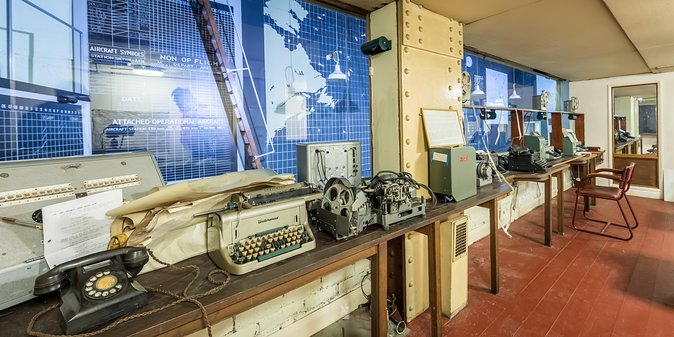
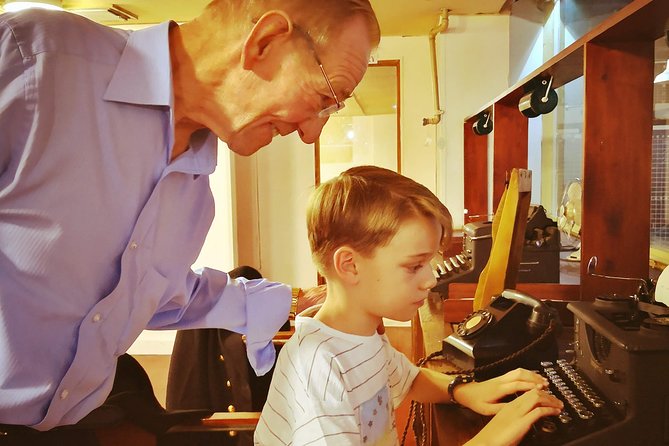
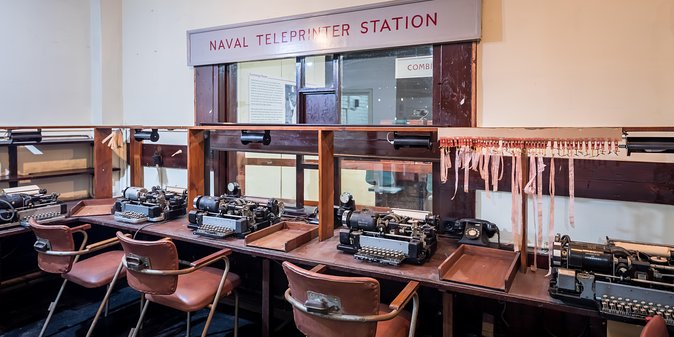
One reason people love this museum is that it does more than show glass cases. During the self-guided walk, you can sit at desks and interact with some wartime-style equipment such as typewriters and teleprinter machines. You can also look at the telephone exchange and try on uniforms.
That matters for two groups of visitors. If you are traveling with kids, the hands-on pieces give attention something to grab. If you are an adult history buff, the interaction turns the displays into practical context. You start to understand how slow and careful communication could be when the tools are tactile and physical.
I also like that the museum does not oversell these interactions as performance. It frames them as part of how work happened, which keeps the tone grounded.
The Film, Games, and Wartime-Price Drinks at the End
At the end of the route, there is a room where hot drinks are available at war time prices. You can also play traditional games and watch a film about life in Liverpool during the war.
This ending matters because the bunker story can feel intense. The warm drink and a lighter activity create a soft landing. You can also use this time to gather your thoughts and decide what stood out most, whether it was the phone detail, the Map Room accuracy theme, or the day-to-night grind of monitoring routes.
If you like to avoid crowds, this is also a natural place to pause. The tour is self-paced, so you can time your visit to finish when you feel ready.
Price and Value: $24.26 That Can Stretch Past One Visit
At $24.26 per person, this is priced as a budget-friendly museum stop, especially because admission is included and the experience is self-guided. The real value is not only the entry, it is the time you get inside.
You generally have 1 to 2 hours to explore, and that is a sweet spot for a focused history stop. If you are also visiting other Liverpool sights, this gives you a dense, meaningful block without eating an entire afternoon.
Then there is the annual pass. The museum includes an option for free return admission within 12 months. For you, that can be a big deal if you want to revisit after reading up on the Battle of the Atlantic, or if you bring a friend later and want to show them the Map Room again.
This is also a good option if you travel on your own. Self-guided means you are not waiting for a group to move at someone else’s pace.
Who This Is Best For, and Who Might Want a Different Museum
This experience is best for people who like operational history, intelligence work, and the practical machinery of war. If you enjoy the Battle of the Atlantic topic, you will feel like the museum knows exactly what it wants to explain.
It also suits families who can handle stairs. There is hands-on play with equipment and room details, and the museum includes games and a film at the end. That combination tends to work better than pure lecture-style exhibits.
If you are comparing it to London’s famous war museums, here is the balanced note: this one is more about preserved spaces and straightforward presentation than high-tech audio-visual wow. One downside to expect is a heavier reliance on static displays and written descriptions, with only a handful of videos breaking things up. So if you crave constant interaction and guided narration, you might find it a little less developed than you expected.
Practical Tips to Make Your Visit Smoother
- Wear comfortable shoes. The bunker includes steps down, so think traction and stability.
- Plan for 1 to 2 hours. Give yourself time to reach the Map Room properly, not just the first rooms.
- Use location cues. It is near the Town Hall and described as about a five-minute walk from Albert Dock, which helps when street signs are unclear.
- Slow down for accuracy themes. The Map Room is about precision, and that is easier to grasp when you take a moment there.
- Save your questions for the end. The last room with drinks, games, and film is a good spot to reset before you leave.
Should You Book Western Approaches Self-Guided?
Book this if you want a focused, high-impact history stop in Liverpool, with time to wander at your own pace inside a preserved WW2 bunker. I think it is especially worth it if the Battle of the Atlantic is your kind of subject, or if you like museums that feel like you walked into working spaces instead of just viewing recreations.
Skip or consider a different option if you mainly want guided storytelling with lots of interactive tech and audio support. This museum is strong on preserved rooms and wartime equipment details, and lighter on high-tech interpretation.
If you are on the fence, the best nudge is simple: you only need a modest amount of time, the ticket includes admission, and the annual return option means you can always come back later when you have more context.
FAQ
What is included with the Western Approaches Self Guided Tour ticket?
Your ticket includes entry to the Western Approaches Museum, so you can explore the Battle of the Atlantic experience on your own time inside the bunker HQ.
How long should I plan to spend inside?
Plan for about 1 to 2 hours for the self-guided visit.
Where is the museum located in Liverpool?
It is close to the Town Hall in Liverpool’s city centre, and it is described as about a five-minute walk from Albert Dock.
What are the opening hours?
The museum is open daily from 10:00 AM to 6:00 PM.
Is the experience available in English?
Yes. The tour is offered in English.
Do I need a printed ticket?
You get a mobile ticket, and you should receive confirmation at the time of booking.
Do I get free return admission?
Yes. There is an annual pass option that allows free return admission within 12 months.
Is the bunker difficult to access because of stairs?
There are steps down into the bunker, and the experience asks for travelers with at least moderate physical fitness.
Are service animals allowed?
Yes. Service animals are allowed.
What is the cancellation policy?
You can cancel for a full refund up to 24 hours in advance of the experience start time. Cancellation changes within 24 hours are not refundable.
Fresh off the Liverpool review pile



Churchill War Rooms & Wartime London, compared.
 ★ 5.0Westminster 3 Hour Walking Tour and Visit of Churchill War RoomsFrom $135967 reviews
 ★ 4.5WW2 London Walking Tour & Churchill War Rooms Entrance TicketFrom $60933 reviews
 ★ 4.5London: Westminster WW2 Tour & Churchill’s War Rooms TicketFrom $59925 reviews
 ★ 5.0London in WW2 Walking Tour with Churchill War Rooms VisitFrom $104721 reviews
 ★ 4.9London: London in WW2 and Churchill War Rooms EntranceFrom $96669 reviews
 ★ 4.7London: Westminster Tour and Churchill War Rooms VisitFrom $101371 reviews
 ★ 4.5Churchill War Rooms “Behind The Glass” and Private Car TourFrom $1,410322 reviews
 ★ 4.6London: Churchill War Rooms Ticket & Political London AudioFrom $62224 reviews
Also filed under