
REVIEW · LONDON MUSEUMS & GALLERIES
London: National Gallery of London Masterpieces Guided Tour
The National Gallery is a lot to face. This 2.5-hour guided masterpieces route turns the museum into a clear story. You’ll get live commentary that connects major works across centuries, not just a list of names.
I really like that the tour is built around big artistic turning points, from early 1300s works onward. I also like the mix of famous anchors, like Da Vinci and Van Gogh, plus stops that explain how styles changed over time.
One thing to consider is the setting. The Gallery can get crowded, and one guide review noted that there are no Bluetooth-style headsets, so audio can be tricky if you’re far from your guide.
In This Review
- Key things to know before you go
- A 2.5-hour Masterpieces Sprint Through Centuries
- What You Actually See: From Raphael to Seurat
- Early devotional and Renaissance clues
- Botticelli’s Venus in context
- Da Vinci before you time-skip
- A quick jump to post-impressionist style shifts
- Major later works: Velázquez and the long reach of realism
- Vermeer and the stillness of everyday drama
- Van Gogh’s Sunflowers, with the right framing
- Why Live Commentary Changes Everything (and What to Watch For)
- Guide Power: Jake, Steph, Matilda, Alex, Becky, and Kathy
- Small-Group Setup, Bag Rules, and Walking Reality
- Price and Value: What $112 Buys in London
- Who This Tour Fits Best
- Should You Book the National Gallery Masterpieces Tour?
- FAQ
- How long is the National Gallery of London Masterpieces guided tour?
- Is this tour private or a small group?
- What languages are the guided tours offered in?
- What is included in the price?
- What do I need to bring with me?
- Is luggage allowed inside the National Gallery during this tour?
- Is the tour wheelchair-friendly?
- What if there are not enough people for the small group option?
Key things to know before you go

- 2.5-hour guided sprint through National Gallery highlights, designed for momentum, not museum wandering.
- Maximum 8 people, with private or small-group options, which helps questions and pacing.
- A guided art timeline from the 1300s onward, including early devotions and later masters.
- High-impact highlights you’ll see in the mix, like Da Vinci, Van Gogh, and Seurat.
- Know the limits: large luggage isn’t allowed, and there’s a small amount of walking.
A 2.5-hour Masterpieces Sprint Through Centuries

If you’ve ever walked into a world-class museum and felt your brain freeze, this tour helps. The National Gallery holds hundreds of years of European painting, and trying to self-navigate can feel like drinking from a firehose. This experience gives you a focused path with explanations that make what you’re seeing feel connected.
The time window is also smart. At about 2.5 hours, you get a lot of visual impact without turning your day into a museum marathon. That matters in London, where your energy budget is always tight, and you still want to eat, walk, and see other neighborhoods.
You’ll move through a guided timeline that starts with older works and then advances through major style shifts. The tour also leans into famous “anchor” pieces, so you’re not left wondering if you chose the right paintings to look at.
What You Actually See: From Raphael to Seurat
This is not a random highlights reel. The tour frames the collection as a changing language of art, where techniques and subject matter evolve with time.
Here’s what you can expect to encounter during the tour route:
Early devotional and Renaissance clues
You’ll spend time with older religious painting, including early devotional works by Raphael and a look at how painters used symbols and settings to communicate faith. These early sections are a good entry point because they explain the logic behind the images, not just the fact that they’re famous.
Botticelli’s Venus in context
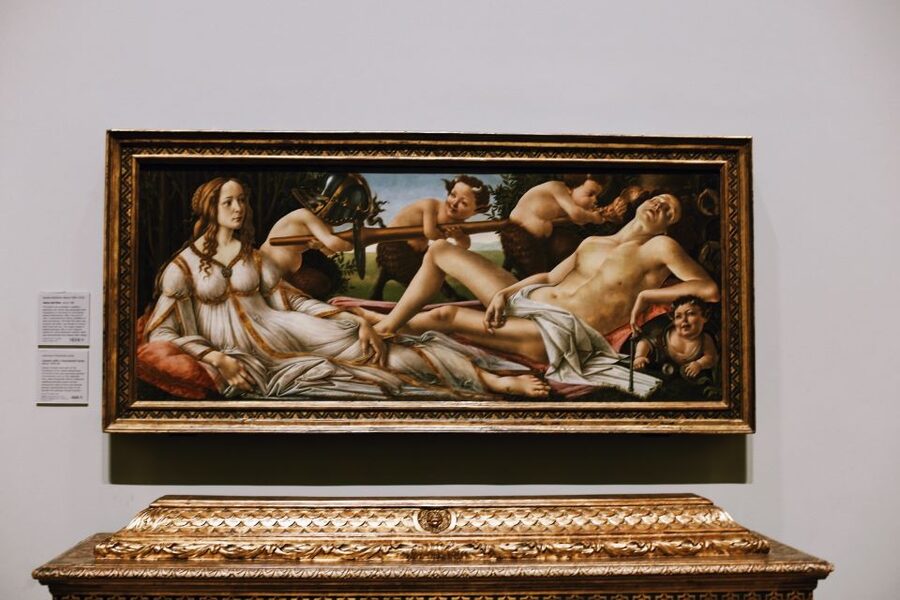
You’ll also see Botticelli’s panel painting of Venus and Mars. Botticelli is a great moment because it sits at the intersection of mythology and Renaissance taste. Your guide should help you notice why these subjects mattered to their era, and why the composition feels intentional instead of decorative.
Da Vinci before you time-skip
One of the specific sequences you can plan for is Da Vinci’s The Virgin of the Rocks, followed by a later jump in time. Da Vinci is useful here because his work tends to reward close looking. You’ll get explanations that make his approach feel less like a famous name and more like a set of choices.
A quick jump to post-impressionist style shifts
Then you fast-forward to Seurat’s Bathers at Asnières. This is where the tour’s “style change” goal becomes obvious. Seurat’s look and method are so different from earlier painting that it’s hard not to see how techniques evolve.
Major later works: Velázquez and the long reach of realism
You’ll also encounter Velázquez’s Rokeby Venus. This is one of those paintings that can be easy to miss if you’re skimming. A guide’s job is to help you read what you’re seeing, especially the tension between myth, realism, and how the image is staged.
Vermeer and the stillness of everyday drama
You can expect to see Vermeer’s Lady Standing at a Virginal. Vermeer is often praised for calm, but the important thing is why it feels calm. The tour approach should help you pick up on the quiet drama of light, pose, and detail, instead of treating it like a pretty still image.
Van Gogh’s Sunflowers, with the right framing
You’ll get to Van Gogh’s Sunflowers, which is another high-impact stop for most people. The value is not just seeing it, but understanding what made it different when it was painted, and how his style connects to the wider movement toward expressive color.
The overall effect is a paced viewing route that makes the National Gallery’s chronological sweep feel logical, not overwhelming.
Why Live Commentary Changes Everything (and What to Watch For)
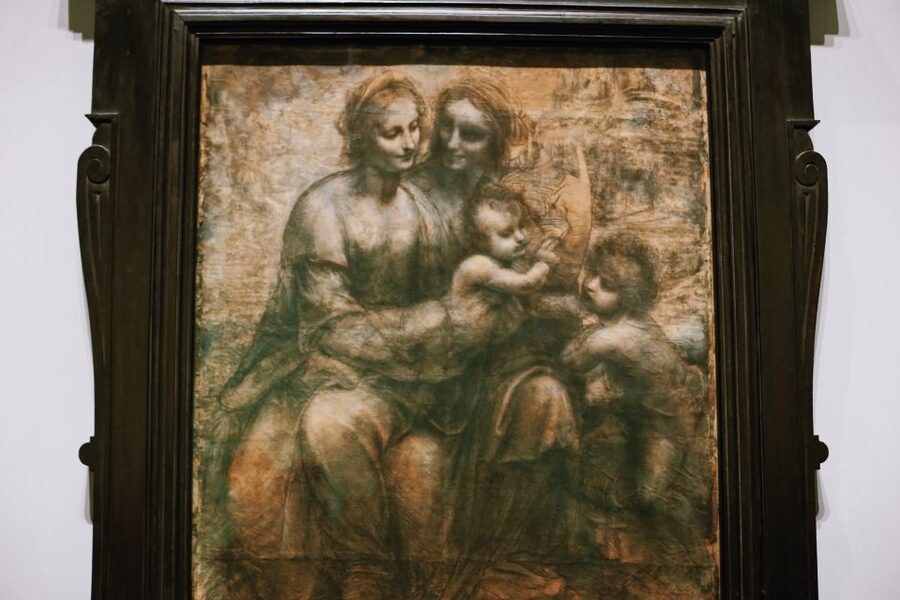
Live commentary is the whole point here. Without it, many masterpieces can feel like they’re shouting in multiple directions at once. With a guide, you learn what to notice first, what to compare, and what questions to ask as you look.
This tour is explicitly built around stories about artists such as Botticelli, Monet, Rembrandt, and Vermeer. Even when you don’t get a deep lecture on every single painter, the guide’s narration tends to create the missing bridge between works, like how people used light differently over time, or why a subject was chosen.
One practical caveat: the Gallery can be noisy. A review specifically raised that there are no Bluetooth headsets. So if you’re near the back of the group or in a crowded pocket of the room, you may need to adjust your position to catch the full commentary. It’s a small thing, but it can matter for enjoyment.
My advice: aim to stand where you can see both your guide and the painting. When you do that, you’ll naturally pick up the “why” behind the “wow.”
Guide Power: Jake, Steph, Matilda, Alex, Becky, and Kathy
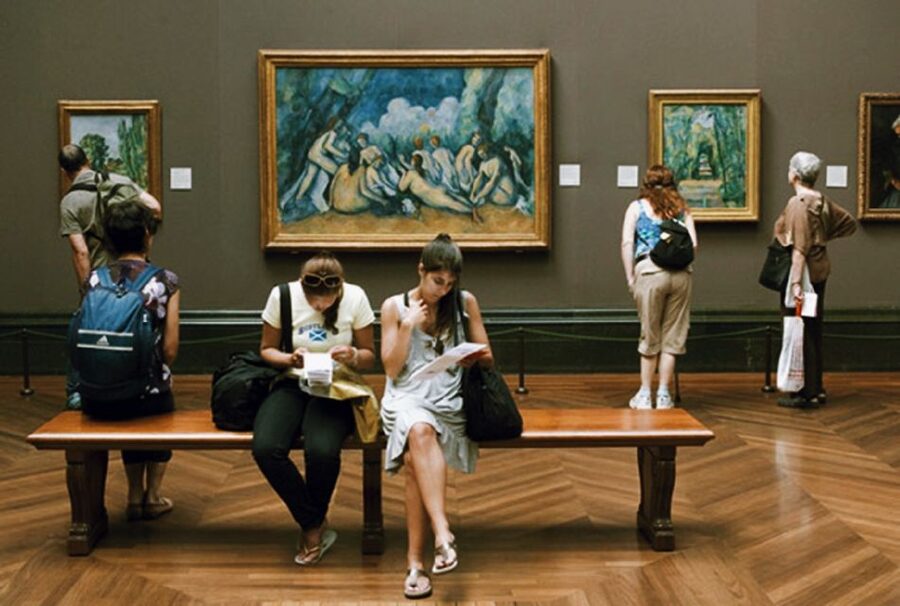
The National Gallery is famous, but the guides often make or break the experience. In the feedback you shared, the most praised trait is how guides turn artwork into something you can discuss in your own head.
You’ll see names like Jake, Stephanie (Steph), Matilda, Alex, Becky, and Kathy popping up in reviews for a reason. People repeatedly highlight that the guides were engaging, easy to follow, and good at explaining what you’re actually looking at.
A few specific strengths come through clearly:
- Clear speaking, even for non-native English speakers, which helps a lot in a museum with distractions.
- Comfort with questions, including families with teens, where the guide style can shift from lecture to conversation.
- Accessibility in practice, because one review mentioned hearing aids and still being able to understand the guide.
That’s not a small detail. A good guide doesn’t just know facts. They know how to shape attention. They also keep the pace moving so the tour stays lively instead of turning into a slow shuffle.
Small-Group Setup, Bag Rules, and Walking Reality
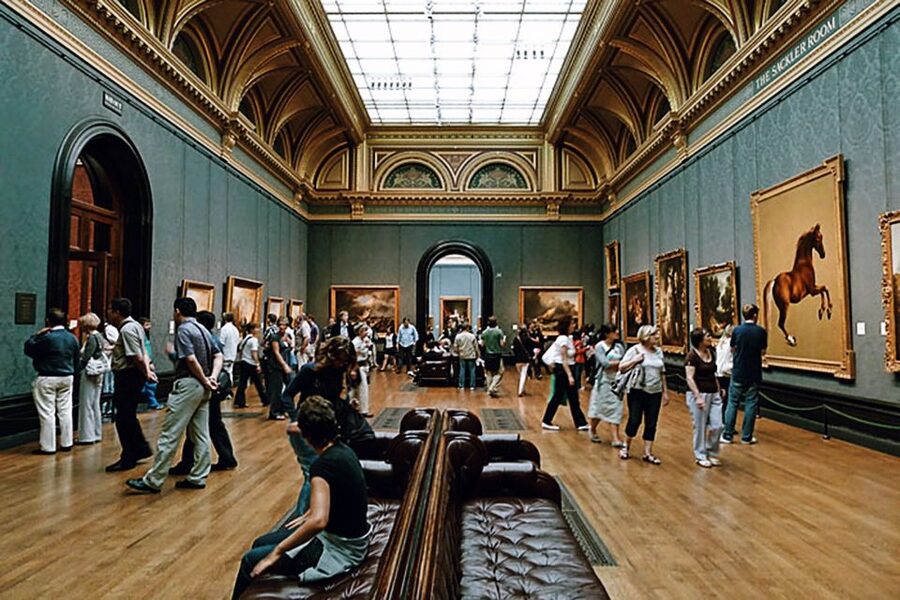
This tour works because the group size stays small. It’s offered as a private or small-group option up to 8 people, which makes it easier to hear the guide and easier to ask questions without feeling like you’re interrupting.
There’s also a minimum group size. Small group tours run with a minimum of 2 people, and if that’s not met, you’re offered an alternative date or a full refund. That’s helpful because it means you’re not stuck on a guaranteed slot that ends up being something else.
Logistics matter more than people think for museum tours. Two practical notes based on the tour info:
- You should expect a small amount of walking, so comfortable shoes are a good idea.
- Large bags or luggage aren’t allowed. Bring what you need for a day, but keep it light.
Meeting point can vary by option booked, so you’ll want to check what the provider sends you close to the start time. And if you’re traveling from abroad, bring an ID card or passport, since it’s listed as required.
Price and Value: What $112 Buys in London
$112 per person sounds specific, so it’s fair to ask what you get for it. Here’s the value equation as I see it:
- You’re paying for a professional guide who connects works and points out what you’d likely miss on your own.
- You’re paying for time efficiency. Two and a half hours is enough to leave with a strong visual memory of key works, rather than feeling like you saw the museum but not the story.
- You’re paying for a small group experience. Fewer people usually means better interaction and less chaos at each stop.
If you’re the type who likes to get oriented and then enjoy wandering on your own, this kind of tour is a smart investment. It sets your visual vocabulary fast, and then you can revisit later with better instincts.
If you already have a deep art background and you enjoy long museum sessions, you might not need guided structure. But for most people on a limited London schedule, this is a reasonable way to get high impact without turning your vacation into an art-history cram course.
Who This Tour Fits Best
This tour fits best if you:
- Want a clear timeline from early works through major later masters.
- Like famous paintings, but also want help understanding what makes them different.
- Prefer live storytelling over audio-only options.
- Are traveling with friends or family and want the group to stay small.
It’s less ideal if you want total freedom to linger. The tour is paced, which is great for most visitors, but it means you might not spend unlimited time at a single painting.
Also pay attention to the accessibility note. The info says wheelchair-friendly tours are available upon request only, but it also states it is not suitable for wheelchair users. I’d treat that as a prompt to confirm details directly with the provider before booking.
Should You Book the National Gallery Masterpieces Tour?
If you’re curious about how painting styles changed over centuries, and you want the National Gallery to make sense quickly, I’d book this. The tour’s focus on key masterpieces plus live guide narrative is exactly what turns a crowded museum into a satisfying visit.
Book it if:
- You want a guided route that keeps momentum for 2 to 2.5 hours.
- You care about hearing explanations you can actually follow in a busy room.
- You prefer a small group format, up to 8 people.
Skip or reconsider if:
- You need to spend long stretches staring at just a few works.
- Audio clarity is a must for you, because there are no Bluetooth headsets listed.
- You’re planning around bag restrictions, since large luggage isn’t allowed.
If you’re on the fence, think of it like this: you’re buying a map with a translator for the museum. In a place this big, that can be the difference between seeing art and understanding why it’s unforgettable.
FAQ
How long is the National Gallery of London Masterpieces guided tour?
The tour lasts about 2.5 hours.
Is this tour private or a small group?
It is available as either a private option or a small group option. Small groups run with a maximum of 8 people.
What languages are the guided tours offered in?
The live tour guide speaks English.
What is included in the price?
The tour includes a professional guide.
What do I need to bring with me?
You should bring your passport or an ID card.
Is luggage allowed inside the National Gallery during this tour?
No. Large bags or luggage are not allowed.
Is the tour wheelchair-friendly?
The information says wheelchair-friendly tours are available upon request only, but it also notes the tour is not suitable for wheelchair users. Check with the operator before booking.
What if there are not enough people for the small group option?
Small group tours run with a minimum of 2 people. If that minimum is not met, you’ll be offered an alternative date or a full refund.
London Museums & Galleries, compared.
 ★ 4.5Frameless – Immersive Art Experience in LondonFrom $383,660 reviews
 ★ 4.7London: Entry Ticket to Frameless Immersive Art ExperienceFrom $372,923 reviews
 ★ 4.3London: British Museum Guided TourFrom $231,182 reviews
 ★ 4.5Official tickets: Moco Modern & Contemporary Art MuseumFrom $361,157 reviews
 ★ 5.0British Museum London Guided Tour Semi-Private 8ppl MaxFrom $108984 reviews
 ★ 4.1London: Tour of the British MuseumFrom $14678 reviews
 ★ 4.5London: British Museum Audio Tour & Priority Entrance TicketFrom $9631 reviews
 ★ 5.0The British Museum London – Exclusive Guided Museum TourFrom $108555 reviews
Also filed under