
REVIEW · LONDON MUSEUMS & GALLERIES
London: Natural History Museum Guided Tour
Dinosaurs meet Darwin in 2.5 hours. This guided highlight route through the Natural History Museum makes the big place feel manageable, with a pro art historian guide who helps you see what matters, not just what’s there. You also get skip-the-line entry, so you spend more time looking at fossils and less time waiting at the doors.
I love how the tour threads together “how we know” science with real, physical objects. You’ll get front-row moments with Iguanodon teeth fossils and the Dodo skeleton, plus the kind of explanations that turn facts into a story you can remember.
One drawback to plan around: there’s a small amount of walking, and no luggage or large bags are allowed inside. If your day is packed with shopping bags or you’re traveling with big suitcases, you’ll want a light load or a storage plan.
In This Review
- Key highlights that make the tour worth it
- Natural History Museum, but with a guided plot
- The dinosaur sweep: Sophie, teeth fossils, and the big-bang of questions
- Getting close to the Dodo, and feeling the lesson behind the bones
- Archaeopteryx: the “missing link” idea, explained without the hype
- Cursed Amethyst and the Giant Sequoia slice: when museum oddities teach perception
- Pompeii casts: disaster made visible, then connected to human artifacts
- Darwin’s On the Origin of Species first edition: science as a cultural event
- The best part is the guide, and you can tell fast
- Price and value: what you’re really paying for
- Practical tips before you go (so you don’t trip over logistics)
- Who should book this tour, and who might not love it
- Should you book the London Natural History Museum guided highlight tour?
- FAQ
- How long is the London Natural History Museum guided tour?
- Is the tour available daily, and how do I find the starting times?
- What language is the live guide?
- Does the tour include skip-the-line entry?
- What do I need to bring, and can I bring a large bag?
- Is this tour wheelchair accessible?
- Can I cancel for a full refund?
Key highlights that make the tour worth it
- Iguanodon teeth fossils: a focused look at early dinosaur evidence you can actually reason through
- Pompeii casts: see the volcanic disaster stories made physical, then connect them to later museum “science and culture” displays
- Dodo skeleton: get close to a bird that vanished, with context that lands emotionally
- Rare Archaeopteryx: a rare specimen that helps explain the dinosaur-to-bird link people talk about
- Darwin’s On the Origin of Species (first edition): a museum moment that makes scientific publishing feel real
- Small-group feel (up to 8): enough time for questions without feeling lost in a crowd
Other museum and gallery tours we sat through
- Frameless – Immersive Art Experience in London
★ 4.5 · 3,660 reviews - London: Entry Ticket to Frameless Immersive Art Experience
★ 4.7 · 2,923 reviews - London: British Museum Guided Tour
★ 4.3 · 1,182 reviews
Natural History Museum, but with a guided plot
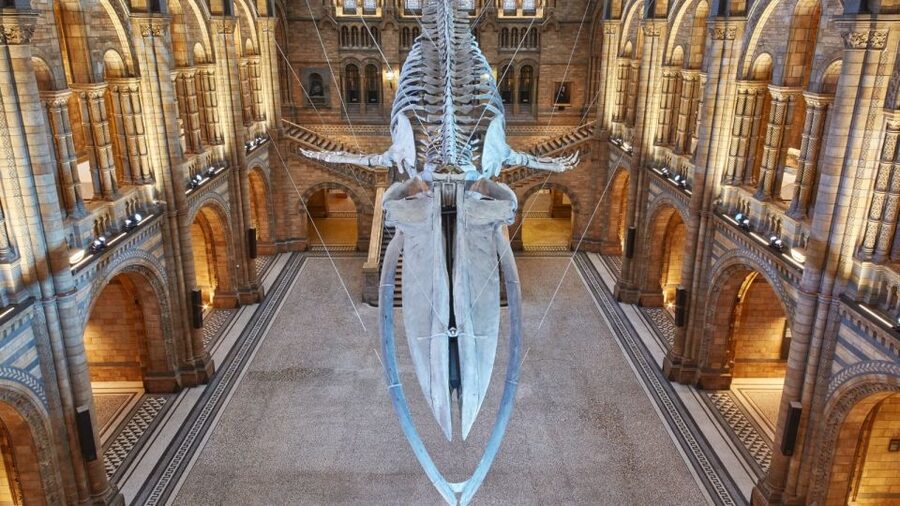
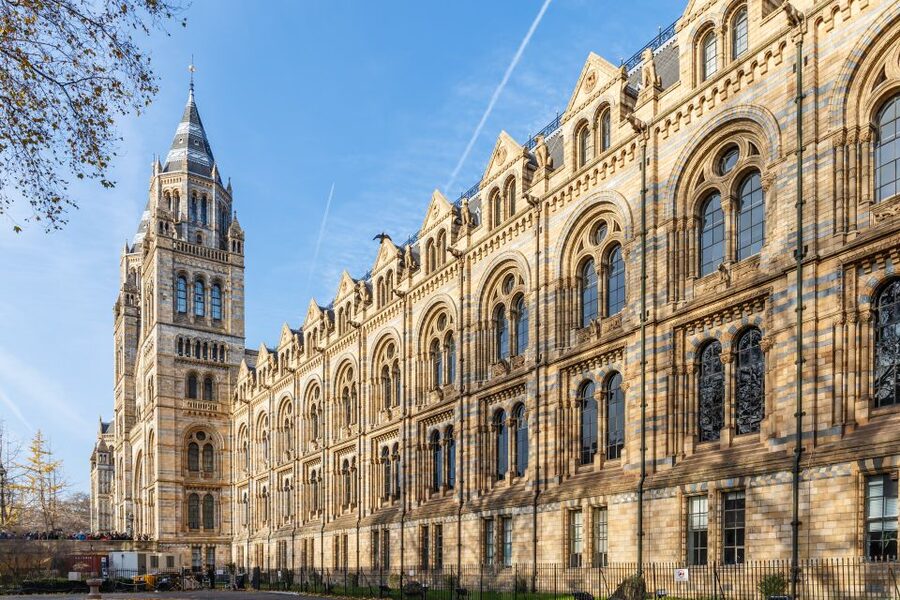
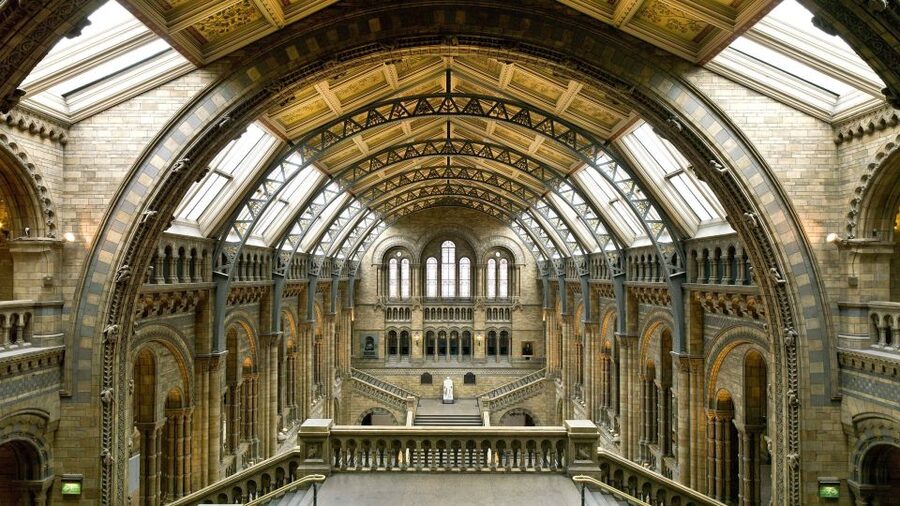
London’s Natural History Museum can feel like a maze because there’s so much to see. This tour helps you follow a clean storyline, from the planet’s deep past to the emergence of humans, and it does it in just 2.5 hours. That pacing is the secret value: you get high-impact stops without trying to win a museum marathon.
I also like the mix of what you look at. You’re not only seeing dinosaurs or only fossils, you’re bouncing between natural science, famous specimens, and historical artifacts. It keeps the experience from going numb, especially if you’re visiting with kids or first-timers who get bored in long hallways.
Finally, the “art historian” angle matters more than you might think. Museums are built to tell stories, and the best guides explain how the display design, the object choice, and the labels shape what you notice.
The dinosaur sweep: Sophie, teeth fossils, and the big-bang of questions
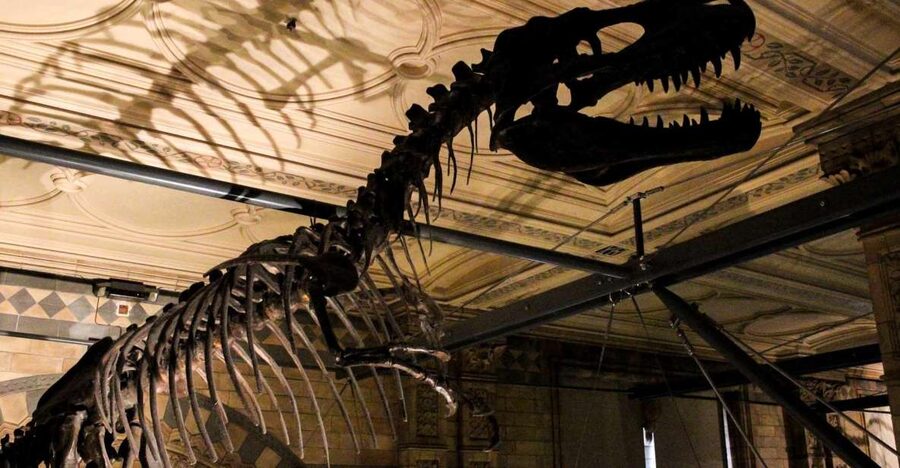
Your tour starts by getting you grounded in the museum’s dinosaur world. You’ll encounter iconic figures such as Sophie the Stegosaurus, and that’s a smart way to begin because it gives you a visual hook right away. From there, the tour leans into smaller, evidence-based moments too, including Iguanodon teeth fossils.
The Iguanodon piece is a good reminder that paleontology is often built from fragments. Teeth can look boring until someone shows you how they’re used to infer diet and species identity. You start thinking like a scientist, not just a tourist.
If you’re traveling with children, this part is usually a win because it mixes scale (huge dinosaur icons) with detective work (tiny clues). It also sets you up for the tour’s later “how did we learn this?” explanations.
Getting close to the Dodo, and feeling the lesson behind the bones
Next, you’ll work your way toward the Dodo skeleton, one of the museum’s most memorable animals. The Dodo display lands differently than many other fossils because it represents extinction you can connect to real history, not just ancient time. You’re not just looking at a specimen, you’re watching a story of loss happen in slow motion.
A good guided moment here is how your guide frames the Dodo as more than a curiosity. You’ll get context on why the Dodo is famous, and why museums keep these reminders where people can see them. It’s the kind of stop that makes you walk out more careful about what modern life is doing to ecosystems.
This is also a strong point for families. Even if kids don’t know the scientific details, they can grasp the emotional arc. The guide’s job is to translate that emotion into a grounded lesson.





Archaeopteryx: the “missing link” idea, explained without the hype
One of the standout highlights is a look at Archaeopteryx, often described as a key figure in the dinosaur-to-bird discussion. This is one of those specimens that gets people excited, but it can also get oversold if you hear it from the internet. On a guided tour, the value is that someone can explain what the idea means and why museums treat it carefully.
You’ll likely spend real time with the interpretation, not just a quick glance. Think of it as a way to understand how scientists connect dots from anatomy, fossils, and evolutionary theory. If you’ve ever wondered what “missing link” actually means, this is where you get a clearer, more responsible version of the concept.
It’s also a nice bridge from the earlier dinosaur stops. You move from big shapes and famous names into a more nuanced question: how do you use evidence to build a model of change over time?
Cursed Amethyst and the Giant Sequoia slice: when museum oddities teach perception
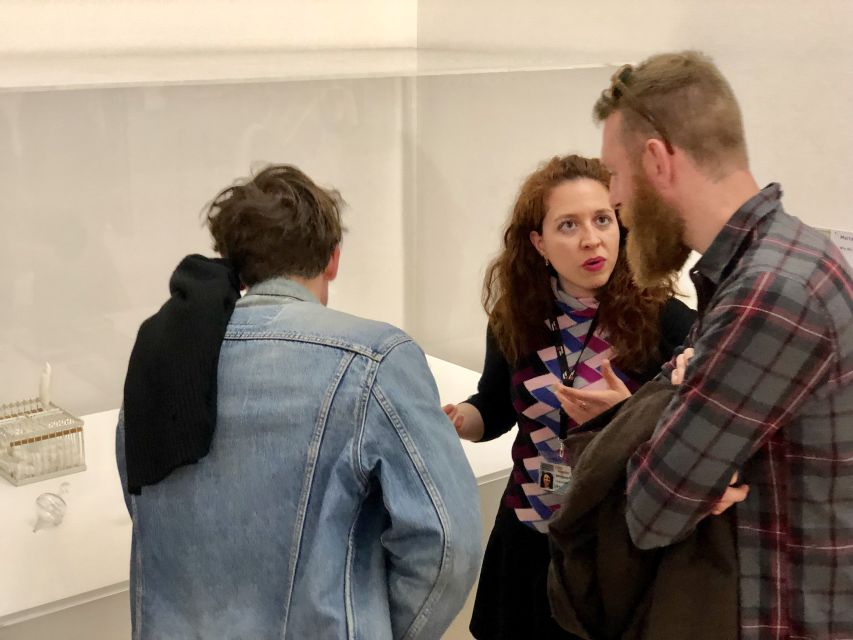
Not every “wow” moment here is a fossil. You’ll also see displays like the Cursed Amethyst and a massive slice of a Giant Sequoia tree. These are the kinds of objects that can make you roll your eyes if you think a museum is only about textbooks.
But the guide helps you read them properly. The amethyst moment works because it teaches you how geology becomes a story of formation, not just decoration. And the sequoia slice works because it shows scale, age, and texture in a way that photos just cannot.
This is where I like the tour’s tone. It gives you permission to be curious, then turns that curiosity into something real. You end up noticing details: the color and structure, the density of the slice, the evidence of time in the material itself.
Pompeii casts: disaster made visible, then connected to human artifacts
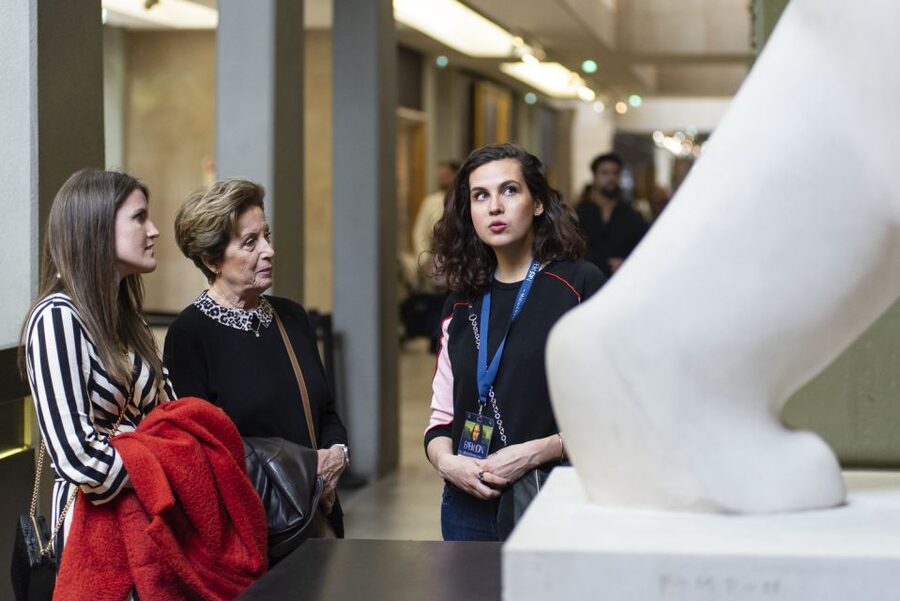
One of the most unforgettable stops is the Pompeii casts, the museum displays related to victims of the volcanic disaster. Seeing those casts in person has a very different effect than reading about them. The tragedy becomes concrete, and you can’t skim past the reality of what the casts represent.
What I appreciate is that the tour doesn’t stop at the shock. You’ll also encounter displays connected to human history, including civilizations that used human skulls as drinking glasses. That’s a disturbing topic, but in a guided format it becomes contextual instead of just sensational.
The practical value here is timing and emotional pacing. In two hours plus, you’ll still have your legs and attention, but the tour doesn’t overload you with the darkest material back-to-back. A good guide spreads the weight, and it makes the experience feel thoughtful rather than just grim.
Darwin’s On the Origin of Species first edition: science as a cultural event
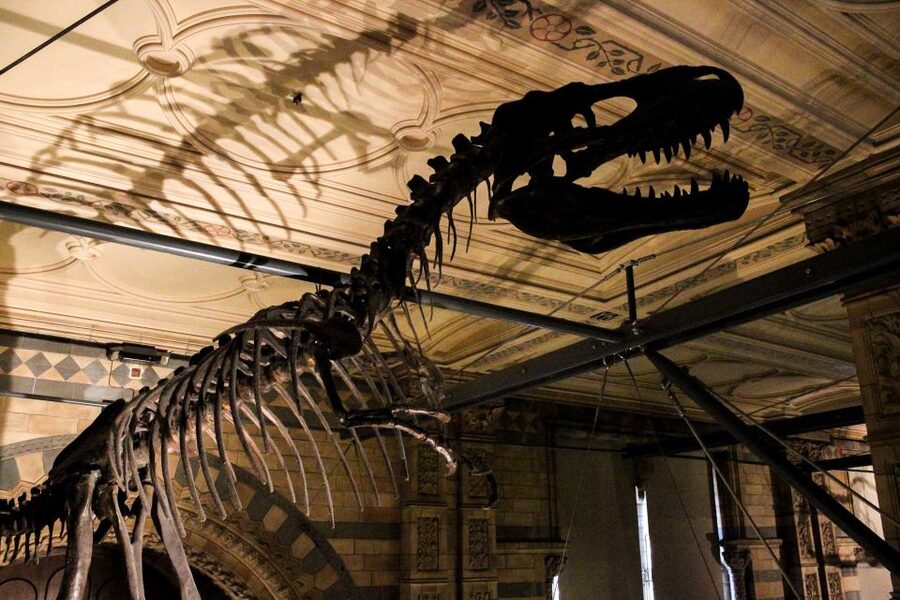
The tour’s later highlight is seeing a first edition of On the Origin of Species. This is the point where the museum stops being only about creatures and starts being about ideas that changed the world.
A guided look at this kind of artifact is powerful because you see science as something humans created, debated, and published. You’re not just observing nature, you’re observing a turning point in how people explain it. It also helps connect the earlier “how we know” theme to the human story of knowledge.
If you like history and ideas, this stop gives you a satisfying payoff. It ties the fossils, specimens, and evolutionary concepts together into one bigger narrative.
The best part is the guide, and you can tell fast
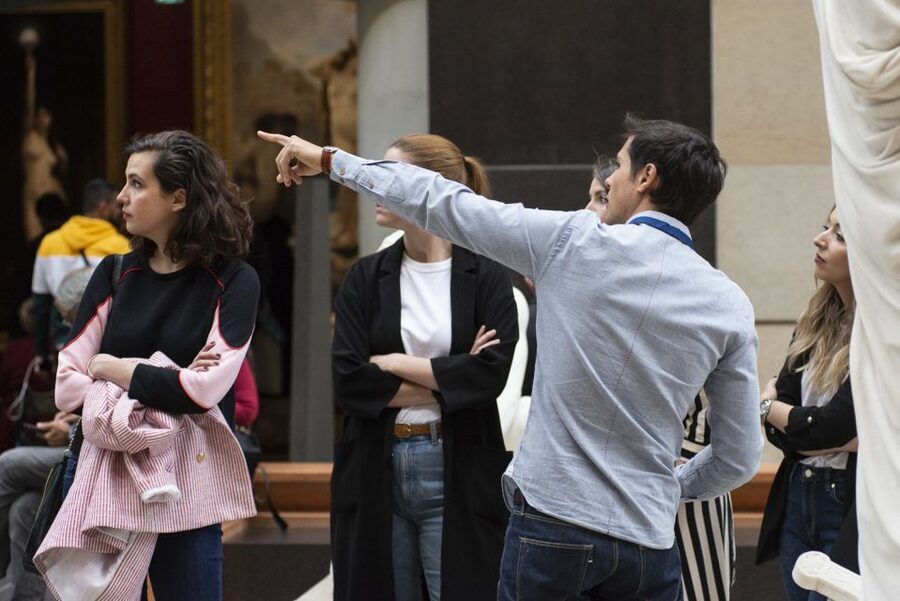
This is the kind of tour where the guide makes or breaks your experience. The tour uses a live English guide, and the strongest ones are the calm type who know how to connect a big museum to your current attention span.
Ivo, Guy V., Matilda, Laurence, and Sacha are examples of names that show up with this tour, and the pattern is consistent. The guides explain in clear language, manage questions well, and keep the group moving without rushing you through the serious moments. One guide style that works especially well is balancing adult curiosity with kid-friendly engagement, so everyone leaves feeling like they got something.
You’ll also feel the difference between a guide who recites labels and one who gives you a reason to care. The tour leans heavily into interpretation, so you end up with memories tied to meaning, not just objects.
Price and value: what you’re really paying for
At $112 per person for a 2.5-hour guided session, you’re paying for focus. This is not a free-for-all museum ticket. The value is the route, the expert interpretation, and the “time saved” from skipping the ticket line.
If you’ve ever tried to plan your own Natural History Museum day, you know how quickly it turns into wandering. This tour solves that problem by picking standout objects and linking them with context. The price makes more sense when you factor in that you’re paying for someone to do the selection work and the storytelling.
It also helps that the group experience is small, with a maximum of 8 guests for group options. That size usually means you can ask questions and still see what the guide points out without getting stuck in a slow-moving line.
Practical tips before you go (so you don’t trip over logistics)
A few details matter for a smooth visit.
- Bring passport or ID card, since it’s required.
- Plan to travel light. No luggage or large bags are allowed inside, only handbags or small thin bag packs through security.
- Expect a small amount of walking. Good shoes help more than you’d think.
- Meeting point can vary by option, so confirm your exact location when you book.
Also keep in mind that this tour focuses on highlights. Temporary exhibits are not part of the plan, so don’t count on a specific pop-up being included.
Who should book this tour, and who might not love it
This tour is a great fit if you want a guided “greatest hits” approach, not a self-guided puzzle. It also works well if you’re with kids, since the guide style described in real-world experiences is active and question-friendly.
You might want to skip it if you prefer to wander slowly on your own schedule for hours. The museum is enormous, and a highlight route is meant to be efficient, not endless.
Accessibility is worth noting. The information says wheelchair users are not suitable for the tour, but it also says wheelchair tours are available upon request only as a private tour. If you need a wheelchair-friendly setup, check with the provider before you commit to the group format.
Should you book the London Natural History Museum guided highlight tour?
If you like museums but hate sorting through them alone, I think this is a smart booking. For $112 you’re buying a route that hits major moments like Dodo, Archaeopteryx, Pompeii casts, and Darwin’s On the Origin of Species first edition, all wrapped in guide interpretation that connects the dots.
Book it especially if you have limited time and want the museum to make sense fast. If you’re traveling with family, the pacing and question-friendly approach are exactly what you want.
Just pack light, wear comfy shoes, and go in ready to be guided. Do that, and you’ll leave with more than photos, you’ll leave with a story.
FAQ
How long is the London Natural History Museum guided tour?
The tour lasts 2.5 hours.
Is the tour available daily, and how do I find the starting times?
It’s offered daily, and starting times depend on availability.
What language is the live guide?
The live tour guide speaks English.
Does the tour include skip-the-line entry?
Yes, it includes skip the ticket line.
What do I need to bring, and can I bring a large bag?
You should bring a passport or ID card. Luggage or large bags are not allowed inside the museum, and security allows only handbags or small thin bag packs.
Is this tour wheelchair accessible?
The info says it is not suitable for wheelchair users, but it also states wheelchair tours are available upon request only and only as a private tour.
Can I cancel for a full refund?
Yes. You can cancel up to 24 hours in advance for a full refund.
Museums and Galleries, Keep Going
- Frameless – Immersive Art Experience in London★ 4.5 · 3,660 reviews
- London: Entry Ticket to Frameless Immersive Art Experience★ 4.7 · 2,923 reviews
- London: British Museum Guided Tour★ 4.3 · 1,182 reviews
- Official tickets: Moco Modern & Contemporary Art Museum★ 4.5 · 1,157 reviews
Fresh off the London review pile




London Museums & Galleries, compared.
 ★ 4.5Frameless – Immersive Art Experience in LondonFrom $383,660 reviews
 ★ 4.7London: Entry Ticket to Frameless Immersive Art ExperienceFrom $372,923 reviews
 ★ 4.3London: British Museum Guided TourFrom $231,182 reviews
 ★ 4.5Official tickets: Moco Modern & Contemporary Art MuseumFrom $361,157 reviews
 ★ 5.0British Museum London Guided Tour Semi-Private 8ppl MaxFrom $108984 reviews
 ★ 4.1London: Tour of the British MuseumFrom $14678 reviews
 ★ 4.5London: British Museum Audio Tour & Priority Entrance TicketFrom $9631 reviews
 ★ 5.0The British Museum London – Exclusive Guided Museum TourFrom $108555 reviews
Also filed under