
REVIEW · MUSEUMS
London Transport Museum Entrance Ticket
London’s transport story is way more fun in person. At the London Transport Museum in Covent Garden, you’ll connect how trains, buses, and maps shaped modern London, from early engineering to today’s brand identity. I especially like the museum’s mix of real-world artifacts and hands-on simulations, so learning feels like play.
Two highlights keep pulling you deeper. First, you get to see the major milestones side-by-side, including the world’s first underground steam train and the electric Tube railway. Second, the permanent gallery focused on commercial poster art and design (opened in October 2023) gives you a sharp look at how the Underground became instantly recognizable, from the bullseye logo to diagrammatic maps.
One drawback to plan for: it can get loud and crowded at peak times, since there are lots of family areas and interactive zones that attract kids.
In This Review
- Key Things to Know Before You Go
- Entering London’s Transport Museum in Covent Garden
- Underground Origins and the Big Milestones You Shouldn’t Miss
- Elizabeth line in the Future Engineer Simulation
- Tube Driver Training and Other Hands-On Stations
- The 2023 Global Poster Gallery, plus How to Make a Poster
- How the Underground Map and Branding Changed the Way You Navigate
- Families, Noise Levels, and When to Aim for a Calmer Visit
- Gift Shop Wins and How Staff Help You Make the Most of Your Visit
- Value for a London Day: Is $33 Worth It?
- Practical Tips: Bags, Timing, and Getting In Smoothly
- Should You Book This London Transport Museum Ticket?
- FAQ
- How long is the London Transport Museum entrance ticket?
- Where do I meet for the experience?
- What is the latest time I can enter?
- Is the museum ticket wheelchair accessible?
- Are large bags allowed inside?
- What does the ticket include?
- Can I cancel, and what are the rules?
Key Things to Know Before You Go
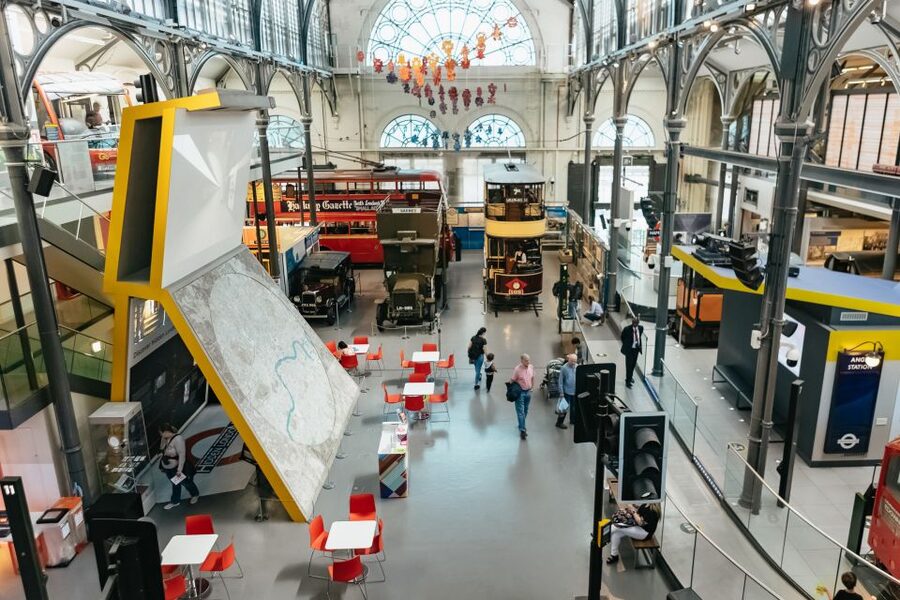
- World-first transport machines, including the first underground steam train and the electric Tube railway
- Elizabeth line Future Engineer simulation, where you get a modern train driving moment
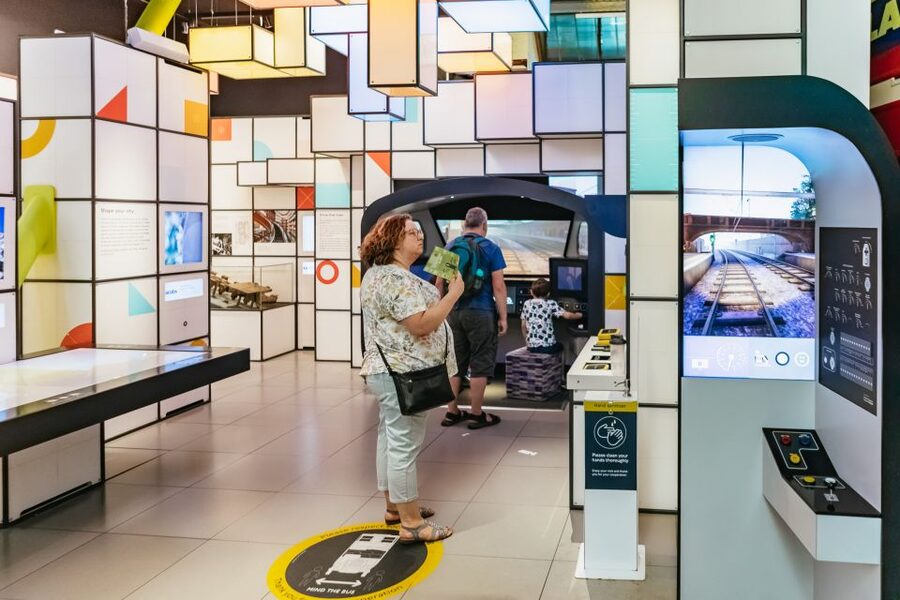
- Tube driver training simulator plus other hands-on control stations
- 2023 Global Poster Gallery, with more than 100 poster artworks and the process behind them
- How to Make a Poster, focusing on poster making in the pre-digital era from 1900
- Family-friendly play areas, but expect noise during busy periods
Entering London’s Transport Museum in Covent Garden
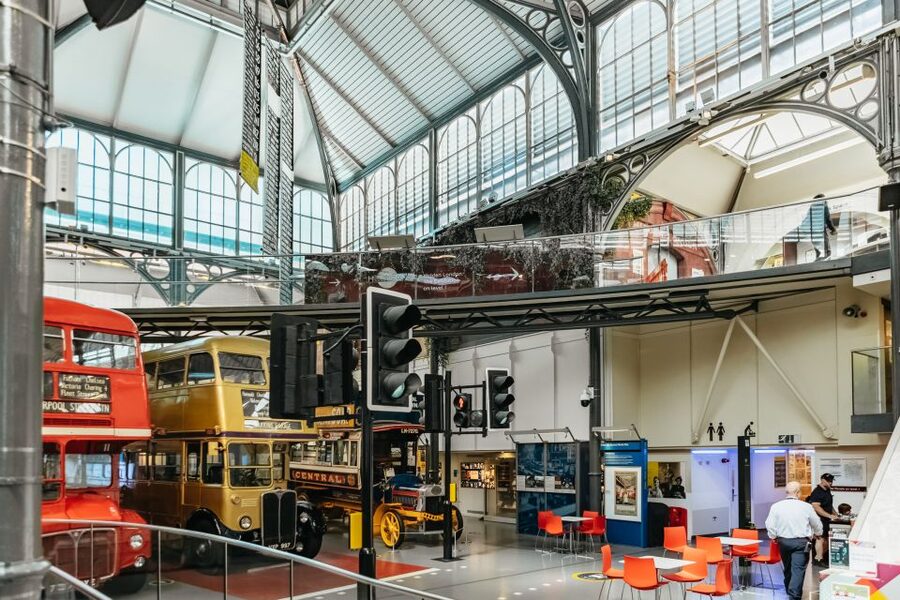
The London Transport Museum sits right in the action of Covent Garden, which makes it easy to pair with a normal London day of walking, shopping, and dinner. You’re not trying to reach some far-flung depot. You can arrive, step inside, and immediately get the feeling that this place is built to explain London to you, not just display old stuff.
Plan for about 1 to 1.5 hours if you want the main highlights, especially if you’re focused on the interactive bits. If you like to read labels, take your time, and try more activities, it can stretch to 3 to 4 hours. The museum closes at 6:00 PM, with last entry at 5:00 PM, so I’d treat the last hour like a bonus, not your primary plan.
This is also the kind of museum where timing matters. One visit can feel smooth and breezy, while another can feel like you’re sharing every interactive station with a school group. If you want a calmer experience, aim for earlier in the day when possible.
Underground Origins and the Big Milestones You Shouldn’t Miss
The museum’s core storyline is simple and powerful: transport didn’t just help London grow, it helped create London’s identity. The galleries connect the 1800s onward with the physical realities of moving people, plus the social changes that came with faster, more organized travel.
You’ll see major milestones in a way that’s easy to grasp visually. Two standouts are the world’s first underground steam train and the electric Tube railway. Seeing these together helps you understand the pace of change, and why the Underground became such a defining part of London life.
What makes these exhibits especially valuable is that they are not just about technology for its own sake. The story links engineering choices to real outcomes, like capacity, speed, and the practical problems London had to solve as the city expanded. It’s a good reminder that today’s “normal” systems had to be invented, tested, and adjusted long before anyone had a smartphone map in their pocket.
Elizabeth line in the Future Engineer Simulation
One of the most popular modern moments is the Future Engineer train simulation. Instead of stopping at history, the museum brings you forward into a believable, interactive experience of riding and driving a modern Elizabeth line train.
This matters for two reasons. First, it helps kids and rail fans connect the past to the present. Second, it turns a topic that can sound technical into something you can actively try, which tends to stick better than reading alone.
You might not get the full feeling of a real cab in a real tunnel, but you do get the sense of how much coordination goes into rail operation. Even if you’re not a hardcore transit nerd, the simulation is one of those “I can actually do this” attractions that changes how you look at the rest of the museum.
If you’re visiting with children, this is the type of activity that can become the day’s anchor point. Try to fit it in earlier rather than later, especially if you notice a line forming.
Tube Driver Training and Other Hands-On Stations

The museum’s interactive style is not random. It keeps returning to the same idea: transport is a system, and systems run on decisions. One big draw is a Tube driver training simulator, where you learn by doing instead of just watching.
Alongside that, you’ll find other hands-on stations like activities connected to the feel of rail operations, including items such as brake-related play and rail track switch-style interactions. These aren’t there just to entertain. They teach you how a complex network depends on small, repeatable actions.
The big win here is pacing. You can bounce between reading and trying. You won’t feel stuck in one mode for too long. And the interactive setup tends to work well for mixed groups, like families with both adults who want context and kids who need movement and action.
Do note one practical reality: hands-on areas can get busy. If you’re the type who hates waiting, go to the biggest interactive attractions earlier in your visit, then shift toward poster galleries and galleries with more room later.
The 2023 Global Poster Gallery, plus How to Make a Poster
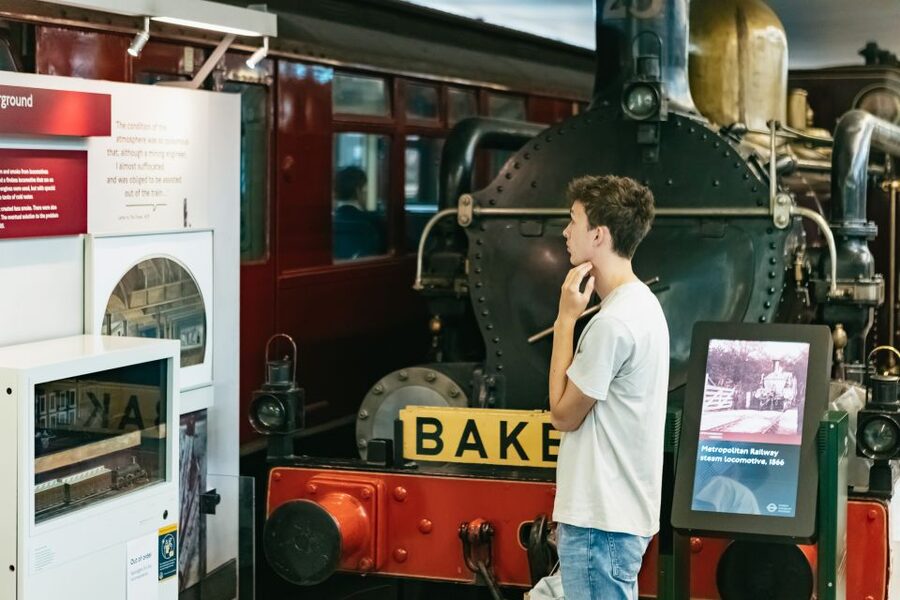
If you only come for trains, you’ll still leave impressed. But if you want a museum that surprises you, don’t skip the permanent poster-focused gallery opened in October 2023. This is where transport meets graphic design in a very real way.
You’ll see more than 100 poster artworks and posters tied to the story of London transit advertising and public messaging. The exhibition also focuses on poster making in the pre-digital era from 1900, and it explains the process behind commissioning and creativity before everything was made on a screen.
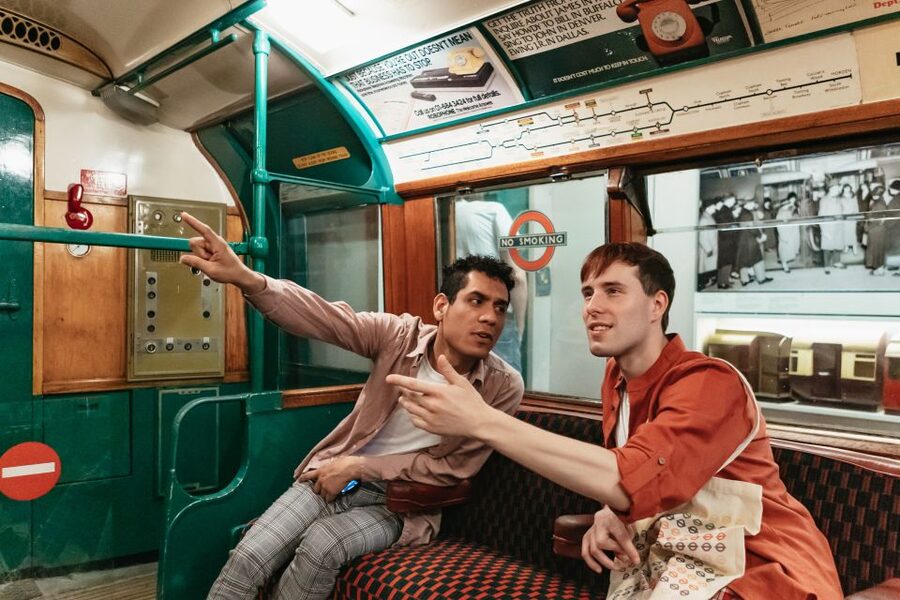
This is a great stop even if you don’t think you’re into design. The Underground’s visual branding is part of everyday London culture, and the museum shows you how that look got built. You’ll also spot famous design cues like the bullseye Tube logo and the diagrammatic tube map, and suddenly you understand why those symbols are so memorable.
A smart practical detail: the museum’s admission includes access to temporary exhibitions, and the Global Poster Gallery is free with your museum admission. That means this poster wing is not an add-on you pay for separately. It’s part of your ticket value.
How the Underground Map and Branding Changed the Way You Navigate
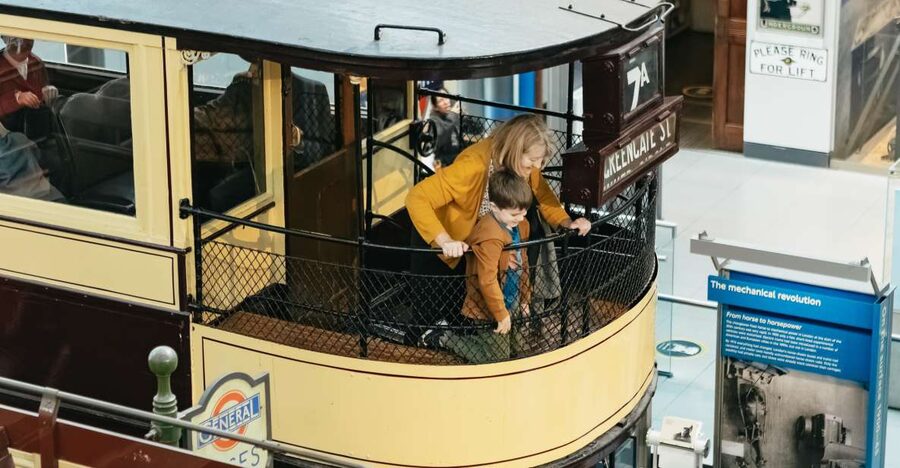
One of the quietly fascinating parts of the museum is the attention to information design: the way maps, logos, and diagrams help people actually use a network. The museum walks you through the creation of the Underground map, and it connects that to why navigation works for millions of riders.
In real life, the map looks simple. In museum time, you see that the simplicity is earned. It’s a story about choosing what to show and what to leave out, so passengers can understand the system quickly.
You’ll also get a clear look at branding elements, including the bullseye theme and the diagrammatic map style. The museum makes it clear that great transit branding is not only about looking nice. It reduces confusion, builds trust, and helps a city move like a system.
If you’re traveling later to ride the Underground, you’ll likely notice these design features more. And that’s the kind of takeaway that makes a museum visit feel connected to the rest of your trip, not just locked inside a building.
Families, Noise Levels, and When to Aim for a Calmer Visit
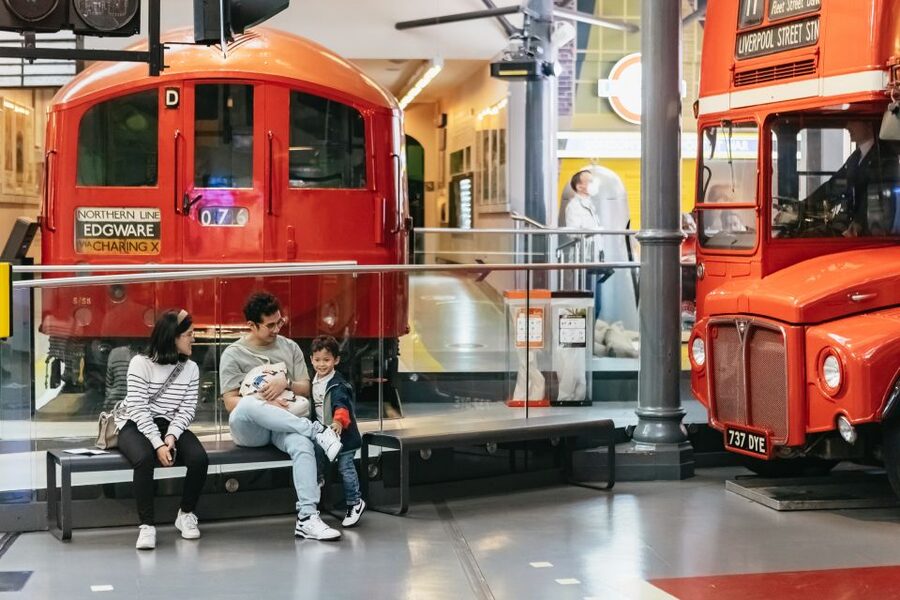
This museum is very family-friendly. Expect play areas and lots of interactive zones, including activities that are clearly built for younger kids as well as older children. It’s also why the place can feel noisy, especially at busier times when toddlers and school-age kids are all active.
For families, that’s a positive. Kids can move, touch, draw, and explore, and the museum seems designed to handle it. For adults traveling alone or as a couple, the noise can be a deal-breaker, particularly if you want quiet and slow reading.
So here’s my practical approach. If your group includes kids, you’ll probably love the energy, and you can plan your visit around the times your children naturally have the most patience. If your group is mostly adults and you prefer a quieter vibe, try to avoid weekends and school holidays when possible. Even then, the museum is organized well, so the crowd tends to be manageable, just not silent.
One small plus: stroller or buggy parking is available, which helps keep the whole day calmer. It’s one less thing to worry about once you’re inside.
Gift Shop Wins and How Staff Help You Make the Most of Your Visit
The museum experience does not end at the last exhibit. The gift shop is often described as excellent, which makes sense because the museum leans into design, transport culture, and things kids and adults want to take home.
Also, the staff help makes a difference. One staff member named Giancarlo at the desk helped a group with their needs, which is a reminder that if you ask a question, you’re likely to get a real answer instead of a vague direction. If you want to plan a route based on what matters most to you, staff at the desk can help you prioritize the right stations.
If you like bringing home a useful souvenir, consider the museum’s guide book. One visit recommendation is that the guide book adds a lot of information, which can help you make sense of what you’re seeing while you’re still inside the galleries.
Value for a London Day: Is $33 Worth It?
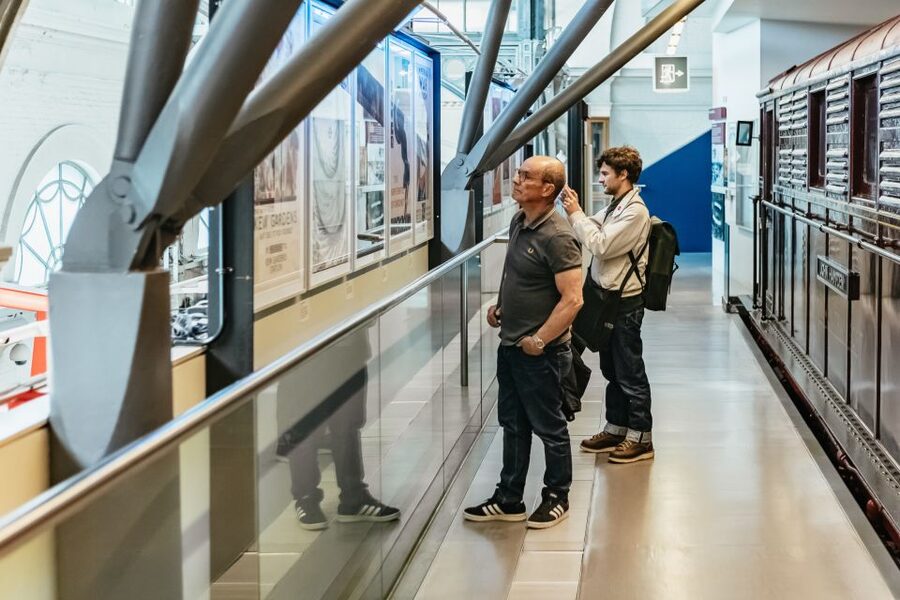
At about $33 per person for a one-day entrance ticket, the value depends on what you want from the day. If you’re the type who only wants a quick look, you can still get your money’s worth because the museum packs in big attractions like the first underground steam train and the electric Tube railway, plus modern interactive moments like the Elizabeth line simulation.
If you’re the type who enjoys hands-on learning and reading, the ticket price starts to look like a bargain. You’ll likely spend several hours if you include interactive stations and the poster galleries. And because the Global Poster Gallery is free with admission, you’re not paying extra just to reach the best visual-design content.
Also remember that your ticket includes access to temporary exhibitions. That matters because the museum is not frozen in time. If a special exhibit is running, it can add variety without adding cost.
Net: if your goal is a London experience you can do without hiring a guide, and you want something that works for different ages, this is strong value for the price.
Practical Tips: Bags, Timing, and Getting In Smoothly
There are a few rules that matter for comfort. Large bags or luggage are not allowed, so plan to travel light. If you’re coming from another stop in London, you might need to sort your bag situation before you arrive.
Stroller or buggy parking is available. That is genuinely helpful, especially since you’ll spend a chunk of your day on your feet, moving between exhibits and activity areas.
Timing is also part of the practical plan. Last entry is at 5:00 PM and the museum closes at 6:00 PM. So if you arrive late, you might miss parts of the experience even if you technically still enter. I’d aim for the first half of the day if you can, especially during busy seasons.
If you are visiting on a weekend morning, expect it to be busy, but often organized. In general, arriving earlier can reduce waiting time and help you hit the interactive attractions before lines grow.
Should You Book This London Transport Museum Ticket?
You should book this ticket if you want a London museum day that mixes big transportation milestones with real interactive fun. It’s a solid pick for families because kids can do more than watch, and adults get enough context to feel the story makes sense.
You might skip it, or at least adjust your expectations, if you strongly prefer quiet museums. The interactive zones and family areas can make it loud. And if you want a calm, slow, label-by-label experience, you’ll want to come at a less crowded time of day.
If your trip already includes a lot of walking and sight-seeing, this museum works as a high-value indoor stop in central London. You’ll leave with a better understanding of how the Underground became a brand, how the maps guide people, and why the design language you see today has a longer story behind it.
FAQ
How long is the London Transport Museum entrance ticket?
The experience is listed for a duration of 1 day, so you can spend as long as you like within opening hours.
Where do I meet for the experience?
Meet at the London Transport Museum.
What is the latest time I can enter?
Last entry is at 5:00 PM daily, and the museum closes at 6:00 PM.
Is the museum ticket wheelchair accessible?
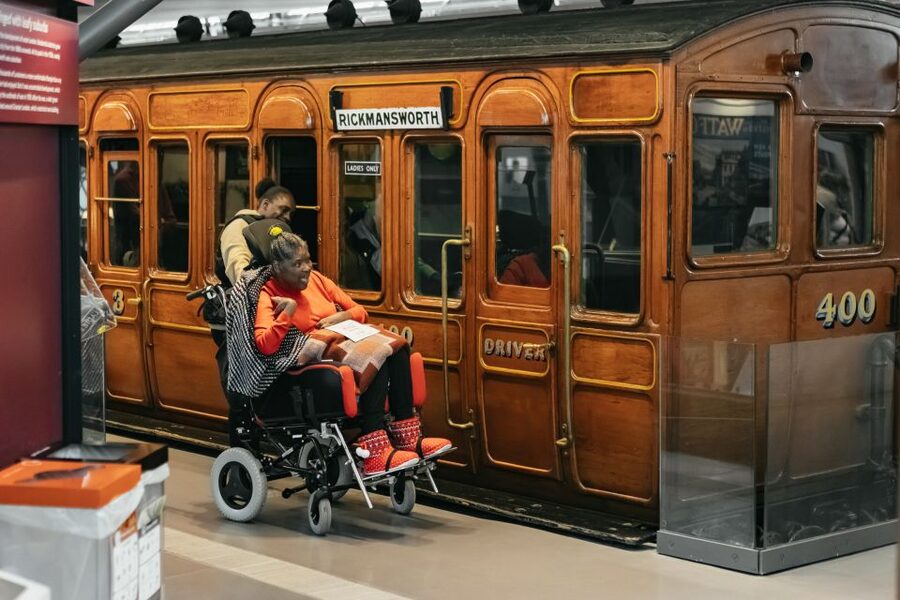
Yes, the experience is wheelchair accessible.
Are large bags allowed inside?
No, luggage or large bags are not allowed.
What does the ticket include?
Your entrance ticket includes access to temporary exhibitions.
Can I cancel, and what are the rules?
There is free cancellation, and you can cancel up to 24 hours in advance for a full refund.
Museums, compared.
 ★ 4.8Liverpool: Liverpool Football Club Museum and Stadium TourFrom $3310,764 reviews
 ★ 4.5Tower of London and Crown Jewels Exhibition TicketFrom $496,677 reviews
 ★ 4.8London: Chelsea Football Club Stadium and Museum TourFrom $434,576 reviews
 ★ 5.0Chelsea FC Stadium Tours and MuseumFrom $441,908 reviews
 ★ 4.4Manchester: National Football Museum Admission TicketFrom $201,243 reviews
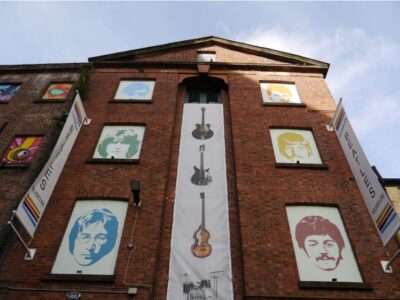 ★ 4.6Liverpool Beatles Museum Entry TicketFrom $261,192 reviews
 ★ 4.3London: British Museum Guided TourFrom $231,182 reviews
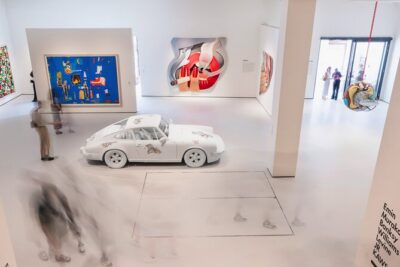 ★ 4.5Official tickets: Moco Modern & Contemporary Art MuseumFrom $361,157 reviews
Also filed under