

REVIEW · BATH & THE ROMAN BATHS
Exceptional Bath tour guide making your visit splendidly memorable.
If Bath is on your list, start with this.
This walking tour pairs Roman Bath history with Georgian city highlights, explained in a way that actually sticks. With Paul Elliott leading the route, you get architecture and city storytelling tied to real places, from the Abbey area to the Royal Crescent.
I especially love the way the tour gives context without rushing. Paul Elliott moves you through Bath in a sensible order, so Queen Square, the Circus, and John Wood’s Royal Crescent start to make emotional sense, not just look pretty.
One thing to consider: this is a walk-and-look tour, not an all-inclusive entry ticket run. You’ll hear the full story at stops like the Roman Baths and Bath Abbey, but admission is not included at those sites.
In This Review
- Key highlights you will feel right away
- A fast way to get your bearings in Bath
- Starting outside Abbey Hotel, and why the route matters
- Roman Baths views without entering the site
- Bath Abbey: Saxon to Tudor story in a short stop
- Pulteney Bridge and the Avon, plus movie locations
- Queen Square to the Georgian plan of Bath
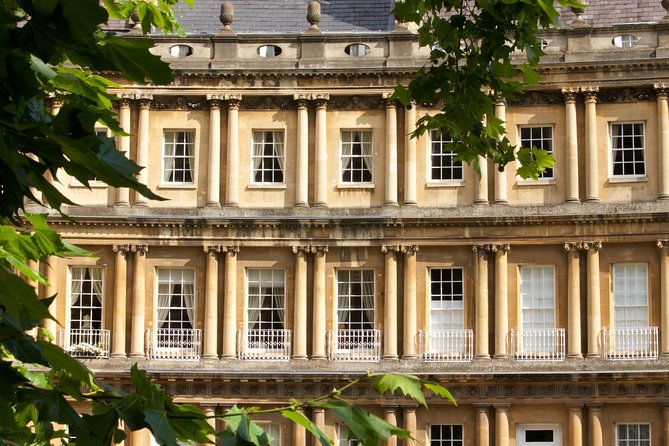
- The Circus: John Wood’s masterpiece as a viewpoint story
- No. 1 Royal Crescent: top address and photo opportunities
- Passing Jane Austen Centre and Bath Thermae on the return
- The best part: Paul Elliott’s humor and the human side of Bath
- How much walking you should plan for
- What you get for $30.53, and what costs extra
- Who this tour is best for
- Should you book Paul Elliott’s Bath tour?
- FAQ
- What language is the tour offered in?
- How long does the Bath tour take?
- What is included in the tour price?
- Are tickets for the Roman Baths, Bath Abbey, and Royal Crescent included?
- Where does the tour start and end?
- Is free cancellation available?
Key highlights you will feel right away
- Small group (up to 20) with attentive guiding that keeps the pace comfortable
- Roman Baths and Bath Abbey explained outside, so you spend time learning, not queuing
- Georgian Bath route built for photos, from Queen Square to the Circus and Royal Crescent
- Street-level detours and local context, including passes by Sally Lunn’s and the Jane Austen Centre area
- Humor mixed into history, with Paul’s witty, human take on how Bath got shaped
- Stops that connect eras, including the 1700s visitors and how they influenced the modern world
More of Bath, Georgian and Roman
- Walking Tour of Bath with Blue Badge Tourist Guide
★ 5.0 · 1,877 reviews - Bath: City Walking Tour with Optional Roman Baths Entry
★ 4.7 · 1,401 reviews - Bath: Guided Walking Tour
★ 4.9 · 1,198 reviews
A fast way to get your bearings in Bath

Bath can feel like two cities at once. You have Roman-era grandeur and then, later, the polished Georgian world that made Bath famous across Britain and beyond.
This tour is designed for you to understand both without needing a museum schedule. You begin outside the Abbey Hotel near the old city wall, and you build your mental map as you go: Abbey area, Roman Baths zone, river views, Georgian streets, then the return downhill toward the Abbey.
Starting outside Abbey Hotel, and why the route matters
The meeting point near the old city wall is more than convenient. It puts you in the right physical starting position to understand how Bath grew and how the important sites connect, rather than hopping randomly between landmarks.
From there, the tour blends landmark spotting with small scene setting. You pass Sally Lunn’s Bath’s oldest house and tea shop, so you get a taste of daily Bath life while the guide threads the past into present-day streets.
You also move through older medieval alleys of Bath that lead back toward the old city wall. That street texture matters, because it shows you why Bath’s historic buildings feel tightly linked, even when the styles change dramatically over time.
Roman Baths views without entering the site
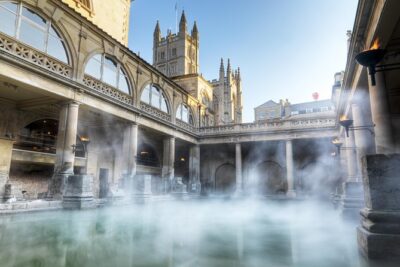
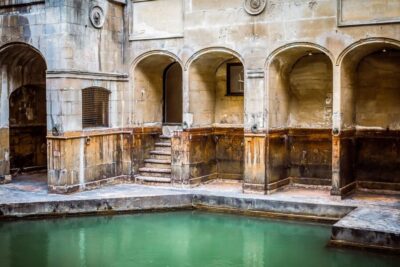
Stop 1 is the Roman Baths, and the approach is smart if you want the big picture. You get a full explanation, but you do not go inside.
That means you can still see the setting and understand what you are looking at before you decide whether you want to pay for admission later. It is also time-saving, especially when Bath is busy and lines can eat into your day.
The tradeoff is simple: if you want to walk through galleries and see every exhibit in detail, you’ll need to add Roman Baths admission on your own. Still, this stop gives you the context that makes any later visit far more satisfying.



Bath Abbey: Saxon to Tudor story in a short stop
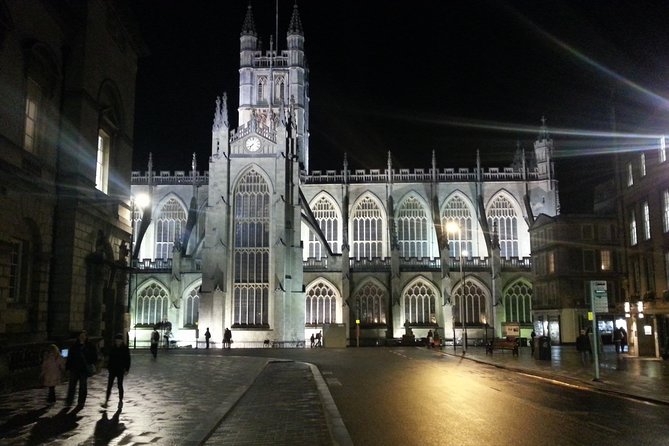
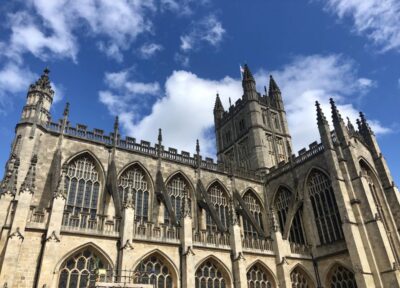
Next is Bath Abbey. You get the story from Saxon and Norman roots to the current Tudor Abbey, all highlighted with the kinds of details that help the building read like a timeline.
Stop time here is brief, so the key is how the guide frames it. Instead of treating the Abbey like a single attraction, you learn how earlier eras set up the later look, and how that fits the bigger Bath story.
Again, admission is not included. You will be standing where you can take in the exterior and get the historical meaning, then decide whether you want to go inside after the tour.
Pulteney Bridge and the Avon, plus movie locations
Pulteney Bridge is short and sweet, but it’s a memorable visual break. You focus on the River Avon and boat trip locations, and the guide points out film-set connections linked to the riverfront.
This is a good moment in the tour because it shifts you from stone-and-sculpture thinking to geography. Once you understand the river’s role, other Bath details start lining up in your head.
You also get quick photo chances here. If you’re the kind of traveler who takes a lot of pictures, this stop is worth loosening your pace for a minute.
Queen Square to the Georgian plan of Bath
Now you move into Georgian Bath, and Queen Square is the starting point. The guide explains the beginning of Bath’s Georgian sector, so you understand why the streets look the way they do and how the city was designed for the people who came for health and status.
Stop time is around 5 minutes, which can sound too fast until you remember the tour’s format. The goal is orientation. You are not meant to master Georgian urban planning in five minutes, but you are meant to see enough that later, when you walk on your own, the layout makes sense.
The value here is mental. After Queen Square, you look at Bath differently. Buildings feel intentional instead of random.
The Circus: John Wood’s masterpiece as a viewpoint story

The Circus is one of the tour highlights for a reason: it is not just a pretty curve. John Wood’s design shows how Georgian Bath used symmetry, repetition, and showmanship to create an identity you can recognize instantly.
You spend about 10 minutes here, and the guide treats it like a story you can walk around. That helps you notice details you would likely skip if you arrived alone with only a camera and a few quick snapshots.
This is also one of the best sections for photos, because you can line up shots from different angles while the guide explains what you are seeing.
No. 1 Royal Crescent: top address and photo opportunities

The tour continues to John Wood’s Royal Crescent, with a stop at No. 1. This is the part where Bath’s Georgian reputation becomes real in your hands, even though you are still outdoors.
You get the big-picture meaning and the address-level prestige, plus time for photo opportunities. Admission is not included, so think of this as a chance to see the exterior and understand the why behind the grandeur.
If you want to go inside the Royal Crescent later, you can. But starting here with context makes your independent visit far less confusing.
Passing Jane Austen Centre and Bath Thermae on the return
As you stroll downhill, the tour threads Bath’s later identity into the route. The Jane Austen Centre shows up along the way, and Bath Thermae is another modern Bath anchor.
Stop 7 is listed at Thermae Bath Spa. You get a short explanation about the newer attraction and the nearby Cross Bath, but the tour ends at that point rather than turning into a full spa visit.
This matters because Bath often tempts you into splitting your day into separate worlds: Roman history, Georgian glamour, then modern bathing. This route keeps you moving through them as one story.
The best part: Paul Elliott’s humor and the human side of Bath
A guide can tell you facts. A good guide helps you feel the city.
Paul Elliott brings that balance with wit and a playful tone, so the tour stays fun even when the history gets detailed. I like that he can keep things light without flattening the seriousness of what he is explaining.
The best proof is how the tour feels personal when group size drops. One review-style detail that stood out in the overall story: even when the group was unusually small, Paul kept full attention and still gave the complete route experience.
If you enjoy guides who talk like a local, not like a script, this is the right fit. One tip I’d give you is to ask for the extra color, the stories behind the stones. If you like a bit of playful over-sharing, Paul is the type who will happily provide it.
How much walking you should plan for
This is a walking tour with a lot of stops, so you should dress for time on your feet. The guide notes that the walking is just over a mile with more than 15 stops, and the tour can run a bit longer depending on the slowest pace in the group.
That timing flexibility is normal. If you have tight plans afterward, build in a buffer so you are not rushing from Bath’s streets back to your next stop.
For most visitors, this pacing is workable. If you have mobility constraints, it is still worth checking with the operator before you book, because the format is not designed around long sit-down breaks.
What you get for $30.53, and what costs extra
At $30.53 per person, you are paying for an organized route plus an expert guide who turns Bath into a connected story. The value is strongest when you want to see a lot in a short window and you care about architecture, history, and getting oriented fast.
Here is what is not included: admission for the Roman Baths and Bath Abbey, and ticketed stops such as No. 1 Royal Crescent and Thermae Bath Spa. Other areas are free to view from the street, like Queen Square and the Circus stops on this route.
So the honest budgeting approach is simple. Use the tour as your foundation. If you later decide you want to enter specific sites, add those admissions on your own time, with better context because you already learned what you are looking for.
Who this tour is best for
This is a strong choice if you like history and architecture, but you also want the experience to be lively. You’ll enjoy the route most if you want city context, photo-worthy stops, and a guide who can explain how the eras connect.
It also works well as an early-day overview. The tour hits major Roman and Georgian touchpoints, so later, when you wander, Bath feels less like a list of sights and more like one coherent place.
If you hate walking or you only want inside-the-building experiences, you might find the outside-focused approach limiting. In that case, consider pairing this tour with one paid admission you care about most.
Should you book Paul Elliott’s Bath tour?
If you want a readable, fun introduction to Bath, I would book it. You get a tight route with major landmarks like the Roman Baths area, Bath Abbey, Pulteney Bridge, Queen Square, the Circus, and the Royal Crescent, explained in a way that makes the city feel personal.
Book it especially if you enjoy guides with humor and you want better than basic sightseeing. Just go in expecting a walking tour with admissions not included, and you will get a strong value for the money.
If you prefer ultra-serious history with zero jokes, or you get easily stressed by playful guide energy, consider that style before you commit. For most people, the balance is exactly what makes the history memorable.
FAQ
What language is the tour offered in?
The tour is offered in English.
How long does the Bath tour take?
It runs about 1 hour 30 minutes to 2 hours, approximately.
What is included in the tour price?
You get a guided walking tour with explanations at the listed stops. Admission tickets are not included for stops where tickets are noted as not included.
Are tickets for the Roman Baths, Bath Abbey, and Royal Crescent included?
No. Admission ticket is listed as not included for the Roman Baths and Bath Abbey, and not included for No. 1 Royal Crescent.
Where does the tour start and end?
It starts at Abbey Hotel Bath, a Tribute Portfolio Hotel, N Parade, Bath BA1 1LF, UK. The tour ends back at the meeting point.
Is free cancellation available?
Yes. You can cancel up to 24 hours in advance for a full refund.
Bath: Baths, Abbey and Streets
- Walking Tour of Bath with Blue Badge Tourist Guide★ 5.0 · 1,877 reviews
- Bath: City Walking Tour with Optional Roman Baths Entry★ 4.7 · 1,401 reviews
- Bath: Guided Walking Tour★ 4.9 · 1,198 reviews
- Bath: Guided Ghost Tour★ 4.8 · 1,036 reviews
Fresh off the Bath review pile





Bath & the Roman Baths, compared.
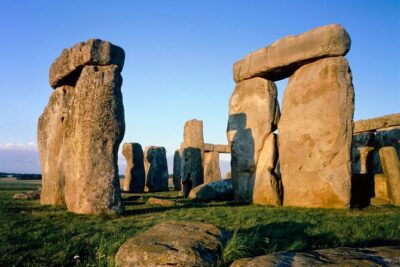 ★ 4.5Stonehenge, Windsor Castle, and Bath from LondonFrom $11118,662 reviews
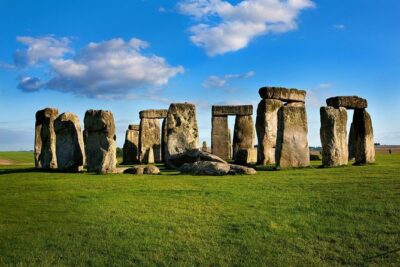 ★ 4.5Stonehenge, Windsor Castle and Bath with Pub Lunch in LacockFrom $1237,402 reviews
 ★ 4.5Stonehenge, Windsor Castle and Bath Full Day Guided TourFrom $1235,346 reviews
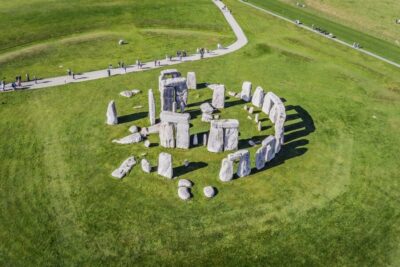 ★ 4.5London: Windsor, Stonehenge, Bath, and Roman Baths Day TripFrom $1205,131 reviews
 ★ 4.5Stonehenge and Bath Tour from LondonFrom $994,295 reviews
 ★ 4.4London: Windsor Castle, Stonehenge & Bath Full-Day TourFrom $1083,112 reviews
 ★ 5.0Windsor, Stonehenge and Bath Day Trip from London SpanishFrom $1232,656 reviews
 ★ 4.8From London: Stonehenge and Bath Day Trip with TicketFrom $1142,411 reviews
Also filed under