
REVIEW · LONDON MUSEUMS & GALLERIES
London: Freud Museum Entry Ticket
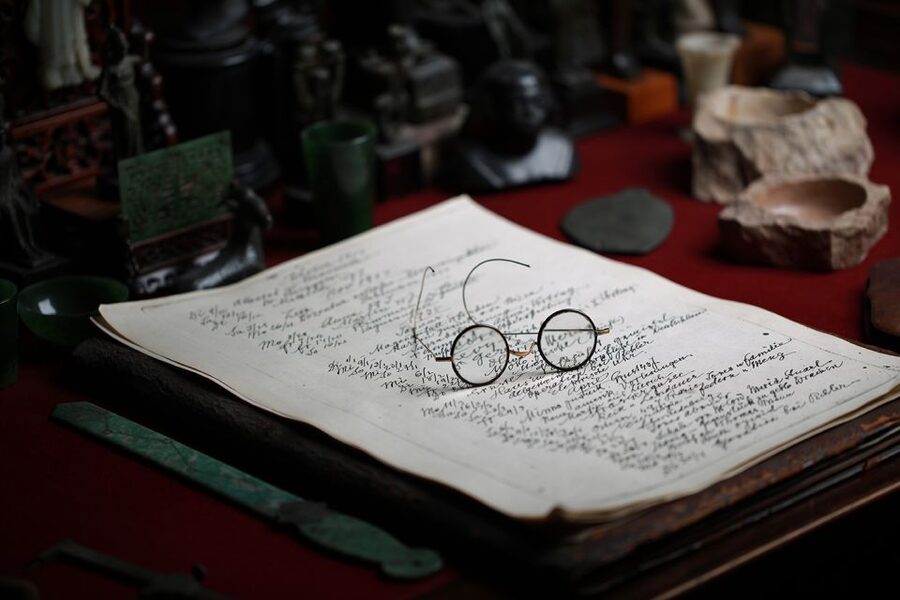
Freud’s life gets real when you walk into his rooms. This ticket lets you see Sigmund Freud’s Study and the famously preserved couch, plus Anna Freud’s spaces tied to child psychoanalysis. I especially love how the museum turns objects into stories, from Freud’s desk and antiquities to the unusual chair made for his favorite posture.
The downside to plan for is simple: the free audio guide needs your phone and headphones, and headphones are not included. If you forget them, you will still visit, but you lose the easiest way to follow along.
In This Review
- Key Things to Know Before You Go
- Walking Through Freud’s London Home, Not a Museum Script
- Where To Start: Enter Through the Shop, Back of the House
- Freud’s Study: His Couch, His Desk, His Way of Sitting
- The couch that people travel for
- Freud’s desk and his favorite antiquities
- The chair built for his posture
- Dining Room: Family Story Meets the Birth of an Idea
- Anna Freud’s Rooms: Child Psychoanalysis, Not Just Family History
- Her couch and collections
- The Dalí portrait and the London 1938 link
- The Film: 20 Minutes That Put Names to the Rooms
- The Peaceful Garden: A Real Reset After the Rooms
- Audio Guide Reality Check: Bring Your Phone and Headphones
- Price and Value: $19 That Feels Like More Than a Quick Look
- Who This Ticket Fits Best
- Should You Book the Freud Museum London Entry Ticket?
- FAQ
- How long is the Freud Museum London visit?
- What is included with the entry ticket?
- Do I need headphones for the audio guide?
- Where do I enter the museum?
- What can I see in Sigmund Freud’s Study?
- Is Anna Freud’s work included in the visit?
- Can I cancel for a refund?
Key Things to Know Before You Go
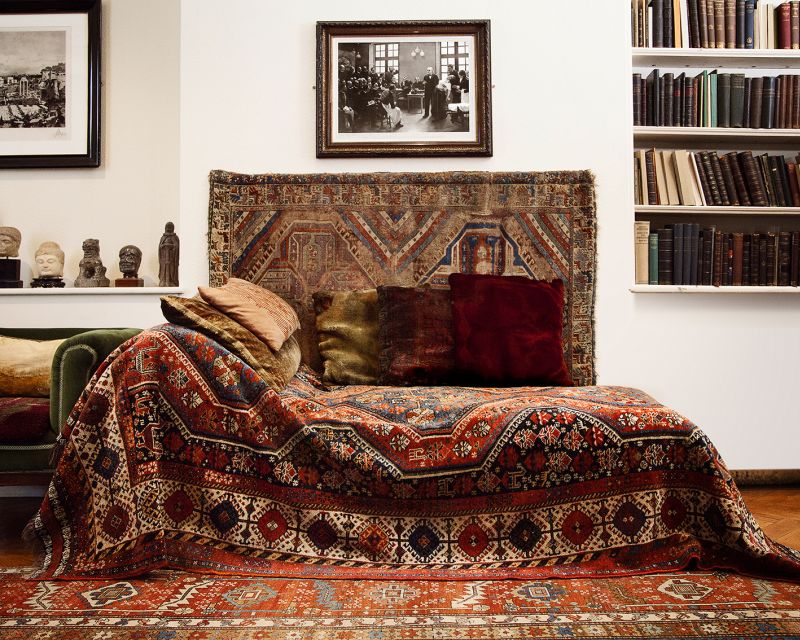
- Sigmund Freud’s couch is preserved in his Study, not a copy.
- Freud’s desk and favorite antiquities help you picture how he worked.
- The anthropomorphic chair was built for Freud’s preferred seating posture, legs over one arm.
- Anna Freud’s Room highlights her pioneering child psychoanalysis work, with her couch and collections.
- A 20-minute film includes voiceovers from Anna Freud and a rare recording from Sigmund Freud.
- Salvador Dalí’s portrait of Freud connects the family story to a surrealist artist and their London meeting in 1938.
Other museum and gallery tours we sat through
- Frameless – Immersive Art Experience in London
★ 4.5 · 3,660 reviews - London: Entry Ticket to Frameless Immersive Art Experience
★ 4.7 · 2,923 reviews - London: British Museum Guided Tour
★ 4.3 · 1,182 reviews
Walking Through Freud’s London Home, Not a Museum Script
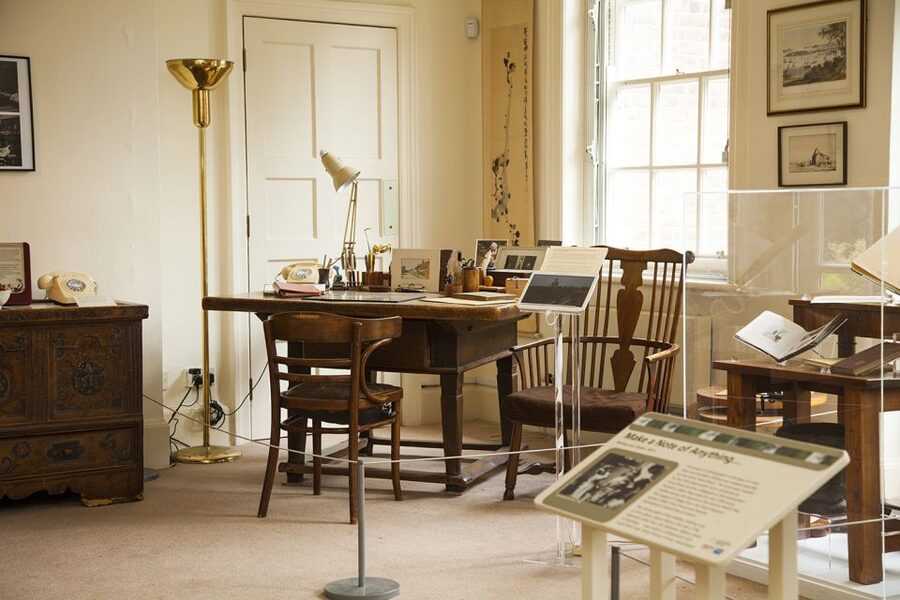
I like museums that feel like you found something private and specific, not just a pile of artifacts behind glass. The Freud Museum London is exactly that kind of place. You are visiting the final home of Sigmund Freud and his daughter Anna Freud, so the atmosphere has a calm, lived-in quality. It is also emotionally strange in a good way, because the rooms are arranged around the people, not around generic display panels.
Two parts of this experience really made me pay attention. First, the Sigmund Freud’s Study setting, with his original couch and the desk where he kept favorite antiquities. Second, Anna Freud’s rooms, because her space does not read like a footnote to her father. It reads like a workroom with purpose, tied to her pioneering work on child psychoanalysis.
One practical consideration: this is a self-guided experience with a free audio guide. The museum includes admission, and it even offers a free tour from Thursday through Saturday at 2pm, but the standard experience still leans on listening. If you do not come with headphones, you will feel it.
Where To Start: Enter Through the Shop, Back of the House
Getting oriented matters here because the museum layout is intimate. Your meeting point is at the back of the house, and you enter through the shop. That matters because you can arrive thinking you will walk in like a normal landmark, when in fact you start in a more “through the back way” rhythm.
A good move: when you enter, quickly check where the audio guide station and your route start. Then commit to a simple flow. You are going to spend real time in the Study, then shift to dining and Anna Freud’s spaces, and finish with the garden. Trying to zigzag will break the spell.
Freud’s Study: His Couch, His Desk, His Way of Sitting
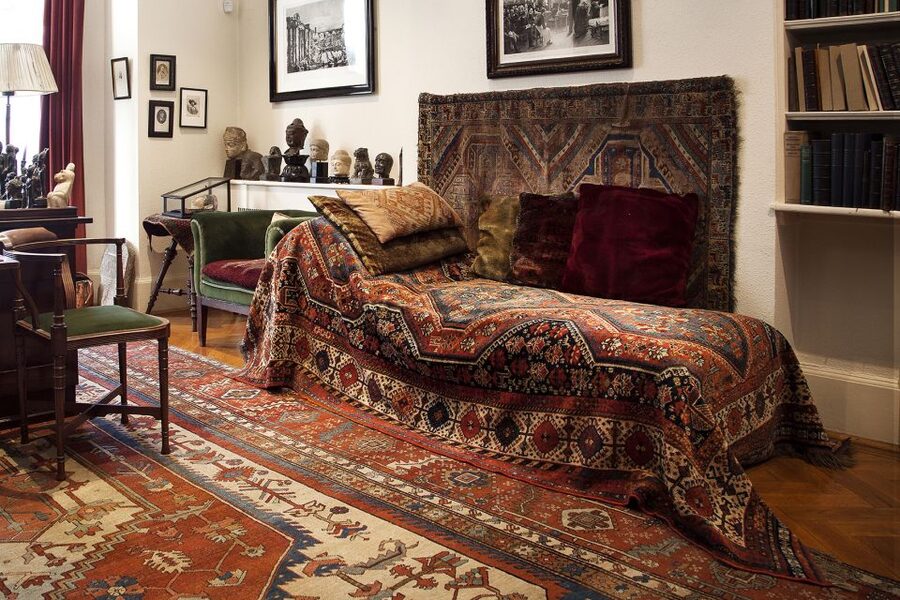
If you only care about one thing, make it this room. Sigmund Freud’s Study is the main event, and it is set up to move you through his working life. You do not just see the famous couch. You get a sense of the room as a system, where furniture, posture, and objects are tied together.





The couch that people travel for
The world-famous psychoanalytic couch is preserved as Freud left it. That preservation detail changes the experience. You are not looking at a “theme prop.” You are seeing a real artifact in its intended context, which makes the room feel quietly intense.
Even if psychoanalysis is not your thing, the couch still works as a design and human story. It is about how people chose to sit, speak, and be heard in that era. That single object gives you a way in.
Freud’s desk and his favorite antiquities
Next, you can look at Freud’s desk, including where he placed his favorite antiquities. The lesson here is that ideas do not live in a vacuum. They sit beside personal interests, habits, and collecting. You can read this as an invitation to pay attention to details, because the museum’s emotional power comes from the specifics.
The chair built for his posture
Then there is the unusual anthropomorphic chair designed especially for Freud. The key detail is his preferred seating posture: having his legs over one arm. I love that they include this information because it turns the chair from odd furniture into a story about comfort and routine.
It also gives you a practical takeaway for your visit. When you look at the chair, do not just notice its shape. Notice how human needs shaped the room. That turns psychoanalysis from an abstract term into a set of choices made in a physical space.
Dining Room: Family Story Meets the Birth of an Idea
When you move from the Study to the Dining Room, the vibe shifts from intimate working space to family narrative. You learn about Freud’s family story and the story of psychoanalysis. This is one of those moments where the museum helps you connect objects to people.
Why this matters: a lot of visitors come expecting Freud the theorist. But the museum keeps reminding you that theory grows out of relationships, loss, work, and time. Even if you are not reading every label, you can feel the intention. The rooms work like chapters.
Anna Freud’s Rooms: Child Psychoanalysis, Not Just Family History
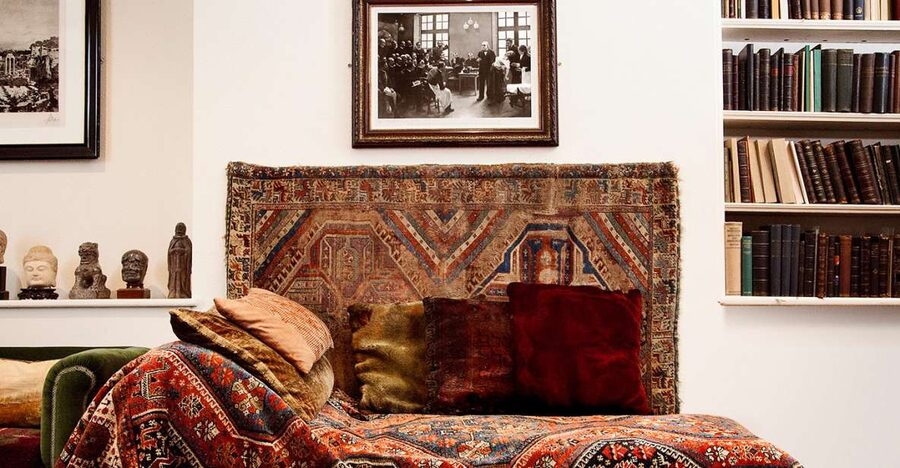
Anna Freud’s Room is a strong reason to book the ticket even if you are only mildly curious about psychoanalysis. It is not presented as a secondary stop. It is presented as her pioneering work on child psychoanalysis, with her couch and collections.
The most useful way to approach this room is to treat it as its own story. Freud the founder is one chapter, but Anna’s space has a different tone. It feels more focused on development and care, which changes how you interpret the couch and the rooms you saw earlier.
Her couch and collections
You can see her couch and her collections, which adds a personal dimension. This is not only about grand ideas. It is also about daily environment, like how someone organizes the tools of their work.
The Dalí portrait and the London 1938 link
Alongside Anna’s Room, you will see a portrait of Sigmund Freud by the famous surrealist Salvador Dalí. It is a visually striking connection between psychoanalysis and the art world. You can also learn about their meeting in London in 1938 in Professor Ades’ article on Dalí’s sketches of Freud.
Even if you do not know Dalí, the point is clear. Freud’s influence was cultural, not just clinical. A portrait in a private home makes that feel unusually close.
The Film: 20 Minutes That Put Names to the Rooms
In the next room, you can watch a film about the Freud family. It runs about 20 minutes. If you only have limited time, this is where you might decide to invest your focus, because the film pulls together voice and footage across places and eras.
Here is what makes it special based on what the museum includes:
- voiceovers from Anna Freud
- a rare recording from an interview with Sigmund Freud
- footage from Vienna and London
That mix is powerful because it brings the rooms into motion. You stop thinking of the museum as a still snapshot and start thinking of these people across time and distance. If you are a listener type, the audio guide plus film is a good pairing. If you are a visual learner, the film can help you understand the family timeline without scanning every panel.
The Peaceful Garden: A Real Reset After the Rooms
After the indoor rooms, spend time in Freud’s peaceful garden. This is a quiet payoff, and I recommend treating it like part of the experience, not a leftover stop.
A garden works because it gives your brain a place to land after emotional subject matter. You get to walk, breathe, and re-center. It also helps you remember that these were real living spaces, not staged exhibits.
Audio Guide Reality Check: Bring Your Phone and Headphones
The audio guide is included, but headphones/phone are not. The museum specifically asks you to bring your phone and headphones to listen to the free audio guide.
So here’s my practical advice:
- Pack headphones you already trust, the kind that work well indoors.
- Make sure your phone battery is solid.
- If you need to choose, use the audio guide most heavily in the Study and Anna Freud’s rooms, where the details matter most.
If you show up without headphones, you can still see everything, but you will miss the easiest way to connect object to story. For a ticket at this price point, that audio experience is part of the value.
Price and Value: $19 That Feels Like More Than a Quick Look
At about $19 per person for a 1-day visit, the value comes from focus. You are paying for access to specific, irreplaceable rooms: the Study with the couch, plus Anna Freud’s spaces, plus the film and the garden.
This is not a “walk through generic exhibits and move on” kind of stop. The museum is built around a handful of high-impact rooms, and the audio guide helps you get more out of each one. For many visitors, the Study alone is worth the ticket because the objects are preserved in context.
If you only have time for one museum-style stop in London that feels personal and unusual, this is one of the better bets for the money.
Who This Ticket Fits Best
This experience is a great match if you like:
- small, focused museums with real atmosphere
- architecture and objects with personality
- human stories behind famous ideas
- audio plus visual story moments
It may be less satisfying if you want only action, big crowds, or constant new surprises every ten minutes. The pace is calmer. You are meant to sit with the Study and the family spaces and let the meaning build.
Should You Book the Freud Museum London Entry Ticket?
I think you should book if you want a London experience that feels specific, not copy-paste. The preserved Sigmund Freud’s Study and Anna Freud’s rooms give you two different but connected perspectives on psychoanalysis. Add the Dalí portrait connection and the 20-minute film with rare recordings, and the ticket becomes a full, memorable afternoon or morning.
Skip it only if you hate quiet museums, need constant thrills, or you do not want to use a phone-based audio guide. If you can bring headphones and give yourself time to linger, this is a high-return visit.
FAQ
How long is the Freud Museum London visit?
The ticket is valid for 1 day, so you can spend as long as you like within that timeframe.
What is included with the entry ticket?
Admission is included, along with a free audio guide. A free tour is also included from Thursday through Saturday at 2pm.
Do I need headphones for the audio guide?
Yes. Headphones are not included. You should bring your phone and headphones to listen to the free audio guide.
Where do I enter the museum?
Go to the back of the house and enter through the shop.
What can I see in Sigmund Freud’s Study?
You can spend time in Freud’s Study, including Freud’s couch, his desk with favorite antiquities, and an anthropomorphic chair designed for his preferred seating posture.
Is Anna Freud’s work included in the visit?
Yes. You can visit Anna Freud’s Room, which covers her pioneering work on child psychoanalysis, and you can see her couch and collections.
Can I cancel for a refund?
You can cancel up to 24 hours in advance for a full refund.
Museums and Galleries, Keep Going
- Frameless – Immersive Art Experience in London★ 4.5 · 3,660 reviews
- London: Entry Ticket to Frameless Immersive Art Experience★ 4.7 · 2,923 reviews
- London: British Museum Guided Tour★ 4.3 · 1,182 reviews
- Official tickets: Moco Modern & Contemporary Art Museum★ 4.5 · 1,157 reviews
Fresh off the London review pile




London Museums & Galleries, compared.
 ★ 4.5Frameless – Immersive Art Experience in LondonFrom $383,660 reviews
 ★ 4.7London: Entry Ticket to Frameless Immersive Art ExperienceFrom $372,923 reviews
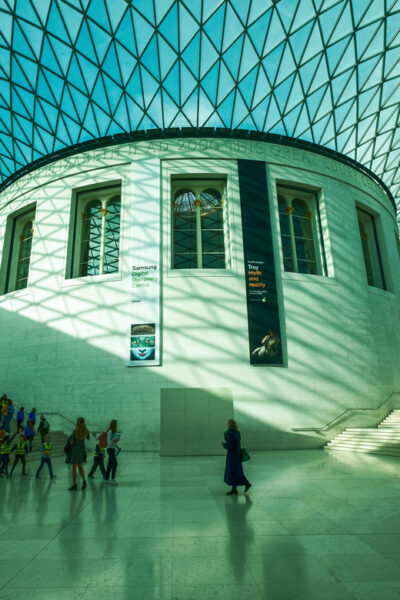 ★ 4.3London: British Museum Guided TourFrom $231,182 reviews
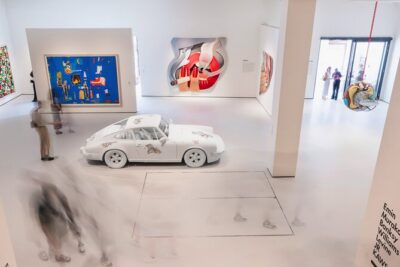 ★ 4.5Official tickets: Moco Modern & Contemporary Art MuseumFrom $361,157 reviews
 ★ 5.0British Museum London Guided Tour Semi-Private 8ppl MaxFrom $108984 reviews
 ★ 4.1London: Tour of the British MuseumFrom $14678 reviews
 ★ 4.5London: British Museum Audio Tour & Priority Entrance TicketFrom $9631 reviews
 ★ 5.0The British Museum London – Exclusive Guided Museum TourFrom $108555 reviews
Also filed under