
REVIEW · JACK THE RIPPER & VICTORIAN CRIME WALKS
London: Jack the Ripper Museum Tickets
Six floors of Jack the Ripper reality. I love the victim-focused storytelling and the way the museum shows original-style artifacts like the Ripper letters and police evidence boards. One fair heads-up, it is a small museum, so if you want a long, deep, hour after hour guided program, you may blaze through faster than you expect.
This place works because it mixes recreated spaces with period details you can actually look at. I especially like the room-by-room audio and the eerie moments, like the singing you hear upstairs in the attic room, plus the creepy basement mannequins.
The only real “watch your step” consideration is content. The museum includes a morgue room with actual autopsy photos and reports about the nine murders, so if you do not want graphic material, plan to skip or pace that section carefully.
In This Review
- Key things that make this ticket worth your time
- Where Jack’s story starts at 12 Cable Street
- Tickets, pricing, and what the $18.86 buys you
- Step into Mitre Square and the waxwork of P. C. Watkins
- The sitting room: medical instruments, letters, and the Sickert drawing
- Whitechapel Police Station: evidence boards and the From Hell and Dear Boss letters
- Mary Jane Kelly’s attic room: the domestic side of tragedy
- The morgue room: autopsy photos and the reports tied to nine victims
- How long to plan, and why pacing is part of the experience
- What you’ll notice most as you walk the floors
- Who should book this Jack the Ripper Museum ticket
- Should you book the Jack the Ripper Museum ticket?
Key things that make this ticket worth your time
- Six floors of Ripper scenes, from Mitre Square to the morgue
- Recreated Whitechapel Police Station with evidence boards, letters, and police artifacts
- Mitre Square waxwork of P. C. Watkins discovering Catherine Eddowes
- Jack’s sitting room full of period items, including Walter Sickert’s original drawing signed in red ink
- Attic recreation of Mary Jane Kelly’s bedroom, with domestic photos and small household possessions
- Morgue room featuring real autopsy photos and the associated reports
Other Whitechapel walks at the same dark hour
- London: The Original Jack the Ripper Walking Tour
★ 4.7 · 7,833 reviews - London Jack the Ripper Guided Tour with Ripper-Vision
★ 4.5 · 4,840 reviews - London: Jack the Ripper Small Group Tour
★ 4.7 · 3,159 reviews
Where Jack’s story starts at 12 Cable Street
Your visit begins at Jack the Ripper Museum, 12 Cable Street, London E1 8JG. This is right in the East London orbit where the 1888 murders are tied to the Whitechapel area, and the location gives the whole experience a grounded feeling. The entrance is simple, and you get in fast.
For getting there, the nearest underground and rail stations listed are Tower Gateway, Tower Hill, and Aldgate East. If you are coming from central London, Tower Hill and Aldgate East are usually the easiest pull, but pick the one that fits your day plan.
One practical note: because this is set up as a multi-floor museum experience, you will spend more time on foot inside than you might for a quick one-room exhibit.
Tickets, pricing, and what the $18.86 buys you
The ticket price is $18.86 per person. On value, I think this is fair because you are not just buying entry to one display. You are buying access to six floors with multiple recreated scenes, evidence displays, and rooms that lean into storytelling through props, documents, and audio. If you are the kind of person who reads all the labels and pauses when something catches your eye, this price stretches.
Duration-wise, your ticket is valid for 1 day, and you should check availability to see starting times. That matters because the museum is not just “walk in whenever.” Plan your day around a start time so you are not rushing while you try to take things in.
Also, transportation is not included. So budget a short transit ride or a walk from wherever you are staying.
A couple of quick “know before you go” notes that can save your day: the museum is closed on Christmas Day. And if you are accompanying a disabled person, the accompanying person receives free entrance.
Step into Mitre Square and the waxwork of P. C. Watkins
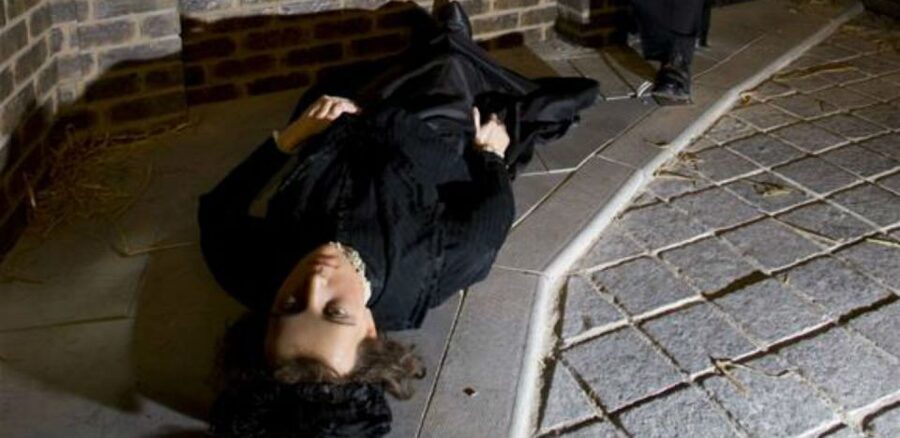
The first strong impression is Mitre Square. You go in and immediately get the 1888 setting, with a realistic waxwork recreation of P. C. Watkins discovering the body of Catherine Eddowes.
This room matters because it sets the tone without requiring you to know every name or date ahead of time. You get a visual anchor, and then the museum can build from there into evidence, suspects, and victims’ lives.
If you like true crime in the hands-on way, you will probably enjoy how the display turns a headline moment into something you can “stand next to.” It is not only about shock. It is about how the investigation actually begins.





The sitting room: medical instruments, letters, and the Sickert drawing
Next, you meet the murderer, or at least the mythology of him, in Jack the Ripper’s sitting room. This is the room where the museum leans into objects and theories.
You can see medical instruments, books, maps, letters, and a collection of Victorian Ripper memorabilia. One item that gets singled out as a highlight is Walter Sickert’s original drawing of the body of a woman on a metal bed, signed in red ink.
Why I think this room is especially useful for visitors: it does not just point at one suspect. It shows how the narrative grew through drawings, documents, and the cultural obsession that followed. It helps you understand why Jack the Ripper stays unsolved in the public imagination long after 1888.
Whitechapel Police Station: evidence boards and the From Hell and Dear Boss letters
Then you move into Whitechapel Police Station, presented as a recreation of the investigation’s epicenter. This is where the museum switches from scenes to materials: evidence presented on crime scene boards, original newspapers, and police artifacts.
Two famous letters are displayed here: From Hell and Dear Boss. Seeing them in a police-adjacent setting does more than add drama. It reinforces that these claims and messages landed in a real world where authorities were trying to sort facts from fear.
The display also includes a whistle associated with P. C. Watkins. The museum notes that the whistle he blew to call for help, along with his notebook, handcuffs, and truncheon, are displayed publicly for the first time. If you like “how did they work the scene” details, this is one of the most tangible sections.
There is also a “detectives” feeling in this part of the museum, with the kind of structured presentation that makes you slow down and read. In past visits, people have enjoyed this setup and the way it links clues to spaces.
Mary Jane Kelly’s attic room: the domestic side of tragedy
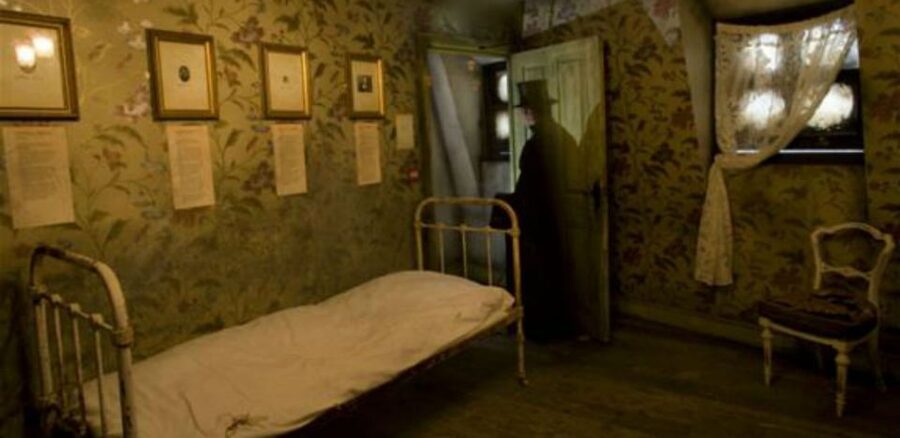
Up in the attic, you see Mary Jane Kelly’s bedroom, recreated as the scene of the Ripper’s most horrific murder. The museum includes more than just set dressing.
You get a sense of how her life looked through domestic items: domestic photographs of Kelly and her family, boots and bonnets, a metal-framed bed with a straw mattress, and the small, meager possessions of poor Victorian East End women.
This is also where the museum’s emotional focus comes through. A lot of exhibits about famous crimes skip the daily lives. Here, the room structure nudges you to think about what the victims had beyond the headlines.
Audio helps too. People note that the attic room includes haunting sound, including a singing voice through the speaker upstairs. It is not loud or jump-scare style, but it is unsettling in a slow, lingering way, which fits the theme without feeling like cheap horror.
The morgue room: autopsy photos and the reports tied to nine victims
If you are okay with dark subject matter, the morgue room is the part most visitors remember. It is presented so you can study actual autopsy photos and read reports describing the mutilation and murder of nine women.
This is where you should decide how you want to experience it. For some people, reading the reports and studying the photos is the point, and it feels like documentary work. For others, it can be hard to take in.
My advice: go in with a plan to keep your pace. Spend as much or as little time as you need. If you feel yourself getting overwhelmed, step back and move on. You are not graded on how long you stare at difficult imagery.
Also, in reviews people mention the basement area with mannequins that add to the creep factor. That lines up with the museum’s overall use of sensory atmosphere to make the period feel real.
How long to plan, and why pacing is part of the experience
This museum is not huge in square footage, but it can still take time. People often report taking about 45 minutes if they move briskly, and up to around an hour and a half if they read everything and linger.
What helps you decide: the museum uses audio and room sound effects, and the displays are set up so you will naturally stop at evidence boards, documents, and the big story rooms. If you tend to skim, you will go faster. If you read, you will slow down.
Plan for 60 to 90 minutes as a comfortable window, especially if you want to see multiple rooms without feeling rushed.
What you’ll notice most as you walk the floors
The museum’s design is tight and purposeful. Several aspects tend to land with visitors:
- Audio in each room: it adds atmosphere and helps guide your attention.
- Victim-focused interpretation: the women are not treated like background.
- A mix of recreation and real-world artifacts: waxwork scenes, evidence boards, letters, and more concrete objects.
- Rooms with clear themes: police investigation, suspect mythology, domestic life, and finally the morgue.
One practical upside: because it is a self-guided walk through rooms, you can control your pace. If a room hits you hard, you can step out of it and come back later, as long as you still keep your start time in mind.
Who should book this Jack the Ripper Museum ticket
I’d book this if you like any of these:
- True crime history, especially the 1888 Whitechapel story
- Visitors who enjoy historical props and documents rather than only big lecture halls
- People who want an experience that feels theatrical but still grounded in objects, evidence, and names
- Fans of horror-themed museums who can handle graphic topics
It may not be the best fit if:
- You want a gentle, light museum visit
- You do not want to see autopsy photos or read reports about serious injuries and death
- You are looking for a long guided day. This is a smaller site, so manage expectations about time.
Families can enjoy it, and some visitors have said children liked the visit. That said, because the morgue content is graphic, I would only bring younger kids if they are comfortable with dark history and you are prepared to adjust pacing.
Should you book the Jack the Ripper Museum ticket?
I think you should book it if you want a compact, East London experience that mixes recreated scenes with evidence-like displays and a strong focus on the victims. At $18.86, it offers good value for a multi-floor museum entry where you can take your time.
Book it sooner rather than later if you are visiting around peak dates, since you should check available starting times. And if you are sensitive to disturbing imagery, treat the morgue room as optional and pace yourself.
If your idea of a great London afternoon is dark history done in a hands-on, room-by-room way, this ticket is a solid choice.
Ripper Walks and Victorian Crime
- London: The Original Jack the Ripper Walking Tour★ 4.7 · 7,833 reviews
- London Jack the Ripper Guided Tour with Ripper-Vision★ 4.5 · 4,840 reviews
- London: Jack the Ripper Small Group Tour★ 4.7 · 3,159 reviews
- London Jack The Ripper Guided Walking Tour★ 5.0 · 3,131 reviews
Fresh off the London review pile


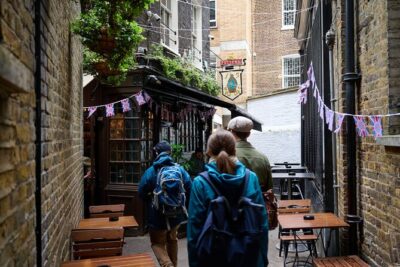
Jack the Ripper & Victorian Crime Walks, compared.
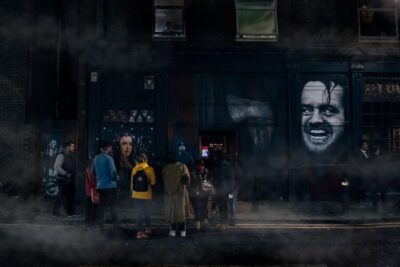 ★ 4.7London: The Original Jack the Ripper Walking TourFrom $257,833 reviews
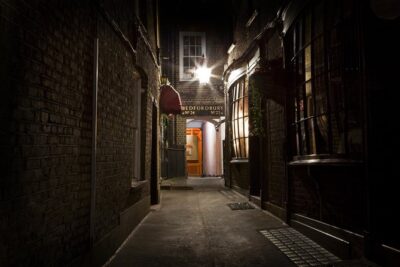 ★ 4.5London Jack the Ripper Guided Tour with Ripper-VisionFrom $274,840 reviews
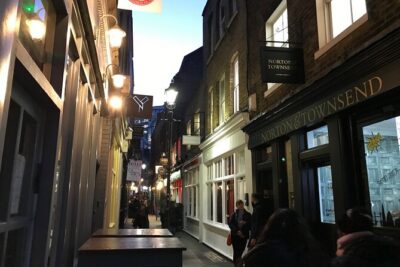 ★ 4.7London: Jack the Ripper Small Group TourFrom $263,159 reviews
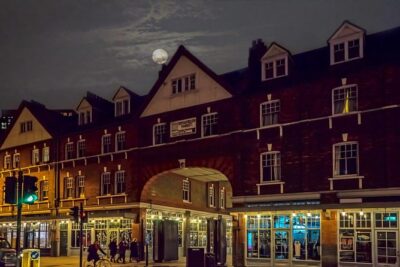 ★ 5.0London Jack The Ripper Guided Walking TourFrom $03,131 reviews
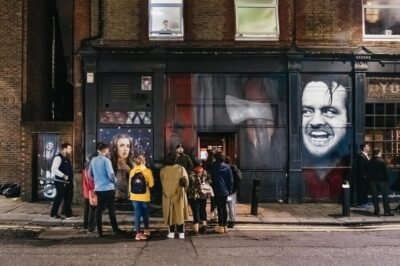 ★ 4.6German Language : Original Jack the Ripper TourFrom $241,805 reviews
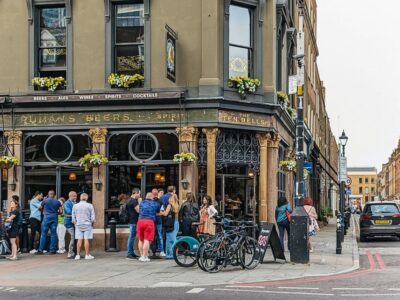 ★ 4.5London: Jack the Ripper Walking Tour – Ripper Vision ToursFrom $261,752 reviews
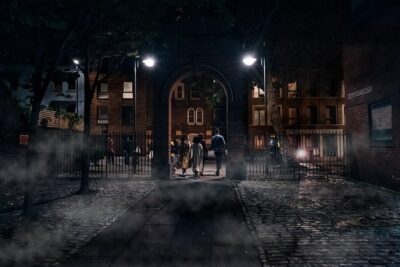 ★ 5.0Ultimate Jack the Ripper : Guided Tour of LondonFrom $271,495 reviews
 ★ 4.9London: Jack the Ripper Evening Walking TourFrom $331,449 reviews
Also filed under