
REVIEW · LONDON MUSEUMS & GALLERIES
London: Natural History Museum Entry Ticket and Guided Tour
Dinosaur bones have a way of grabbing you fast. This 1-hour Natural History Museum tour turns a huge building into a clear route, with your guide pointing out the stories behind the most famous sights, including the Hintze Hall giants.
What I like most is the way the hour stays focused, not random. I also like that you get live answers from the guide, and in the best cases, that turns into a mini Q and A where you leave with a short list of what to see next on your own. The main drawback is the time limit, so you might feel slightly rushed if you want to linger, especially with very young kids.
In This Review
- Key takeaways before you go
- Meeting at South Kensington: find your guide without stress
- The Natural History Museum in 1 hour: a smart sprint
- Central Hall and the Diplodocus effect
- Hintze Hall: the blue whale and dinosaur giants
- Volcanoes and Earthquakes: planet science made human
- Evolution gallery: diversity of life on Earth
- Minerals, gems, and butterflies: the precision side of nature
- Wildlife Garden: a calmer reset with birds and bees
- Headsets and express security: why this package is practical
- Price and value: what $76 is really paying for
- The guide experience: what makes it work in real life
- Timing, pacing, and what you should do after
- Wheelchair accessible: easier movement than you might expect
- Who should book this Natural History Museum guided tour
- Should you book this Natural History Museum guided tour?
Key takeaways before you go
- Express security check saves real time at a busy museum
- Hintze Hall highlights include the blue whale skeleton and major dinosaur displays
- A curated highlight route covers geology, evolution, minerals, and butterflies
- Question-friendly guiding with tips on what to return for after the tour
- Headsets if needed help you follow along in crowded galleries
Other museum and gallery tours we sat through
- Frameless – Immersive Art Experience in London
★ 4.5 · 3,660 reviews - London: Entry Ticket to Frameless Immersive Art Experience
★ 4.7 · 2,923 reviews - London: British Museum Guided Tour
★ 4.3 · 1,182 reviews
Meeting at South Kensington: find your guide without stress
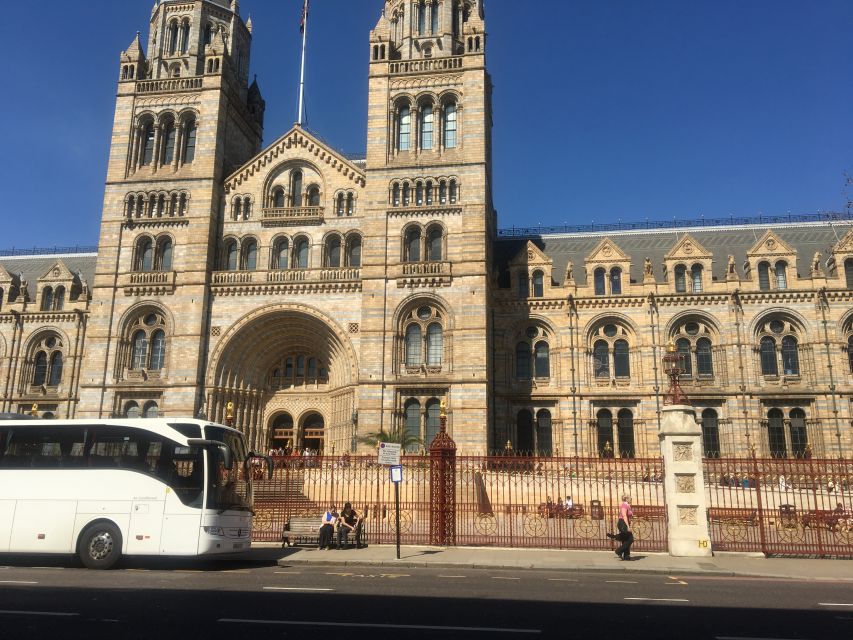
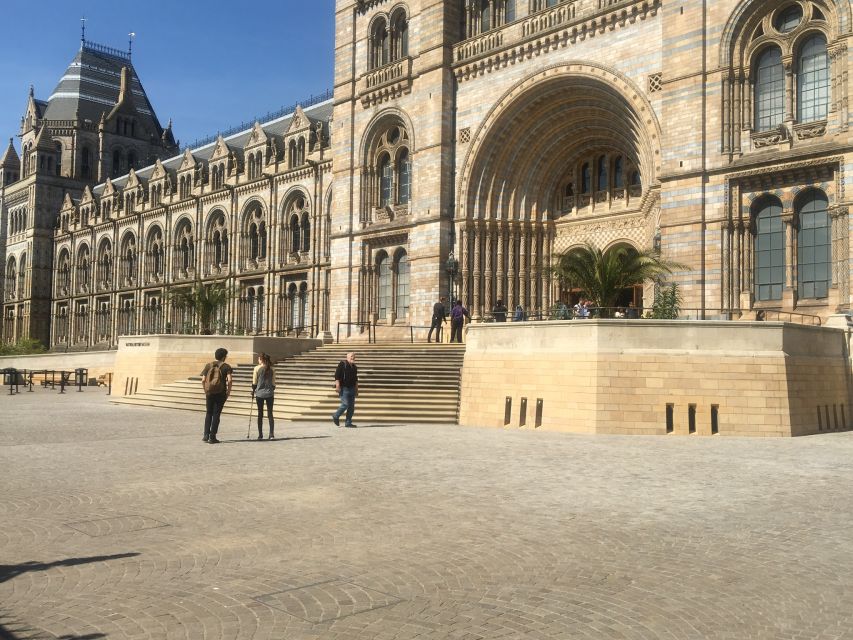
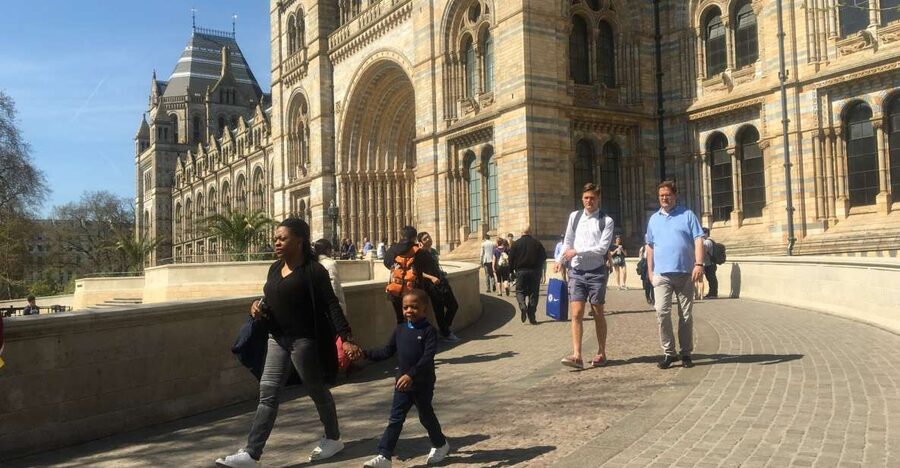
You meet near South Kensington at the Natural History Museum area. The directions given are specific: take the exit for the Natural History Museum Ismaili Centre exit, then meet your tour guide at the metal plate labeled The Royal Borough of Kensington and Chelsea on Exhibition Road SW7.
Practical tip: arrive a bit early and pause outside the museum entrance area so you can actually match what you see on the street to the meeting description. One thing that can cause delay is not confirming the exact street marker, so give yourself a small buffer.
The Natural History Museum in 1 hour: a smart sprint
This is built as a short orientation tour, not a slow museum day. Expect a guided route through the museum’s standout halls, with a steady pace that aims to hit the “wow” rooms and explain what you’re looking at. At one hour, the goal is to help you prioritize, so your independent time afterward feels effortless.
You’ll also get reservation ticket access as part of the experience, plus express security so you can skip some waiting. That matters here because the Natural History Museum can feel like a crowd map. If you only have a limited window in London, this kind of guided highlight run is a good way to avoid spending your visit in line.
Central Hall and the Diplodocus effect
One of the first big-name moments you’ll hit is the Diplodocus skeleton in the Central Hall. Even if you’ve seen photos, nothing prepares you for standing under a long-necked dinosaur built from real fossil bones and real scale.
Why this stop works on a guided tour: your guide doesn’t just point it out. You get context about what you’re seeing and how paleontology connects to how scientists reconstruct life from fragments. The time payoff is that this early “anchor” exhibit gives you a sense of the museum’s logic, so later rooms feel less like separate attractions and more like one big story about Earth and life.





Hintze Hall: the blue whale and dinosaur giants
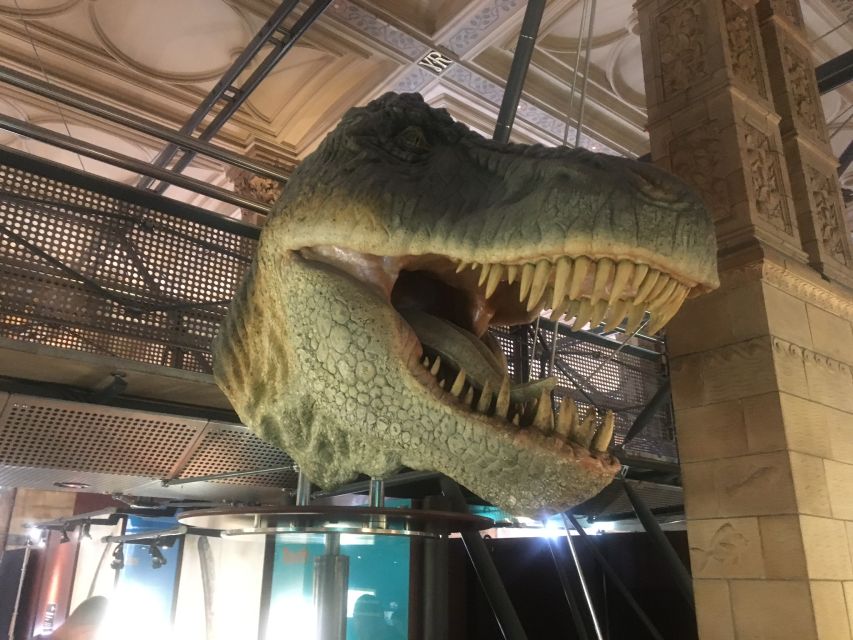
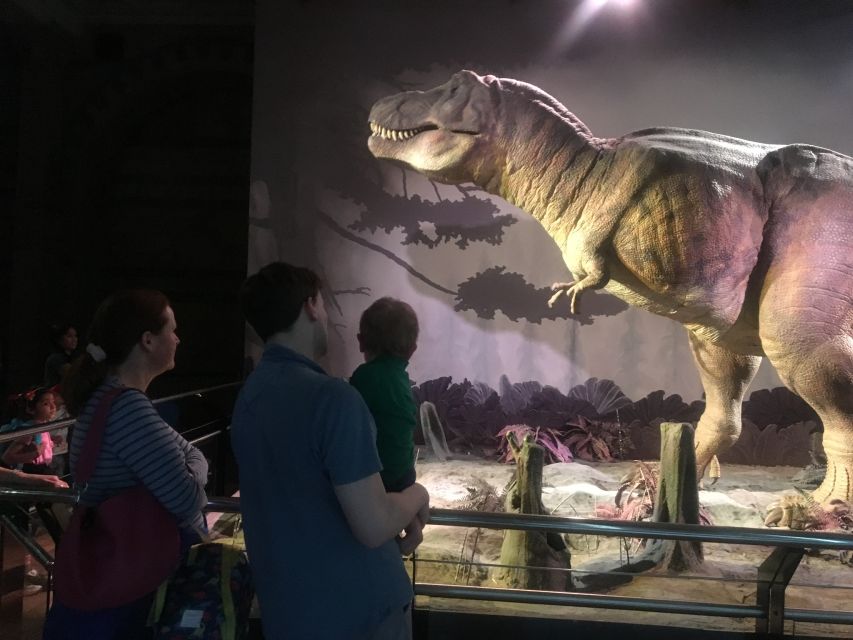
If you remember one place from this tour, make it Hintze Hall. It’s where the museum goes full wow. The guide brings you to major dinosaur skeleton displays and also to the standout blue whale skeleton, listed as 82 feet (25 meters) long.
Here’s how to get the most from this room during a short tour:
- Look up first to catch the overall shape, then follow your guide’s points for details.
- If you’re with kids, focus on the sheer scale first, then let questions lead you to smaller specifics.
This is also the kind of gallery where your eyes keep moving and your brain keeps recalibrating. A good guide helps you switch from surprise to understanding fast, which is exactly what you want when you only have an hour.
Volcanoes and Earthquakes: planet science made human
Next comes the science of Earth itself, with a stop connected to the Volcanoes and Earthquakes Gallery. This is where you learn about the restless side of our planet: why earthquakes happen, what volcanism reveals, and how geological processes shape the world over time.
In a quick tour format, this matters because it connects the museum’s “wow” specimens to real explanations. Instead of treating dinosaurs, gems, and fossils like separate facts, you start seeing a framework. That framework makes the rest of your visit easier to navigate, because you know what kind of lesson you’re looking for in each room.
Evolution gallery: diversity of life on Earth
You’ll also visit areas tied to the Evolution collection, with focus on how life diversified over time. This part of the tour is valuable even if you already know the basics, because your guide can turn the visuals into a cleaner explanation of what evolution means in real, physical terms.
The Evolution room also serves a practical purpose. After seeing large-scale dinosaurs and dramatic Earth forces, you get a shift from “planet events” to “living change.” That pacing keeps the tour from feeling like a list of categories. You leave with a more connected mental map of what the museum is teaching.
Minerals, gems, and butterflies: the precision side of nature
Not every highlight has to be huge. You’ll be guided through displays connected to minerals and gems, where the shapes, structure, and details of natural materials turn into a kind of science art. The provided description calls out the intricate designs in minerals and gems, and that’s exactly what makes this stop work: it’s detailed, tactile-looking, and it slows you down just enough.
You’ll also see the butterfly collection, described as intricately detailed. Butterflies are a smart inclusion in a highlight tour because they offer a different kind of “awe,” one that rewards close looking even when time is tight. If you love patterns, color, and small-scale beauty, this is where the tour gives you variety without running out of time.
Wildlife Garden: a calmer reset with birds and bees
One of the nicest surprises in a guided museum visit is having a more open, real-life feeling stop. The tour includes the Wildlife Garden, described as a haven for birds, bees, and other animals.
This matters because it breaks the all-indoor rhythm. After fossil bones and gallery explanations, stepping into a space tied to living wildlife gives your eyes and brain a breather. It also changes the tone from science lecture to observation, so even if you’re moving quickly through the museum, this part gives you a moment to slow down naturally.
Headsets and express security: why this package is practical
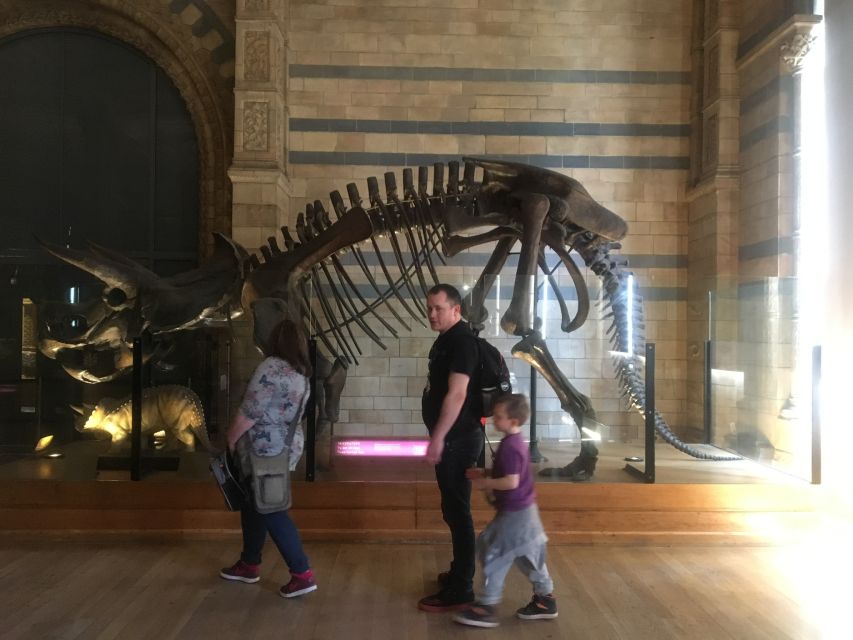
Your tour includes headsets if needed, plus an express security check. That combination is easy to underestimate until you’re standing in a long line or trying to hear a guide over crowd noise.
In practice, headsets make a short tour actually usable. With only one hour, you do not have time to keep guessing what your guide just said. And skipping slower security lines means you spend your energy looking at exhibits instead of waiting.
So yes, you pay more than you would for a basic entry. But you’re buying time efficiency and a guided filter, which is what a museum like this needs if you only have one shot at the highlights.
Price and value: what $76 is really paying for
The price listed is $76 per person for an experience that includes a guide, a reservation ticket, and potential headsets, plus the express security advantage. Food and drink are not included, and transportation is not included, so you’re budgeting that separately like you would for any London outing.
Is it good value? For the right visitor, yes, because you’re not just paying to see famous exhibits. You’re paying to:
- get a clear route through a large building
- avoid time loss at security
- get explanations that help you understand what you’re seeing
- leave with suggestions on what to revisit after your tour
If you already love museums and you have a full day, you might not need this. But if your time in London is tight, or you want an efficient, story-driven overview, this format is a strong use of money.
The guide experience: what makes it work in real life
The tour uses an English live guide, and the standout pattern in the feedback is how much people appreciated the guide’s interaction. Many mentions point to a guide named Paul, praised for friendliness and for handling questions. One review highlights that Paul answered a large number of questions when the group asked a lot. Another notes that the guide covered key stops within the time given and offered hints about what to return to later.
There’s also proof this isn’t a one-size-fits-all delivery. One participant mentioned Paul being understanding about a knee brace and making sure the person could still enjoy the rooms. That kind of practical care matters, because it changes the tone from “tour as performance” to “tour as support.”
One more helpful nuance: a comment suggests guided tours like this are better with older children, not toddlers. So if you’re traveling with very small kids, consider whether your group can handle a fast-paced, information-heavy hour.
Timing, pacing, and what you should do after
Because the tour is only one hour, it’s smart to plan your day around it. Think of the guided hour as your museum orientation. Afterward, use your mental shortlist to go back to the exact rooms that caught your attention. The guide’s explanations often help you decide what’s worth a second visit, especially for detailed displays like minerals, gems, and butterflies.
Also, if you’re the type who loves taking photos, decide in advance what you’ll prioritize. Hintze Hall and Central Hall are the obvious anchors. The other rooms are where you might want close inspection, so keep your camera ready but don’t let it steal the full experience.
Wheelchair accessible: easier movement than you might expect
This experience is listed as wheelchair accessible, which is a strong point if mobility is part of your planning. In a museum with lots of attention to accessibility options, having a guide can also help you navigate crowds and maintain a steady route without constantly recalculating your path.
Who should book this Natural History Museum guided tour
This tour is a good fit if you want:
- the museum highlights in a short, organized visit
- a guide to turn big objects into clear explanations
- a route that covers geology, evolution, minerals, butterflies, and a living outdoor garden
It’s especially suitable for adults and families with children old enough to enjoy a focused hour. It can also work well for visitors who want a “great first day” in London, because the tour gives you the next-step plan for what to revisit.
Should you book this Natural History Museum guided tour?
Book it if you have limited time and you want your visit to feel purposeful, not like wandering and hoping for the best. The combination of express security, a live English guide, headsets if needed, and an efficient route to the biggest exhibits makes this a practical way to get high impact in a short window.
Skip it in favor of a self-guided day if you prefer slow browsing, you want deep study in one collection, or you’re traveling with very young children who may struggle with a fast pace and concentrated explanations. If that’s you, you can still visit these rooms, but you’ll likely want more time than the guided hour provides.
If you’re undecided and you like having a plan handed to you, this one is a solid bet for Natural History Museum first-timers.
Museums and Galleries, Keep Going
- Frameless – Immersive Art Experience in London★ 4.5 · 3,660 reviews
- London: Entry Ticket to Frameless Immersive Art Experience★ 4.7 · 2,923 reviews
- London: British Museum Guided Tour★ 4.3 · 1,182 reviews
- Official tickets: Moco Modern & Contemporary Art Museum★ 4.5 · 1,157 reviews
Fresh off the London review pile



London Museums & Galleries, compared.
 ★ 4.5Frameless – Immersive Art Experience in LondonFrom $383,660 reviews
 ★ 4.7London: Entry Ticket to Frameless Immersive Art ExperienceFrom $372,923 reviews
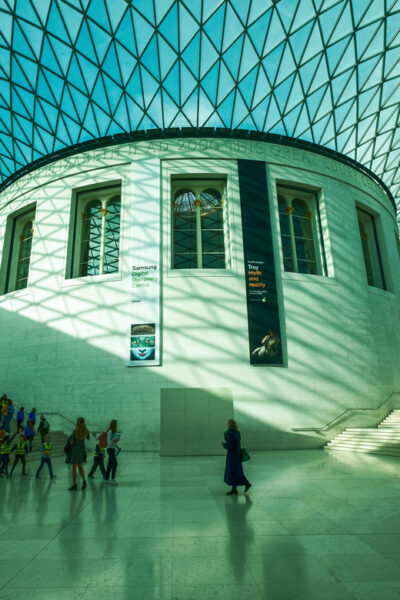 ★ 4.3London: British Museum Guided TourFrom $231,182 reviews
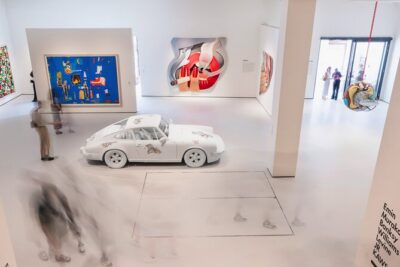 ★ 4.5Official tickets: Moco Modern & Contemporary Art MuseumFrom $361,157 reviews
 ★ 5.0British Museum London Guided Tour Semi-Private 8ppl MaxFrom $108984 reviews
 ★ 4.1London: Tour of the British MuseumFrom $14678 reviews
 ★ 4.5London: British Museum Audio Tour & Priority Entrance TicketFrom $9631 reviews
 ★ 5.0The British Museum London – Exclusive Guided Museum TourFrom $108555 reviews
Also filed under