

REVIEW · LONDON MUSEUMS & GALLERIES
London: Postal Museum Entry Ticket and Underground Rail Ride
One hidden fact about London: mail used to run underground. This ticket combines the Postal Museum galleries with the Mail Rail ride, so you get story plus action. I especially like the Penny Black moment and the hands-on sorting challenges, which make postal history feel real instead of dusty.
You should also know there is a bit of crowd and waiting risk. On busy days, you may spend extra minutes in line before the underground train departs, and some interactive areas skew younger.
In This Review
- Key things that make this ticket worth your time
- Postal Museum tickets: turning $24 into a full London story
- Arriving at the Postal Museum: what to do first
- The Penny Black and the security details that make the story real
- See The Penny Black in context
- Flintlock pistols: postal security, not just romance
- The Victorian mini rail car and street-era transport
- Mail Rail underground ride: the 15-minute tunnel experience
- What makes it special
- A practical caution
- Plan for waiting
- Interactive sorting stations: where adults get a second chance
- Try sorting mail (and laugh a little)
- Why this works for different ages
- A note on crowds
- Mini train, lockers, and the practicalities that affect your mood
- Bag storage anxiety, resolved
- Train comfort and height
- The café break
- Spending your 1.5 hours well: a simple game plan
- Family add-on: Sorted! Postal Play Space for kids age 8
- Who should book this Postal Museum and Mail Rail ticket
- Should you book this Postal Museum and Mail Rail ticket?
- FAQ
- How long does the Postal Museum ticket experience take?
- What is included with the entry ticket?
- How long is the underground Mail Rail ride?
- Is the Postal Museum wheelchair accessible?
- Is there a separate ticketed activity for kids?
- What is the ticket price?
Key things that make this ticket worth your time
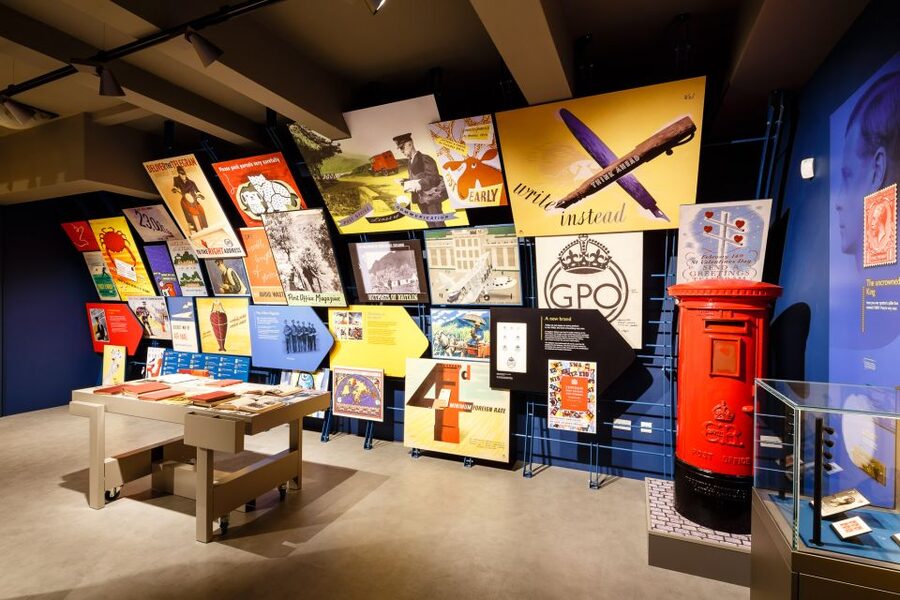
- Mail Rail is the headline, a short 15-minute ride through tunnels tied to the Post Office’s long underground history
- The Penny Black stamp is a must-see, the world’s first postal stamp
- Flintlock pistols show how seriously theft and security mattered for moving letters
- Mini Victorian rail car and mail-sorting mock-ups turn history into something you can try
- Games and activities work well for kids, but adults will still find plenty to read and watch
- You can plan a snack break, since the museum has an accredited family-friendly café
Other museum and gallery tours we sat through
- Frameless – Immersive Art Experience in London
★ 4.5 · 3,660 reviews - London: Entry Ticket to Frameless Immersive Art Experience
★ 4.7 · 2,923 reviews - London: British Museum Guided Tour
★ 4.3 · 1,182 reviews
Postal Museum tickets: turning $24 into a full London story

For around $24 per person and about 1.5 hours, this is one of those London stops that doesn’t fight your schedule. You’re not just buying entry to a museum room. You’re getting a compact “how it all worked” experience, with the Mail Rail ride acting like the spine of the visit.
This is also good value because the ticket links big artifacts with physical experiences. You’ll see signature items like The Penny Black and period security tech, then you’ll step into interactive areas that explain how letters moved, got sorted, and reached people. Even if you’re not a postal-history person, it clicks, because you can handle or test the concepts instead of only reading about them.
One more practical note: the ticket experience is designed so you can take your time. One visitor noted the tickets last for a year, which can make it easier if you want to come back when you have more patience for reading.
Arriving at the Postal Museum: what to do first
Start at the Postal Museum. Plan to hit the main exhibits before you settle in for the Mail Rail portion, especially if you’re traveling with kids. The flow is set up so you build understanding, then watch and ride what you just learned about.
Early on, you’ll be pointed toward the foundational story of London’s postal system, going back centuries. You’ll also get “wow” artifacts that make the history feel like it belongs in a story, not a textbook. Two examples that really anchor the whole experience:
First, the museum highlights the world’s very first postal stamp, The Penny Black. Seeing it in person helps you understand why stamps were a big deal, not just a collectible.
Second, you’ll encounter flintlock pistols used to defend the mail from theft. That detail changes the tone of the museum fast. It’s not just about delivery. It’s about risk, security, and the effort it took to keep messages moving reliably.
If you’re here with kids, look for the interactive zones that invite participation right away. There are games and activities throughout the galleries, and they don’t feel like an afterthought. They are integrated enough that children stay engaged without turning the visit into pure chaos.
The Penny Black and the security details that make the story real
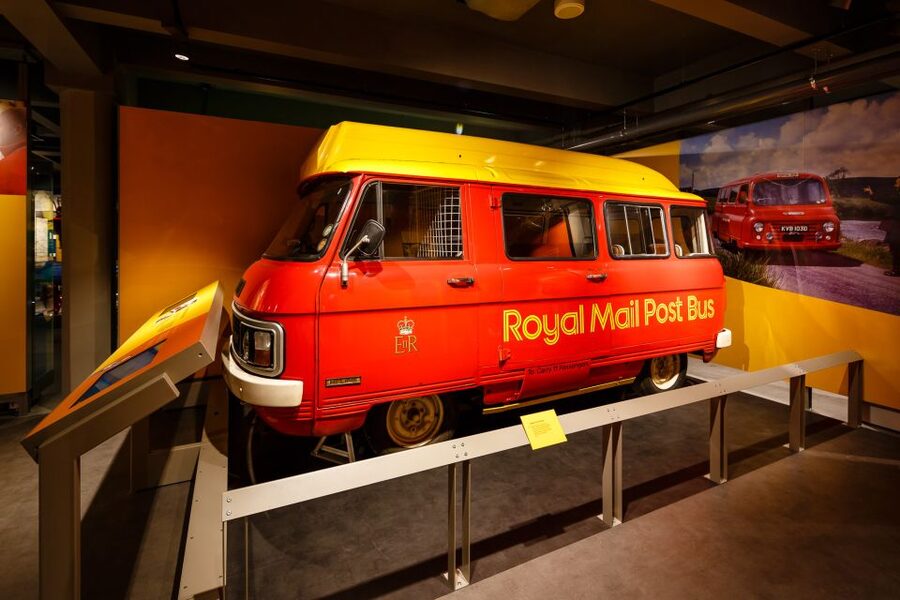
Some museums put important objects in glass and move on. This one slows down just enough for you to understand what you’re looking at.





See The Penny Black in context
The Penny Black display is one of the easiest places to connect the dots. You’ll learn why the stamp system mattered, and you’ll get that sense of “this changed communication.” It’s also visually clear, which helps if you don’t have time to read every panel.
Flintlock pistols: postal security, not just romance
The flintlock pistols are a standout for me, because they ground the story in real-world stakes. Postal work had to be protected. Letters were valuable, and theft was a serious problem. If you like transport history, industrial history, or security tech, this section gives you more than the usual “letters were delivered” basics.
The Victorian mini rail car and street-era transport
You’ll also see a Victorian miniature rail car tied to how rail operated in and around London. It’s small, but the point is big: the postal network evolved with the transport systems already shaping the city. This helps you see the bigger picture behind the later underground ride.
Mail Rail underground ride: the 15-minute tunnel experience

Now for the part you’ll talk about afterward: the Mail Rail ride.
The schedule is simple. After you’re oriented by the museum exhibits, you climb aboard for a short 15-minute underground journey through long-hidden tunnels associated with the Post Office’s underground railway. The attraction is designed to explain how the system worked, while showing you the underground world it relied on.
What makes it special
The ride isn’t just a “sit and watch” show. There are guiding elements built into the experience, including commentary and visual projections. One detail worth planning for is that there are videos and a timeline projected onto walls, which helps you connect what you hear to where you are.
Also, pacing matters here. Several visitors noted the ride is short, around 10 to 15 minutes. For kids, that’s perfect. For adults who want more Tunnel Time, it can feel slightly brief. I’d treat the ride as a highlight trailer, then let the museum galleries do the deeper work.
A practical caution
If you’re claustrophobic, take it seriously. One visitor specifically warned the ride is not for the claustrophobic or very tall. The tunnel environment includes darker moments, including a black-out style segment noted by one visitor. You don’t need to panic, but you should decide based on your comfort level.
Plan for waiting
Even with a ticketed entry plan, you may wait a bit before departure at busier times. A delay was mentioned once, and the experience is clearly run like a controlled schedule. If you’re on a tight itinerary, arrive a few minutes early and keep your expectations realistic.
Interactive sorting stations: where adults get a second chance
This is where the Postal Museum earns its keep. You get interactive areas that go beyond “push button, done.”
Try sorting mail (and laugh a little)
There’s a mock-up train carriage where you can try sorting the mail. One of the more fun parts is that it’s built with a wobbly floor, so you feel how physical movement affects the job. It turns a process into a challenge, and it helps the concept stick.
Why this works for different ages
For kids, interactive sorting and games give them a role in the story. For adults, it’s a fast way to understand how systems depend on training, consistency, and simple tools that work under pressure. You’re not just observing history, you’re “doing the job,” even if only for a few minutes.
There is also a drop-in feel to some areas, including design-style activities like creating a stamp, and dress-up experiences for children. If you’re traveling with mixed ages, those options can help you avoid the classic problem where one person wants to read and another wants to play.
A note on crowds
On weekend days, the interactive areas can become busy with lots of young kids. If you prefer calm museum pacing, choose a less crowded time if you can. If you’re traveling with toddlers, you might find the activities can become less structured. Still, it’s usually manageable if you keep your time flexible.
Mini train, lockers, and the practicalities that affect your mood
A museum experience can live or die on small details. Here are the ones that matter.
Bag storage anxiety, resolved
One clear comfort point: the underground trains have separate lockers for bags. Staff lock the lockers for you, and you get your items back on return. If you’re worried about carrying bags through narrow spaces, that setup helps.
Train comfort and height
Because of the tunnel environment, comfort can depend on your height and your sensitivity to tight spaces. If you’re taller, or if small spaces make you uneasy, consider that before you book.
The café break
The museum includes a family-friendly café with snacks and refreshments. People recommend a cup of tea, and it’s a nice reset before you re-enter the museum galleries or head home.
One small heads-up: seating can be limited late in the day, and one visitor noted tables not feeling clean. If food is part of your plan, go earlier rather than at the end of the session when cleaning might lag.
Spending your 1.5 hours well: a simple game plan
You’ll get the most out of the ticket if you treat it like two linked experiences, not three separate things.
Here’s a practical flow that matches the way the museum is set up:
1) Start with the main galleries
Look for the Penny Black section, the flintlock security details, and the Victorian miniature rail car display. These are your anchor points, and they make the ride easier to understand.
2) Do interactive sorting before or after the ride
If you can, try the sorting mock-up when you still remember the story context. If you’re tired, do it after the ride as a fun wind-down.
3) Ride the Mail Rail
Keep a little time buffer. Even when you have a timed plan, you can lose minutes waiting for departures.
4) Finish with snacks and the gift shop
The café is there for a reason, and the shop sells communication-related items that fit the theme.
If you feel you’re running tight on time, prioritize the Mail Rail ride and the Penny Black. Those two alone give you the strongest “signature” London postal story.
Family add-on: Sorted! Postal Play Space for kids age 8
If you’re visiting with children, there’s an additional option called Sorted! Postal Play Space, listed as bookable separately for children aged 8 through the Postal Museum website.
I like having this kind of add-on for families because it lets you tailor the day. If your kids are old enough for that activity, it can extend the visit beyond the base ticket and add more structured play tied to the same postal theme.
Who should book this Postal Museum and Mail Rail ticket
This experience fits best if you want London that’s a little unusual and very hands-on.
Book it if:
- You’re traveling with kids and want a museum that doesn’t rely only on reading
- You like history with objects you can see clearly, like The Penny Black and period security items
- You enjoy transport stories, especially systems that mix work, technology, and the city
- You’re okay with a short tunnel ride in exchange for strong context in the galleries
Consider another option if:
- You’re extremely sensitive to confined spaces, dark moments, or tight comfort conditions on the train
- You hate waiting and need a perfectly predictable timeline down to the minute
- You’re expecting a long underground ride, not a focused 15-minute highlight
Should you book this Postal Museum and Mail Rail ticket?
Yes, if you want a compact London experience that mixes major postal artifacts with a real underground ride. The Mail Rail component is the star, and the galleries do the heavy lifting to explain what you’re seeing, including the Penny Black and flintlock pistols that add surprising depth.
I’d say it’s a strong choice for families, and also for adults who like “doing” as much as “reading.” If you’re anxious about the tunnel environment, plan around your comfort level. Otherwise, this is one of those tickets where the value comes from variety, not size.
FAQ
How long does the Postal Museum ticket experience take?
The experience is listed as 1.5 hours. Check starting times for what fits your schedule.
What is included with the entry ticket?
Your ticket includes entry to the Postal Museum and the experience at the museum, including the underground Mail Rail ride.
How long is the underground Mail Rail ride?
The ride is described as 15 minutes.
Is the Postal Museum wheelchair accessible?
Yes, the experience is listed as wheelchair accessible.
Is there a separate ticketed activity for kids?
Yes. Sorted! Postal Play Space for children aged 8 is described as bookable separately through the Postal Museum website.
What is the ticket price?
The price is listed as $24 per person.
Museums and Galleries, Keep Going
- Frameless – Immersive Art Experience in London★ 4.5 · 3,660 reviews
- London: Entry Ticket to Frameless Immersive Art Experience★ 4.7 · 2,923 reviews
- London: British Museum Guided Tour★ 4.3 · 1,182 reviews
- Official tickets: Moco Modern & Contemporary Art Museum★ 4.5 · 1,157 reviews
Fresh off the London review pile





London Museums & Galleries, compared.
 ★ 4.5Frameless – Immersive Art Experience in LondonFrom $383,660 reviews
 ★ 4.7London: Entry Ticket to Frameless Immersive Art ExperienceFrom $372,923 reviews
 ★ 4.3London: British Museum Guided TourFrom $231,182 reviews
 ★ 4.5Official tickets: Moco Modern & Contemporary Art MuseumFrom $361,157 reviews
 ★ 5.0British Museum London Guided Tour Semi-Private 8ppl MaxFrom $108984 reviews
 ★ 4.1London: Tour of the British MuseumFrom $14678 reviews
 ★ 4.5London: British Museum Audio Tour & Priority Entrance TicketFrom $9631 reviews
 ★ 5.0The British Museum London – Exclusive Guided Museum TourFrom $108555 reviews
Also filed under