
REVIEW · ROYAL PALACES, GREENWICH & KEW
London: Royal Observatory Planetarium Show Entry Ticket
London’s night sky has a stage now.
This Royal Observatory planetarium show brings the universe to life inside the Peter Harrison Planetarium, with a live astronomer and a visuals mix of real images plus advanced CGI. I like that you get a live Sky Tonight segment that matches what the stars and satellites look like on your visit day, and I also love the way the show turns space topics into clear, memorable stories (from the Sun to distant galaxies). One thing to consider: you only get one set screening, and latecomers do not get in after it starts, with no re-entry once the show begins.
If you want value, this ticket hits a sweet spot. For about 30 minutes, you’re in a 120-seat planetarium with a Royal Observatory astronomer, plus you can see the included planetarium special exhibitions before or after the show. The only drawback is simple to plan around: the ticket covers the planetarium show and exhibitions, but it does not include entry to the Royal Observatory, so if you want to add that too, you’ll need a separate plan.
In This Review
- Key things to know before you go
- A live 30-minute planetarium show inside Royal Museums Greenwich
- Sky Tonight: the night sky adjusted to your visit day
- We Are Guardians and the real job of satellites
- Audio Universe: turning space objects into sound
- Starstruck: the life cycle of a star, from Sun to birth
- Live astronomer storytelling, including presenters like Jess
- Special exhibitions and views beyond the dome
- Practical value: is a $16 planetarium ticket worth it?
- Who should book, and who might want to choose something else
- Quick checklist before you head in
- FAQ
- How long is the Royal Observatory planetarium show?
- Is entry to the Royal Observatory included with this ticket?
- What happens when I book a show time?
- Are there age limits?
- Is the planetarium wheelchair accessible?
- Do they offer support for hearing aids?
- Can I arrive late or re-enter after the screening begins?
- Should you book this planetarium show?
Key things to know before you go
- London’s only operational planetarium: A focused night-sky experience in the Peter Harrison Planetarium
- Sky Tonight is day-specific: You look at the night sky as it will be on your visit
- Real images plus CGI storytelling: Space visuals that move beyond flat astronomy posters
- Multiple show segments: We Are Guardians, Audio Universe, and Starstruck are built for different kinds of wonder
- Live astronomer commentary: You’re not just watching, you’re listening to an astronomy professional
- No late entry once it starts: Plan arrival time carefully to avoid getting turned away
Palaces, gardens and Greenwich, other visits
- London: Westminster to Greenwich River Thames Cruise
★ 4.5 · 22,836 reviews - Westminster to Greenwich Sightseeing Thames Cruise in London
★ 4.5 · 2,969 reviews - Kew Gardens Entrance Ticket
★ 4.0 · 1,055 reviews
A live 30-minute planetarium show inside Royal Museums Greenwich
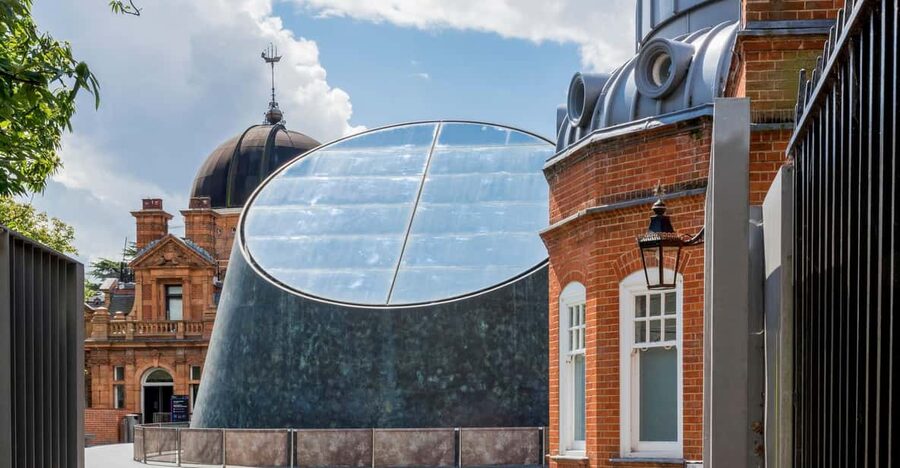
This is one of those London tickets that’s small on time and big on payoff. You’re stepping into the Peter Harrison Planetarium, in the Royal Museums Greenwich area in Maritime Greenwich, a UNESCO World Heritage Site. The show itself runs about 30 minutes, and you’ll be assigned a show when you book, depending on the day’s programming.
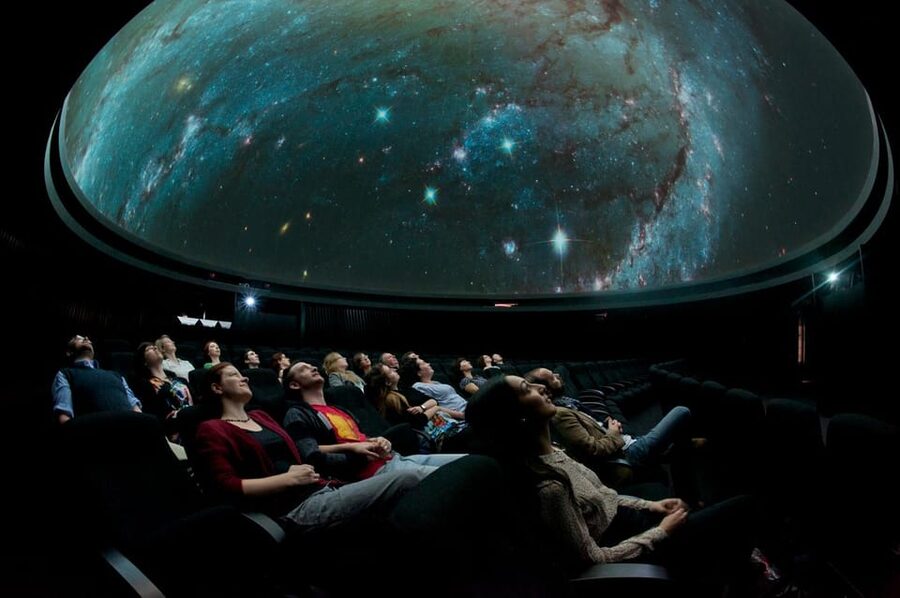
The planetarium is designed for an attentive audience. It seats about 120 people, so you feel like part of a room-sized viewing session rather than a distant theatre crowd. And because it’s the Royal Observatory’s astronomy team leading the presentation, the tone is part science lecture, part storytelling, and part “look at this in a new way.”
For value, the price around $16.16 per person makes sense if you care about astronomy but don’t want a full museum day. You’re paying for a live show, a guided connection to what you’re seeing, and included planetarium special exhibitions. If you’re hoping to do the Royal Observatory itself in the same ticket, you’ll want to know upfront that entry to the Royal Observatory is not included.
Sky Tonight: the night sky adjusted to your visit day
The core of the show starts with Sky Tonight, which tracks the real sky as it appears on the day you attend. That detail matters more than you might think. If you’re a first-time visitor to London, it can be easy to get stuck in generic star talk. Here, you’re shown what’s actually relevant now, with planets and satellites described in context.
In Sky Tonight, you’ll also hear about the lives of stars and the many satellites orbiting Earth. The show mixes real imagery from telescopes and spacecraft with advanced CGI, so you’re not only learning what something is, you’re also seeing how it looks and where it fits in the bigger system.
A practical tip: if you come during an evening visit, you might feel tempted to compare what the show says with what you can see outside. Do it, but keep expectations realistic. Inside, the show is more educational than observational. It’s built to teach you patterns and scale, not to let you immediately spot every exact object in the sky after one quick look.
We Are Guardians and the real job of satellites
One of the segments that stands out is We Are Guardians, an immersive exploration of satellites and their role in protecting our planet. This isn’t astronomy as purely distant beauty. It’s astronomy with an Earth connection, where space tech becomes practical and protective.
I like this approach because it helps you connect the planetarium experience to modern life. Satellites are how we track weather, monitor change, and understand Earth systems. Even if you already know satellites are important, it’s useful to see how that idea gets explained in the context of space objects in orbit.
If you’re the type who likes a clear takeaway, this part usually gives you one. You leave knowing satellites are not just “things up there,” they’re tools that help keep the planet safer and more predictable.





Audio Universe: turning space objects into sound
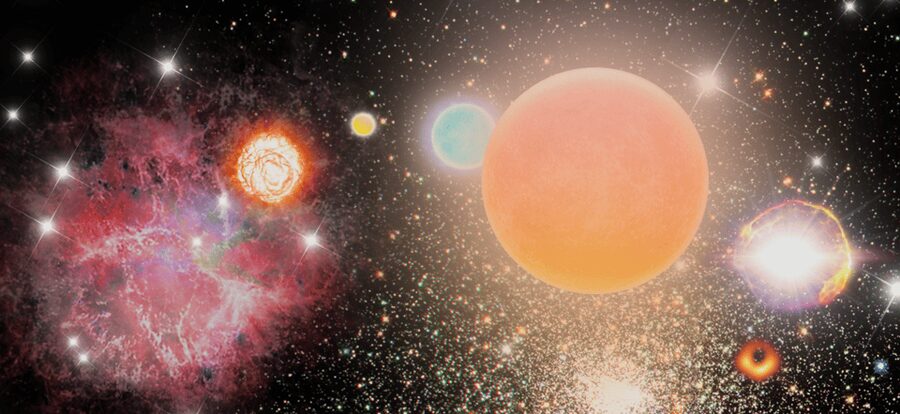
Audio Universe is the segment built for the imagination. Instead of treating space as only something you view, it plays with the idea of turning objects in space into sound. The result is a different way to feel scale and motion, even if you don’t have a physics background.
This is where I’d expect the show to land especially well with people who get bored in traditional lectures. It’s still science, but the presentation style changes. You’re encouraged to listen and interpret patterns, not just watch animations.
It can also be a nice reset if the beginning feels like it’s moving fast. The show uses its CGI and real images to build a visual story, then Audio Universe adds another layer so your brain has more than one track to follow.
Starstruck: the life cycle of a star, from Sun to birth
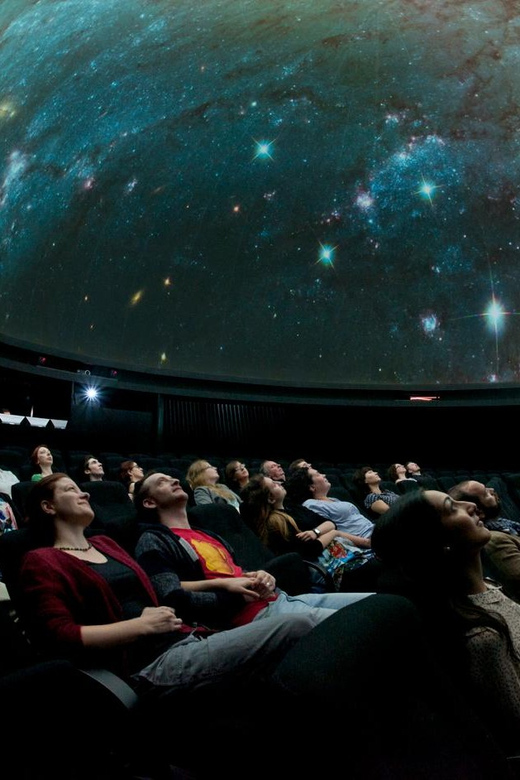
The most emotional and awe-heavy section is Starstruck, which focuses on the lifecycle of a star. The show includes moments like flying into the heart of the Sun, visiting distant galaxies, and seeing the birth of a star. That combination matters. It moves you from what feels familiar (our Sun) to what feels mind-boggling (star formation and faraway galaxies).
This is also where the mix of real images and CGI helps. Real imagery gives the science credibility, while CGI gives you motion and transformation you cannot see in real time. Together, they explain why stars change, what drives those changes, and how the universe keeps generating new light.
I especially like star lifecycle shows because they give you a framework. After Starstruck, you can recognize the idea of progression, not just individual facts. You understand that stars are not static. They evolve, and their life stories influence everything around them, including the materials that later become planets.
Live astronomer storytelling, including presenters like Jess
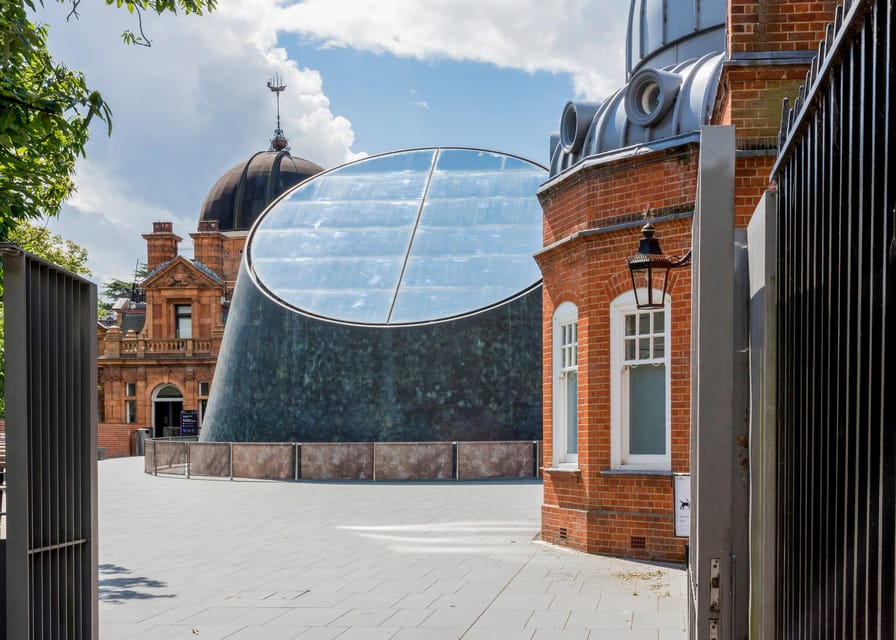
The planetarium show is presented by astronomers from the Royal Observatory Greenwich. That matters because it changes the pace from scripted entertainment to human explanation. You’ll get a live, guided talk that links the visuals to what you’re meant to learn.
In the experience writeups that fed into my expectations, one presenter name pops up: Jess. People specifically praised her as exceptional, and that aligns with what you want in a planetarium host. You need a guide who can switch between big-picture wonder and clear explanation without talking down.
Also, the format tends to make the explanations feel conversational. You’ll get enough context to follow the storyline, even if you’re starting from scratch with astronomy.
If you’re bringing a group, or if someone in your party gets impatient with long talks, the live commentary can help. It keeps the show moving, and it gives you someone to connect to rather than just a screen.
Special exhibitions and views beyond the dome
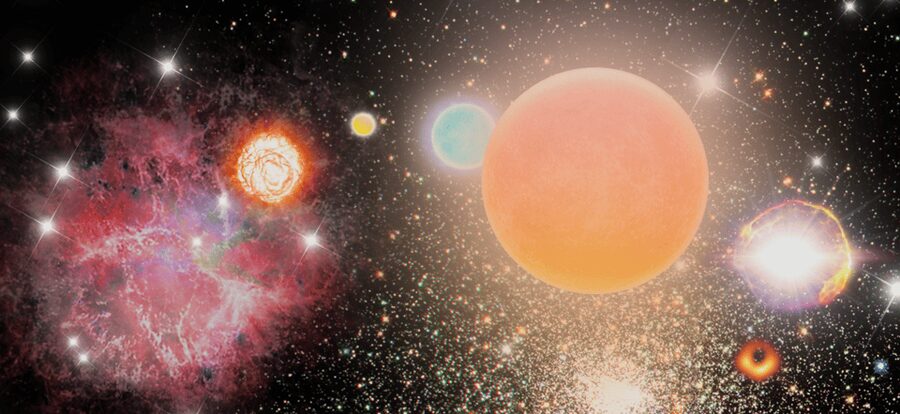
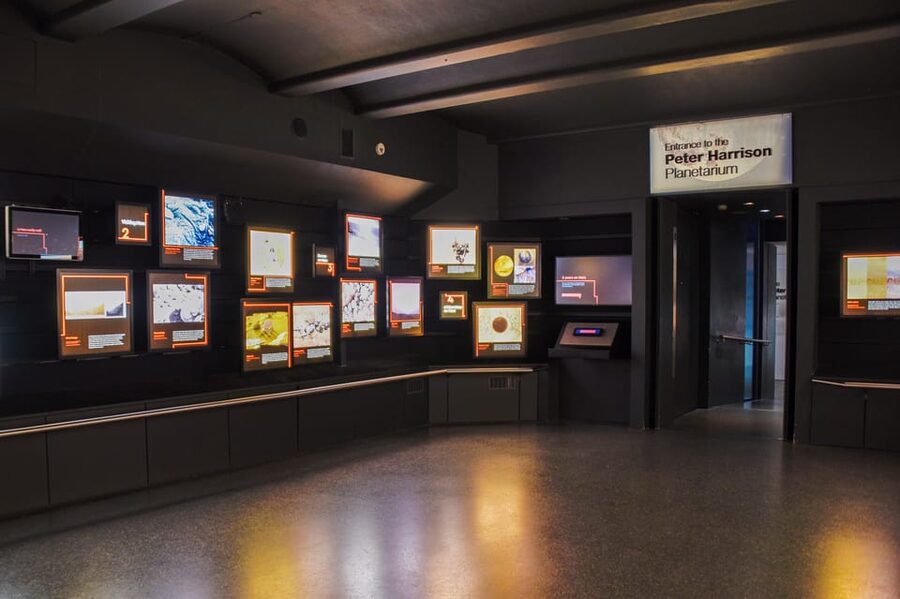
Your ticket includes entry to the Peter Harrison Planetarium, the live planetarium show, and planetarium special exhibitions. That’s not just a bonus, it’s part of how you can shape your visit.
The special exhibitions give you a chance to look at related astronomy themes when you’re in a learning mood. It’s a good move if you want to slow down your understanding a bit before or after the show, rather than treating the planetarium like a one-and-done experience.
And then there’s the location feel. You can take in spectacular views of London from the top of one of London’s biggest green spaces. This is a practical reason to time your visit well. Even if you’re there mainly for the show, stepping outside afterward lets you re-center with real city views. It turns the day from “indoor show” into “London with a view,” which is exactly the kind of blend that makes a short ticket feel satisfying.
One key boundary to keep in mind: the ticket does not include entry to the Royal Observatory. If you want the full observatory experience too, plan that as an add-on, not as an assumed inclusion.
Practical value: is a $16 planetarium ticket worth it?
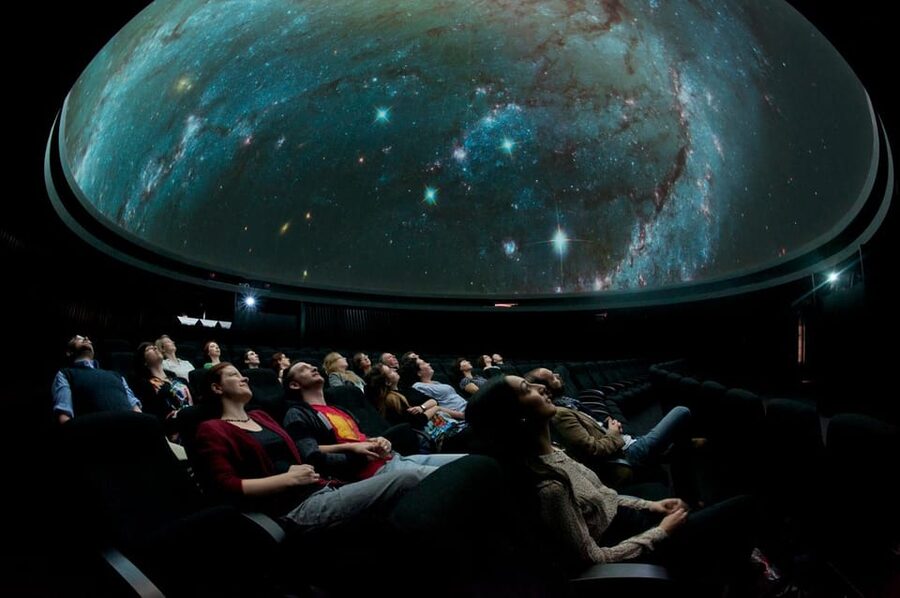
Let’s talk value in a grounded way. At roughly $16.16 per person for a 30-minute live show plus included exhibitions, you’re paying for three things:
- A live astronomer-led presentation
- State-of-the-art delivery inside a proper planetarium dome
- A focused, time-efficient visit that fits into a packed itinerary
That’s strong value in a city where many paid activities either take much longer, cost significantly more, or feel like they’re missing the human explanation piece. The Royal Observatory connection adds credibility too, especially if you’ve ever watched an educational show that felt more like a movie than a lesson.
Would I do it if you’re only passing through for a few hours? Yes, especially if you like astronomy, science, or good storytelling. Would I do it if you hate sitting in theatres, even short ones? Probably not. At 30 minutes, it’s manageable, but it is still a show, and you’ll want to be ready to sit and watch.
Also, it’s not suitable for children under 7 years. If you’re traveling with younger kids, you might want to save your energy for other activities. For families with older kids, this can be a nice learning break that still feels fun.
Who should book, and who might want to choose something else
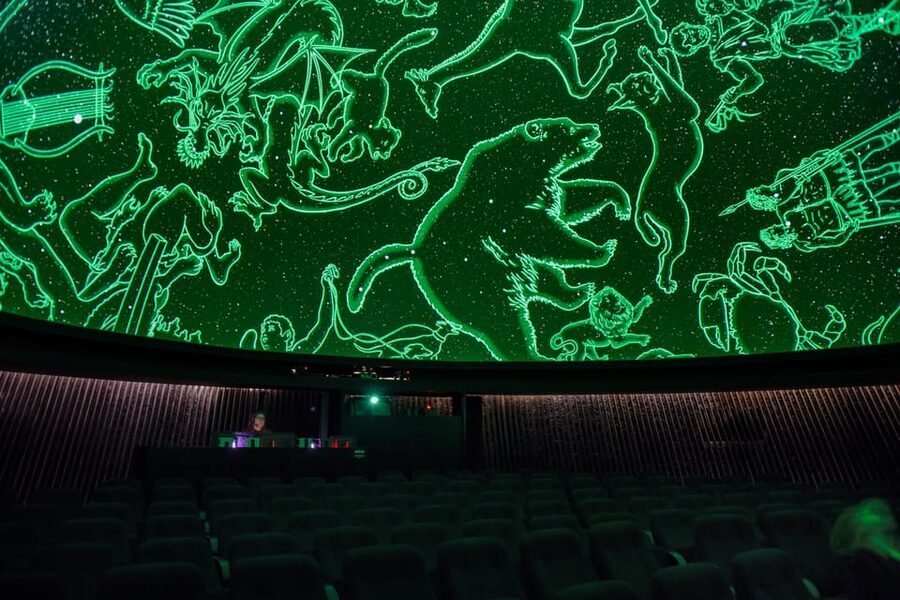
This ticket works best for:
- People who want a guided night-sky experience without doing a full observatory day
- Families with kids 7 and up
- Anyone who likes science explained clearly, with visuals that support the story
- Date nights or small groups that want something different than just galleries and pub stops
It may not fit as well if:
- You need something fully hands-on for very young children
- You have a tight schedule where you might be late
- You want Royal Observatory entry included, because it is not
One planning detail that can really affect your experience: latecomers and re-entry are not permitted once the screening has begun. That means you should treat arrival timing like it’s a timed ticket. If you’re traveling in a group, build in a cushion so nobody gets left outside.
If a show is changed or cancelled, staff support is reported to be kind in at least one case, with admission to another show. Still, don’t assume every plan will run perfectly. The safest approach is to give yourself enough time that you can adapt if the day’s programming shifts.
Quick checklist before you head in
Here’s how to make your visit smooth, based on what matters for this planetarium format:
- Arrive early enough that you are inside before screening begins. No late entry.
- If you wear a hearing aid, note the planetarium has an induction loop.
- If you’re using a wheelchair, the planetarium is wheelchair accessible via lift, and there are four wheelchair spaces per show that you should select during booking.
- Mobility scooters may be too large for the lift, so plan accordingly if that’s you.
- If you’re sensitive to long sitting, plan to use the special exhibitions as a gentle buffer before the show starts.
This is also an experience where you get more out of it if you show up with curiosity. You do not need prior astronomy knowledge, but you’ll benefit from being open to scale, motion, and the way space facts connect to real images.
FAQ
How long is the Royal Observatory planetarium show?
The planetarium show duration is listed as 30 minutes. Check availability for the starting times on your travel dates.
Is entry to the Royal Observatory included with this ticket?
No. The ticket includes entry to the Peter Harrison Planetarium, the live planetarium show, and planetarium special exhibitions. Entry to the Royal Observatory itself is not included.
What happens when I book a show time?
Live shows run throughout the day, and you will be automatically assigned one when you make your booking, based on that day’s programming.
Are there age limits?
Yes. It is not suitable for children under 7 years.
Is the planetarium wheelchair accessible?
Yes. The planetarium is fully accessible by lift, and there are four wheelchair spaces available for each planetarium show. You should select the relevant booking option for wheelchair seating.
Do they offer support for hearing aids?
Yes. The planetarium is fitted with an induction loop for hearing aids.
Can I arrive late or re-enter after the screening begins?
No. Latecomers are not permitted, and re-entry is not allowed once the screening has begun.
Should you book this planetarium show?
I’d book it if you want a short, high-impact science experience in London. The big reasons are the live astronomer-led format, the day-specific Sky Tonight portion, and the show’s mix of real images with CGI that helps explain both nearby space (like the Sun) and deeper cosmic stories (like star birth). At around $16.16, it’s also a sensible way to add astronomy to a day without committing to a full observatory visit.
I would skip it if you are traveling with very young kids under 7, or if you struggle with strict timing because late entry is not allowed. If your schedule is tight, aim to arrive early and give yourself buffer time. Do that, and you’ll likely walk out with a head full of stars, plus a clearer picture of what’s actually happening out there.
Palaces, Kew and Greenwich
- London: Westminster to Greenwich River Thames Cruise★ 4.5 · 22,836 reviews
- Westminster to Greenwich Sightseeing Thames Cruise in London★ 4.5 · 2,969 reviews
- Kew Gardens Entrance Ticket★ 4.0 · 1,055 reviews
- The Kensington Palace Gardens Royal High Tea★ 4.5 · 934 reviews
Fresh off the London review pile




Royal Palaces, Greenwich & Kew, compared.
 ★ 4.5London: Westminster to Greenwich River Thames CruiseFrom $2222,836 reviews
 ★ 4.6London: Kew Gardens Admission TicketFrom $323,252 reviews
 ★ 4.5Westminster to Greenwich Sightseeing Thames Cruise in LondonFrom $222,969 reviews
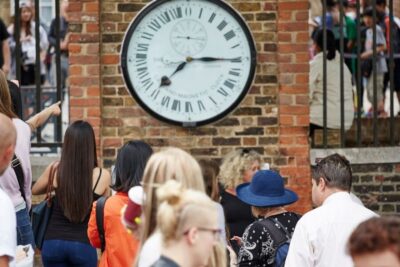 ★ 4.5Royal Observatory Greenwich & Prime Meridian Entrance TicketFrom $321,095 reviews
 ★ 4.0Kew Gardens Entrance TicketFrom $301,055 reviews
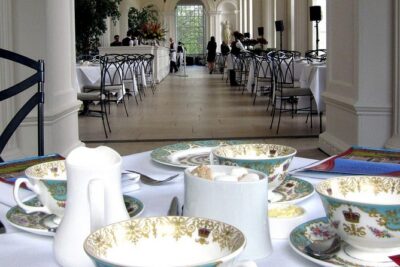 ★ 4.5The Kensington Palace Gardens Royal High TeaFrom $158934 reviews
 ★ 4.5Leeds Castle, Canterbury, Dover & Greenwich Boat rideFrom $147604 reviews
 ★ 3.5Kensington Palace Entrance TicketFrom $28557 reviews
Also filed under