
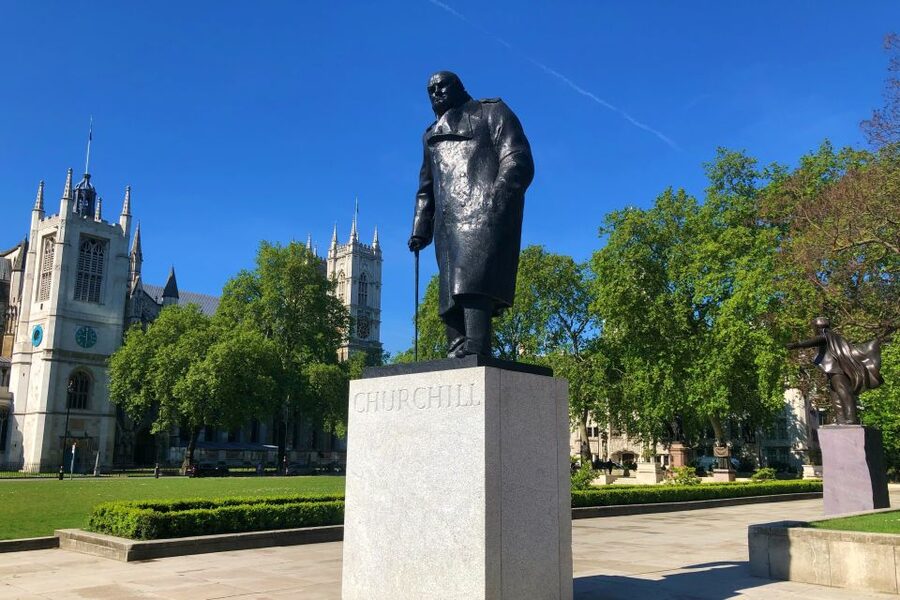
REVIEW · CHURCHILL WAR ROOMS & WARTIME LONDON
London: Winston Churchill and London in WWII Walking Tour
Westminster looks different after wartime stories. This Churchill and WWII walking tour links Big Ben, Westminster Abbey, Downing Street, and Whitehall to what life felt like during the Blitz, guided by passionate local storytellers who make the details stick. You get WWII context at every landmark, from the RAF era to Parliament, so the buildings stop being postcard stuff and start feeling lived in.
I also like that the experience is flexible, you can book a shared group or go private, and either way you’re working with an English-speaking local expert guide. The one thing to plan around is time and motion: the tour runs about 1.5 to 3 hours, and it can feel more like an informed walking talk than a long, big-stretches stroll.
In This Review
- Key things you’ll notice on this Westminster WWII tour
- Meeting at Westminster Station Exit 2, then stepping into 1940s Westminster
- From the Battle of Britain memorial to Big Ben and the Houses of Parliament
- Westminster Abbey and the Cenotaph: remembrance shaped by the Blitz
- Downing Street, Whitehall, and the day-to-day pressure on government
- Churchill’s War Rooms area: seeing strategy frozen in time
- Price, pace, and who this WWII walk is for
- Should you book this Winston Churchill and London in WWII walking tour?
- FAQ
- How long is the London in WWII walking tour?
- How much does the tour cost?
- Where do I meet the guide?
- What landmarks are included in the walking route?
- Is this tour shared or private?
- Are entrance tickets included for monuments and the Churchill War Rooms?
- Is food and drinks included?
- Is the tour wheelchair accessible?
Key things you’ll notice on this Westminster WWII tour
- Battle of Britain memorial start: you open with the RAF, then connect that momentum to Parliament and leadership.
- Big Ben and Westminster Abbey in wartime context: the guide frames what you see with how London coped.
- Downing Street and Whitehall under pressure: the streets become part of the story of decisions and public resolve.
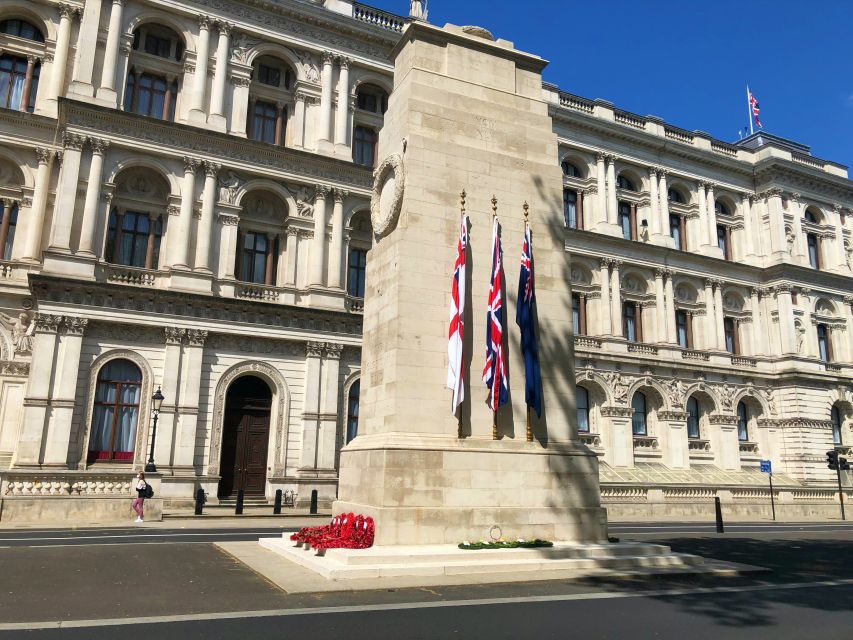
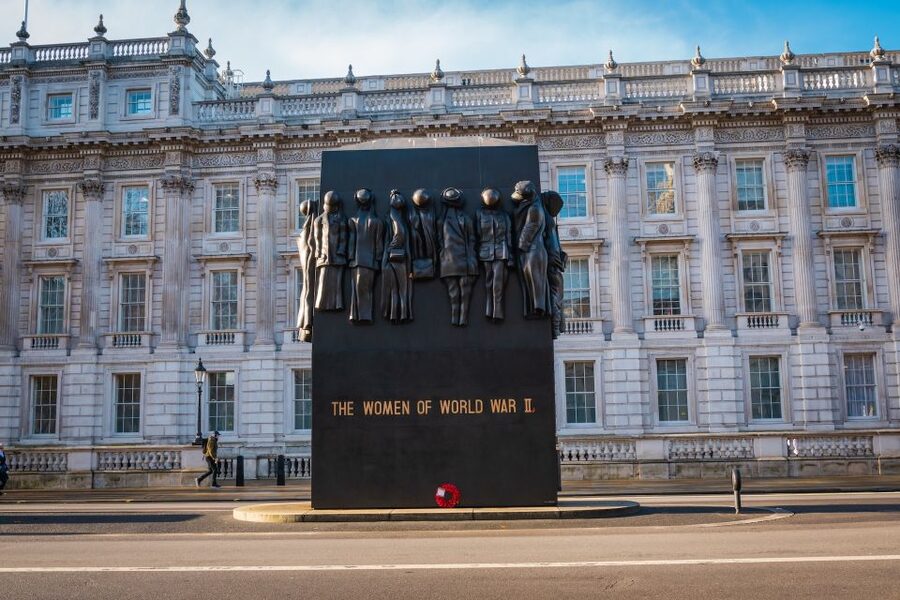
- Cenotaph and Ministry of War stops: you get a sense of mourning and the machinery behind the scenes.
- Churchill’s War Rooms as the finish line: you end outside, then you can choose to explore more on your own.
- Guides bring personality: names like Nathan, Richard, Francis, Rosie, Babs, and Amber show up as frequent standouts for humor and story craft.
More of wartime London, above ground and below
- Westminster 3 Hour Walking Tour and Visit of Churchill War Rooms
★ 5.0 · 967 reviews - WW2 London Walking Tour & Churchill War Rooms Entrance Ticket
★ 4.5 · 933 reviews - London in WW2 Walking Tour with Churchill War Rooms Visit
★ 5.0 · 721 reviews
Meeting at Westminster Station Exit 2, then stepping into 1940s Westminster
Meet your guide at Boadicea and Her Daughters Statue outside Westminster Station, Exit 2. Take the stairs up to street level toward Victoria Embankment, then look for the group at the top near the statue. Your guide will be holding an Urban Saunters orange sign.
That starting setup matters more than it sounds. It’s easy to find, and it gets you on the correct side of the river early, so you can begin with the WWII lens right away. Since there’s no hotel pickup or drop-off, you’ll want to arrive a few minutes early and get your bearings fast, especially if you’re coming in from underground.
Also, keep your expectations about walking in the sweet spot. This isn’t a long-distance trek. It’s a close-in Westminster loop focused on key landmarks, and you’ll spend plenty of your time listening, looking up, and stopping for context.
One more practical note: luggage or large bags aren’t allowed, and the tour isn’t suitable for people with mobility impairments or wheelchair users. If you’re traveling with bulky items, it’s worth arranging storage first so the walk stays comfortable.
From the Battle of Britain memorial to Big Ben and the Houses of Parliament
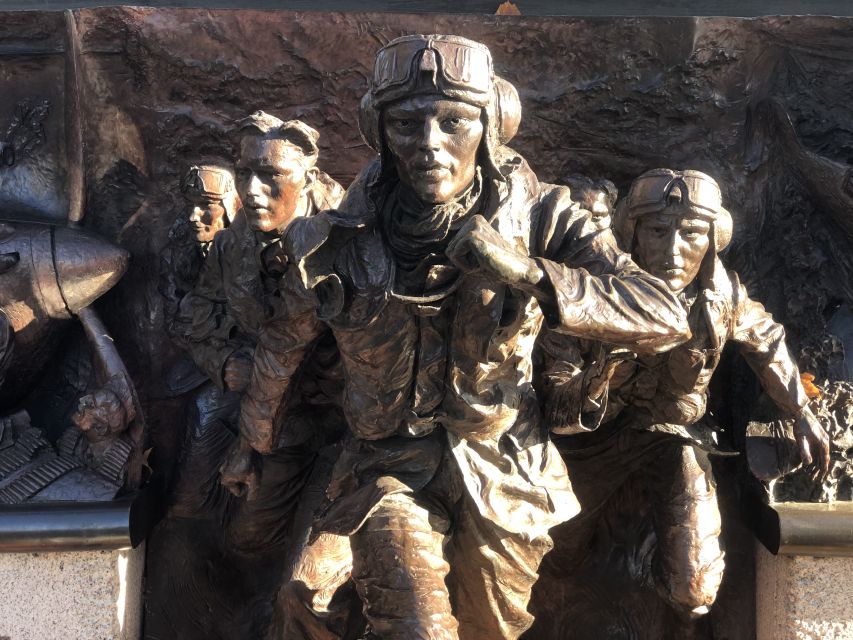
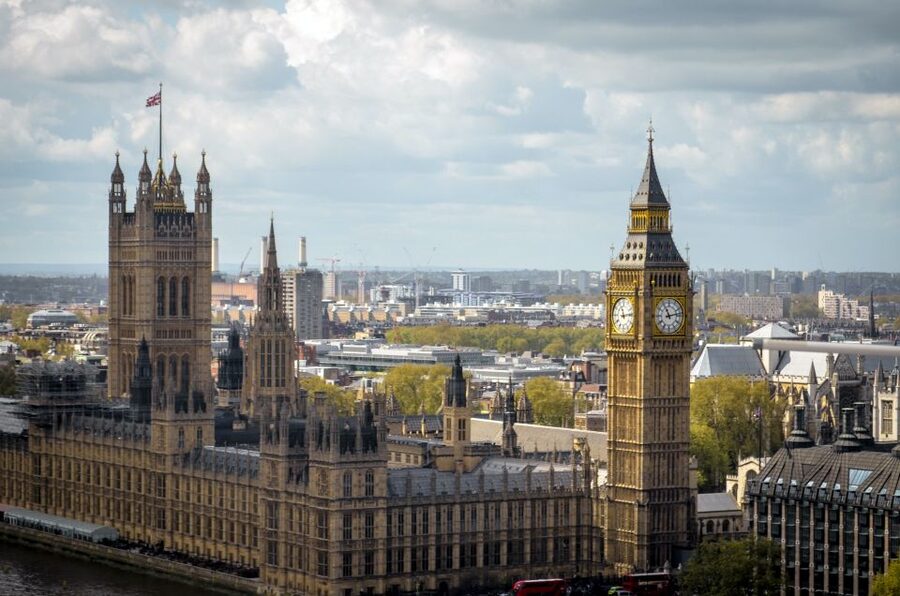
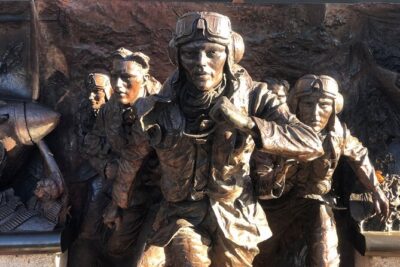
The tour starts outside the Monument to the RAF, which commemorates those involved in the Battle of Britain. From there, the guide builds the story outward, linking air defense and leadership decisions to the Westminster landscape you already recognize from photos.
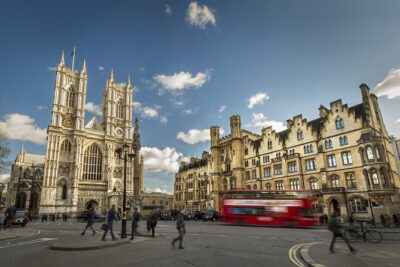
When you reach Big Ben and the Houses of Parliament area, the real value is the framing. You don’t just see landmarks, you learn how their meaning shifted when London was under threat. The guide points out how the war changed the feel of governance, public attention, and even the mood of the city, so the buildings start carrying a second layer of story.
A big part of why this works is the way the guide uses real people and specific anecdotes, not just dates. You may hear about pilots and individual experiences, because that human scale is often what turns WWII from a unit in a textbook into something you can picture. If you enjoy hearing short biographies and then tying them back to the street in front of you, you’ll probably enjoy this segment most.
This is also where the pace starts to make sense. You’ll move between key stops without long detours, but you’ll stop often enough to absorb what you’re seeing. If you’re hoping for constant forward motion with minimal storytelling, this might not match your style. But if you like being guided through meaning, it’s a strong match.
Westminster Abbey and the Cenotaph: remembrance shaped by the Blitz
As the route continues into the heart of Westminster, the tour hits Westminster Abbey and the Cenotaph. Both are famous, but in wartime context they land differently. You get a sense of why remembrance was not a distant tradition, it was something Londoners faced while the war was still raging.
The Cenotaph stop is especially useful if you want to understand how public spaces held grief in a structured way. The guide ties it to the broader idea of resilience and the shared experience of loss. And because this tour keeps returning to WWII realities, the Abbey visit isn’t treated as just architectural sightseeing.
Westminster Abbey is a place many people rush through or view as a monument. Here, you’re more likely to notice symbolism and civic memory. That’s the key. You’re learning what these landmarks meant to a city trying to keep going, not just what they look like.
If you’re traveling with teens or adults who love history details, this section can be a highlight. One recurring theme from strong guide performances is humor mixed with seriousness, so the tone doesn’t become heavy or dull. The best guides know when to lighten the mood without trivializing what the war cost.





Downing Street, Whitehall, and the day-to-day pressure on government
Downing Street and Whitehall are the big-name draws, and the tour uses them like anchors. You see where power sits, but more importantly you learn how wartime Britain functioned under constant stress.
This segment tends to work well because the guide connects national leadership to everyday impact. You’ll hear about British resolve, the reality of life for millions, and the tension between public messaging and private pressure. It’s not a generic political history stop. It’s leadership under siege.
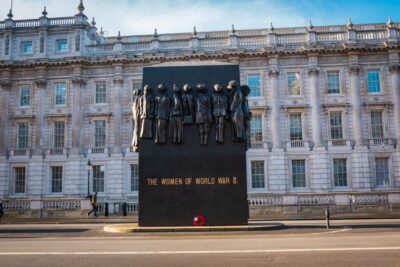
You may also pass or reference the Ministry of War, another indicator that this tour isn’t only about famous addresses. It’s about the WWII machine, the planning and coordination behind what people imagined from the outside. That can be a welcome change if you’ve seen other tours that focus only on the most obvious statues and facades.
Whitehall is also one of those places where the guide’s interpretation turns your view into something more practical. You start noticing the street geometry, the scale, and why this area made sense as a command and communication hub. If you like understanding why cities are designed the way they are, this part will help you see London more clearly.
Churchill’s War Rooms area: seeing strategy frozen in time
You finish outside Churchill’s War Rooms. The guide leaves you there to explore further if you want to. That setup is smart because it respects two different travel styles: some people want to follow the guided story all the way inside, and some people want to wrap up with a quick look and keep moving.
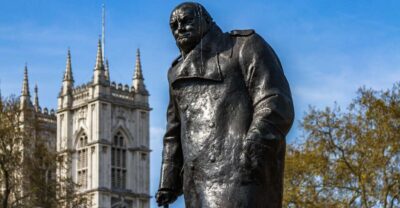
Even from outside, the War Rooms stop carries weight because your guide frames it as the space where strategy happened. You get the sense of how decisions were made in a fortified setting, not in some heroic fantasy, but in a real wartime pressure cooker.
This is also where the tour’s overall theme pays off. You started at the RAF memorial. You moved through Parliament and remembrance. You reached leadership addresses. Then you end at the strategic bunker zone. It’s a neat arc that mirrors how WWII ran on different levels at the same time.
If you’re the type who will probably want more after the walk, this finish point is a good push. You can add entrance tickets to Churchill’s War Rooms separately, since monument and War Rooms tickets are not included in the tour price.
Price, pace, and who this WWII walk is for
At $39 per person, this tour is priced like an informed walking experience, not a budget sightseeing drop. I think it’s fair value if you care about narrative and context, because the tour leans hard into storytelling, interpretation, and answering questions as you go.
You also get a choice of shared group or private tour. Private can be worth it if you want more direct back-and-forth, especially if you’re the kind of traveler who asks questions or wants specific details about Churchill, the RAF, or how Westminster functioned during WWII. Shared group is usually best if you enjoy a lively group vibe and you want to get the same key route without paying for exclusivity.
The tour duration is about 1.5 to 3 hours. If you only do the shortest option, you might feel the route is brisk, because you cover multiple major landmarks in a tight area. On the other hand, if you want a concentrated intro to Churchill-era London without committing to a full half-day, the timing works.
Who I’d send on this without hesitation:
- You want to see Big Ben, Westminster Abbey, Downing Street, and Whitehall with WWII meaning attached.
- You like guided stories that include people and anecdotes, not just stone-and-stats explanations.
- You’re curious about Churchill and how government operated during the war years.
Who might hesitate:
- You want a long, quiet walk with minimal stopping and minimal talking.
- You have mobility limits, since it isn’t suitable for wheelchair users and it involves walking between stops.
Should you book this Winston Churchill and London in WWII walking tour?
If you like history that feels human, and you want to connect Westminster landmarks to what wartime life actually meant, I’d book it. The route is compact, the guide role is central, and the best versions of this tour shine through strong storytelling and humor while staying respectful about what WWII involved.
Just be honest with yourself about pacing. This is not a slow, wandering stroll. It’s a guided interpretation walk focused on WWII context, ending outside Churchill’s War Rooms so you can choose what comes next. If that sounds like your kind of London, you’re going to get your money’s worth.
FAQ
How long is the London in WWII walking tour?
The tour duration ranges from about 1.5 to 3 hours, depending on the option available.
How much does the tour cost?
The price is listed as $39 per person.
Where do I meet the guide?
Meet outside Westminster Station at Boadicea and Her Daughters Statue, Exit 2. The guide will hold an Urban Saunters orange tour sign at the top of the stairs near the statue.
What landmarks are included in the walking route?
The tour includes Westminster landmarks such as Big Ben, Westminster Abbey, Downing Street, Whitehall, the Cenotaph, and the Ministry of War area, plus it starts near the RAF memorial and ends outside Churchill’s War Rooms.
Is this tour shared or private?
You can choose between a shared group tour or a private walking tour.
Are entrance tickets included for monuments and the Churchill War Rooms?
No. Entrance tickets for named monuments and for Churchill’s War Rooms are not included.
Is food and drinks included?
No. Food and drinks are not included.
Is the tour wheelchair accessible?
No. It is not suitable for wheelchair users or people with mobility impairments, and luggage or large bags are not allowed.
Wartime London, Further Reading
- Westminster 3 Hour Walking Tour and Visit of Churchill War Rooms★ 5.0 · 967 reviews
- WW2 London Walking Tour & Churchill War Rooms Entrance Ticket★ 4.5 · 933 reviews
- London: Westminster WW2 Tour & Churchill’s War Rooms Ticket★ 4.5 · 925 reviews
- London in WW2 Walking Tour with Churchill War Rooms Visit★ 5.0 · 721 reviews
Fresh off the London review pile

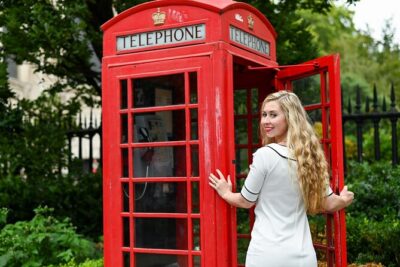

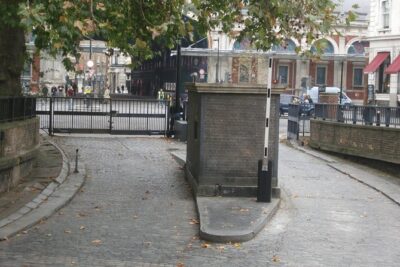
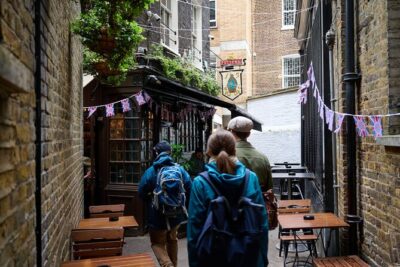
Churchill War Rooms & Wartime London, compared.
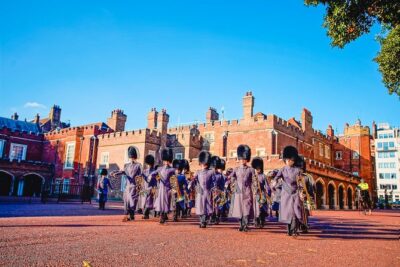 ★ 5.0Westminster 3 Hour Walking Tour and Visit of Churchill War RoomsFrom $135967 reviews
 ★ 4.5WW2 London Walking Tour & Churchill War Rooms Entrance TicketFrom $60933 reviews
 ★ 4.5London: Westminster WW2 Tour & Churchill’s War Rooms TicketFrom $59925 reviews
 ★ 5.0London in WW2 Walking Tour with Churchill War Rooms VisitFrom $104721 reviews
 ★ 4.9London: London in WW2 and Churchill War Rooms EntranceFrom $96669 reviews
 ★ 5.0Western Approaches Self Guided TourFrom $24505 reviews
 ★ 4.7London: Westminster Tour and Churchill War Rooms VisitFrom $101371 reviews
 ★ 4.5Churchill War Rooms “Behind The Glass” and Private Car TourFrom $1,410322 reviews
Also filed under