
REVIEW · ESCAPE ROOMS, TREASURE HUNTS & CITY GAMES
Outdoor Adventure Game in London
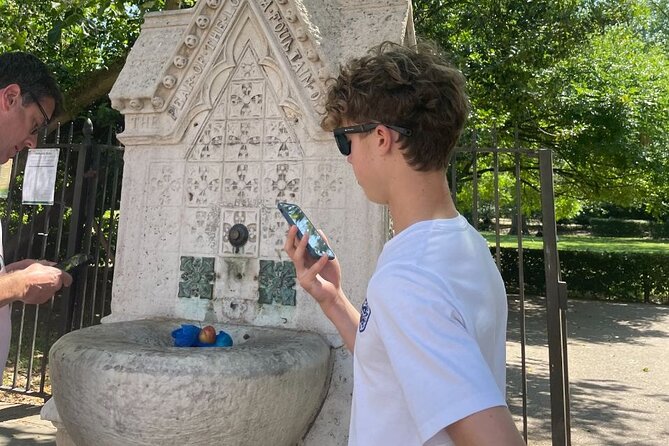
London turns into a puzzle with this hunt. This outdoor adventure game mixes a street scavenger style with an escape-room vibe, so you’re racing the clock while walking real London streets. I especially like that it’s a private at-your-own-pace experience, which makes the whole thing feel more relaxed than typical group tours. One thing to consider is that you’ll do a moderate amount of walking, so comfy shoes matter.
What makes it practical is the structure: you start at Sicilian Avenue, then your clue route focuses on Holborn, the British Museum area, and Bloomsbury, finishing near Aldwych close to Holborn station. You get a mobile ticket, it runs in English, and the game window is daily from 9:00 AM to 6:00 PM.
Why it works so well for many people is the blend of challenge and freedom. The clues are meant to be solvable without turning into homework, and the outdoor format helps you see bits of the city you might otherwise miss when you’re just trying to get from A to B.
In This Review
- Key things to know before you go
- How the outdoor puzzle game works in London
- Starting at Sicilian Avenue, finishing near Aldwych
- Holborn and the British Museum area: where clues meet landmark London
- Bloomsbury: the calm neighbor where you solve faster than you think
- Time-pressure fun, plus a clue moment like Freemasons Hall
- Mobile ticket and private play: why this feels easier than a big tour
- Price and value: what $26.24 buys you
- Timing your hunt in a London day
- Practical tips for success (and fewer dead ends)
- Who this is best for, and who might want a different plan
- Should you book this London street hunt?
Key things to know before you go

- Outdoor escape-room style clues: You solve the story while walking through central London.
- Holborn, British Museum, and Bloomsbury focus: The game is built around these classic areas.
- Private experience for your group: Only your party plays together.
- A real time-pressure element: You’re not just sightseeing, you’re solving with momentum.
- Support helps when plans get messy: The operator has handled last-minute timing and team changes.
Street puzzles with a clock running
- The Hunt for the Cheshire Cat by HiddenCity
★ 5.0 · 225 reviews - Interactive Jack the Ripper Night Walk: London’s Murder Mystery
★ 5.0 · 171 reviews - The Enchanted Mirror by HiddenCity
★ 5.0 · 156 reviews
How the outdoor puzzle game works in London
Think of this as an escape-room experience, but stretched across streets and sidewalks instead of a single room. You’re given prompts that guide you from point to point, and each clue helps you figure out what to do next. The best part is that you’re not staring at London from a bench. You’re moving through it, making small decisions, and trying to beat the clock.
That time pressure is a big deal. It turns a normal walk into a mission, and it gives the experience energy even if you’re not usually into games. It’s also why this works well for groups like birthdays and team socials, not just couples or solo travelers.
At the same time, it’s not a marathon. The duration is about 1 to 1.5 hours, so you can fit it into a morning or afternoon without wrecking your whole day. It’s also designed for moderate physical fitness, which means you should be comfortable walking at a city pace, but it’s not described as a strenuous hike.
Starting at Sicilian Avenue, finishing near Aldwych

The start point is Sicilian Avenue (Sicilian Ave, London). That’s a good “launch pad” area because it places you right in the middle of the action, close enough to transit that you can get there without turning it into an expedition.
The experience ends in the Aldwych area, within a few minutes of Holborn station. I like finish points like this because they help you keep momentum. When you’re done, you’re already near a practical transport hub, so you’re not stuck charting your way home while your brain is still buzzing from clue-solving.
Because it’s an outdoor game, the practical rhythm matters. You’ll want to plan for quick stops, short stretches of walking, and the occasional moment where you pause to compare answers. If your group includes people who get slow with phone screens, decide early who’s handling the map or reading the prompts.
Holborn and the British Museum area: where clues meet landmark London
Your clue route centers on Holborn and the British Museum area, plus surrounding “quirky” streets in the broader neighborhood. That combination is smart. Holborn gives you a classic London feel with busy streets and historic scale. The British Museum area adds instantly recognizable landmarks, which helps you orient quickly and reduces that awkward feeling of being lost before you’ve even started.
This is also where the experience becomes more than a game. You’re forced to pay attention. Instead of walking past buildings on autopilot, you’re reading details, checking context, and noticing how the streets connect. Even if you’ve lived in London for years, this style of puzzle tends to make you see new details around familiar places.
One nice detail from the game format: it doesn’t require you to already know London trivia. The prompts are meant to guide you. You still need to think, but you’re not expected to be a walking encyclopedia.
Possible drawback here: if you hate pauses or group decision-making, you may find your team arguing about the correct answer. The game is built for collaboration, so choose a group dynamic that can handle a bit of discussion.





Bloomsbury: the calm neighbor where you solve faster than you think
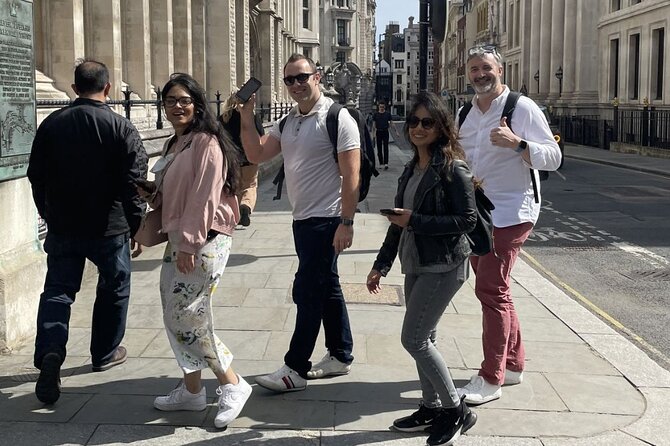
The game also passes through Bloomsbury, another area where the city feels layered. It’s a nice change of pace from the most frantic street corners. In a quest like this, that matters because you’re doing mental work while your feet move. Smaller streets and calmer blocks make it easier to stay focused.
Bloomsbury also gives you plenty of visual variety. In a short 1 to 1.5 hour window, that variety keeps the experience from feeling repetitive. You’re not just checking boxes. You’re moving through a “living map” where each step has a purpose.
If you’re traveling with teens or a mix of ages, Bloomsbury is an area where people can still have fun even if they don’t care about museums in the usual sense. The puzzle gives everyone a job, even if their favorite part is just spotting the next clue.
Time-pressure fun, plus a clue moment like Freemasons Hall
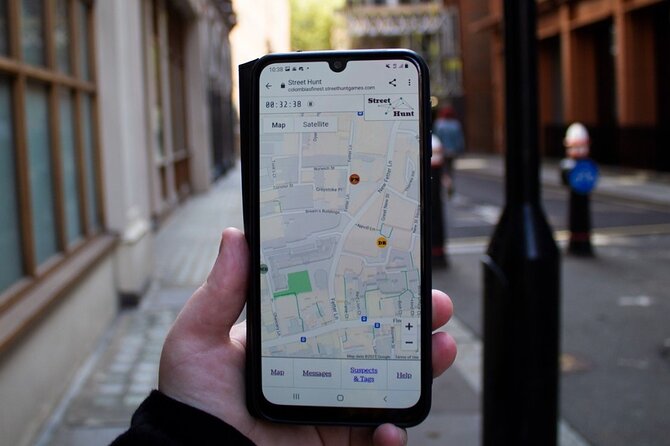
One of the most satisfying parts of this kind of hunt is the exact second the puzzle clicks. You get that aha feeling, and suddenly the city looks different because you understand what you were supposed to notice.
In one example from a game run, the best clue moment was at Freemasons Hall, with a real eureka reaction when the group realized what the clue was pointing to. That’s the kind of payoff you want from this format: a clue that feels fair, then a moment where everything connects.
You may also find your route includes other London zones like W1 depending on the specific game line or variation. The key idea is that you’re not limited to a single “tourist lane.” You’ll likely get a mix of recognizable spots and less-expected streets, which is exactly what makes the whole thing feel like an adventure rather than a standard walk.
Mobile ticket and private play: why this feels easier than a big tour
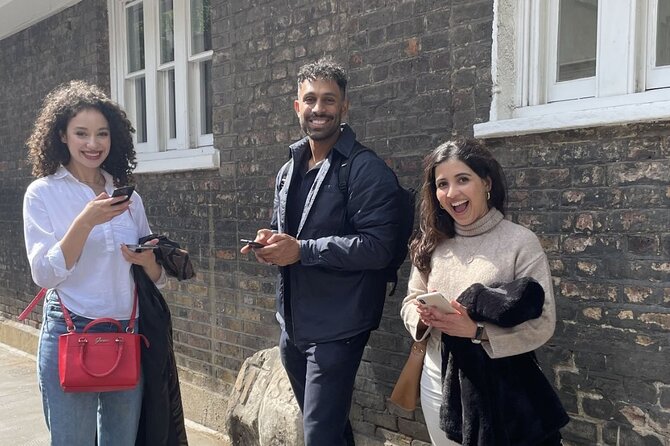
A lot of city tours feel the same: you’re herded, then you scramble to keep up. This experience is different in two practical ways.
First, you get a mobile ticket. That keeps things smooth at the start. Second, it’s private, meaning only your group plays. No waiting for strangers. No worrying about whether someone will slow the pace or someone else will dominate the answers.
That private setup makes it especially good for:
- Birthday groups that want something active but not chaotic
- Work socials where you want teams mixing naturally
- Families with kids or teens who enjoy logic and problem-solving
It also means you can keep your internal rhythm. If you like to discuss and think, you can. If you like to sprint and solve fast, you can. The clock pushes you, but the game structure lets you manage your group style.
Price and value: what $26.24 buys you

The price is $26.24 per person. For central London, that’s a pretty accessible price point for an organized activity that lasts about an hour to 1.5 hours.
What you’re paying for here isn’t just the idea of a walk. You’re paying for a built route, a clue system, and a time-pressure format that turns sightseeing into a shared challenge. That tends to be better value than paying for something where you mostly stand still and watch.
Also, the booking rhythm matters. On average, people book about 9 days in advance. That’s a good sign if you want to plan but not over-plan. Still, since it’s limited by scheduling windows (9:00 AM to 6:00 PM), don’t wait too long if your dates are fixed.
A real value check: if you already know you’ll be the type of traveler who enjoys puzzle-solving, this can feel like a great deal. If you prefer guided commentary and don’t want to think, you might find it more fun as a group activity than as a solo one.
Timing your hunt in a London day
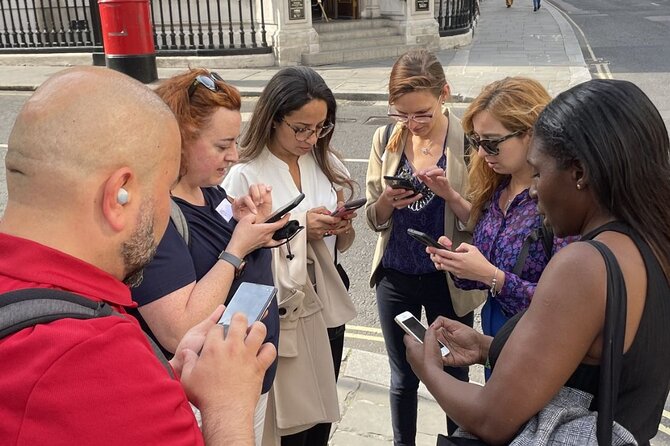
Because the game runs daily from 9:00 AM to 6:00 PM, you’ve got flexibility. If you want the best energy, aim for earlier in the day when sidewalks are less crowded and your group is less likely to be tired.
For planning, remember the experience is about 1 to 1.5 hours. That’s long enough to feel like you did something real, but short enough that you can still eat well afterward or visit one nearby indoor stop.
Practical tip: build a buffer of 15 to 20 minutes before and after. The only reason you might need it is simple human stuff, like getting everyone together at Sicilian Avenue, finding the right starting moment, or taking a brief pause to regroup if the group gets stuck.
Practical tips for success (and fewer dead ends)
Here’s how to make the game run smoothly.
- Wear shoes you can walk in for an hour to 90 minutes. The experience lists moderate physical fitness, so plan for real streets, not museum carpet.
- Assign roles. One person handles clues, one person checks the route direction, and everyone else can validate ideas. This cuts down on decision chaos.
- Keep your group calm when you hit a tricky clue. The format rewards persistence, but panic slows everyone down.
- Bring a power backup plan. It’s a mobile-ticket experience, and a quest usually means phone use. Even if the game isn’t described in technical detail, phones are part of the modern travel routine, so plan accordingly.
If you’re doing this as a team event, it can help to pick a single point person for communication. In one group setup, the operator support handled late changes to timing and even additions to the team. That kind of flexibility is useful if your schedule shifts.
Who this is best for, and who might want a different plan
This outdoor adventure game fits travelers who like active sightseeing. It’s great for groups where people enjoy puzzle-solving, exploring on foot, and working together under gentle pressure.
Based on how the game has worked for group events like birthday parties, Christmas team activities, and student groups, it’s a solid option when you want something more interactive than a normal walk.
You might want to choose something else if:
- You strongly dislike walking without a live guide talking the whole time.
- Your group wants a passive experience with minimal thinking.
- Someone in your party has trouble with moderate walking distances.
The good news is that the experience is private, so you can adjust pacing to your own group comfort within that 1 to 1.5 hour window.
Should you book this London street hunt?
Book it if you want a fun, structured way to see Holborn, the British Museum area, and Bloomsbury without feeling like you’re stuck in a rigid tour schedule. At $26.24, the price feels reasonable for an organized, puzzle-driven activity that keeps you moving and thinking at the same time.
Skip it if you want deep museum time, long guided narratives, or zero effort. This is a challenge game. You’ll get more value if your group is willing to read clues and work together.
If you’re on the fence, I’d use a simple test. Ask yourself: do we like solving mysteries on foot? If yes, this is a great pick for a one afternoon slot in London.
Games, Hunts and Escape Rooms
- The Hunt for the Cheshire Cat by HiddenCity★ 5.0 · 225 reviews
- Interactive Jack the Ripper Night Walk: London’s Murder Mystery★ 5.0 · 171 reviews
- The Enchanted Mirror by HiddenCity★ 5.0 · 156 reviews
- Private Escape Room with a Zombie in London★ 5.0 · 128 reviews
Fresh off the London review pile







Escape Rooms, Treasure Hunts & City Games, compared.
 ★ 5.0Fun, Flexible Treasure Hunt Around Manchester with Cryptic Clues & Hidden GemsFrom $20253 reviews
 ★ 5.0Fun, Flexible Treasure Hunt Around York with Cryptic Clues & Hidden GemsFrom $20248 reviews
 ★ 5.0The Hunt for the Cheshire Cat by HiddenCityFrom $40225 reviews
 ★ 5.0Fun, Flexible Treasure Hunt Around Bath with Cryptic Clues & Hidden GemsFrom $20208 reviews
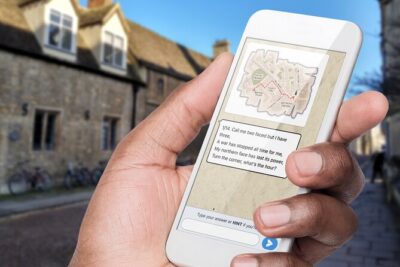 ★ 5.0Fun, Flexible Treasure Hunt Around Oxford with Cryptic Clues & Hidden GemsFrom $20202 reviews
 ★ 5.0Shepton Mallet Prison Escape Room – The CellFrom $38187 reviews
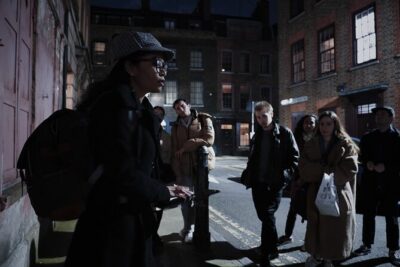 ★ 5.0Interactive Jack the Ripper Night Walk: London’s Murder MysteryFrom $22171 reviews
 ★ 5.0Fun, Flexible Treasure Hunt Around Birmingham with Cryptic Clues & Hidden GemsFrom $20167 reviews
Also filed under