
REVIEW · CHURCHILL WAR ROOMS & WARTIME LONDON
Roman Ruins to Blitz Bombings: A Walking Tour of London’s Fiery History
London burns, then rebuilds, in two hours. I love the way guide Tom turns ordinary streets into stories you can actually picture, and his pace leaves room for questions.
This walk also works because the stops connect major turning points, from the Great Fire era to the wartime scars you can still see. You’ll spend quick moments at places like the Monument and St Dunstan in the East, which makes the city feel like one long timeline rather than separate landmarks.
One heads-up: it is a long walking tour in practice, so it is not the right pick if you have mobility limits. Expect plenty of steps between sites, not a slow ride with long museum visits.
In This Review
- Key points at a glance
- Why London’s fiery timeline makes this walk work
- Meeting at Trinity Square, ending at Fleet Street
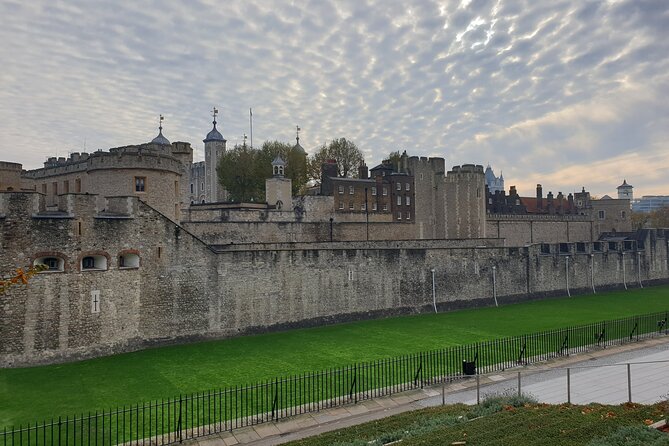
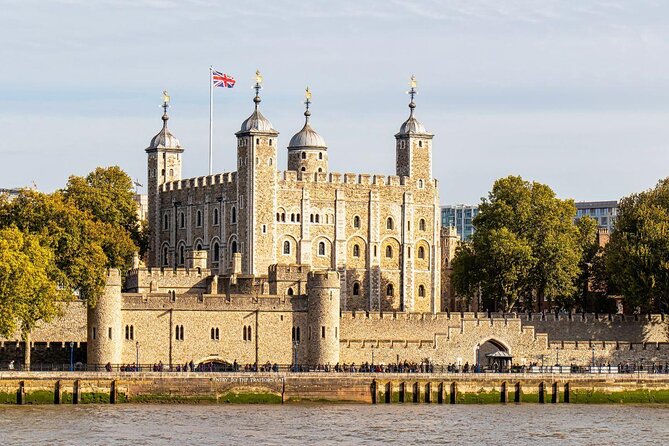
- Tower of London: the oldest surviving royal palace
- St Dunstan in the East: medieval ruins turned WWII garden
- The Monument to the Great Fire: reading 1666 at street level
- London Stone legends: a tiny marker with big myth-energy
- Bank of England Museum: the money chapter you might skip
- Guildhall: 15th-century governance in one stop
- St Paul’s Cathedral: Wren’s response to catastrophe
- How this tour connects Roman to WWII without feeling random
- The value: is $27.78 a smart spend?
- Tips to make your 2 hours feel effortless
- Who should book this walk, and who should skip it
- Should you book Roman Ruins to Blitz Bombings?
- FAQ
- How long is the walking tour?
- What is the price per person?
- Is the tour offered in English?
- How big is the group?
- Do I need to buy tickets for the stops?
- Where do I meet and where does it end?
- Is the tour near public transportation?
- Are service animals allowed?
- Is this tour suitable for people with mobility issues?
- Cancellation and refunds
- What is the cancellation policy?
Key points at a glance
- Small-group format (up to 15 people) keeps the guide’s attention personal
- Tom’s storytelling and Q&A helps you make sense of big eras fast
- Great Fire + WWII landmarks in one route lets you connect fear, rebuilding, and power
- Short stop times (about 5 minutes each) means you’ll see a lot, but not deeply enter everything
- Some admissions are free and some are not included so budget for what you want to go inside
More of wartime London, above ground and below
- Westminster 3 Hour Walking Tour and Visit of Churchill War Rooms
★ 5.0 · 967 reviews - WW2 London Walking Tour & Churchill War Rooms Entrance Ticket
★ 4.5 · 933 reviews - London in WW2 Walking Tour with Churchill War Rooms Visit
★ 5.0 · 721 reviews
Why London’s fiery timeline makes this walk work
London has a talent for leaving marks. In this tour, you start at the Tower of London area and move toward Fleet Street, and the route keeps pointing out what survived, what was rebuilt, and what changed in between.
What I like for you here is the way the guide links chaos to consequence. You do not just see famous buildings. You watch the city react to disaster and then keep going, which is a practical way to understand London if you only have a day or two.
And because the group stays small, you’re not stuck watching from the back. You can ask questions and get straight answers, the kind that help the facts stick.
Meeting at Trinity Square, ending at Fleet Street
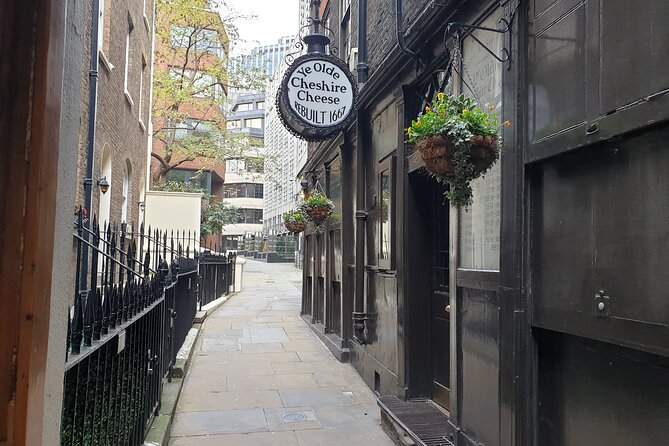
The start is at 38 Trinity Square, London EC3N 4DJ. The end is Ye Olde Cheshire Cheese at 145 Fleet St, London EC4A 2BP, outside the pub, not far from Blackfriars Station.
That end point matters. Fleet Street is an easy jump-off zone for pubs, quick bites, and more sightseeing. You’re not finishing out in the suburbs or in the middle of nowhere.
Expect about 2 hours on the move. Each stop is short (around 5 minutes), so the real experience is the walking time between sites. If you like to keep a steady pace and learn from what you pass, you’ll enjoy this format.
Tower of London: the oldest surviving royal palace
Tower of London is a strong first stop because it anchors the story in power. The tour frames it as Europe’s oldest surviving royal palace, and even if you do not go inside, you get the right starting mindset: London is not only about tragedy, it’s also about control.
Admission is not included here, so your first stop may be mostly outside viewing and quick orientation. That’s not a bad thing. A tight first moment helps you spot what you’ll later connect to the city’s later chaos and rebuilding.
Practical tip: if you want to enter the Tower yourself, plan that for a separate visit. During this walk, you get the context, not a full palace day.





St Dunstan in the East: medieval ruins turned WWII garden
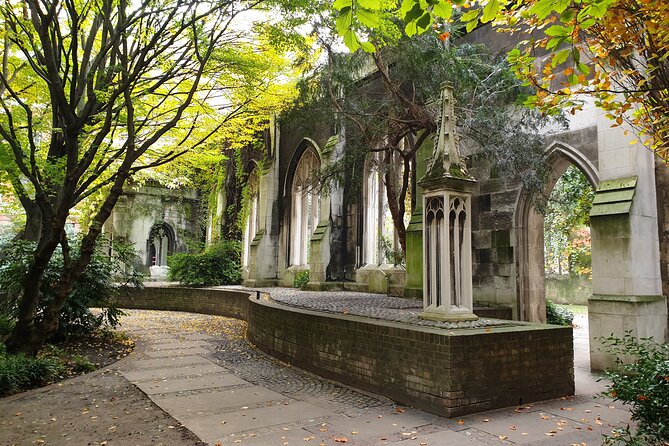
St Dunstan in the East is the most quietly powerful stop on the route. The tour highlights the gardens of a medieval church that was destroyed in the Second World War.
Admission is free, which makes it a great reset after the bigger, more official feeling of the Tower area. You can take in the scale of loss without needing a ticket or a schedule.
If you care about how London physically changed, this is one of the places that gives you a real sense of time passing. The stone work and the garden setting do not feel like a textbook. They feel like the city’s memory made visible.
The Monument to the Great Fire: reading 1666 at street level
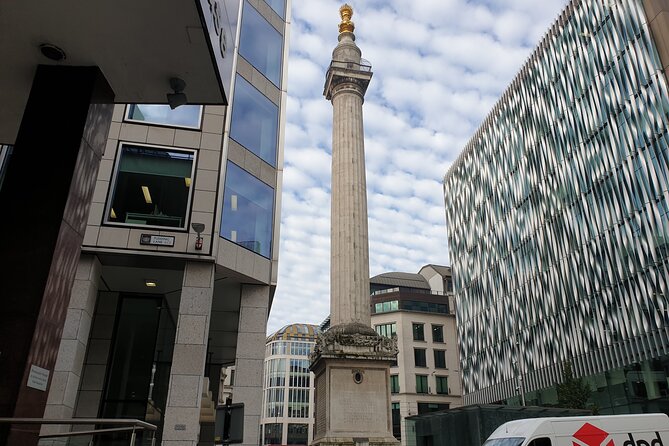
The Monument to the Great Fire is a London stop that almost begs for context. This tour’s quick session is all about helping you connect the famous name to what it meant on the ground in 1666.
Admission is not included here, so you’ll likely focus on the area and what the Monument represents, rather than climbing or going in. Still, you get a quick lesson on why the Fire is not just a date. It’s a turning point for how London rebuilds and regulates itself.
If you’ve only seen photos of this landmark before, expect to leave with a clearer mental map. The guide helps you connect it to the broader story of destruction and rebuilding rather than treating it as an isolated attraction.
London Stone legends: a tiny marker with big myth-energy
London Stone is small compared to the other sites on the walk, which is why it works so well. The tour points it out as a stone with legends ascribed to it, and the value here is learning how symbols collect stories over time.
Admission is free. So even if you decide you only want a quick look, you won’t feel like you paid for access that you did not use.
This stop is also a nice reminder that London history is not only about buildings and battles. Sometimes it’s about objects people point to and keep interpreting, generation after generation.
Bank of England Museum: the money chapter you might skip
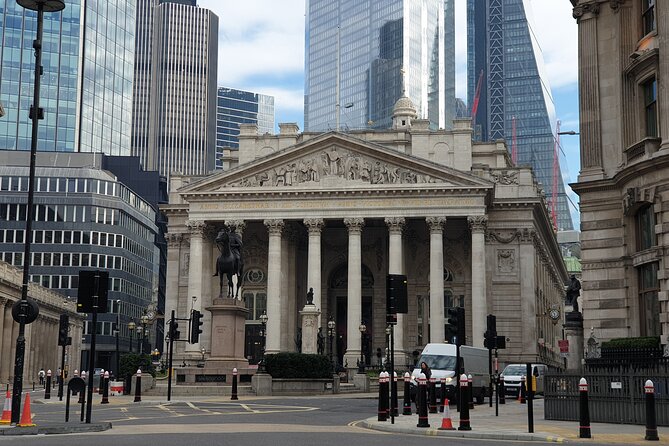
You’ll move from civic power to finance at the Bank of England Museum. The tour frames it as the central bank of the UK, which turns the story from physical survival into economic survival.
Admission is not included here, so plan on a fast exterior or short orientation moment unless you choose to add extra time for the museum itself on your own. In a two-hour tour, this is the kind of stop that gives you the why, not the full how.
Still, this is useful because it broadens the story. After disaster and fire, London needed systems that worked. Money and governance become part of the same survival story as stone and timber.
Guildhall: 15th-century governance in one stop
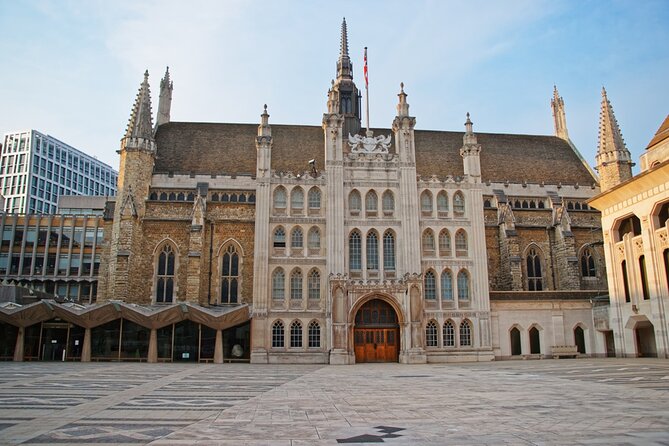
Guildhall is listed as a 15th-century hall and home to the Corporation of London. That sets up a key theme for the whole tour: London’s recovery depends on institutions, not just architecture.
Admission is not included here, so you get a brief look and a guide-led explanation rather than a long interior visit. Because the stop is about five minutes, it’s best treated as a snapshot.
What makes it worthwhile is how the guide connects civic spaces to the bigger history themes you’re seeing elsewhere. It helps the Tower, the Fire, and the wartime sites feel like one connected storyline.
St Paul’s Cathedral: Wren’s response to catastrophe
St Paul’s Cathedral is the final landmark on the walk. The tour describes it as Christopher Wren’s seventeenth-century cathedral, and it is an excellent closer because Wren represents the rebuilding mindset.
Admission is not included here, so you’re likely viewing and learning from the outside and immediate setting. If you want to go in, you’ll need your own time commitment on a different visit.
Even in a short stop, St Paul’s works as a final lesson: after major disruption, London keeps rebuilding, and that rebuilding becomes identity. The guide helps you connect this idea back to earlier stops.
How this tour connects Roman to WWII without feeling random
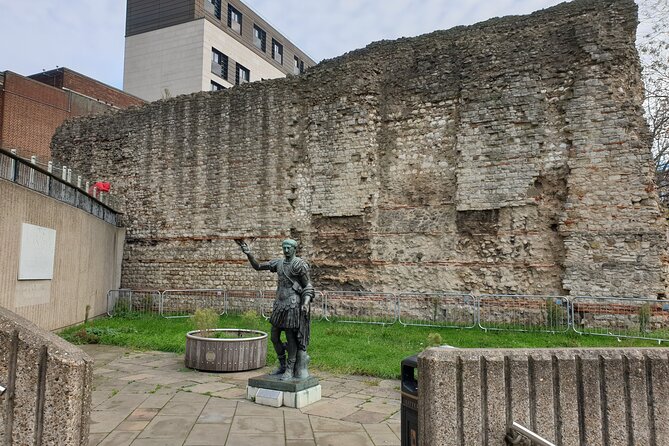
The tour title hints at Roman ruins to Blitz bombings, and the route gives you an easy way to follow that thread even if you’re not a full-time archaeology person.
You’ll see Roman and earlier-era references woven through the stops and side context, and you’ll end with reminders of the Second World War through St Dunstan in the East. Even if you only catch small pieces, the structure helps you build a timeline in your head.
One of the best things I take from the way the guide teaches is that it stays balanced. You do not get hit with endless facts. You get a steady stream of details that help you recognize patterns, like how disaster reshapes systems.
If you’re the kind of person who likes to ask What changed here? this walk fits that curiosity.
The value: is $27.78 a smart spend?
At $27.78 per person, this tour is priced like a classic London history walk: you’re paying for interpretation, not just access.
Here’s the value logic I’d use:
- You get a small group and a guide who answers questions, which is hard to replicate on your own.
- You see several major landmarks in a short time window, which saves you planning energy.
- Some stops have free admission, which keeps your costs reasonable if you don’t want to add extra tickets.
The main cost consideration is that admissions are not included for several stops, including Tower of London, the Monument, Bank of England Museum, Guildhall, and St Paul’s Cathedral. If you plan to go inside multiple sites, you’ll want to budget for tickets on top of the tour price.
For most history-minded visitors, that’s still a fair trade. You pay once for the story and then decide case-by-case where you want deeper access.
Tips to make your 2 hours feel effortless
This tour rewards good shoes and a calm mindset. Since stop times are short, you’ll learn more if you move efficiently between sights and pay attention to what the guide points out.
A few practical moves:
- Wear comfortable footwear, because the walking adds up.
- Bring a water bottle if you’re out in warm weather, since you’ll be moving between locations.
- If something grabs your attention, ask the guide a question right away, so you leave with a clear next step.
- If you want extras, the guide tends to offer suggestions for what to do afterward, including other places to visit and local spots to enjoy.
If you prefer museum-style pacing where you can linger, this might feel fast. But if you want a guided route that helps you understand London quickly, it’s a solid fit.
Who should book this walk, and who should skip it
This is a great fit if you:
- love London history and want the story connected across different eras
- like small-group tours where you can ask questions
- want a quick way to understand major events like the Great Fire and the wartime impact shown at St Dunstan in the East
It may not be the best fit if you:
- have mobility issues or fatigue easily, since this is a long walking tour in practice
- need long interior time at major sites, because several admissions are not included and each stop is brief
If you’re the type who enjoys stepping out, looking up, and learning while you walk, you’ll get your money’s worth.
Should you book Roman Ruins to Blitz Bombings?
I’d book it if you want a guided, high-impact route through London’s turning points, from the Tower and Great Fire landmarks to wartime memory at St Dunstan in the East and the rebuilding symbol at St Paul’s. The small group size and Tom’s storytelling style are the kind of combo that makes a short, two-hour outing feel like a smart investment.
I would hesitate if mobility is an issue, or if you want a tour where you go inside lots of major sites during the walk. In those cases, you may enjoy a slower plan with fewer stops.
Bottom line: for history lovers who can handle steady walking and want context, this is an excellent way to make London’s past feel real.
FAQ
How long is the walking tour?
The duration is about 2 hours.
What is the price per person?
The price is $27.78 per person.
Is the tour offered in English?
Yes, it is offered in English.
How big is the group?
The tour has a maximum of 15 travelers.
Do I need to buy tickets for the stops?
Admission tickets are not included for several stops, including Tower of London, the Monument, the Bank of England Museum, Guildhall, and St Paul’s Cathedral. Admission is free at St Dunstan in the East and London Stone.
Where do I meet and where does it end?
You start at 38 Trinity Square, London EC3N 4DJ. The tour ends outside Ye Olde Cheshire Cheese on Fleet Street, at 145 Fleet St, London EC4A 2BP.
Is the tour near public transportation?
Yes, it is near public transportation. The end point is near Blackfriars Station.
Are service animals allowed?
Yes, service animals are allowed.
Is this tour suitable for people with mobility issues?
Most people can participate, but it is a long walking tour. If you have mobility issues, it may not be the right choice.
Cancellation and refunds
What is the cancellation policy?
You can cancel for a full refund up to 24 hours in advance of the experience start time. If you cancel less than 24 hours before, the amount paid is not refunded.
Wartime London, Further Reading
- Westminster 3 Hour Walking Tour and Visit of Churchill War Rooms★ 5.0 · 967 reviews
- WW2 London Walking Tour & Churchill War Rooms Entrance Ticket★ 4.5 · 933 reviews
- London: Westminster WW2 Tour & Churchill’s War Rooms Ticket★ 4.5 · 925 reviews
- London in WW2 Walking Tour with Churchill War Rooms Visit★ 5.0 · 721 reviews
Fresh off the London review pile




Churchill War Rooms & Wartime London, compared.
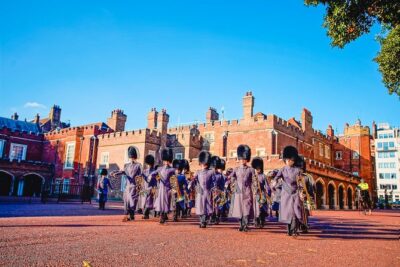 ★ 5.0Westminster 3 Hour Walking Tour and Visit of Churchill War RoomsFrom $135967 reviews
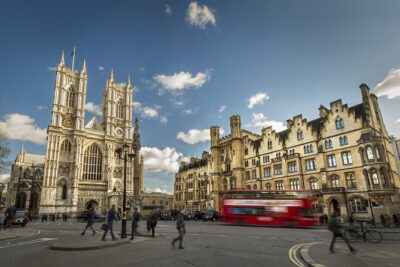 ★ 4.5WW2 London Walking Tour & Churchill War Rooms Entrance TicketFrom $60933 reviews
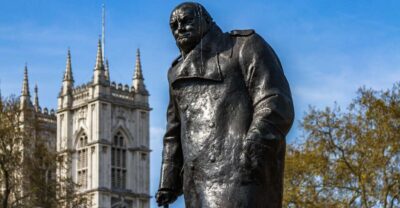 ★ 4.5London: Westminster WW2 Tour & Churchill’s War Rooms TicketFrom $59925 reviews
 ★ 5.0London in WW2 Walking Tour with Churchill War Rooms VisitFrom $104721 reviews
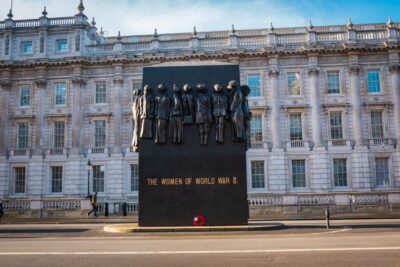 ★ 4.9London: London in WW2 and Churchill War Rooms EntranceFrom $96669 reviews
 ★ 5.0Western Approaches Self Guided TourFrom $24505 reviews
 ★ 4.7London: Westminster Tour and Churchill War Rooms VisitFrom $101371 reviews
 ★ 4.5Churchill War Rooms “Behind The Glass” and Private Car TourFrom $1,410322 reviews
Also filed under