
REVIEW · CANTERBURY, DOVER & THE KENT COAST
Silver Ring Workshop in Kent, England
In 3 hours, you wear your own ring. This silver ring workshop in Canterbury is hands-on from minute one, and Annie teaches you the full process, not just a craft project. I love the step-by-step coaching while you work at the bench, and I love that you leave with a ring you made yourself. One consideration: silver materials cost extra at the end, typically £10 to £30 depending on the finished weight, and beginner designs stay simple.
This class runs in a studio setting near central Canterbury, so it feels like real silversmith work, not a rushed demo. You get coffee and tea, an apron, and guidance in English, and the workshop is private to your group.
The timing is tight but manageable. The session is about 3 hours, and if you are doing it solo or as two people it often lands in the 2 to 3 hour range. If you are hoping for very complex signet styles, plan on keeping your design straightforward.
In This Review
- Key things to know before you book
- Why Make a Silver Ring in Canterbury Instead of Buying One
- Finding the Studio at 76 Castle St, Canterbury and Getting Settled
- Designing Your Ring: Sizing, Simple Choices, and Personal Touches
- Sawing to Length, Patterning, and Annealing
- Forging and Shaping: Where the Ring Starts to Look Real
- Soldering the Ring and Cleaning Up the Join
- Coffee, Tools, and the Teaching Style That People Remember
- Price and Value: The Real Cost Breakdown
- Best For Couples, Gift Days, and First-Time Makers
- Timing, Session Flow, and What to Expect During the 2 to 3 Hours
- Practical Tips so Your Ring Turns Out Great
- Should You Book the Silver Ring Workshop in Canterbury?
- FAQ
- How long is the silver ring workshop?
- Where do I meet for the workshop?
- What is the total price?
- What is included in the workshop price?
- What should I be able to do as a beginner?
- Is there a cancellation refund?
Key things to know before you book
- Beginner-friendly instruction with simple ring designs (no signet rings)
- Real tool work across sawing, torch use, filing, buffing, and polishing
- Private studio time for your group, with support step by step from Annie
- Coffee and tea included, plus an apron at the start
- Materials are extra at the end, usually £10 to £30 per ring
Other Kent days, cathedral to cliffs
- Official Canterbury Guided Walking Tour – 11.00 Tour
★ 5.0 · 422 reviews - Canterbury Cathedral: Entry Ticket with Audio Guide
★ 4.6 · 266 reviews - Official Canterbury Guided Walking Tour – 14.00 Tour
★ 5.0 · 214 reviews
Why Make a Silver Ring in Canterbury Instead of Buying One
Buying jewelry is easy. Making it is different. You get to slow down and learn the steps that turn a dull strip of metal into something you can actually put on your hand.
In Canterbury, this workshop hits a sweet spot for a short trip. You are not spending a full day commuting or booking a giant tour bus. Instead, you get focused bench time, guided by someone who explains what you are doing and why you move to the next step.
What also makes this feel real is the progression. You start with basic design and sizing, then you cut metal, shape it, solder it, and finish it so it is wearable. That arc is satisfying, even if you have never touched a metalworking torch before.
The best part for me is that it becomes a personal object, not a souvenir. Your ring reflects the choices you made during the workshop, like texture, patterning, and stamping options.
Finding the Studio at 76 Castle St, Canterbury and Getting Settled
You meet at 76 Castle St, Canterbury CT1 2QD. Plan to arrive a bit early so you can settle in and get your bearings. This location is close to public transportation, which matters if you are spending your day exploring Canterbury on foot and by train.
When you arrive, Annie gets you ready with the basics. You get an apron. You start with a drink, coffee or tea, so you are not trying to focus before you have had a moment to relax.
The tone matters here. The workshop is set up for beginners, and you are taught at your pace. Several people loved the patient teaching style and the way Annie guides you without talking down to you. That kind of instruction makes a difference when you are handling tools for the first time.
You also get a private setup. Your group is the only group there, so you are not competing for space or waiting for someone else to finish. That privacy is part of the value, especially if you are booking as a couple or planning a meaningful gift.
Designing Your Ring: Sizing, Simple Choices, and Personal Touches
The workshop starts by talking through basic designs. Annie will measure your finger and discuss what you want your ring to look like. This part is practical, because your end goal is a ring that fits and feels right.
One helpful constraint: ring designs are kept simple for beginners, and signet rings are not part of the plan. That is not a flaw, it is a reality check that keeps your session on track and helps you finish with a wearable ring.
Still, you get personal choices. During the personalization stage, you can work on patterning, texturising, and/or stamping. Those options let you add character even if you are sticking to a simple ring shape.
If you have a specific idea, keep it clear and simple. Bring a photo if that helps you explain what you like, but you will still work within the beginner-friendly approach. The workshop is designed so you learn the techniques in order, not so you race through a complicated design.


Sawing to Length, Patterning, and Annealing
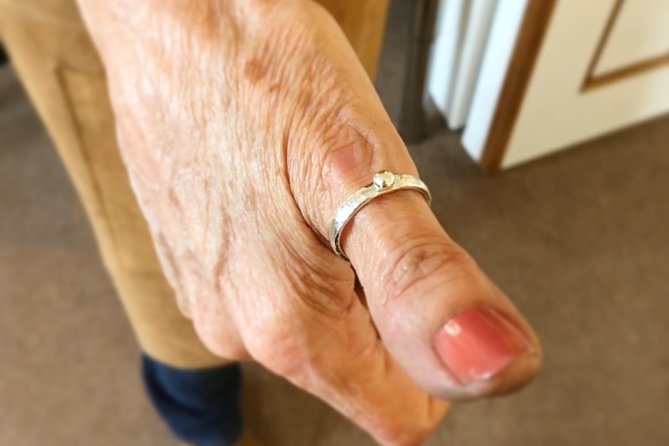
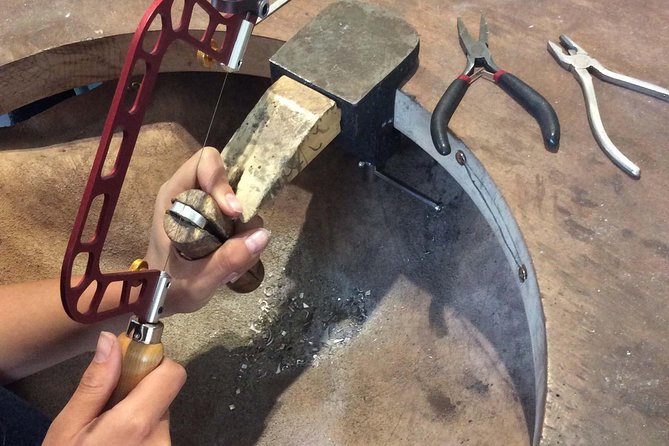
Once you are set at the bench, the making begins with cutting the silver to length. You are not just watching. You will move through the stages and learn each one as you go.
After that, Annie teaches the personalization techniques. This is where pattern, texture, and stamping come in. You are learning how to apply these effects to your own piece, then carry that piece forward to the next step.
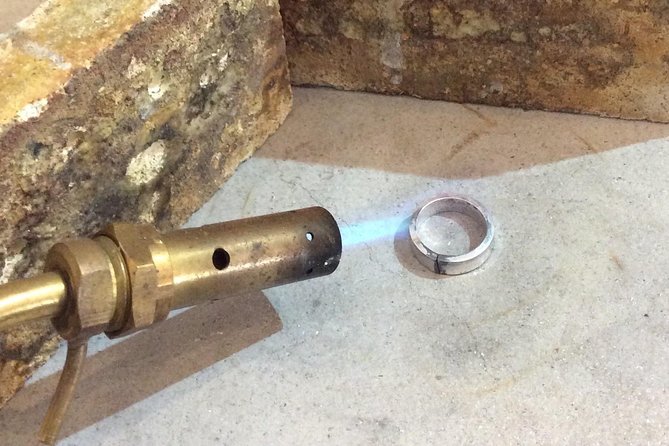
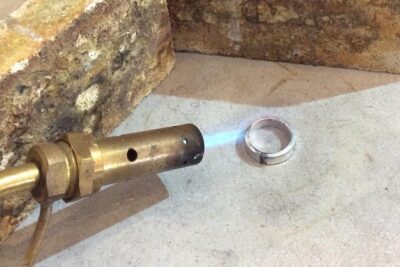
At this point, the silver needs annealing. You will learn what annealing is in the context of this workshop, and Annie explains why it is needed before you continue. The key here is that you understand the step as part of the workflow, not as a random pause.
Then you move toward forging and shaping. This is where your ring starts looking like a ring instead of a lump of metal.
Forging and Shaping: Where the Ring Starts to Look Real
Next comes forging your ring to shape. You will work toward the ring’s form and then saw it to size. That sawing step matters because ring fit is unforgiving. You want to leave with something you can wear, not something that sits in a box.
This stage is often the moment people light up. You begin with flat metal and a plan, then suddenly your hands have done the work that creates the band’s shape. It is also the stage where you can better appreciate how much manual effort is involved in ring making.
You will not be left alone to figure it out. Annie demonstrates and then you replicate the technique on your own ring. That teaching approach is especially helpful if you are nervous about doing it wrong.
If you are making a ring with another person, you still each get your own bench time and your own ring, so you are not doing the same task mindlessly. The workshop structure keeps the focus on your own piece.
Soldering the Ring and Cleaning Up the Join
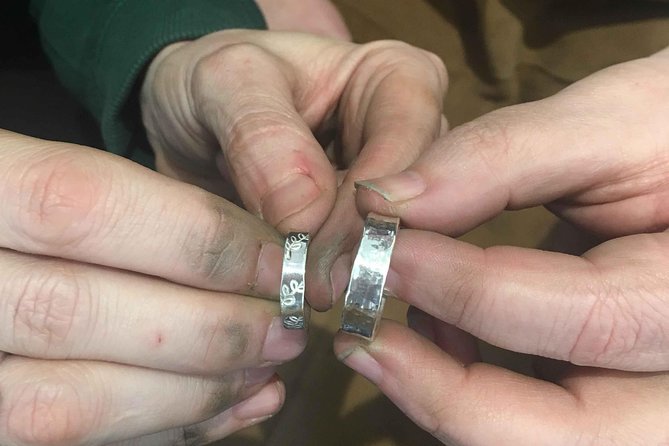
Once the ring is shaped and sized, it is time for soldering. Annie explains the process, then you use the torch to join the ring. This is a big technical step, but it is part of why the workshop feels like real metalwork.
After joining, you learn the finishing mechanics that make the solder line disappear. You will use files to clean the join and prepare the ring for the next steps.
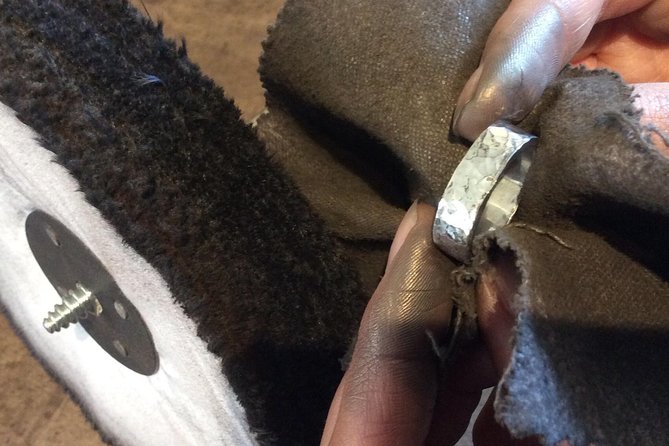
Then you buff away scratches and polish the whole ring. This is where your ring stops looking handmade in the rough way and starts looking like jewelry you might actually buy in a shop.
The finishing time is not just cosmetic. It is the difference between something that is technically complete and something that feels good to wear. Polishing also affects how light hits the surface, which is what makes silver look sharp.
You leave with a shiny ring that you can put on right away.
Coffee, Tools, and the Teaching Style That People Remember
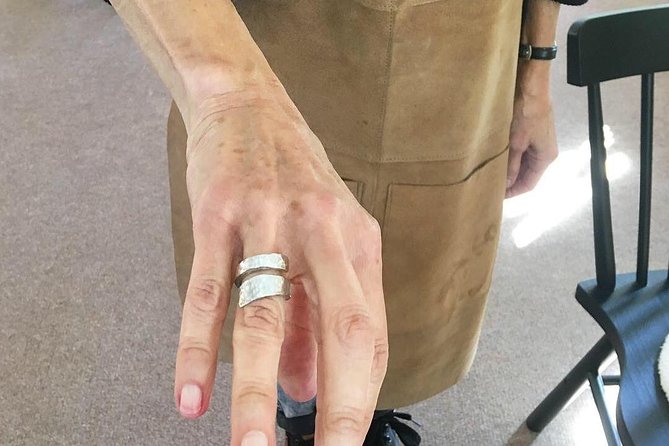
One thing that comes through strongly is the teaching style. Annie is described as welcoming, encouraging, and patient. People also highlight that the instructions are clear and that she explains steps, not just actions.
That matters more than you might think. When you know what you are aiming for in each step, you make fewer mistakes and you build confidence faster. In a hands-on workshop, confidence is half the skill.
You also get refreshments. Coffee and tea are included. It may sound minor, but it helps you stay present through the full process. If you are on a trip schedule, that small comfort is a nice way to keep your energy up.
And the setting helps too. The workshop takes place in a gallery-like space in Canterbury, which keeps the whole experience from feeling sterile or too industrial. You get the charm of a historic city paired with a modern craft setup.
If you are left-handed, you are not out of luck. One person noted they were accommodated, with a small adjustment to where they worked during one process. That kind of practical flexibility is reassuring.
Price and Value: The Real Cost Breakdown
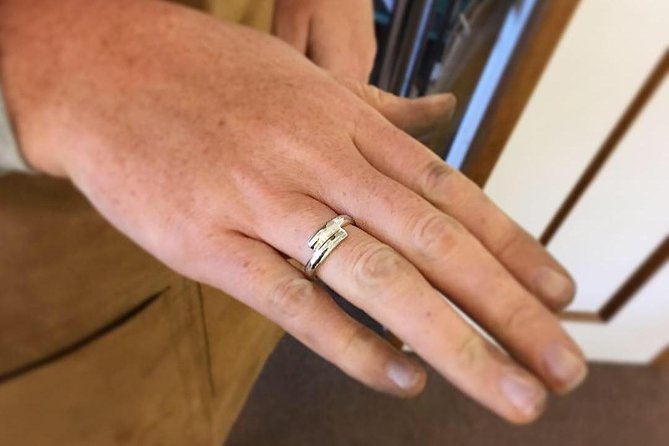
The workshop price is $131.95 per person, and it runs about 3 hours. On paper, that can look like a lot if you compare it to a typical craft class. In practice, the value comes from what you are paying for: instruction plus access to tools and the time to make something you can wear.
You also need to plan for the extra cost of materials. Silver materials are not included. There is an additional cost paid at the end of the session, typically £10 to £30 per ring depending on finished weight.
So the true spend is the base workshop fee plus the silver fee. If you are watching your budget, treat the silver cost like the variable part. If you choose a heavier ring, you should expect to pay more. If you keep the ring simpler and lighter, you may land closer to the lower end of that range.
Still, even with materials, this is often a better value than buying a ring in a store if what you want is the story and the skill. You are not just getting a product. You are learning the steps, so you understand the effort behind the final shine.
Best For Couples, Gift Days, and First-Time Makers
This workshop fits a few travel profiles very well.
It is great for couples who want a shared project that does not feel like a typical tourist activity. Several people made wedding rings and came away with rings that felt like a fresh start, not an off-the-shelf replacement.
It is also ideal for a meaningful solo activity. If you like crafts and want a hands-on goal you can finish in one sitting, this is a strong choice. You will see progress quickly as you go through sawing, shaping, soldering, and polishing.
It works as a gift too, especially for people who love experiences more than objects. The workshop ends with a wearable result, so the gift does not feel like a voucher that gets forgotten.
Where it may be less ideal is if you want a complex design or a very specific gem or signet style. The beginner format keeps things simple so you can finish well. If you want to learn more advanced designs later, this can still be a good first step.
Timing, Session Flow, and What to Expect During the 2 to 3 Hours
Sessions are roughly 2 to 3 hours for one or two people. That lines up with the idea of a focused bench session. You will move stage by stage, with instruction and demonstration at each one.
The flow goes like this, in plain terms:
- Start with design talk and finger measuring
- Cut the silver to length
- Personalize with patterning, texturising, and/or stamping
- Anneal at the right stage, with teaching on using the torch
- Forge and shape the ring, then saw it to size
- Solder the ring and clean the join with files
- Buff scratches and polish the whole ring ready to wear
Because you are going through multiple technical tasks, arriving rested helps. If you have a packed morning of walking Canterbury streets and climbing ramps, give yourself time to slow down when you reach the studio.
Also, expect that your ring design will likely stay within beginner-friendly boundaries. That keeps the process smooth and lets you finish the polishing, which is the moment you get your final result.
Practical Tips so Your Ring Turns Out Great
A few things help your experience go smoothly.
First, think about what you want your ring to feel like. Smooth and shiny can be lovely, but textures and stamping can add a personal look that still fits a simple beginner shape.
Second, choose a design you can explain quickly. The workshop is built around a sequence of steps, so clarity helps Annie guide you faster and keep you moving through the stages.
Third, plan for the materials fee. If you budget for the base cost but forget the silver, you will be surprised at the end. £10 to £30 is a reasonable range, but it depends on the finished weight.
Finally, wear comfortable clothes and be ready for real tool work. This is a studio activity with hands-on stages, not a sit-and-watch class. If you take it seriously for the first 10 minutes, the rest usually clicks.
Should You Book the Silver Ring Workshop in Canterbury?
I think you should book if you want a high-impact experience that ends with something you actually wear. The combination of guided forging, soldering, and polishing, plus the fact that you are making your own ring from start to finish, is the core reason it is so popular.
You should also book if you enjoy learning craft skills and you like the idea of personalization that is more than a quick decoration. Patterning, texturising, and stamping make your ring feel yours.
Skip it or adjust expectations if your main goal is a very advanced design like signet styles, because beginner rings are kept simple. Also, make sure you have room in your budget for the extra silver materials cost.
If you are in Canterbury and you want something memorable that does not vanish the moment you get home, this one has staying power.
FAQ
How long is the silver ring workshop?
It lasts about 3 hours. Sessions for one or two people are between 2 to 3 hours.
Where do I meet for the workshop?
You meet at 76 Castle St, Canterbury CT1 2QD, UK. The activity ends back at the meeting point.
What is the total price?
The workshop is $131.95 per person. Silver materials are not included and cost extra at the end of the session, typically £10 to £30 per ring.
What is included in the workshop price?
The guide and coffee and/or tea are included, and you also get an apron.
What should I be able to do as a beginner?
Most travelers can participate. The workshop is designed for beginners, and ring designs are kept simple with no signet rings.
Is there a cancellation refund?
Yes. You can cancel for a full refund if you cancel at least 24 hours before the experience’s start time. Free cancellation is offered, but changes within 24 hours of the start are not accepted.
Kent: Cathedral, Castle, Cliffs
- Canterbury: Walking Tour with Green Badge Guide★ 4.8 · 709 reviews
- Official Canterbury Guided Walking Tour – 11.00 Tour★ 5.0 · 422 reviews
- Canterbury Cathedral: Entry Ticket with Audio Guide★ 4.6 · 266 reviews
- Official Canterbury Guided Walking Tour – 14.00 Tour★ 5.0 · 214 reviews
Fresh off the Canterbury review pile


Canterbury, Dover & the Kent Coast, compared.
 ★ 4.5Leeds Castle, Cliffs of Dover and Canterbury Day Trip from London with Guided Cathedral TourFrom $1452,820 reviews
 ★ 4.6From London: White Cliffs of Dover and Canterbury Day TripFrom $1062,623 reviews
 ★ 4.9London: South Downs White Cliffs Day Trip with Train TicketsFrom $1201,441 reviews
 ★ 4.6London: Canterbury Cathedral, Dover Castle, and White CliffsFrom $148973 reviews
 ★ 4.5Canterbury Cathedral, Dover Castle & White Cliffs Guided Day Tour from LondonFrom $152837 reviews
 ★ 4.7Dover Castle Admission TicketFrom $33735 reviews
 ★ 4.4From London: Leeds Castle, Canterbury Cathedral & DoverFrom $141735 reviews
 ★ 4.8Canterbury: Walking Tour with Green Badge GuideFrom $20709 reviews
Also filed under