
REVIEW · SKIP THE LINE
Skip the Line: House and Garden Admission Ticket
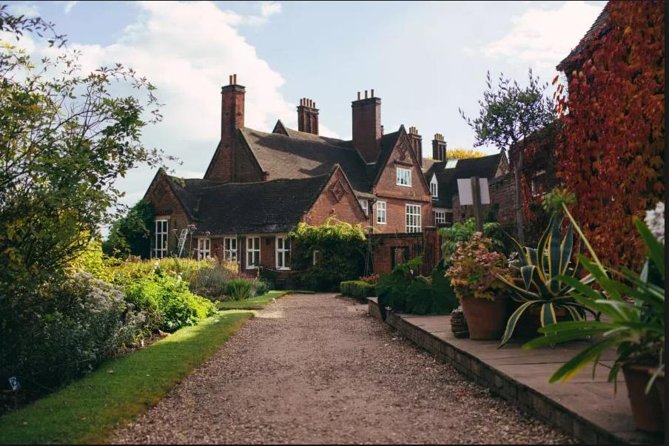
Winterbourne House and Garden turns a city morning into garden time fast, and the whole visit feels calm right off the bat. This is an admission ticket for a place shaped by Edwardian Arts and Crafts ideas, created by the homeowners Margaret and John Nettlefold and inspired by Gertrude Jekyll.
I love two things most. First, the restored walled garden with its crinkle-crankle wall, which becomes a color show from May through October. Second, the sense of order and curiosity, from the sandstone rock garden to a woodland walk through Gunnera leaves and Rhododendron displays.
One thing to plan around: car parking can be tricky since the access is narrow, and wheel chair or pushchair access is only to some way. Also, even with the ticket promise, you should still expect some waiting at the entrance on busy days.
In This Review
- Key things to know before you go
- Why Winterbourne Feels Like a City Escape
- Tickets, timing, and what skip-the-line really means
- Price and value: what you get for about $14
- Winterbourne House and the Edwardian Arts and Crafts story
- The restored walled garden and the crinkle-crankle wall
- Beyond the wall: rock garden and woodland walk
- Plant collections across China, the Americas, and the Alps
- Seats, peace, and a family-friendly rhythm
- Practical tips: parking, paths, and comfort
- How long should you plan for (1 to 4 hours)?
- What season should you target for the best bloom?
- In the end, who is Winterbourne best for?
- Should you book this Winterbourne skip-the-line admission?
- FAQ
- What is included with the Skip the Line House and Garden admission ticket?
- Where is this experience located?
- How long should I plan for the visit?
- What are the opening hours?
- Is the ticket mobile and in English?
- What is the cancellation policy?
Key things to know before you go
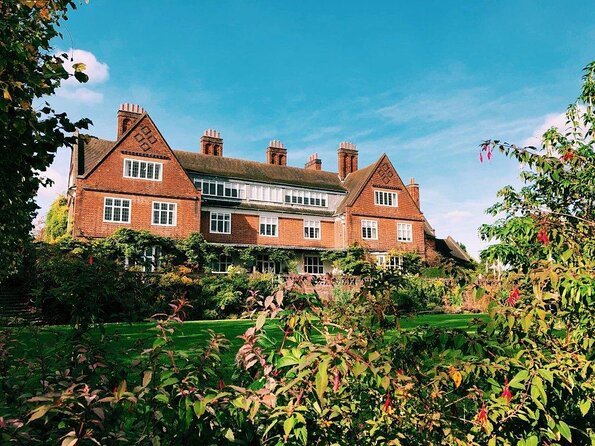
- Edwardian Arts and Crafts suburban villa garden in Birmingham, now a Grade II listed site
- Crinkle-crankle wall walled garden, strongest for color from May to October
- Year-round interest, not just a summer show
- Plant collections across regions, including China, North and South America, and Alpine areas
- Small visit setup (max 30 travelers) plus a mobile ticket in English
- Plenty of places to sit, with benches around the garden for a slower pace
Still comparing? These Birmingham tours came out well in our reviews too.
- Entry ticket to Hoo Zoo and Dinosaur World in Telford
★ 5.0 · 591 reviews - Cadbury World Entry Ticket
★ 3.0 · 524 reviews - Birmingham Walking Tour: Canals, Victorians & Today (1:30pm)
★ 5.0 · 346 reviews
Why Winterbourne Feels Like a City Escape
Winterbourne House and Garden is in Birmingham, yet it doesn’t act like a loud, public attraction. You get that shift in mood quickly, like someone turned the volume down. The whole property is designed for strolling, pausing, and looking closely, not racing through.
The other reason I like it is that it’s a garden with a point of view. This one links the Edwardian era to the practical, planting-focused ideas associated with Arts and Crafts. You’ll notice that when you look at the borders and how the spaces are layered.
If you want a day out that works for both history fans and garden people, this is a strong match. It’s also a good option for families who want an easy win: fresh air, benches, and plenty to look at without needing special skills or gear.
Tickets, timing, and what skip-the-line really means
You’re paying for admission, and the ticket is delivered as a mobile format. The experience is offered in English, and the visit length is listed as about 1 to 4 hours. In real terms, you can shape it. If you like slow wandering, you’ll be nearer the 3 to 4 hour end. If you want the highlights and a tidy circuit, 1.5 to 2 hours can work.
Opening hours change by season:
- From January 13, 2026 to February 28, 2026, you can visit 10:30 AM to 3:30 PM
- From March 1, 2026 to October 31, 2026, you can visit 10:30 AM to 4:30 PM
A practical tip: go earlier in the opening window if you want a quieter feel. One of the nicest parts of Winterbourne is that the house viewing and garden circuits can feel unhurried, and timing helps that.
About the skip-the-line label: it’s intended to reduce waiting, but it’s not a magic force field. I’d still plan to arrive with a little buffer, especially around peak hours. The goal is fewer delays, not zero.
Price and value: what you get for about $14
At $14.17 per person, you’re essentially buying entry to a restored Edwardian house and garden experience that’s designed for a longer sit-in-place kind of day. That price feels reasonable because you’re not paying for a bundled guided program or add-ons. You’re paying for access to the property, at a level that fits a half-day plan.
Just note what’s not included: food and drinks are not included unless specified. If you think you’ll want a snack break, plan to bring water and something small, or plan a meal stop before or after you go.
One more value point: this is a Grade II listed garden, meaning the property is protected and preserved. You’re not just paying to see plants, you’re paying to experience a site with restoration and historical character.





Winterbourne House and the Edwardian Arts and Crafts story
Winterbourne is one of Birmingham’s best surviving examples of an Edwardian Arts and Crafts suburban villa garden. That phrase matters, because it explains what you’ll see. The garden isn’t random. It reflects a specific approach to how a home garden should feel: planned, layered, and visually satisfying through the seasons.
The key names here are Margaret and John Nettlefold, the homeowners who created the garden. The inspiration came from the books of Gertrude Jekyll, which you can sense in the way the planting and garden rooms work together. Jekyll’s ideas are often about color harmony, border structure, and using planting as design, not decoration only.
When you view the house alongside the garden, you get a better sense of how the owners intended the whole place to function. Even if you’re not a history deep-dive person, the atmosphere makes the story easy to follow. The garden reads like a long-term project, not a quick display.
The restored walled garden and the crinkle-crankle wall
The walled garden is where Winterbourne’s design shows off. The wall is restored and includes a crinkle-crankle wall, which immediately adds personality to the space. It’s not just an architectural detail. It changes how you experience the garden rooms, bending sightlines and making the garden feel more intimate.
From May until October, this area becomes a riot of rainbow shades. I’d call this the “plan your timing” section of the visit. If you want the strongest color impact, aim for those months. If you’re visiting earlier in the year, you can still enjoy the structure and plant shapes, but the peak carpet of color may not be what you’re hoping for.
You’ll also see lawns fringed with striking color themed borders. That’s a great part of the Edwardian Arts and Crafts approach because it turns the garden into a series of framed views. Instead of one big vista, you get repeated visual surprises as you move.
A note on pace: the walled garden invites you to slow down. If you rush, you miss the reason it works. Give yourself time to stop, scan the borders, then walk again.
Beyond the wall: rock garden and woodland walk
After the walled garden, the property opens up into other garden types, and that keeps the visit from feeling repetitive.
One stop worth your attention is the original sandstone rock garden. Rock gardens are about texture and structure, so even when plants are not at full peak, they still look intentional. I like them because they make the garden feel designed year-round, not dependent on summer only.
Then comes the woodland walk, with Gunnera leaves and Rhododendron displays. If you enjoy plants that look dramatic from the ground up, this section delivers. Gunnera leaves bring a bold, architectural feel, and the Rhododendron displays add movement and color where you might expect mostly shade.
This part of the garden is also where you’ll likely appreciate the calm most. Benches and slower paths make it easy to take your time, which is exactly what you want when you’re doing a city break and need a reset.
Plant collections across China, the Americas, and the Alps
One of Winterbourne’s quieter strengths is its global reach. The botanical garden includes plants from around the world, with collections noted from China, North and South America, and Alpine areas.
I find this kind of garden experience satisfying because it turns a walk into casual learning. You don’t need to be a botanist. You just notice differences in leaf shape, growth habit, and how plants are arranged to fit the garden’s microclimates.
A practical way to enjoy this: don’t try to memorize names. Instead, pick two or three sections to compare. Look at how plants look in the walled garden versus the woodland area. Then see how the structure of the garden guides where you can comfortably view the collections.
It’s also a nice option for families because curiosity comes naturally. Kids often enjoy “surprise plant shapes” more than they enjoy a lecture, and this garden offers that.
Seats, peace, and a family-friendly rhythm
Winterbourne works well when you want a peaceful half-day. The garden has a reputation for being quiet and relaxing, and it’s easy to see why when you spot the benches placed for sitting and admiring the views.
For families, this is a major plus. You’re not asking kids to keep up with a strict route. You can pause, snack, then walk again. For adults, the benches also make the visit feel less like a checklist and more like a real break.
If you’re into photos, you’ll also find plenty of angles. The crinkle-crankle wall creates interesting perspectives, and the borders plus rock garden textures offer variety without needing a complicated plan.
The one thing to watch is that the visit can still feel longer than you expect if you stop often. That’s not a bad problem. It’s just why you should plan a relaxed morning or afternoon.
Practical tips: parking, paths, and comfort
Car parking is a known challenge here. Access is described as narrow, so I’d plan to arrive with patience. If you’re driving, give yourself extra time to park and orient yourself.
If you’re using a wheel chair or pushchair, access is described as to some way, meaning you may not be able to reach every garden corner easily. I’d plan around that by focusing on the main garden circuits and allowing some flexibility if you hit a spot where the path isn’t ideal.
Also remember the basics that matter in every garden: wear comfortable shoes, bring a light layer, and have sunscreen or a hat if you’re going in warmer months. Winterbourne is about walking and looking, so your comfort affects your enjoyment.
How long should you plan for (1 to 4 hours)?
The ticket experience lists a duration of about 1 to 4 hours, and that wide range is useful. Here’s how I’d plan it:
- About 1 to 2 hours if you want the house area, the walled garden highlights, and one or two additional garden stops
- About 2 to 3 hours if you want a relaxed loop through walled garden, rock garden, and woodland walk, with time to sit
- About 3 to 4 hours if you love gardens and want to slow down enough to notice plant variety across sections
If you’re visiting in early spring, expect a more structural look. One example from a past visit pattern is that some seasonal climbers, like wisteria, may not be at peak bloom early in the year. That doesn’t make the visit worse, it just shifts what you notice, more form and texture than peak flower impact.
What season should you target for the best bloom?
Winterbourne offers color and interest throughout the year, but you’ll get the strongest “wow” during the warmer bloom stretch.
The walled garden is specifically highlighted for May through October color. If you’re choosing between months, that’s your guide. During that window, the borders and surrounding plantings are set up to deliver more visual impact, and the whole visit feels more like a planned seasonal show.
If you’re going in winter or early spring, still go if you enjoy gardens as living design. You can look at how the spaces work, how the rock garden structure holds up, and how the woodland walk feels even with fewer blossoms.
Think of it this way: in peak months, you’re hunting color. In quieter months, you’re appreciating structure.
In the end, who is Winterbourne best for?
I think Winterbourne House and Garden is best for people who want a break from the city without leaving town. It’s ideal for keen gardeners, history buffs, and families who want an outdoors day that doesn’t require a long day of transport.
You’ll especially enjoy it if you like garden design that has a backstory, not just an assortment of plants. The names here, the Nettlefolds and Gertrude Jekyll inspiration, give the garden meaning that you can feel while you walk.
If you’re chasing a fast sightseeing hit, you might find it a bit too slow and plant-focused. But if your ideal day includes peace, benches, and room to wander, this is the kind of place you’ll remember.
Should you book this Winterbourne skip-the-line admission?
Book it if you want an easy, low-stress garden break in Birmingham with real historical context. The small-group setup, mobile ticket, and admission-only value make it a practical choice for a half-day plan. If you like Arts and Crafts planting style, the walled garden area and the crinkle-crankle wall are exactly the kind of detail that rewards taking your time.
Skip it or rethink your timing if your main goal is a specific flower that depends on late-season bloom. The garden is great throughout the year, but the brightest color display is clearly tied to May through October.
If parking is a concern, decide ahead how you’ll handle arrival. And if you use a wheel chair or pushchair, plan for partial access and choose a route that fits your comfort level.
If that sounds like your kind of visit, this ticket is a solid buy.
FAQ
What is included with the Skip the Line House and Garden admission ticket?
Your ticket includes admission to Winterbourne House and Garden. Food and drinks are not included unless specified.
Where is this experience located?
The experience is in Birmingham, England.
How long should I plan for the visit?
The duration is listed as about 1 to 4 hours.
What are the opening hours?
From January 13, 2026 to February 28, 2026, it runs 10:30 AM to 3:30 PM. From March 1, 2026 to October 31, 2026, it runs 10:30 AM to 4:30 PM.
Is the ticket mobile and in English?
Yes, you’ll get a mobile ticket, and the experience is offered in English.
What is the cancellation policy?
Free cancellation is available. You can cancel up to 24 hours in advance for a full refund, based on local time.
Fresh off the Birmingham review pile








Skip the Line, compared.
 ★ 5.0Skip the Line Tower of London & Westminster Tour and River CruiseFrom $165730 reviews
 ★ 4.9London: Westminster Abbey Skip-the-line Entry & Guided TourFrom $106368 reviews
 ★ 4.5Skip the Line: Liverpool Beatles Museum – The perfect tribute to the BeatlesFrom $27321 reviews
 ★ 4.5Skip-the-Line in The National Museum of Popular Music TicketFrom $26205 reviews
 ★ 4.5Skip the Line Parliament & Westminster Abbey Fully-Guided TourFrom $193149 reviews
 ★ 4.9Skip-the-Line London Westminster Abbey Guided Tour in GermanFrom $107135 reviews